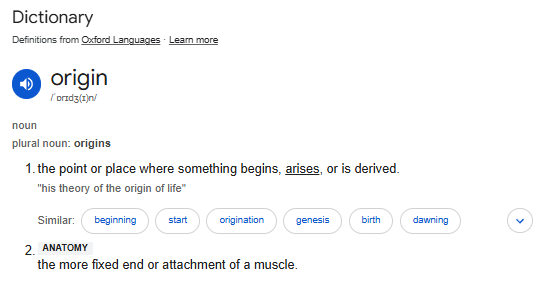
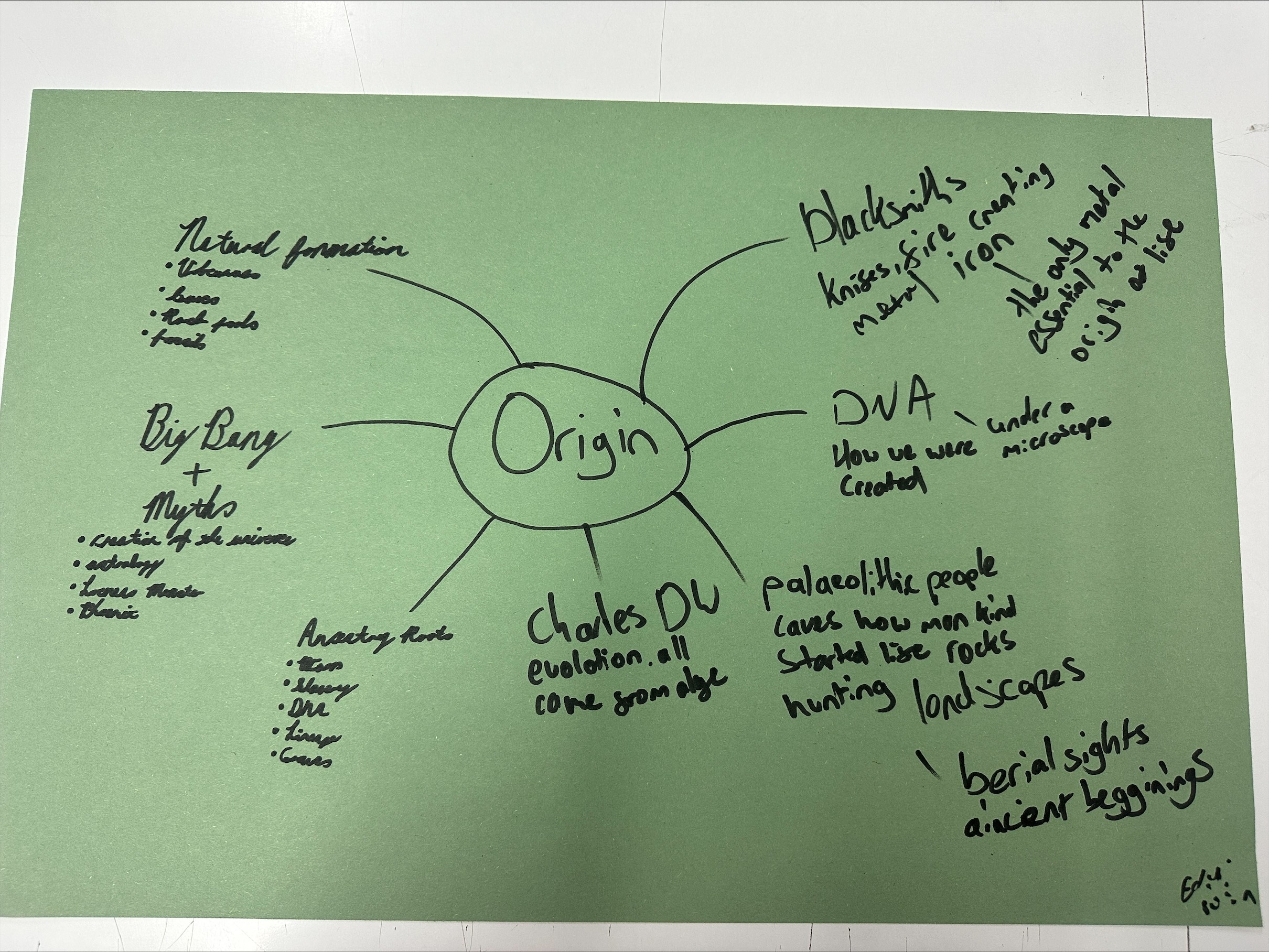
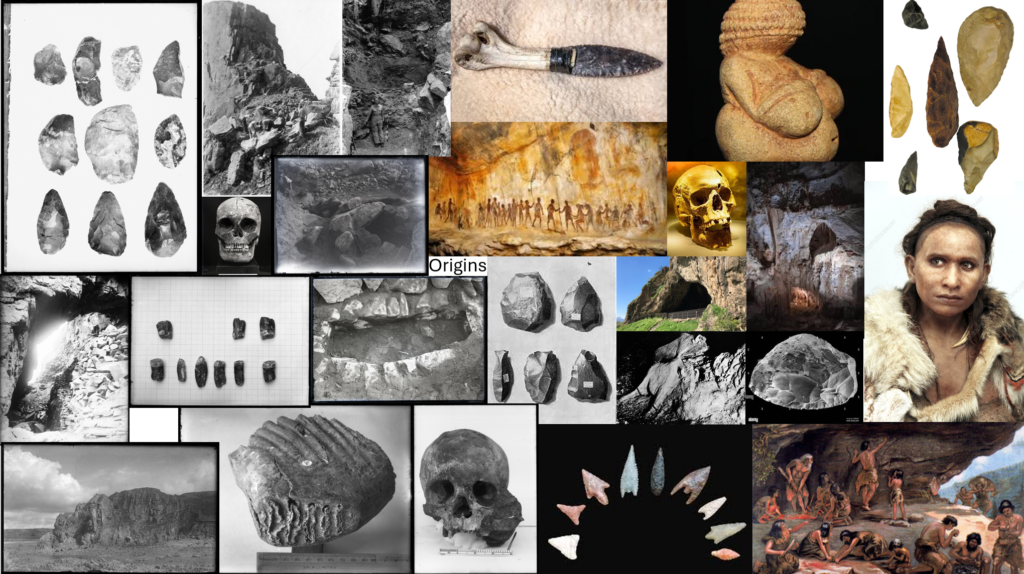
As our first task we came up with a bunch of words linking to origin. My favourite word/idea was Palaeolithic people and there tools and how they were the first origins of humanity.
Mood Board
Taking this further I created a mood board about Palaeolithic people with general ideas and tools on the right and specific jersey found tools and sites on the left.
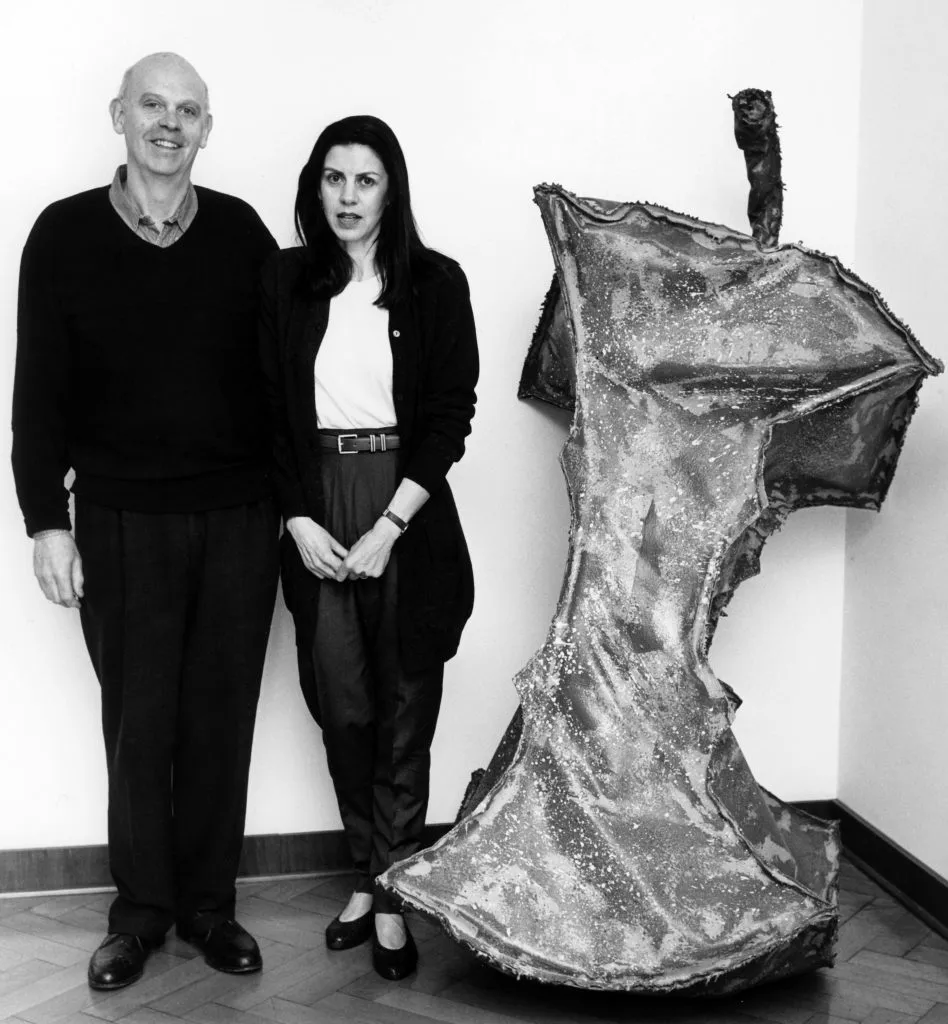
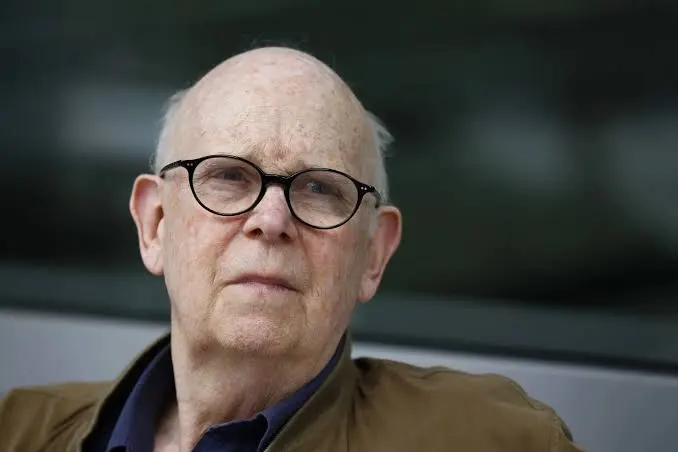
Claes Oldenburg was a Swedish-born American sculptor best known for his public art installations, typically featuring large replicas of everyday objects. Another theme in his work is soft sculpture versions of everyday objects. Born: January 28, 1929, Stockholm, Sweden. Died: July 18, 2022 (age 93 years), New York, New York, United States.
Claes Oldenburg was a central figure in the development of American Pop Art during the 1960s, transforming the language of sculpture by elevating ordinary consumer objects to the status of monumental art. Born in Stockholm and raised in the United States, Oldenburg emerged in New York at a time when Abstract Expressionism dominated the art world. In contrast to its emotional intensity and gestural abstraction, Oldenburg turned toward the everyday environment of shops, advertisements, and mass-produced goods. Like fellow Pop artists such as Andy Warhol, he blurred the boundary between high art and popular culture, questioning traditional hierarchies of subject matter.
One of Oldenburg’s most significant contributions was his development of “soft sculpture.” Instead of carving in marble or casting in bronze, he created enlarged versions of everyday objects using fabric, vinyl, and stuffing. Works such as Floor Burger (1962) transform a common fast-food item into a sagging, oversized form. The use of soft materials undermines the solidity and permanence traditionally associated with sculpture, suggesting that consumer goods despite appearing substantial are ultimately unstable and temporary. This subversion of material expectations reflects Pop Art’s broader critique of consumerism and post-war abundance in America.
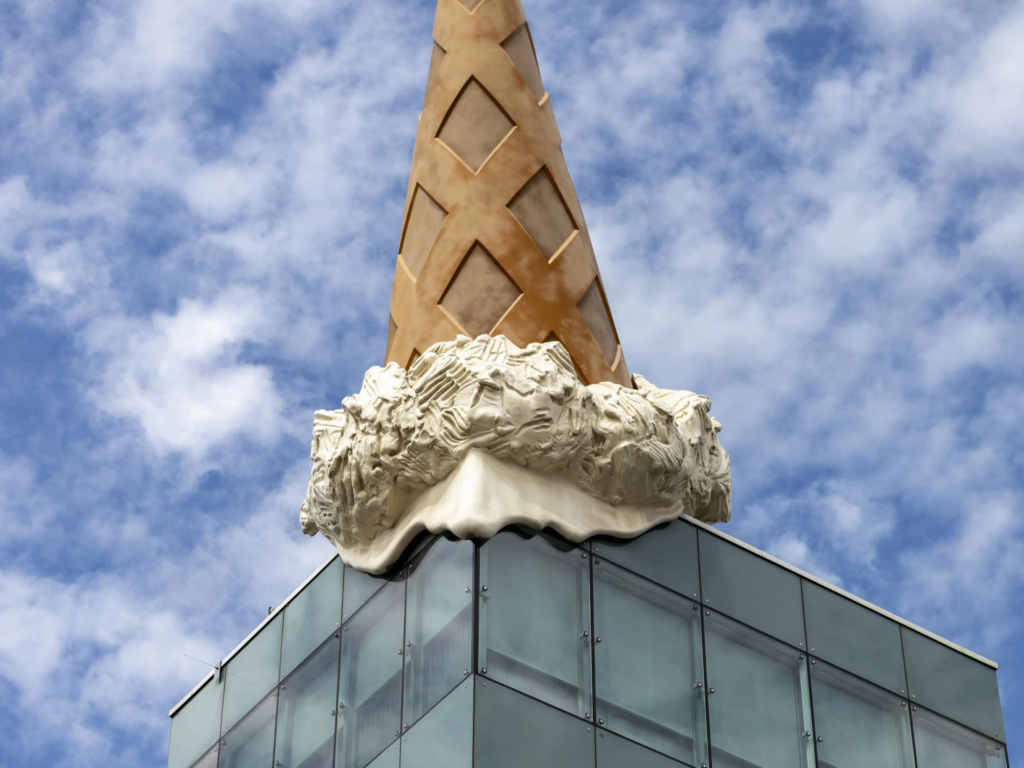
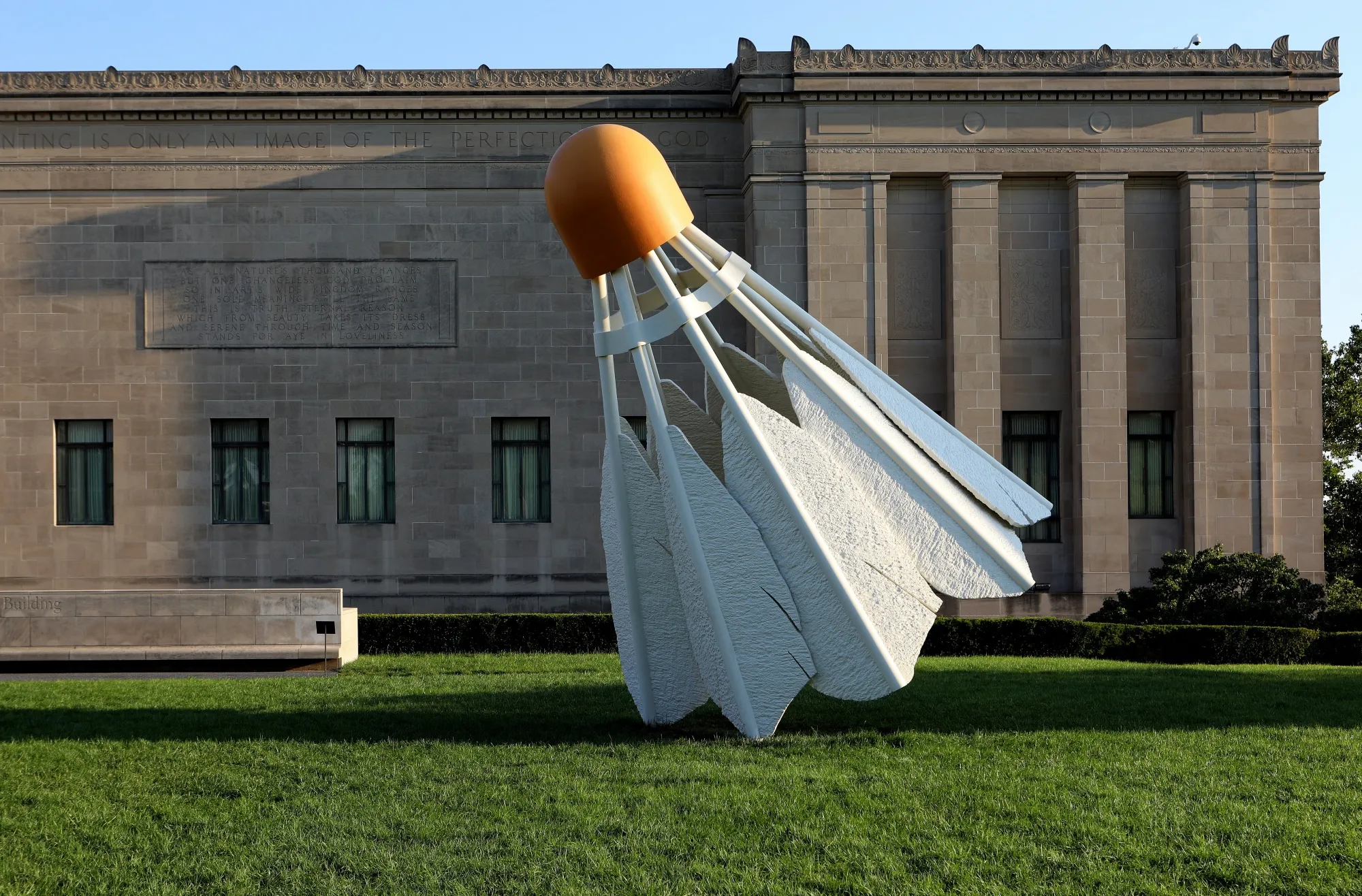
Scale is perhaps Oldenburg’s most powerful artistic device. By enlarging mundane objects to monumental proportions, he forces viewers to reconsider their relationship with the familiar. In public works such as Clothespin and Spoonbridge and Cherry, everyday household items become towering civic landmarks. This dramatic shift in scale creates humour, but it also generates a subtle commentary on the dominance of consumer culture within modern life. Objects designed for private, domestic use are relocated into public spaces, suggesting that consumption has become central to collective identity.
Oldenburg’s later large-scale sculptures, often produced in collaboration with Coosje van Bruggen, demonstrate a sophisticated understanding of site-specific art. These works interact with their architectural surroundings, disrupting urban landscapes while simultaneously becoming integrated into them. Unlike traditional monuments that commemorate political leaders or historical events, Oldenburg’s sculptures celebrate the banal and the everyday. This shift reflects broader late-20th-century artistic movements that sought to democratise art and make it accessible beyond elite gallery spaces.
In conclusion, Claes Oldenburg redefined sculpture by challenging conventions of material, scale, and subject matter. Through humour and transformation, he expanded the possibilities of public art and reshaped perceptions of everyday objects. His work remains significant within art history because it captures the spirit of post-war consumer society while continuing to provoke debate about the relationship between art and popular culture.
Write a Statement of Intent that clearly contextualise;
What you want to explore?
Why it matters to you?
How you wish to develop your project?
When and where you intend to begin your study?
Make sure you describe how you interpret the exam themes; ‘ORIGINS’, subject-matter, topic or issue you wish to explore, artists references/ inspirations and final outcome – zine, photobook, film, prints etc.
In my photography project I will aim to explore the theme of Origin, I have decided to focus on the Neolithic history and prehistoric heritage of Jersey, Channel Islands. I chose this theme because Jersey has some of the most significant prehistoric sites in the whole of Europe, this should hopefully allow me to confidently explore the origins of early human activity and settlement on the island. By photographing ancient tools and monuments, I aim to investigate how Neolithic people lived and how their mark is still significant in Jersey’s landscape today.
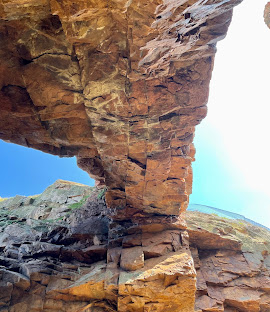
For my first photoshoot, I focused on stone tools and flint fragments discovered around La Cotte de St Brelade. This site is one of the most important prehistoric locations on the island believed to be an ancient hunting ground it has provided evidence of early human activity dating back thousands of years. In these photographs, I concentrated on close-up compositions that highlight the texture, sharp edges and craftsmanship of the flints, emphasising how early humans skilfully shaped natural materials into functional tools.
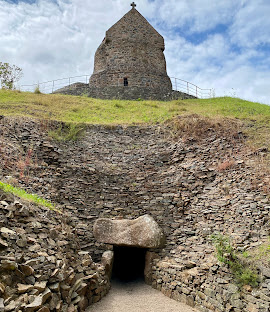
My second photoshoot explored prehistoric monuments such as dolmens, including structures like La Pouquelaye de Faldouet and the Neolithic passage grave at La Hougue Bie. These large stone burial monuments reflect the beliefs and rituals of Neolithic communities. In these images I experimented with wider compositions to show the scale of the stones within the surrounding environment, highlighting the connection between people, landscape and history.
Throughout this project I aim to capture time by showing how these ancient sites and artefacts have survived for thousands of years. I will continue to photograph prehistoric locations across Jersey and experiment with lighting and editing techniques such as black and white imagery to emphasise texture and age. Overall, my goal is to create a photographic series that visually communicates the origins of human life in Jersey and the lasting legacy of its Neolithic history.
I will use the website www.prehistoric.net to find all of my locations easily. The website also comes with a bit of a description about them
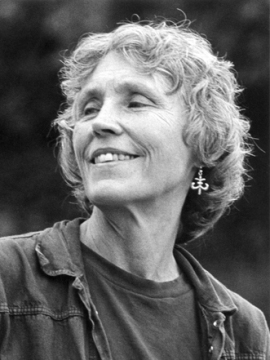
One photographer who has influenced my project is Fay Godwin, a British photographer known for documenting landscapes and historic sites across the United Kingdom. Godwin often photographed ancient locations/stone structures capturing the relationship in history of the land altered by human presence. Her work consistently explores how historical landmarks and prehistoric monuments exist within the natural environment.
Fay was born in Berlin. Her father was a British diplomat and her mother an American painter. She was educated at nine schools and, in the 1950s, after working for a travel company, she went into publishing. In 1961, she married Tony Godwin, of Penguin Books.
In her photographs Godwin commonly used black and white filters which emphasises the texture and structure of the landscape. This technique helps highlight the age and permanence of the historic sites, making ancient stones and monuments appear more dramatic and timeless. Her compositions often include wide landscapes with strong foreground elements, allowing viewers to see how historic structures are positioned within the surrounding land.
This approach is relevant to my project exploring the origins of human activity in Jersey, particularly when photographing prehistoric monuments such as the dolmens at La Pouquelaye de Faldouet and the passage grave at La Hougue Bie. Like Godwin, I aim to show how these ancient structures fit in with the landscape and how they have remained in place for thousands of years.Inspired by Godwin’s work, I plan to experiment with black and white editing, strong contrasts lights and darks and wide landscape compositions to truly show the scale and historical significance of Jersey’s Neolithic sites
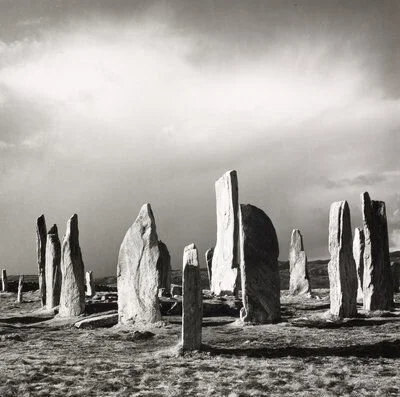
The image focuses on a group of large standing stones arranged in a circular formation. These stones date back to the Neolithic time period and were likely used for ritual purposes however astronomical observation or just casual gatherings were also possible. The photograph emphasises the mystery and ancient origins of human civilisation, which links strongly to themes of heritage and the relationship between humans and the landscape.
Composition
Godwin uses a wide framing that allows multiple stones to be visible across the image. The tallest stone sits slightly off-centre, acting as a visual anchor that draws the viewer’s attention in first. The surrounding stones create a natural circular rhythm guiding the viewer’s eye around the image. The low camera angle makes the stones appear monumental and powerful, reinforcing their historical importance.
Lighting
The dramatic sky and strong contrast between light and shadow create a moody and atmospheric scene. The clouds appear heavy and textured, which adds tension and emphasises the harsh environment in which these stones have stood for thousands of years. The lighting highlights the rough surfaces of the stones, enhancing their texture and age.
Texture
Because the photograph is monochrome, the viewer focuses more on form and texture rather than colour. The weathered surfaces of the stones show erosion and time, symbolising endurance and the passage of history.
Context and Connection to Origins
Images like this explore humanity’s earliest attempts to shape the environment and create places of meaning. This relates well to my project about prehistoric cultures and origins in jersey as we have sites such as La Cotte de St Brelade, where early humans lived and used stone tools.
Overall the photograph creates a sense of timelessness and mystery. The stones stand strongly against the sky, encouraging the viewer to reflect on the origins of civilisation.

:focal(1854x1307:1855x1308)/https://tf-cmsv2-smithsonianmag-media.s3.amazonaws.com/filer_public/9c/35/9c3513e4-e872-4889-9d5f-bdd468b36f62/gettyimages-1409545563.jpg)