All posts by A 1001

Filters

Author:
Category:

Madeira/ Portugal images

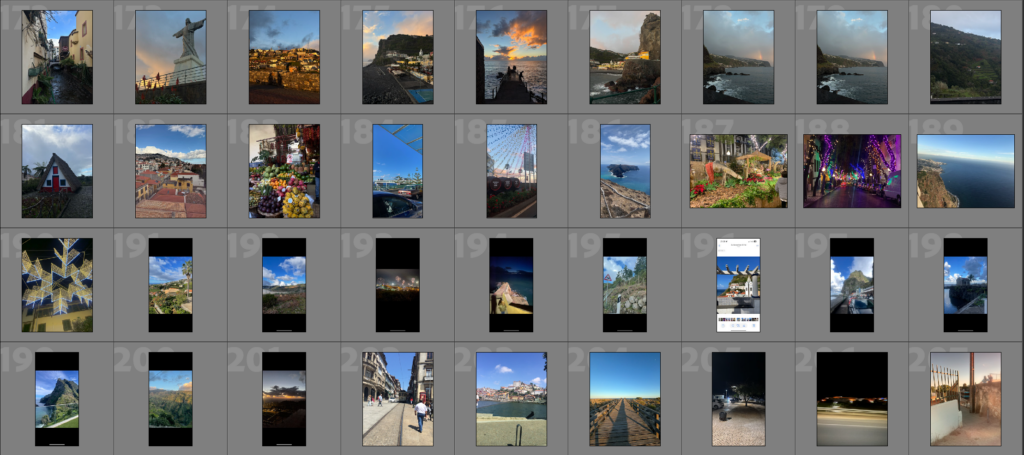
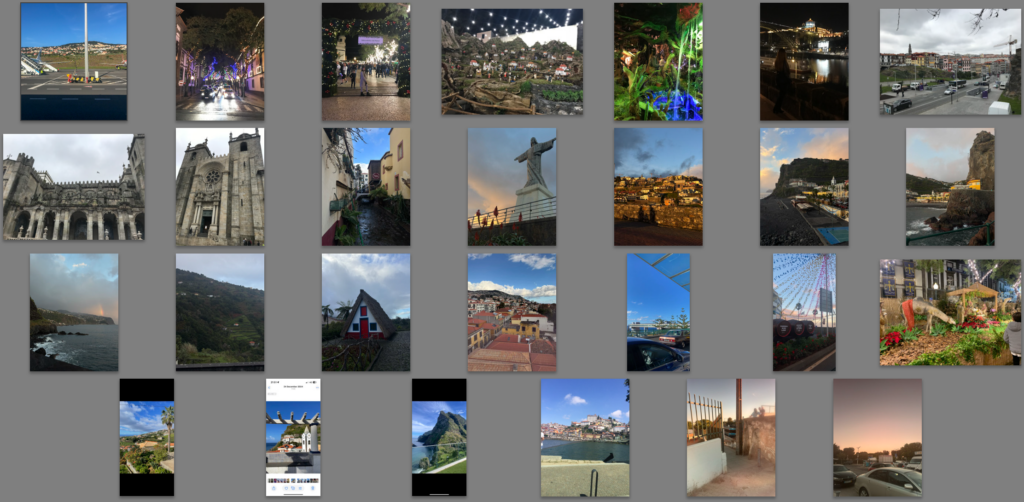
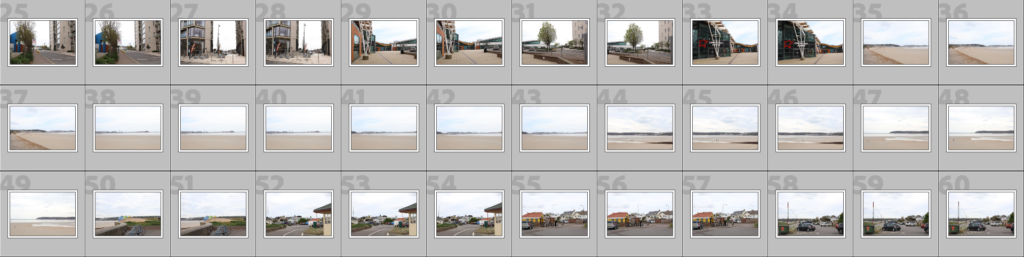
Contact Sheet

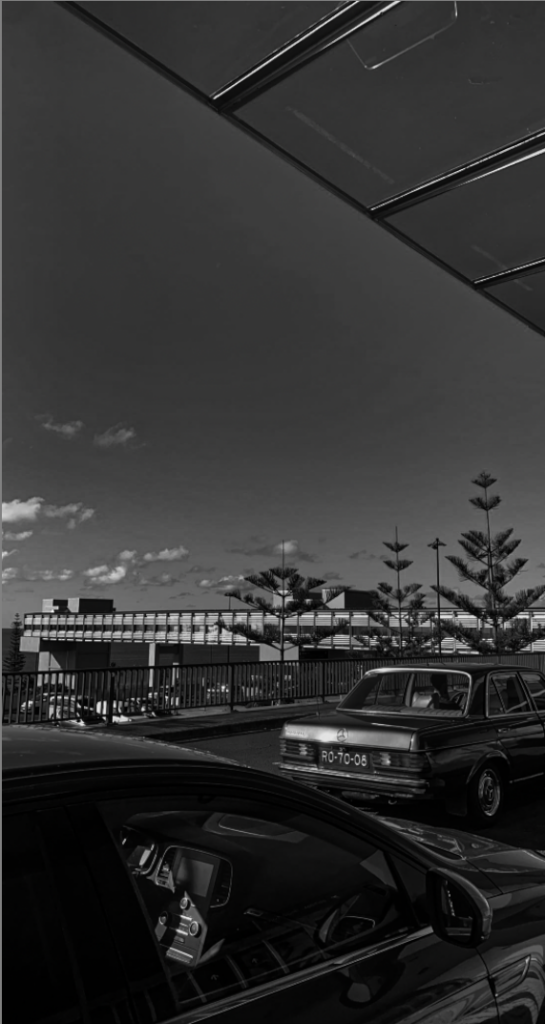
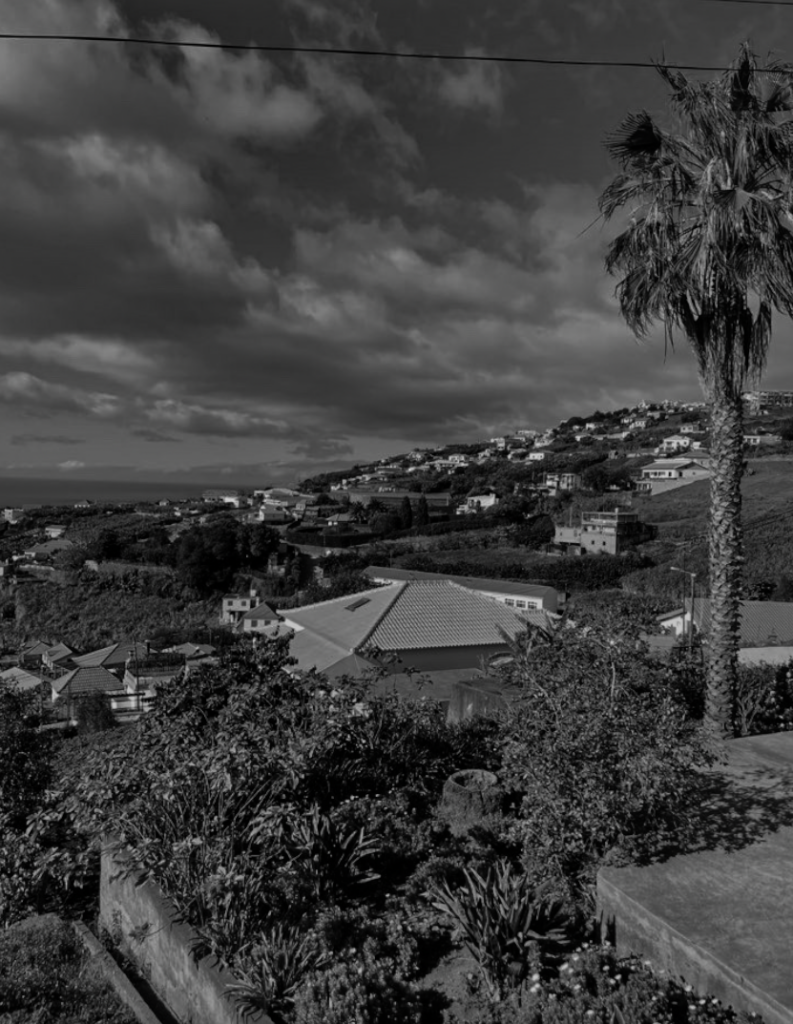
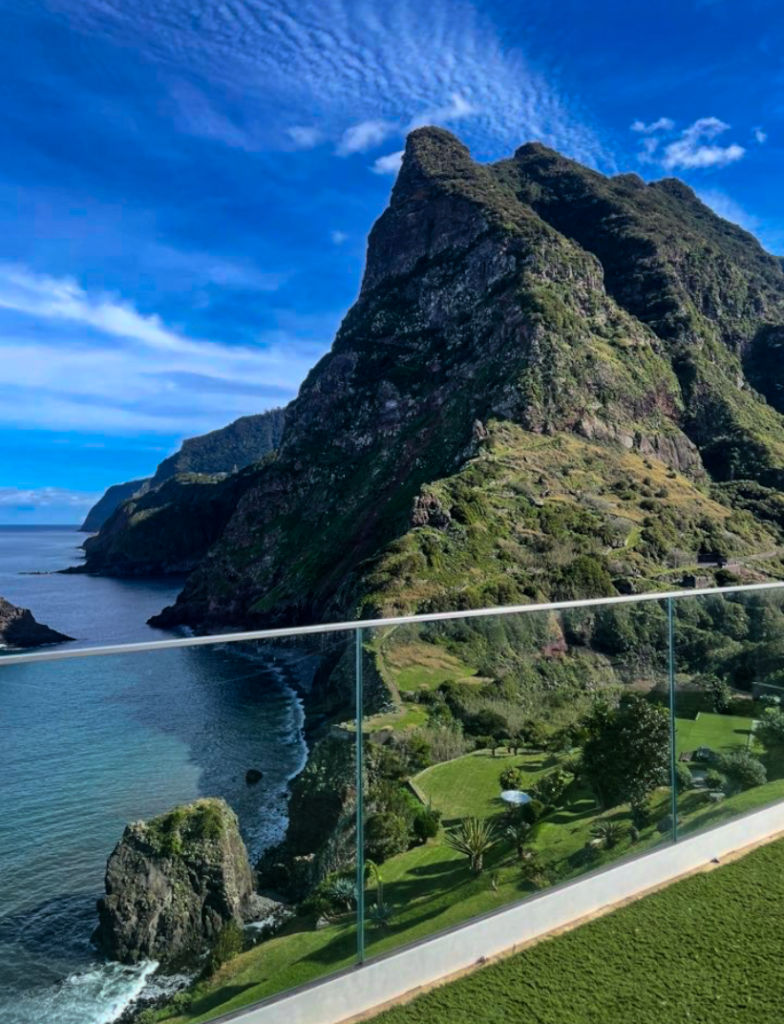
With all of these images, I did not take them with a proper camera, these were all taken on my iPhone and they are all memories from when I used to visit quite a lot.

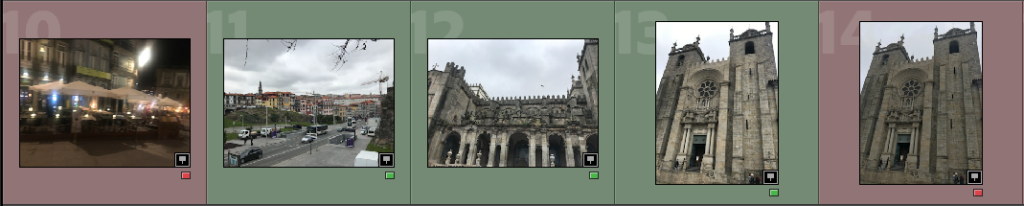
Selection Process

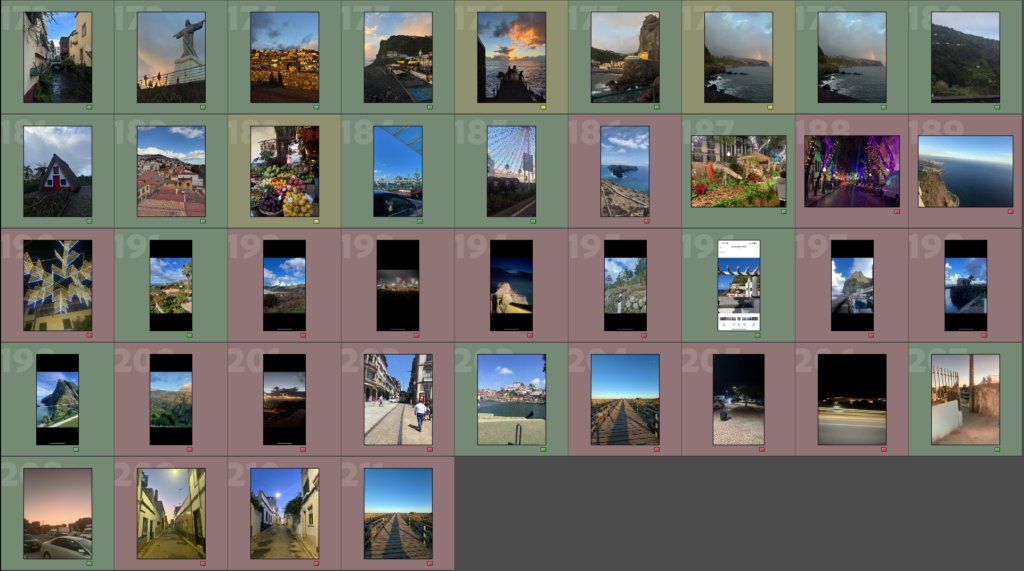
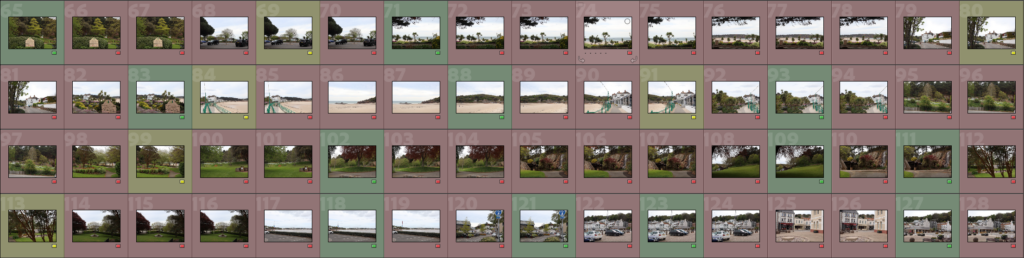
Green = Definitely using

Yellow = Maybe using

Red = Not using

Best Raw Images from here

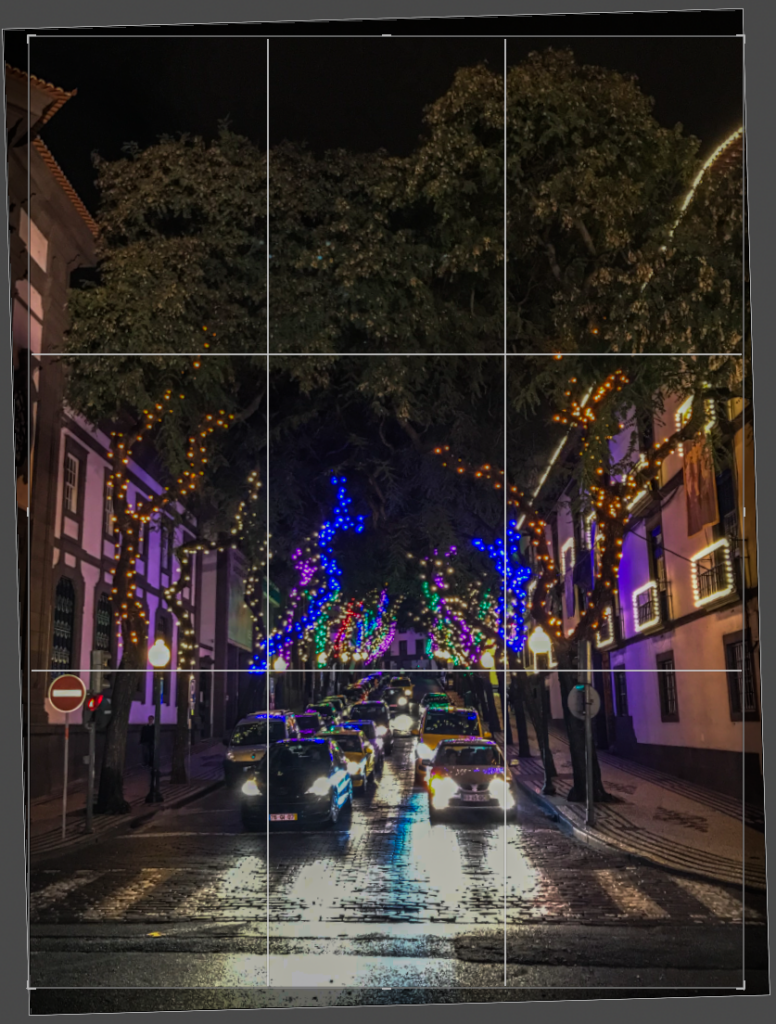
Basic Editing

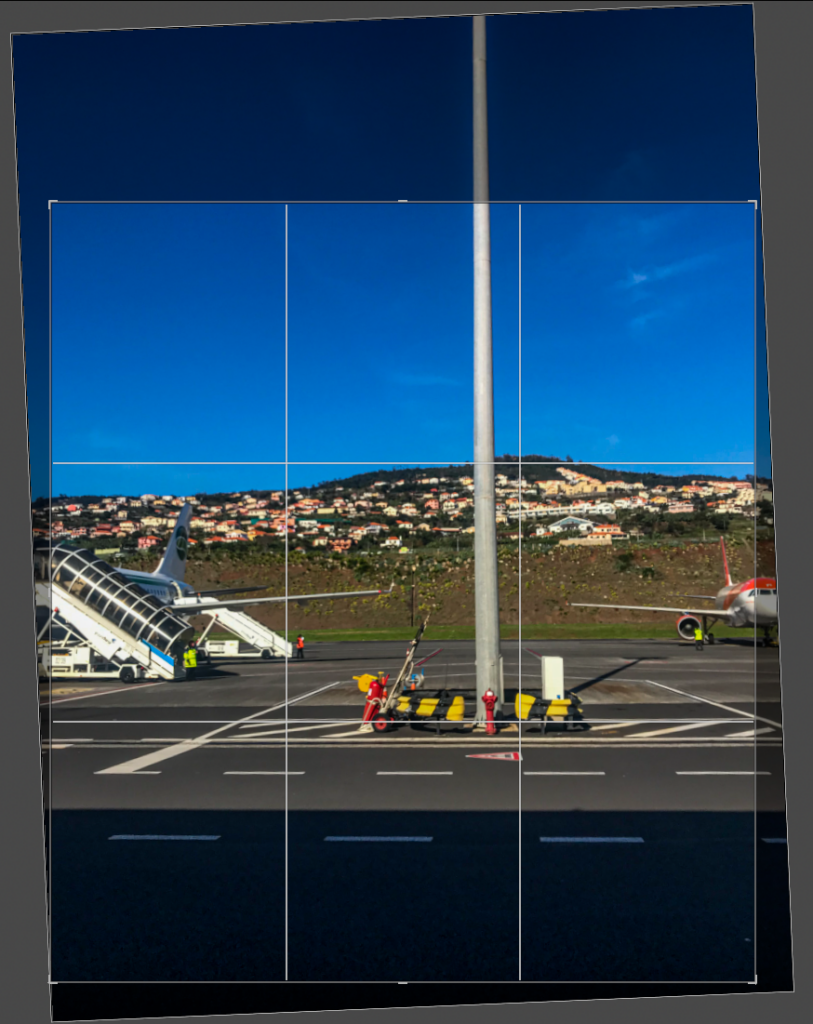
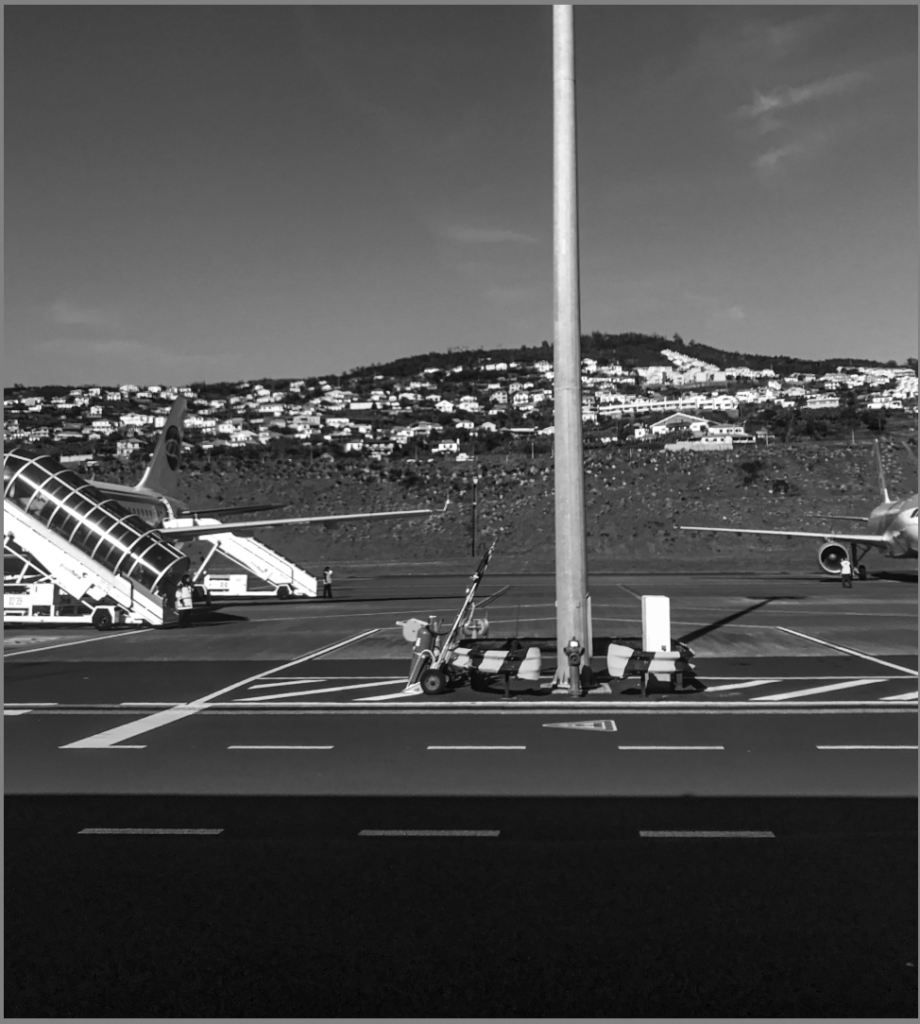
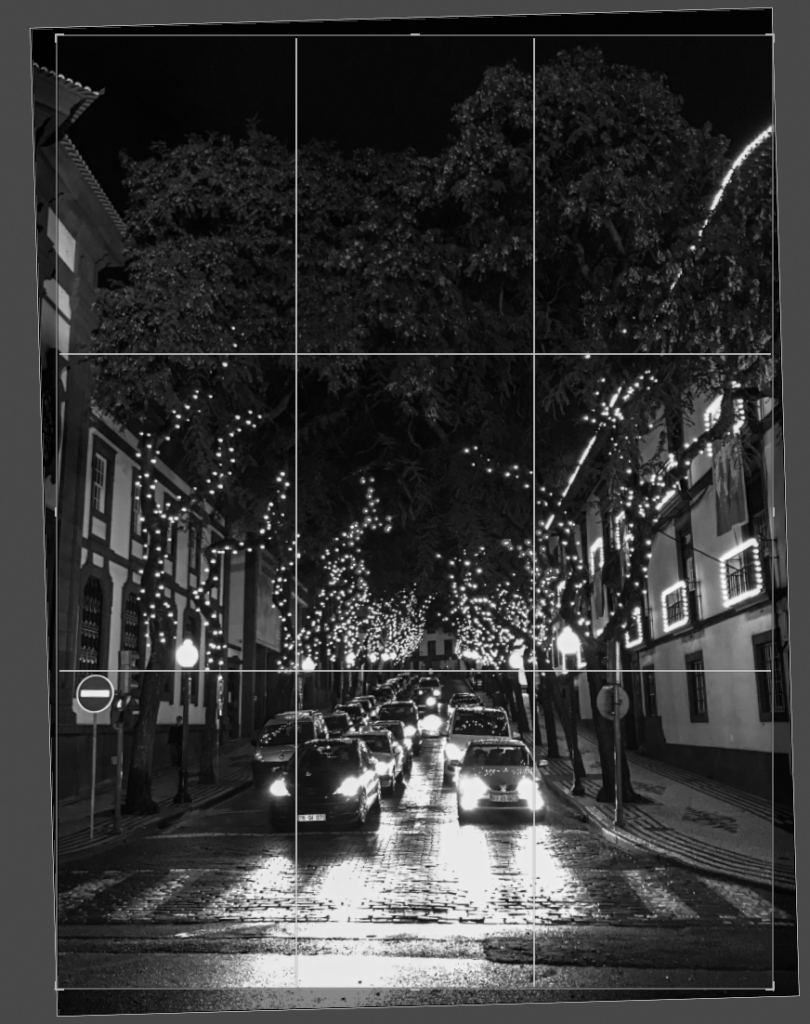
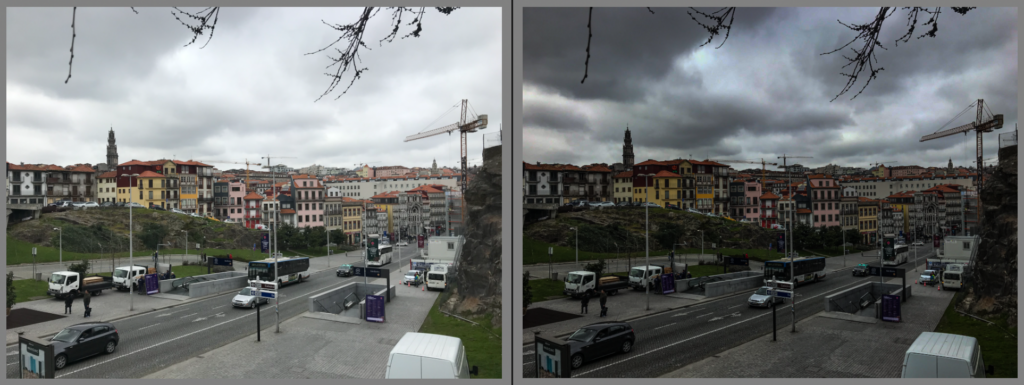
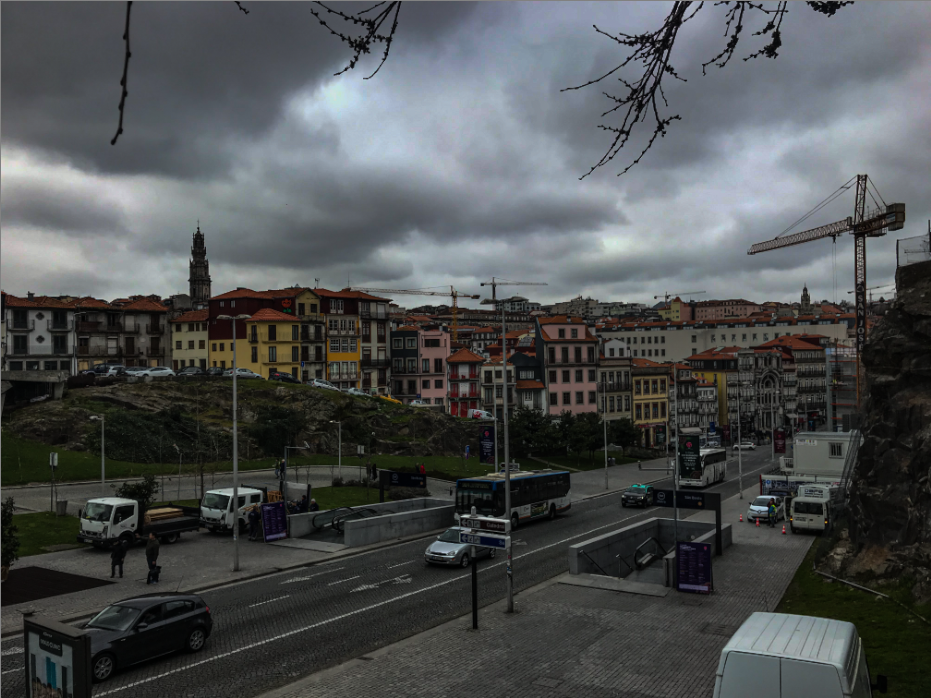
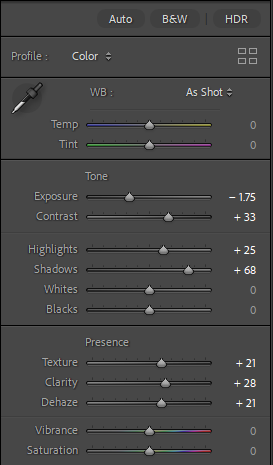
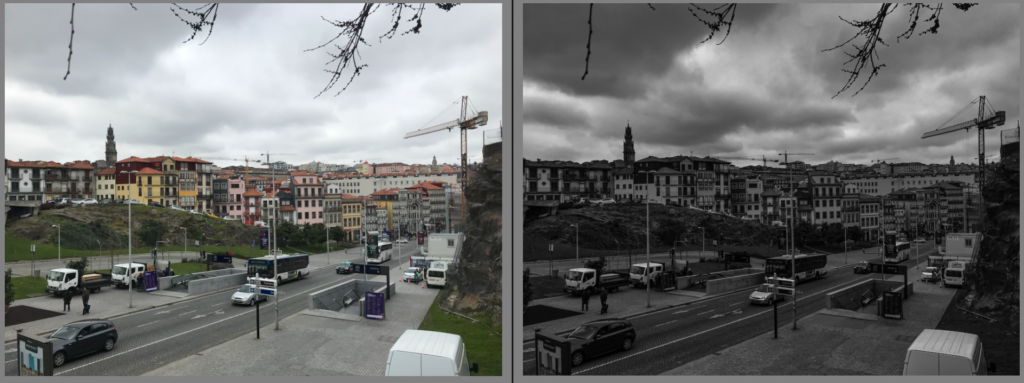
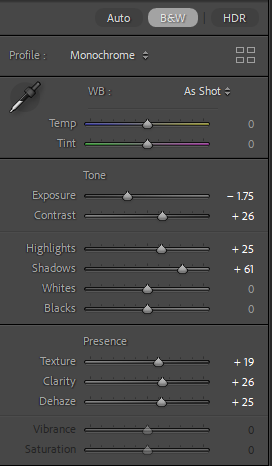
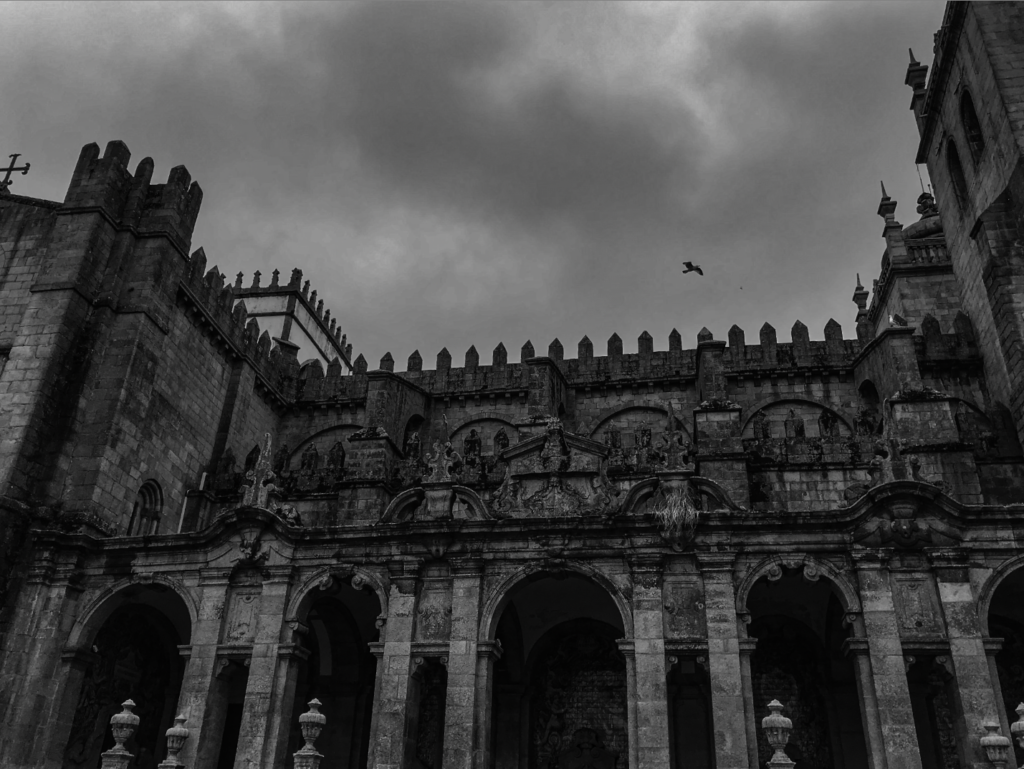
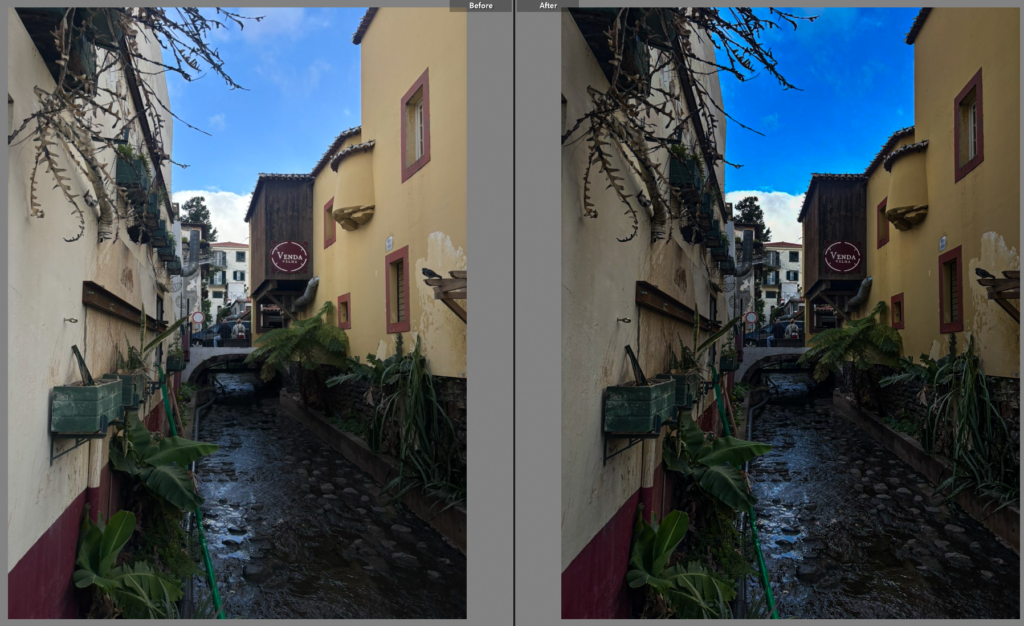
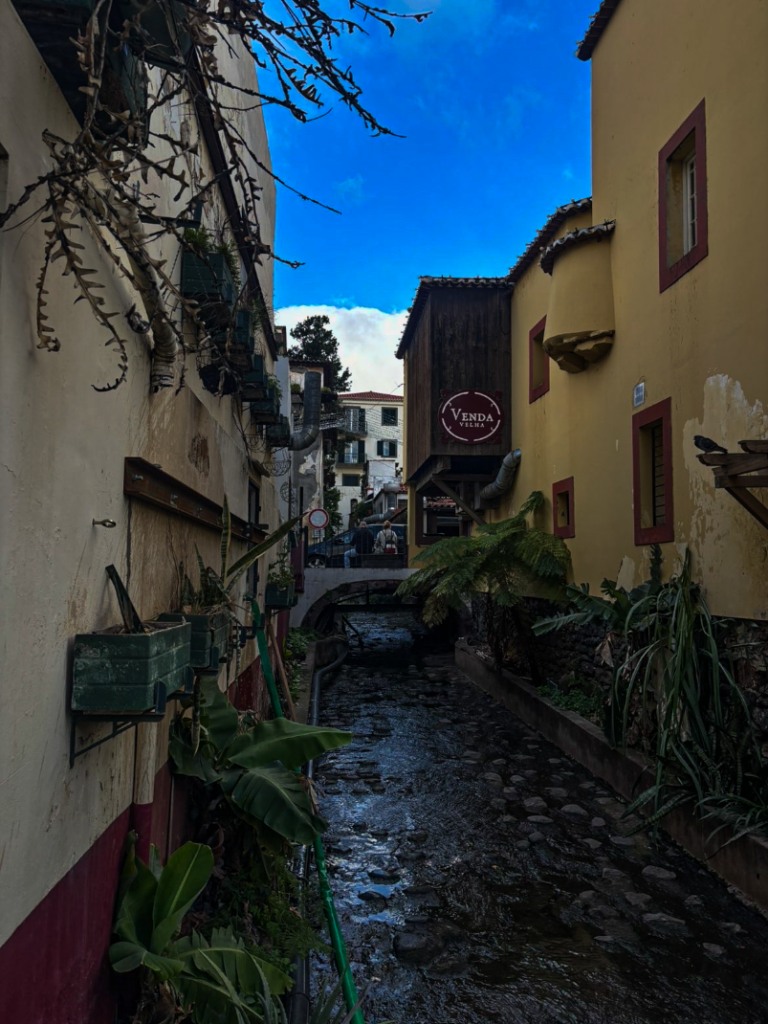
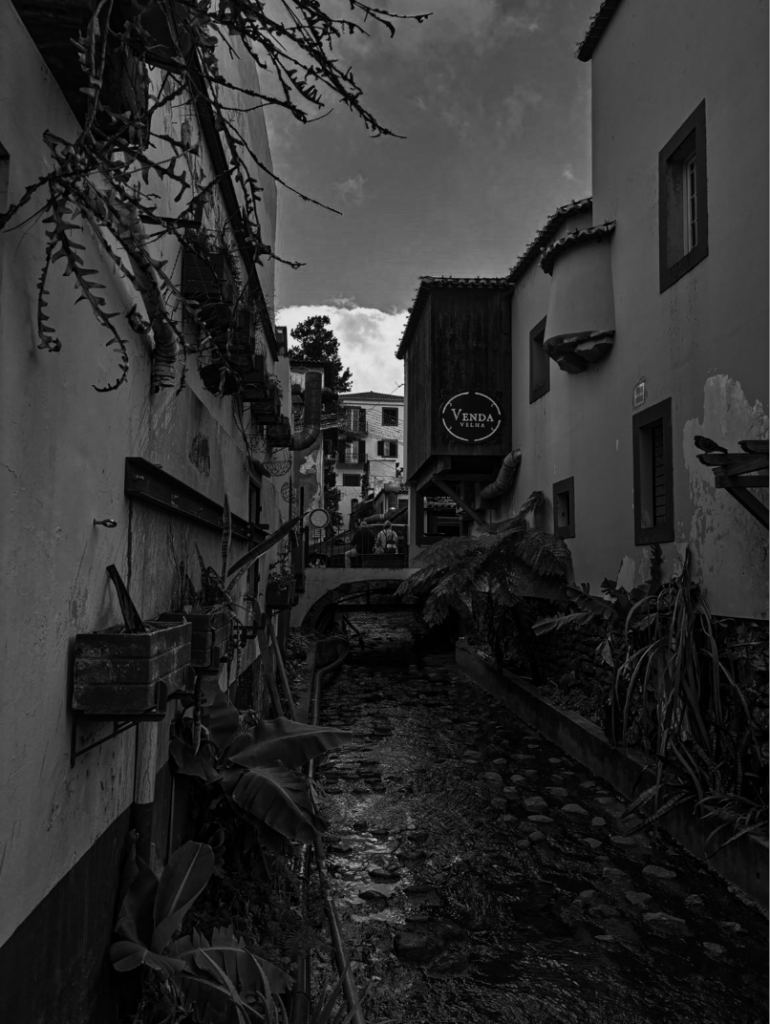
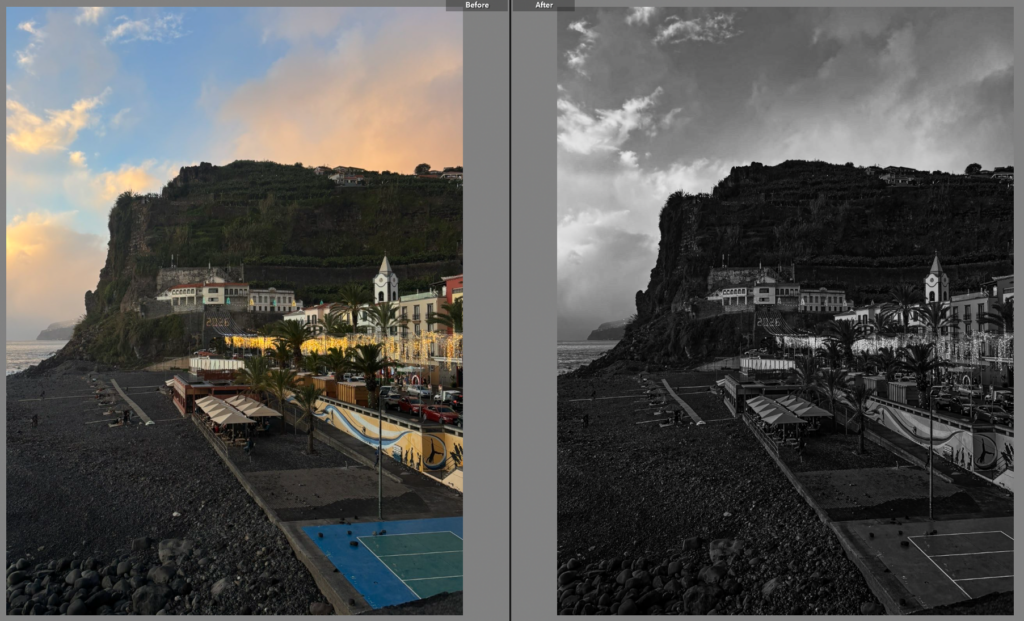
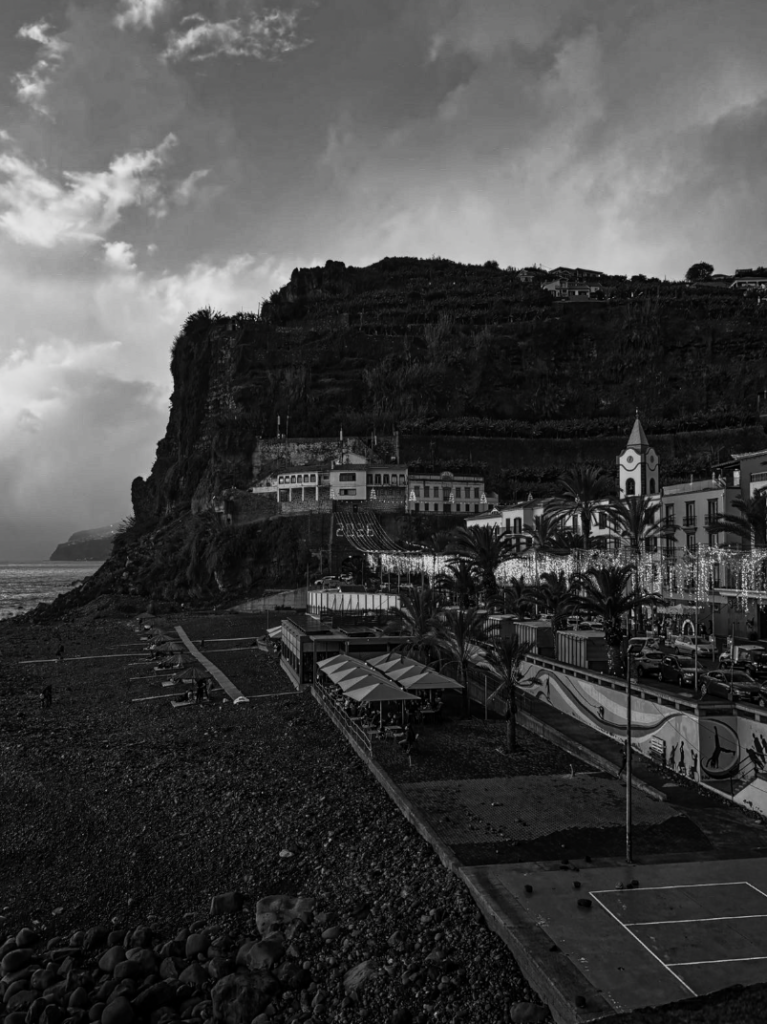
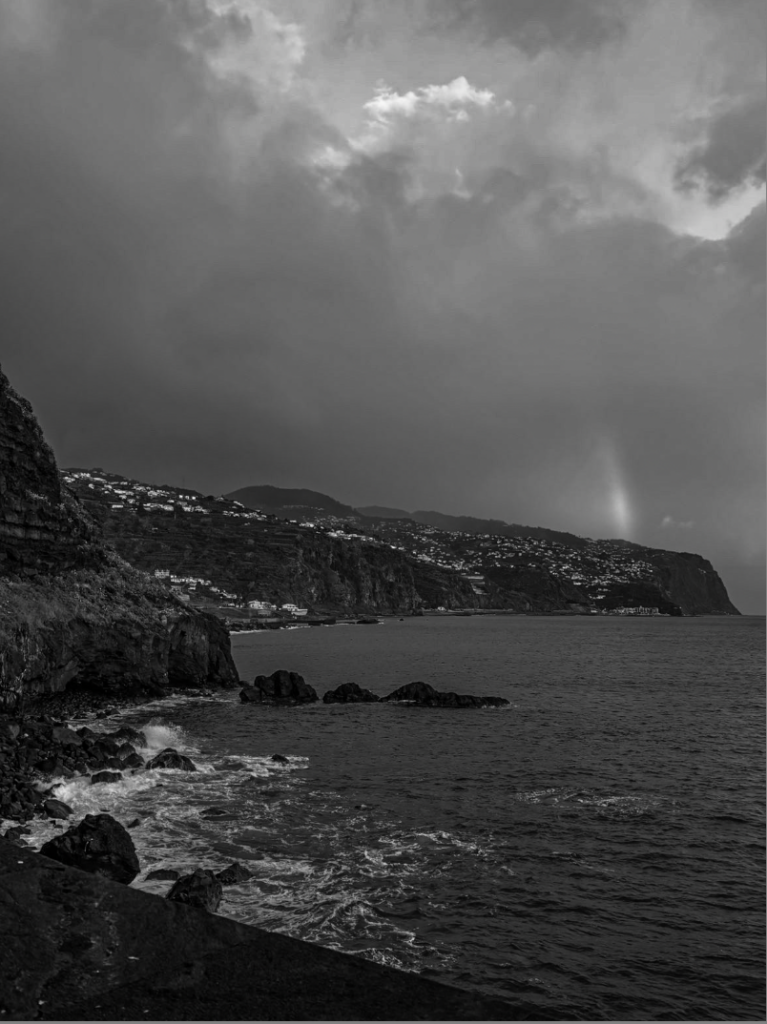
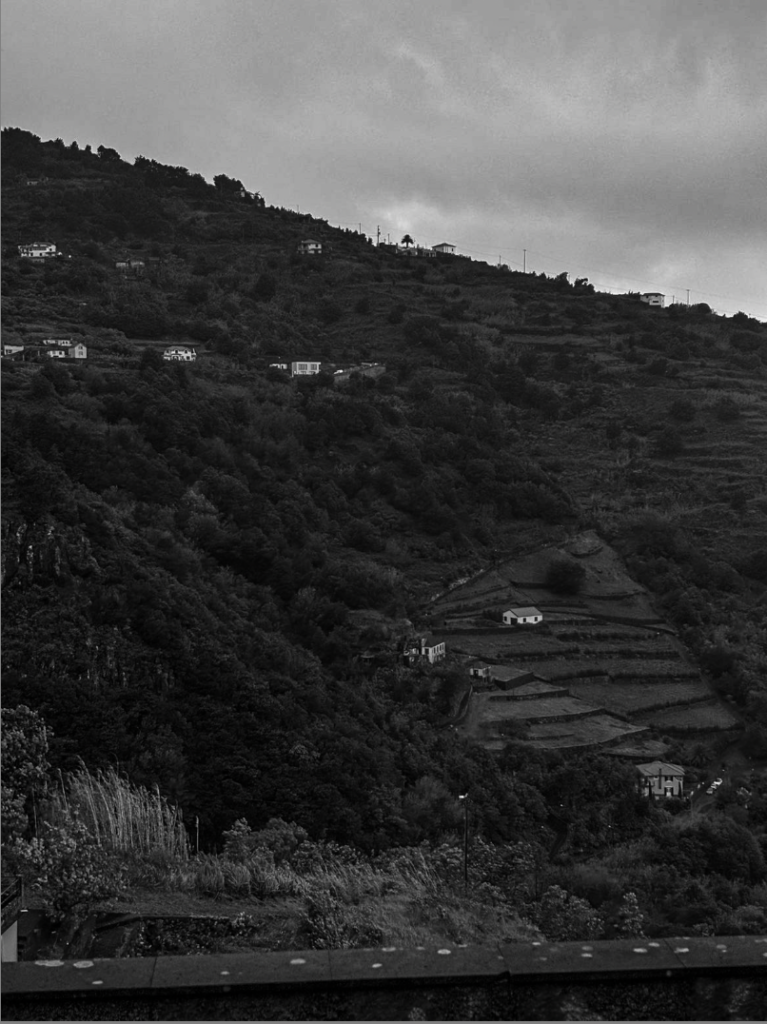
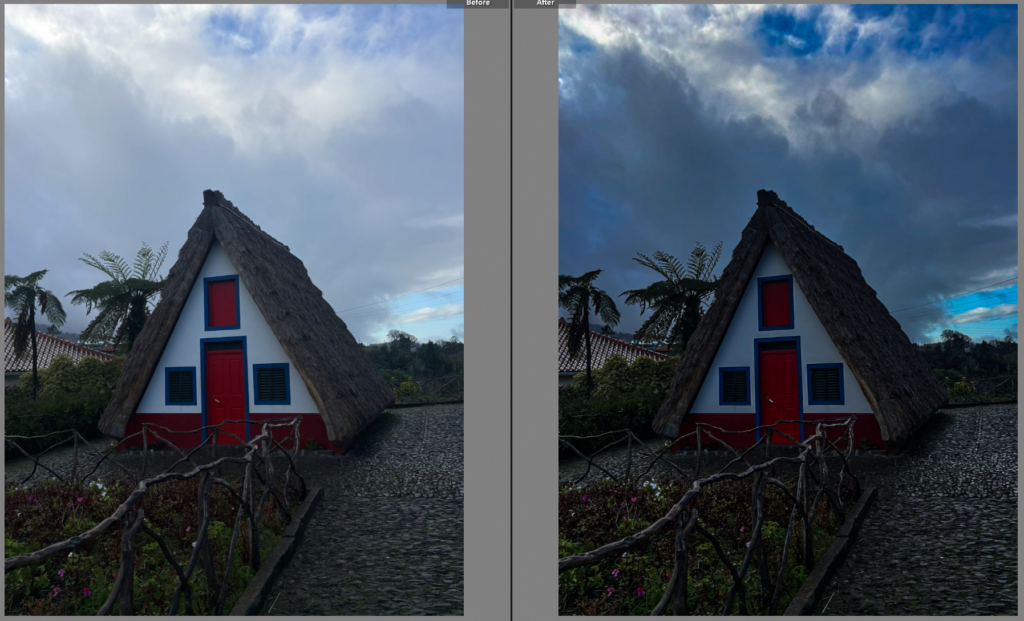
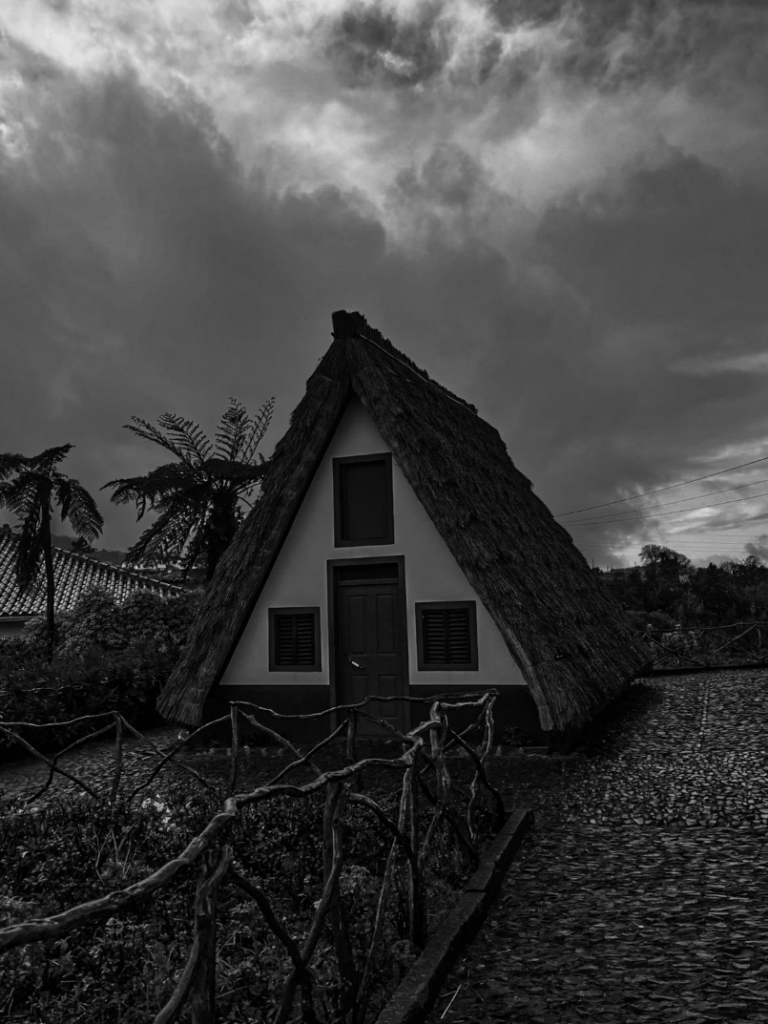
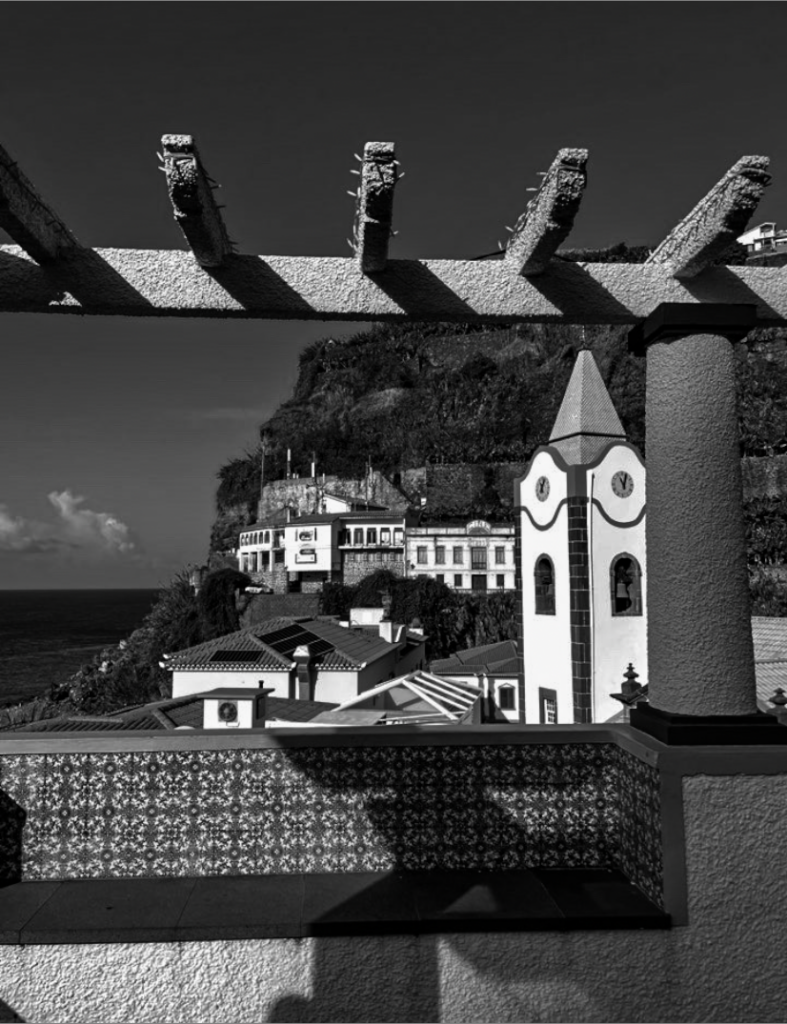
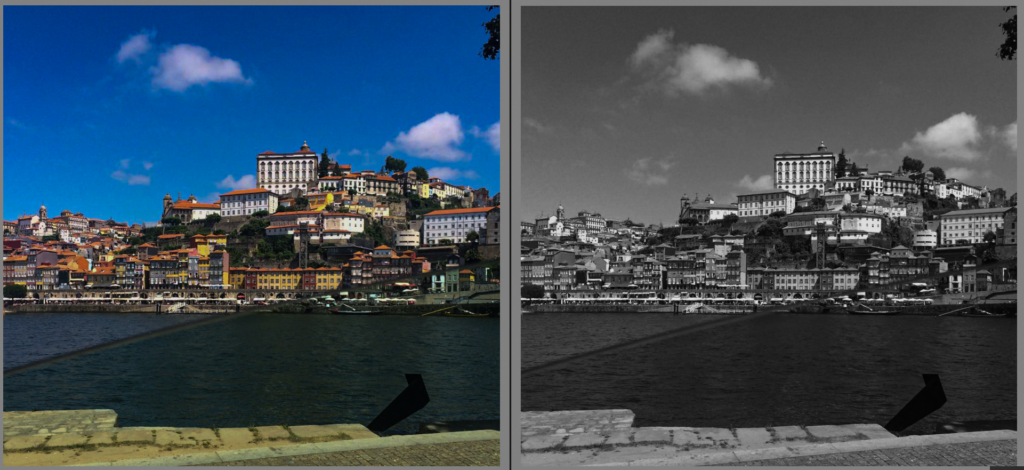
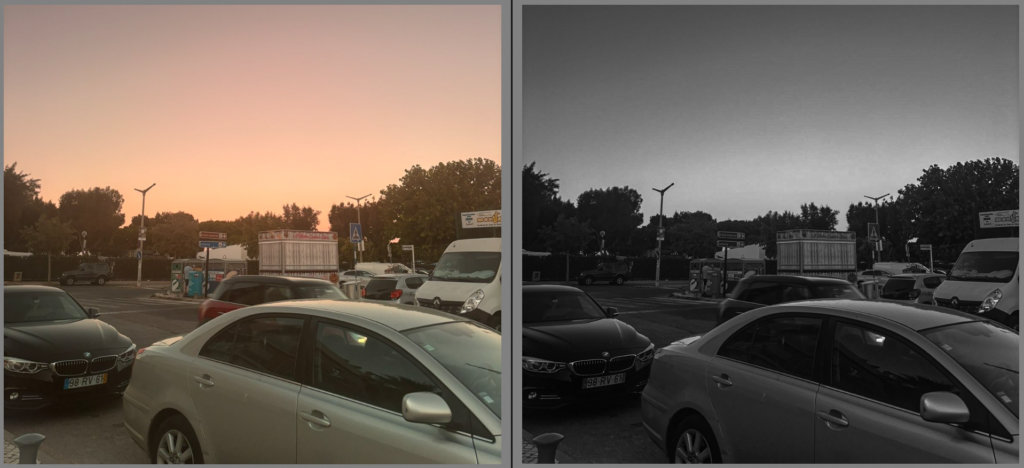
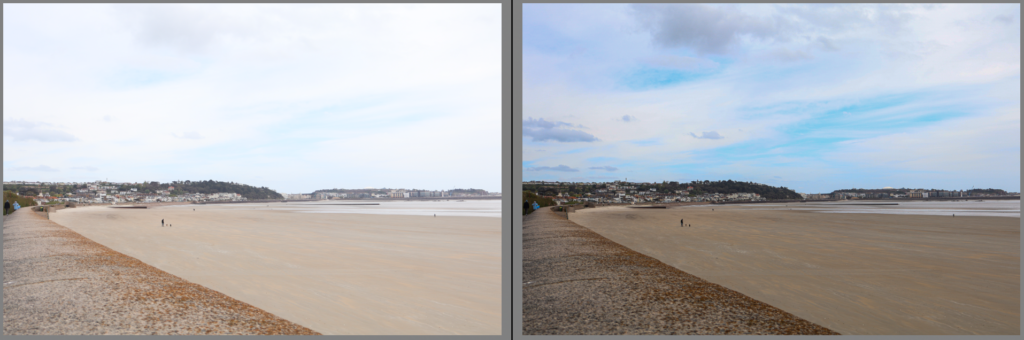
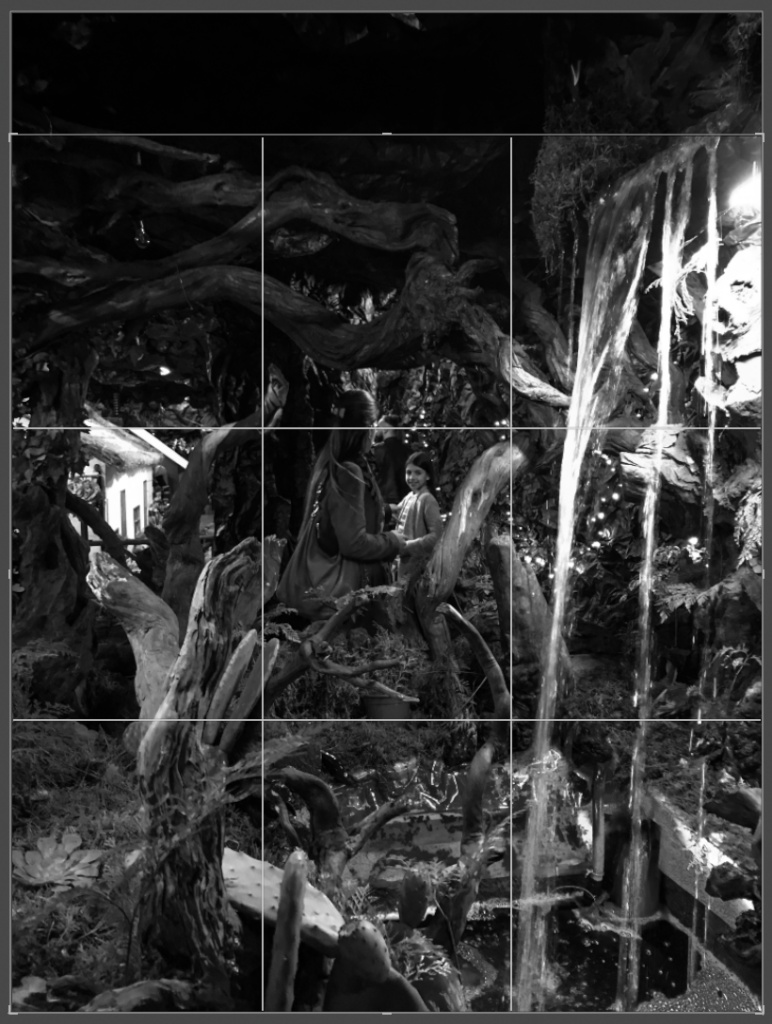
For these images, I have chosen to do each of them in colour and a copy in black and white so I can experiment with the overlaying later.

1.

2.

3.

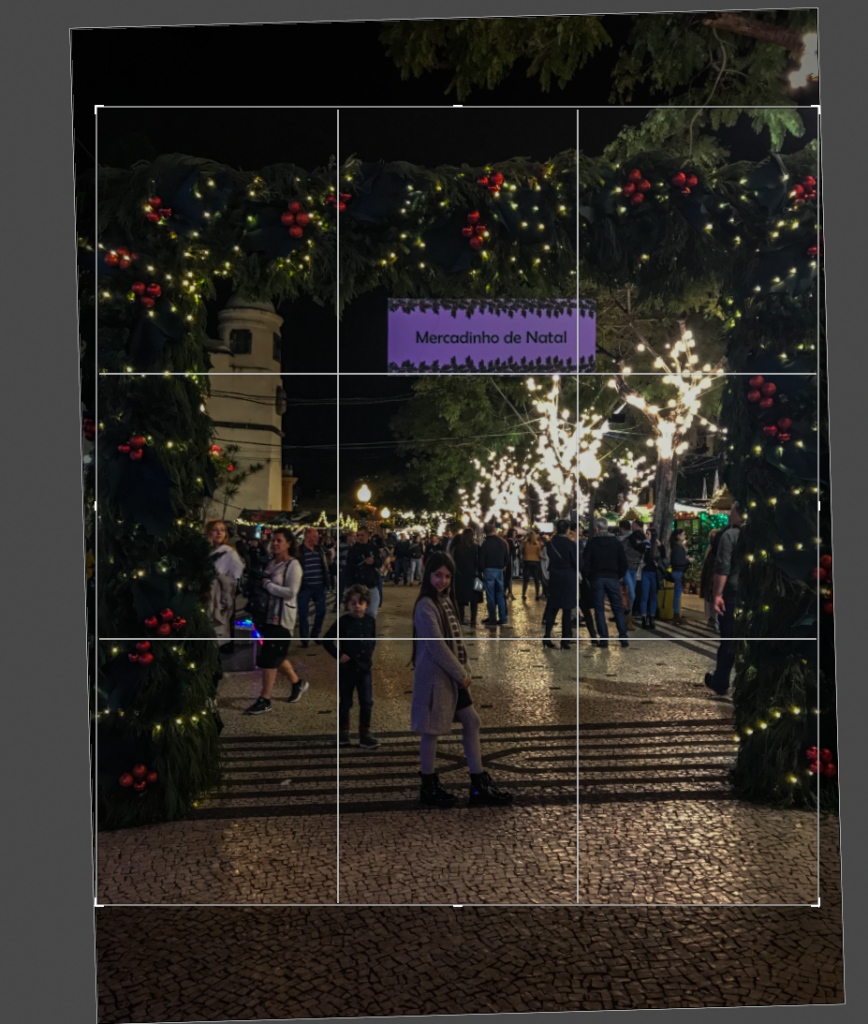
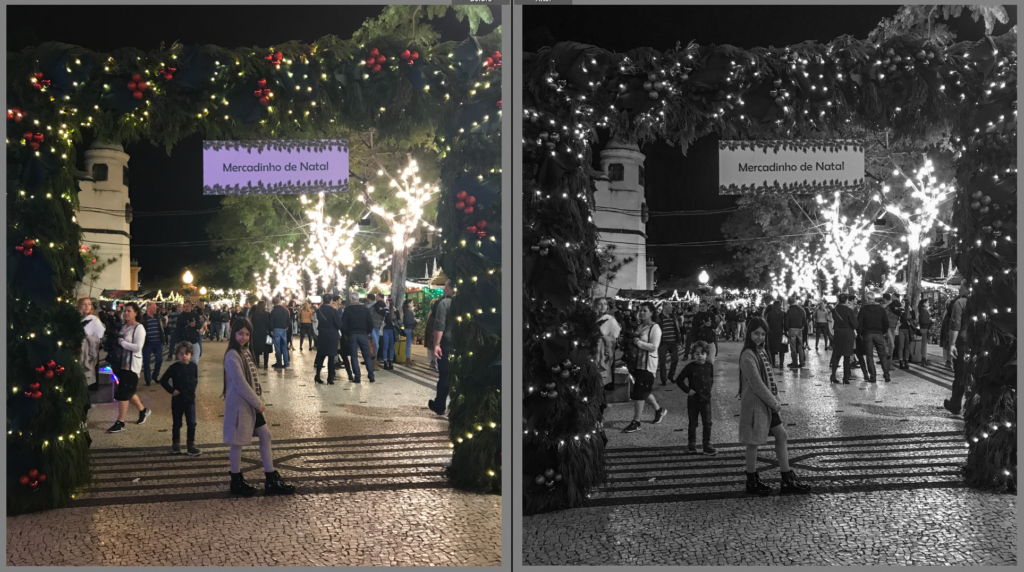
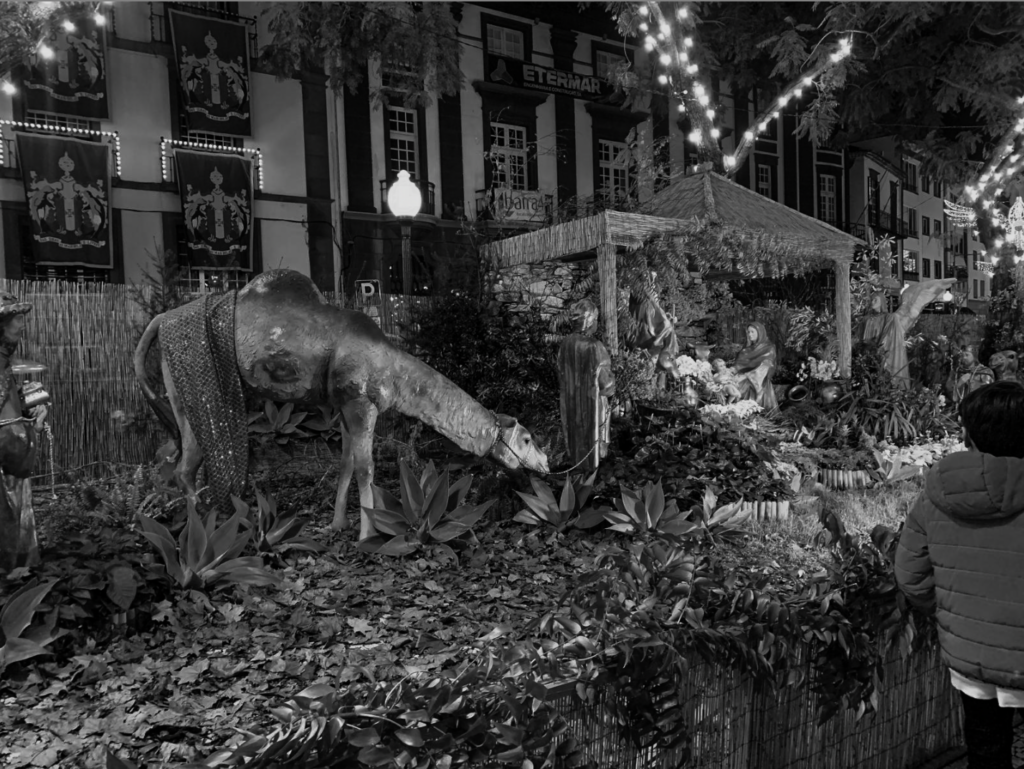
Mercadinho de Natal = Christmas Market

4.

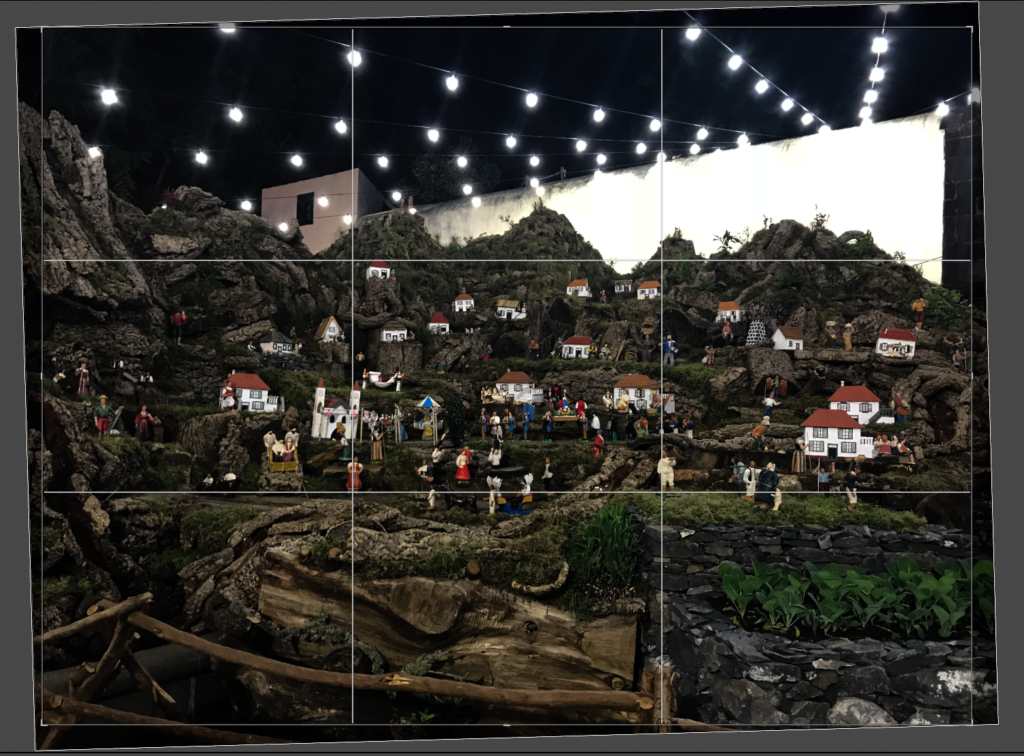
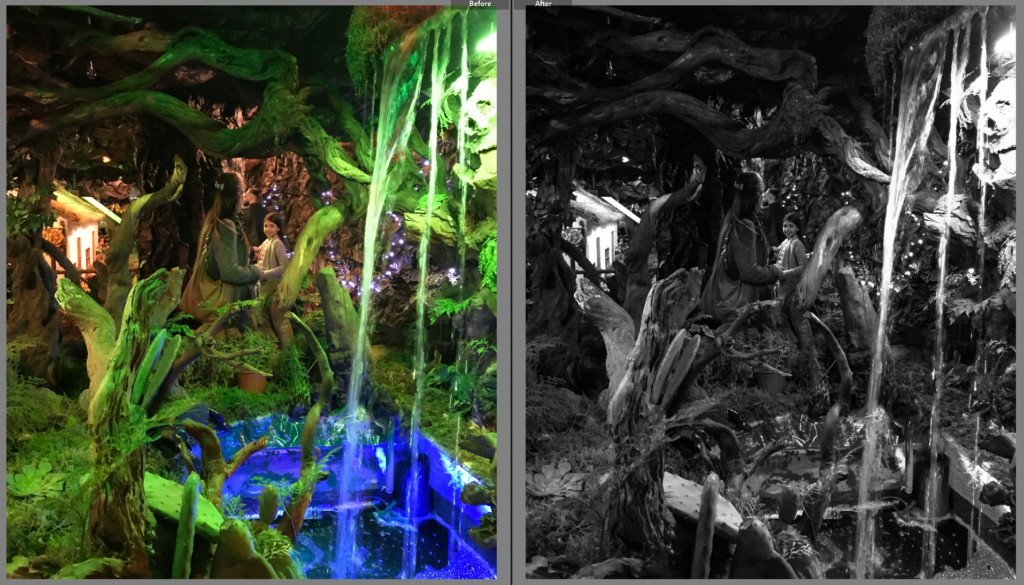
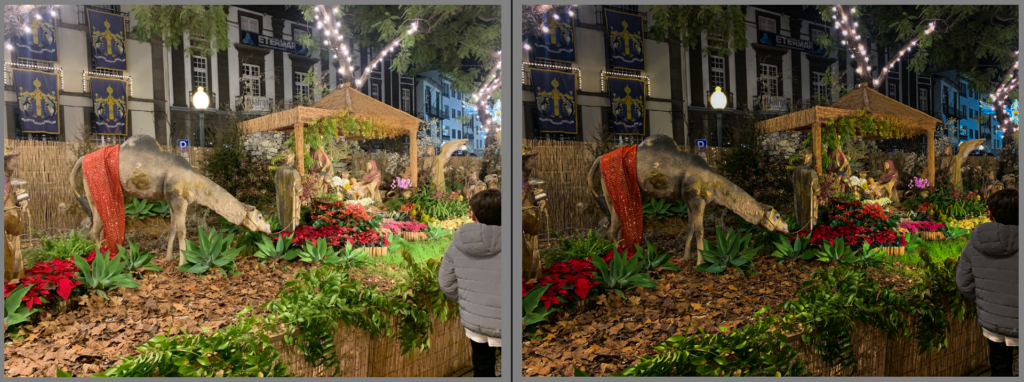
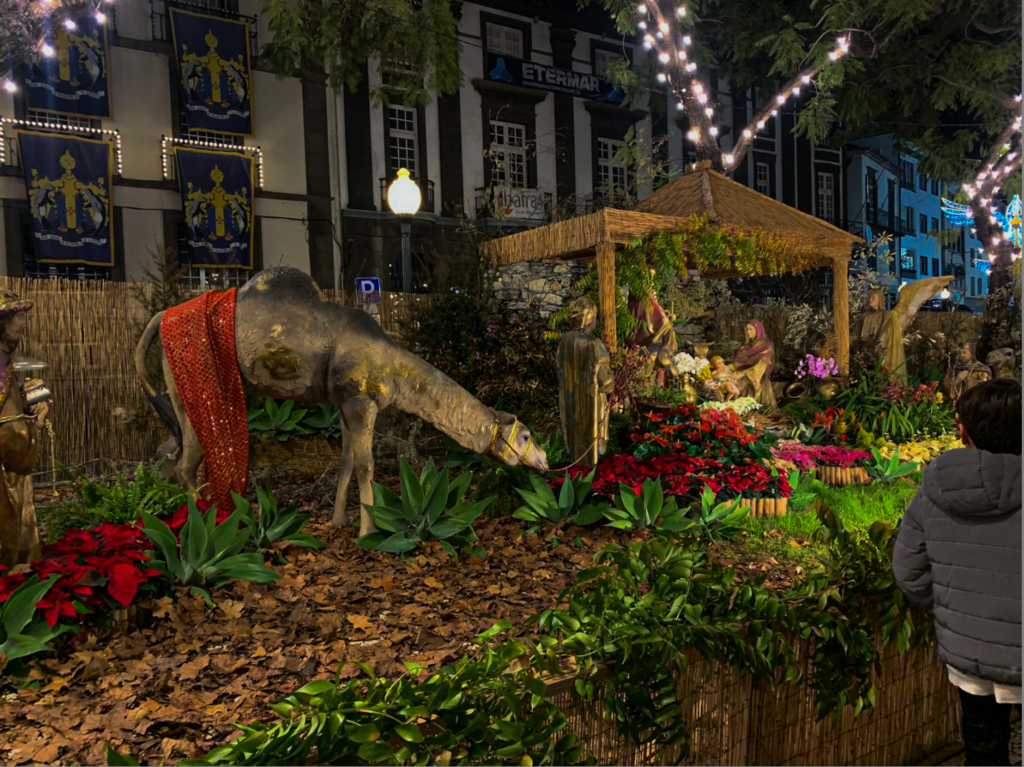
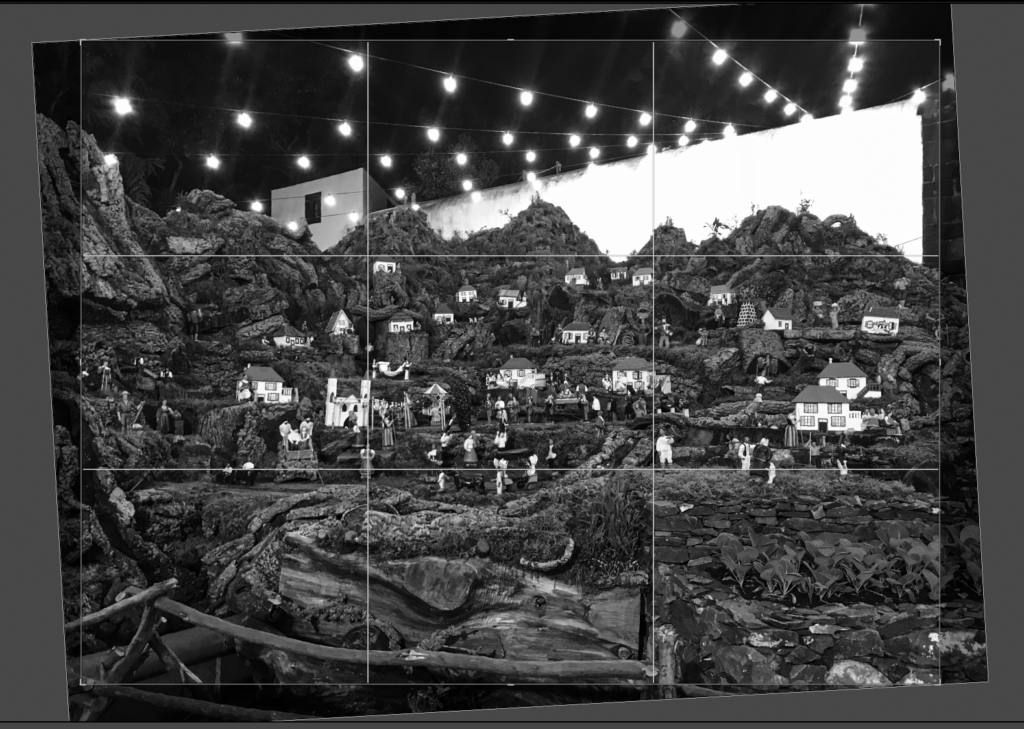
This is a ‘Presepio’. My grandma makes one every year for Christmas and she goes all out. It is basically a little space made normally with thick black paper, moss, wood, stones with ceramic houses and people made to represent Jesus’ birth. It is a very traditional thing for Portuguese people at Christmas. If you walk around Madeira or Portugal, at every Christmas Market, they will most likely have one.

5.

6.

7.

8.

9.

10.

11.

12.

13.

14.

15.

16.

17.

18.

19.

20.

21.

22.

23.

24.

25.

26.

27.

Photoshoot 3

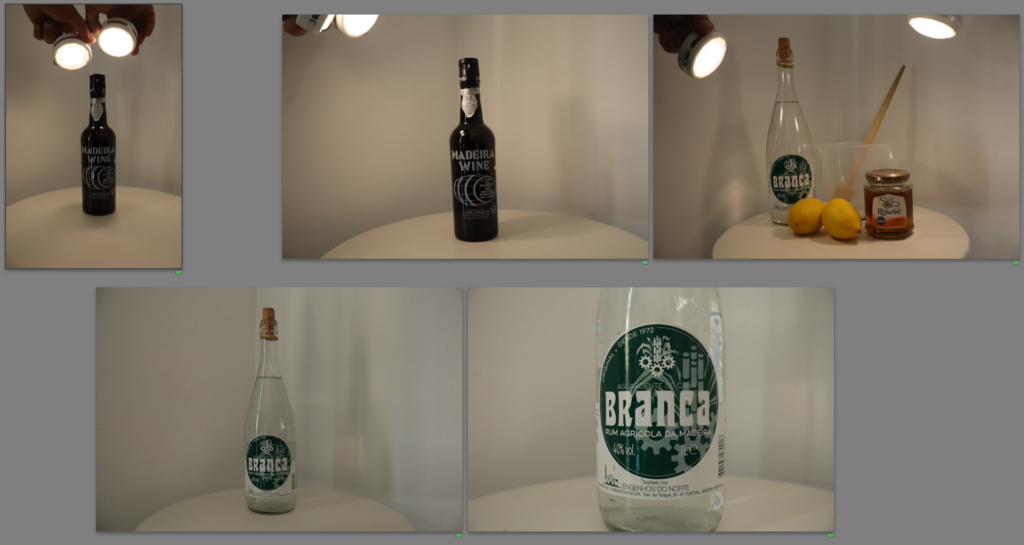
Objects

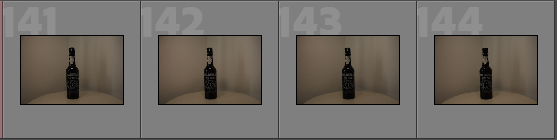
Contact Sheet

Selection Process

Green = Definitely using

Yellow = Maybe using

Red = Not using

Best Raw Images from photoshoot 3

Basic Editing

1.

2.

3.

4.

5.

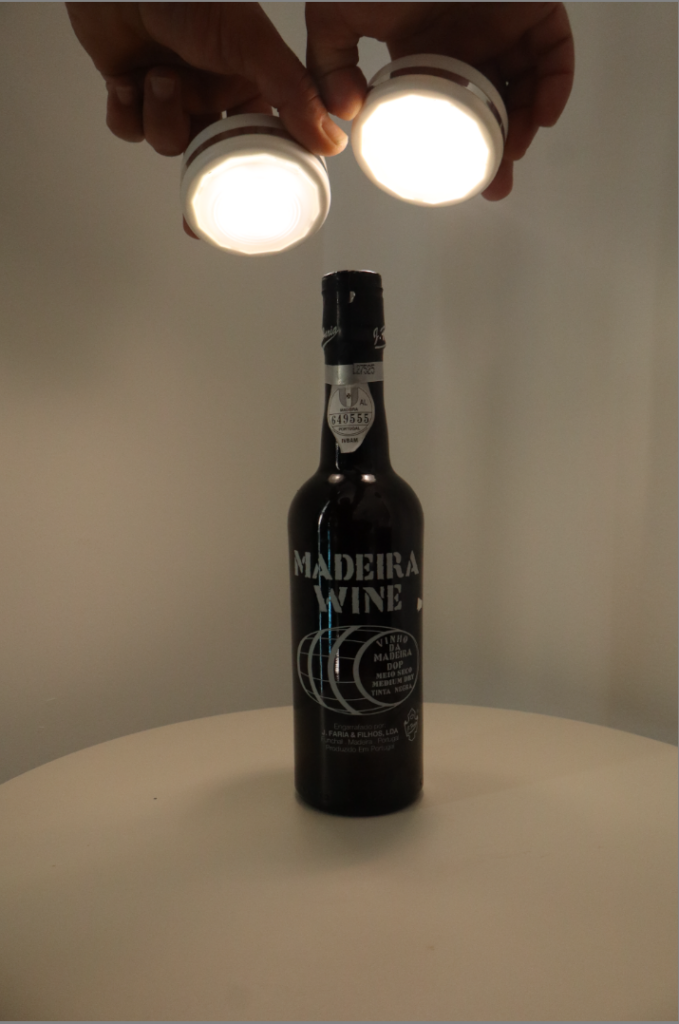
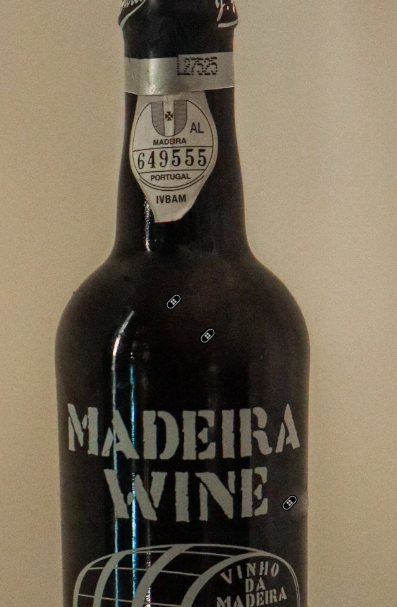
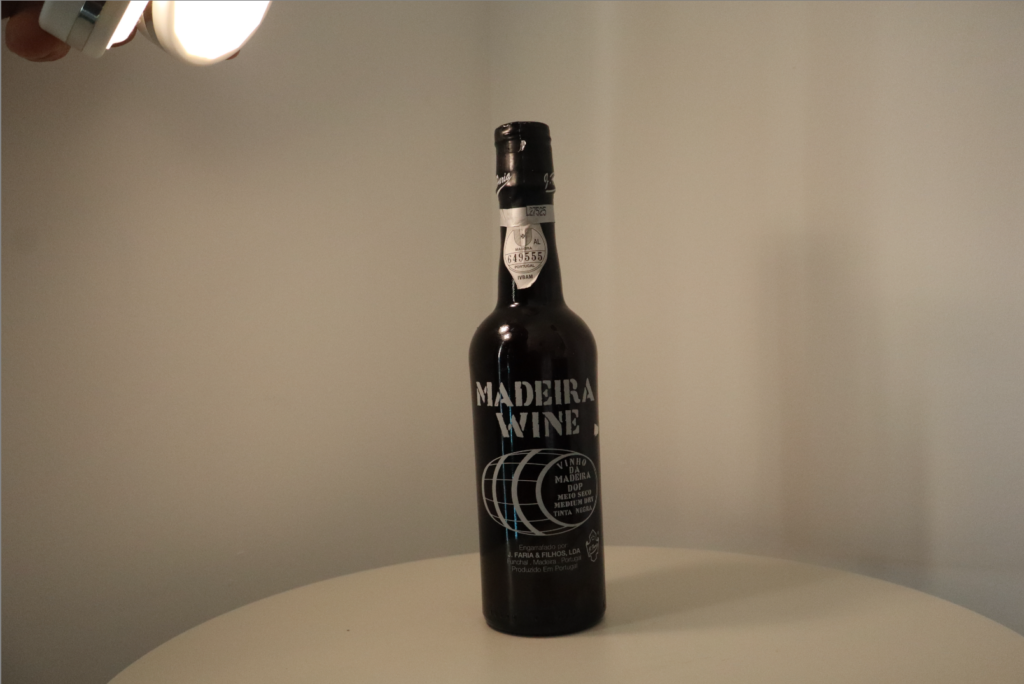
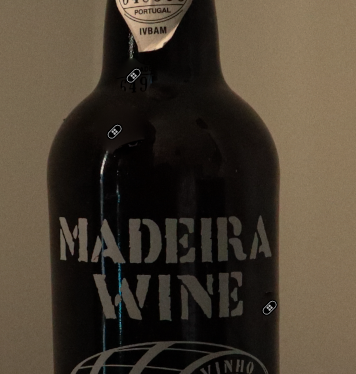
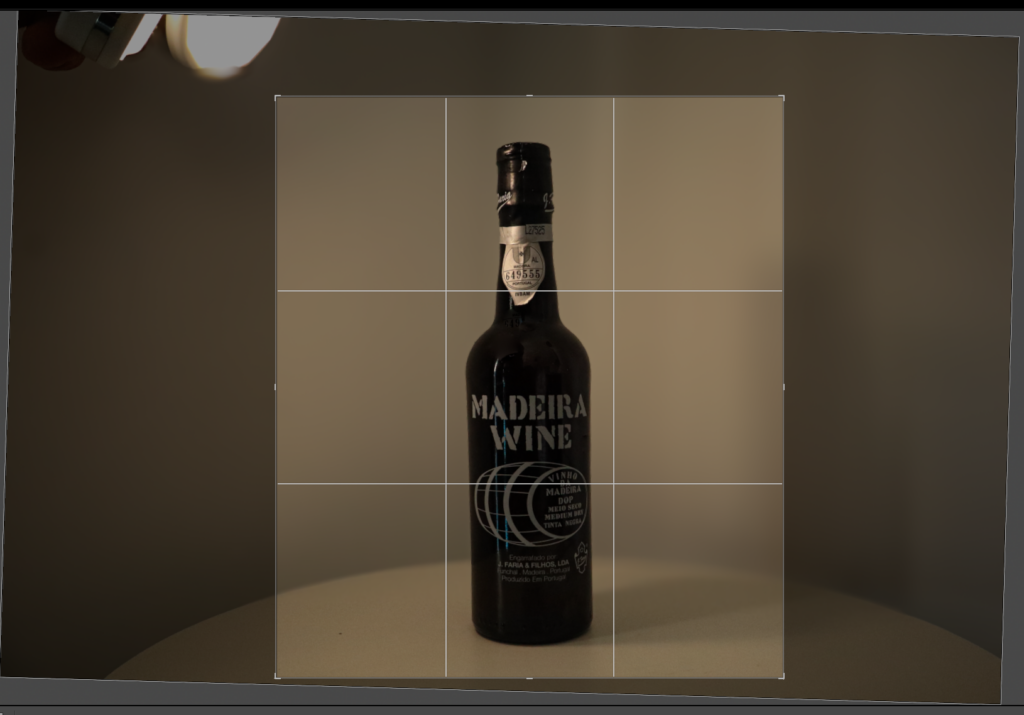
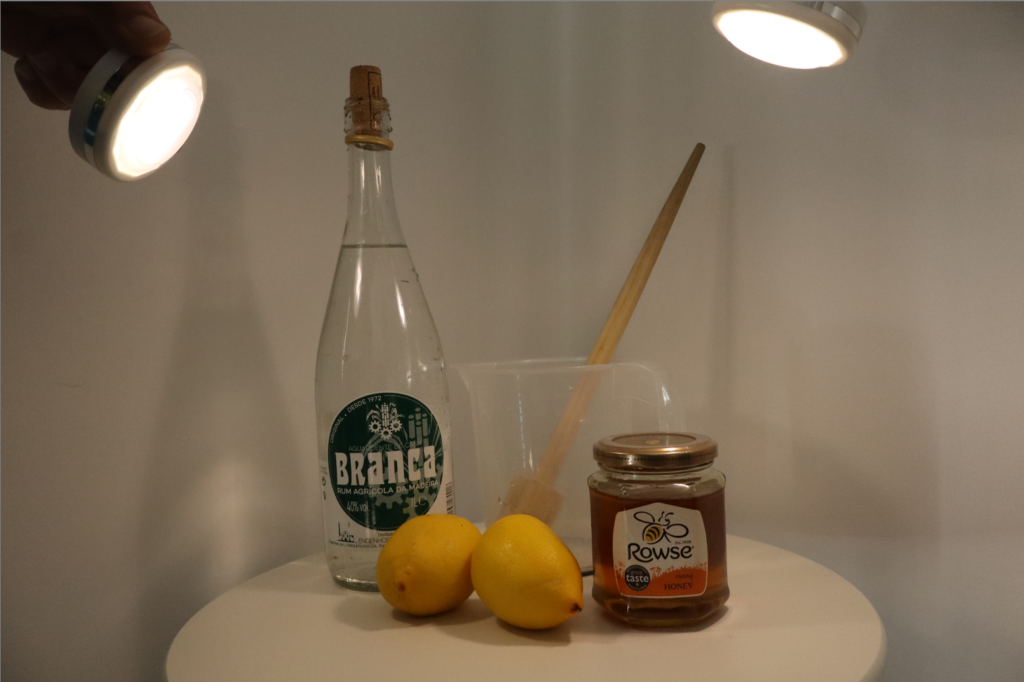
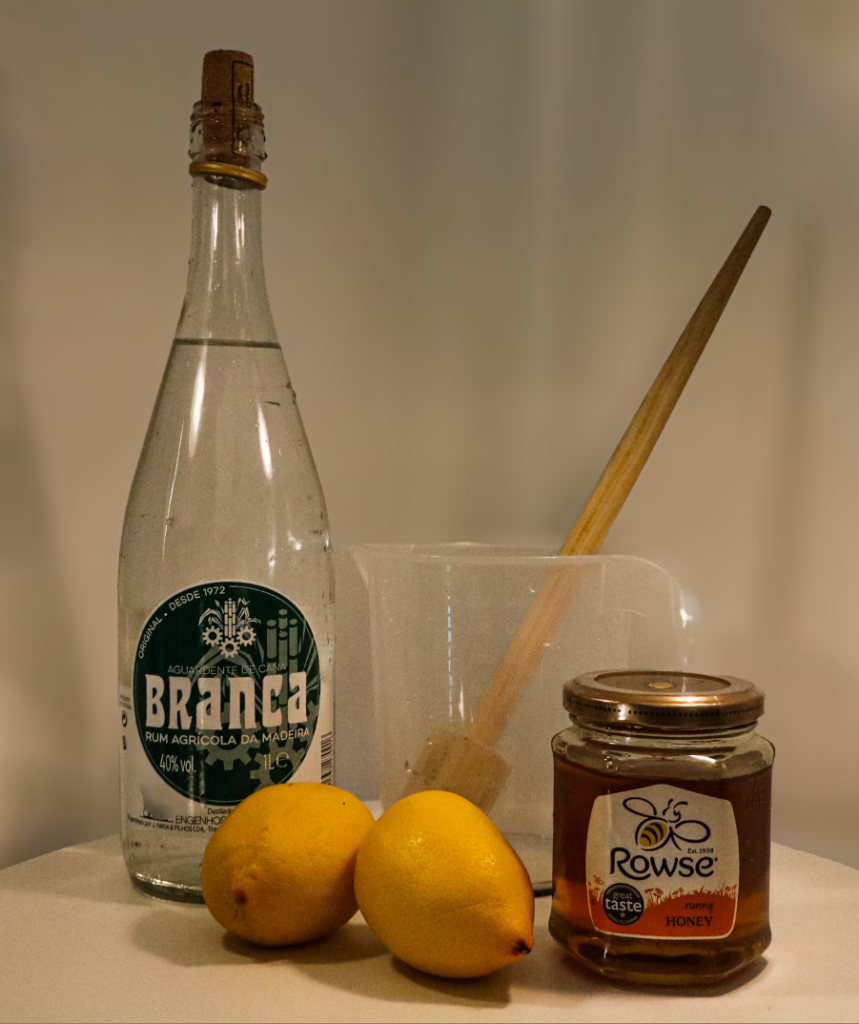
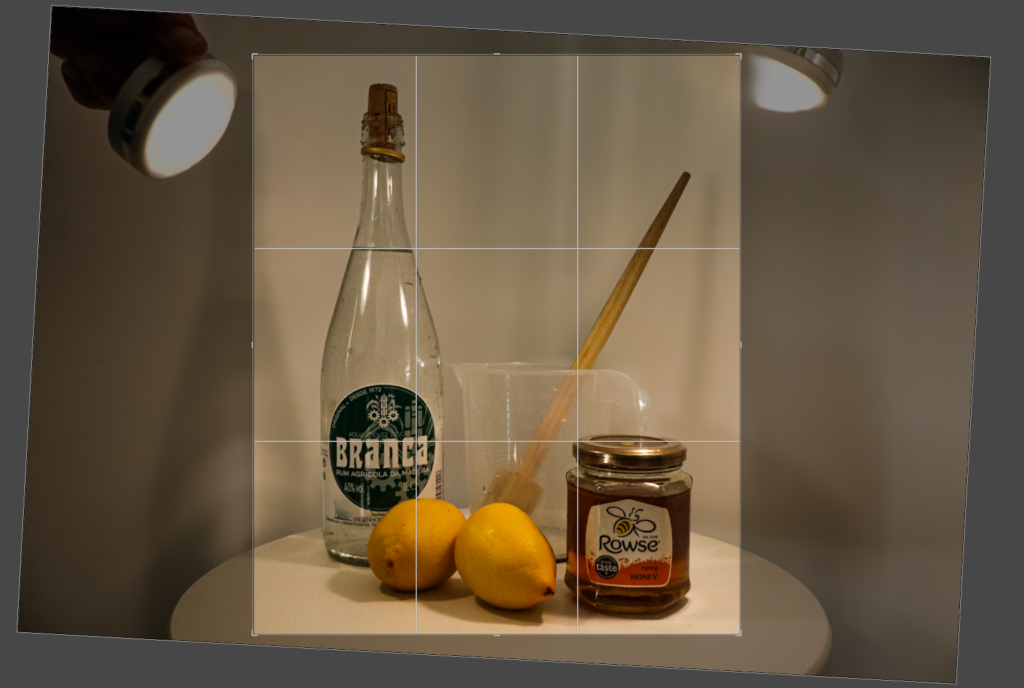
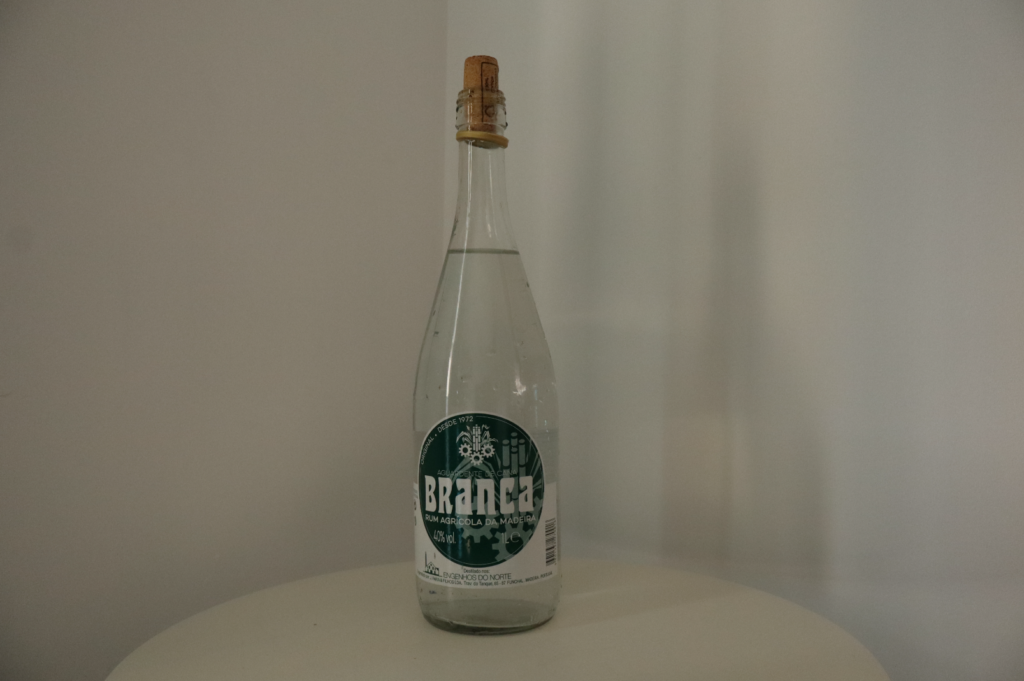
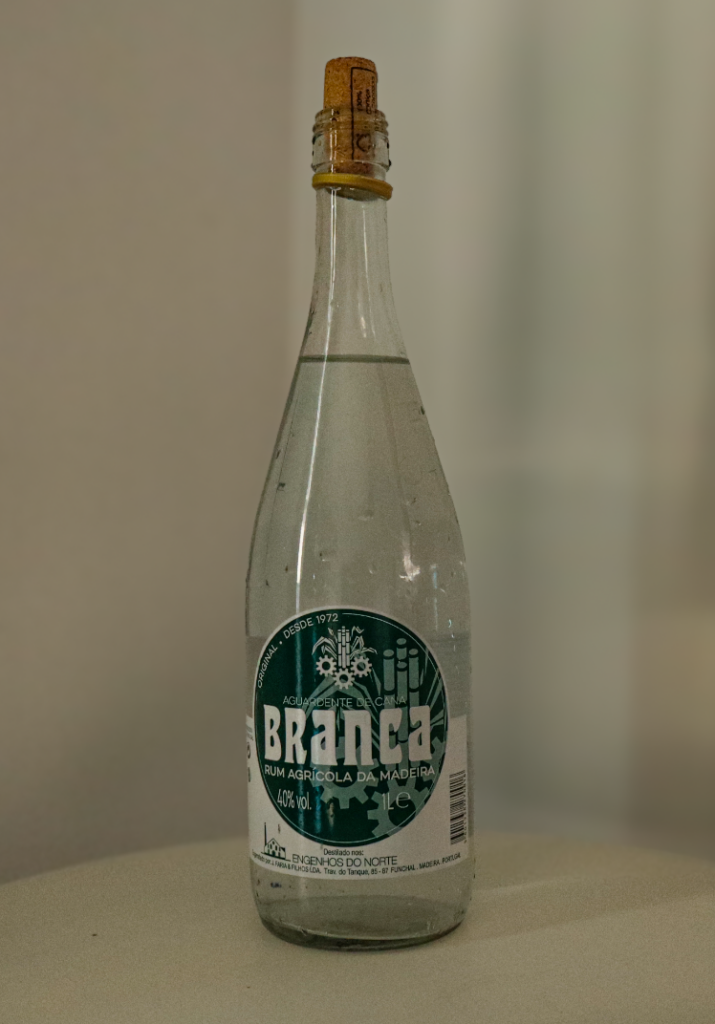
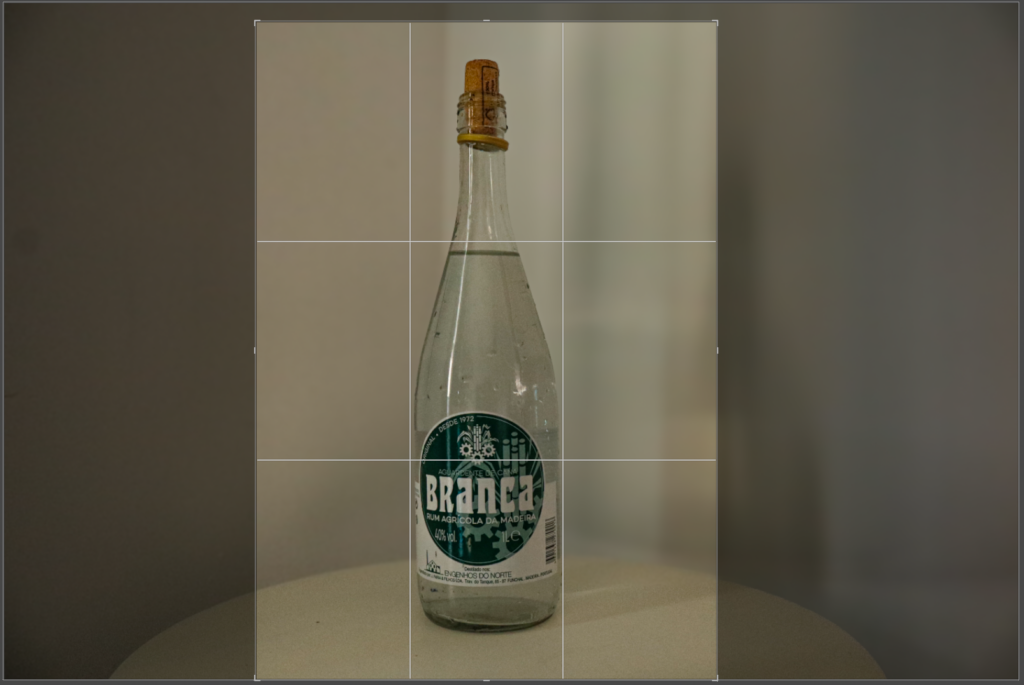
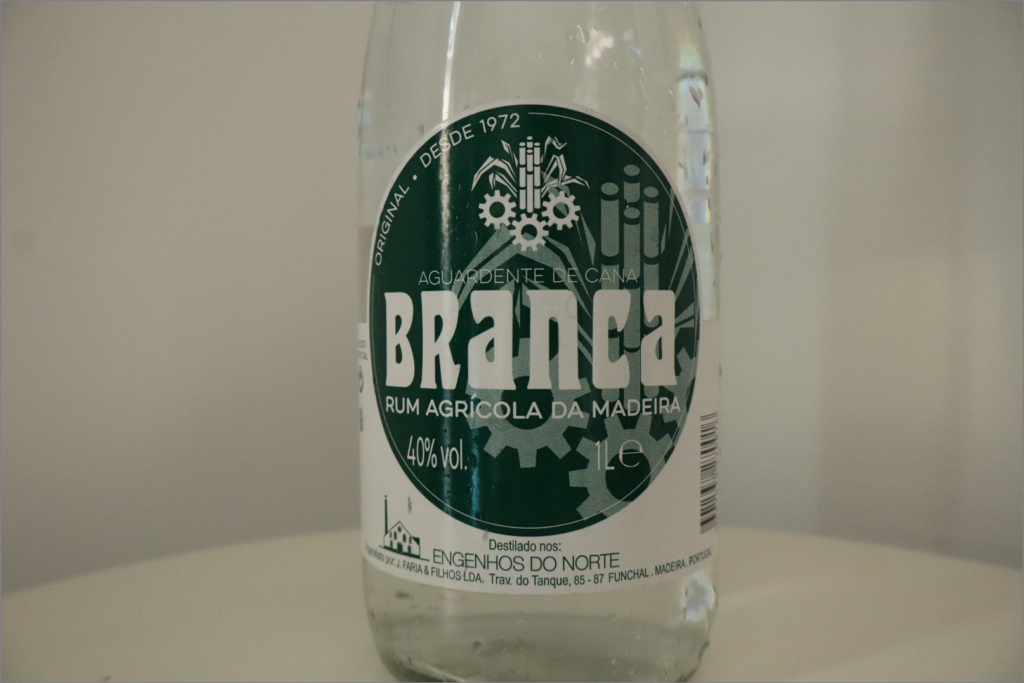
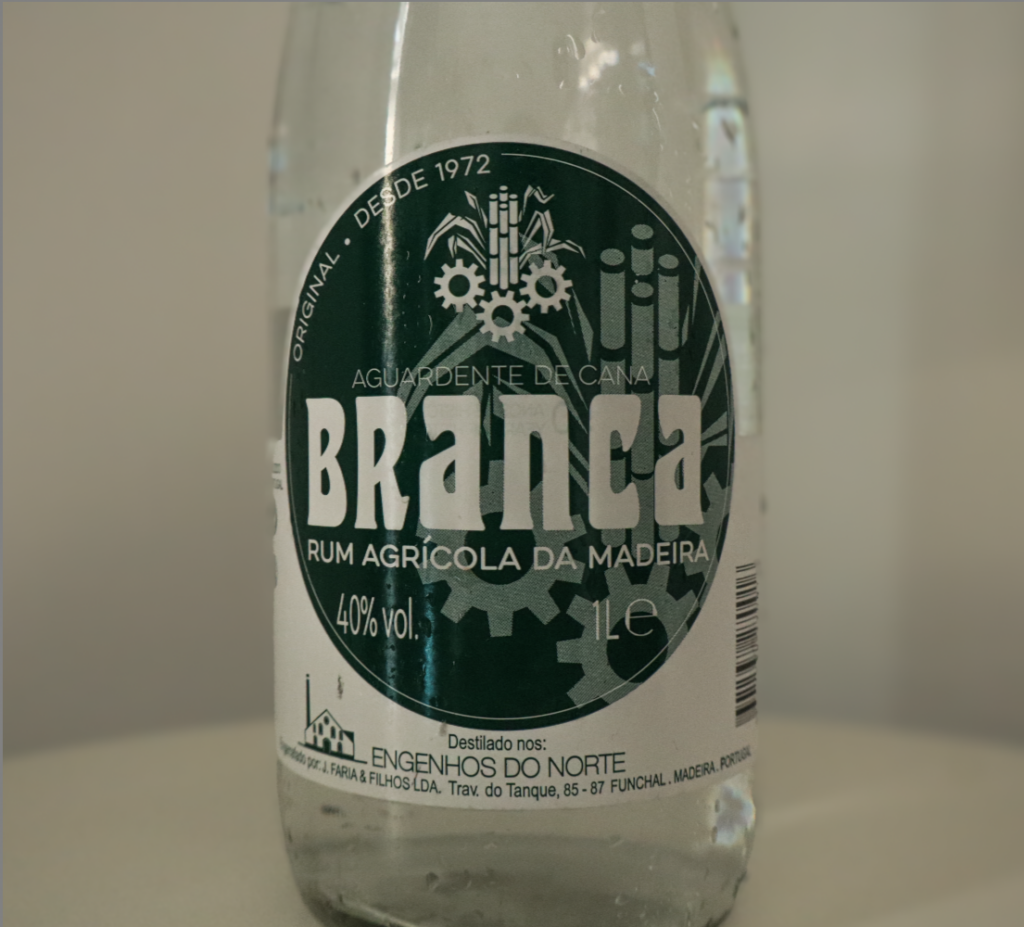
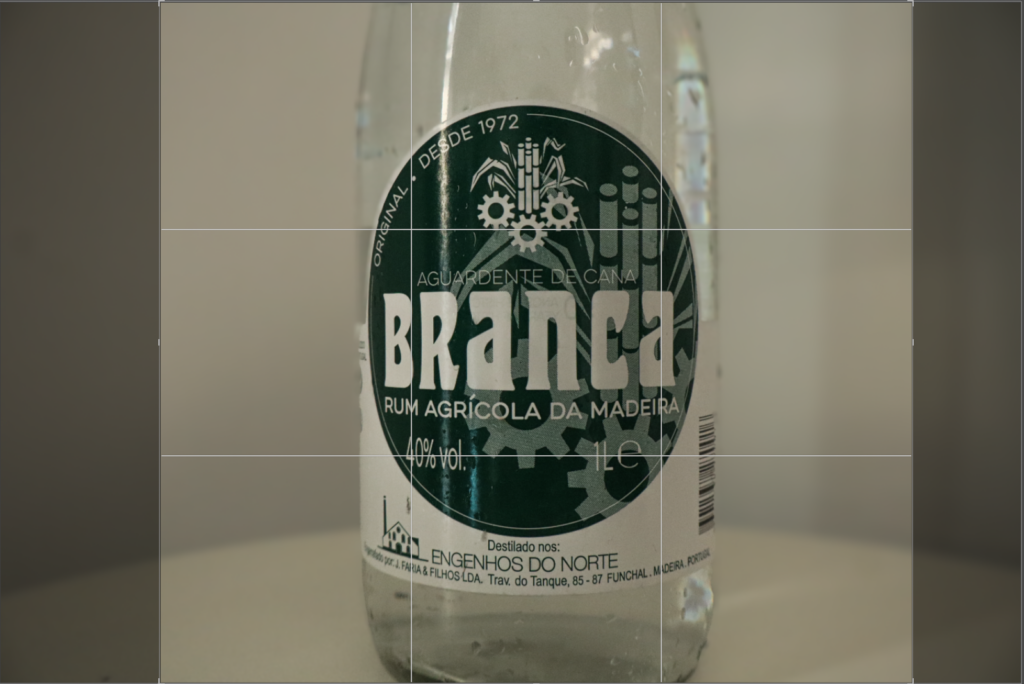
These are all traditional drinks in Madeira. The first one is traditional Madeira wine going back 500 years. The second set of images is how to make a very popular traditional shot in Portugal/ Madeira called ‘Poncha’. I added all of the ingredients and materials you need to make it to give it more of a meaning. Then we have the traditional Madeira rum which is used in the Poncha and other kinds of popular drinks.

Photoshoot 2

St Brelade and St Aubin

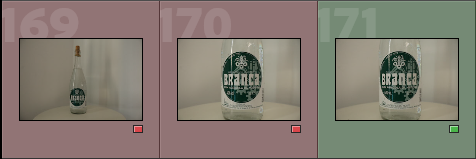
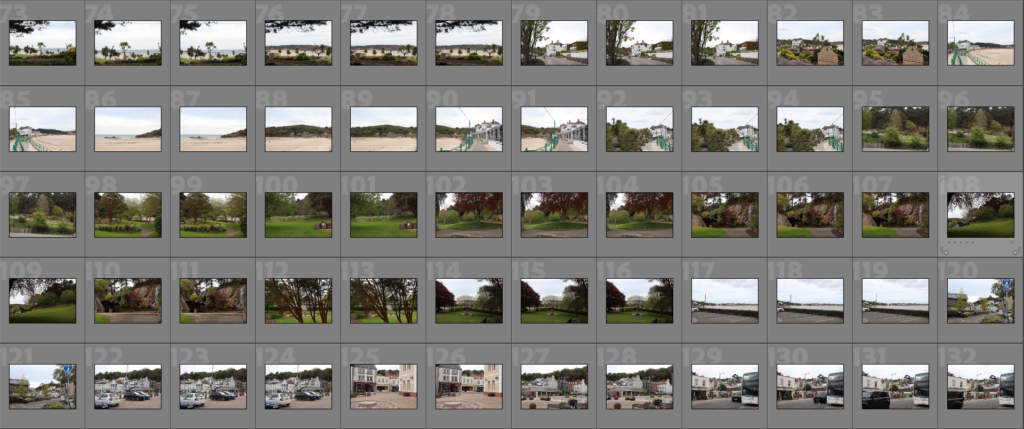
Contact Sheet

Selection Process

Green = Definitely using

Yellow = Maybe using

Red = Not using

Best Raw Images from photoshoot 2

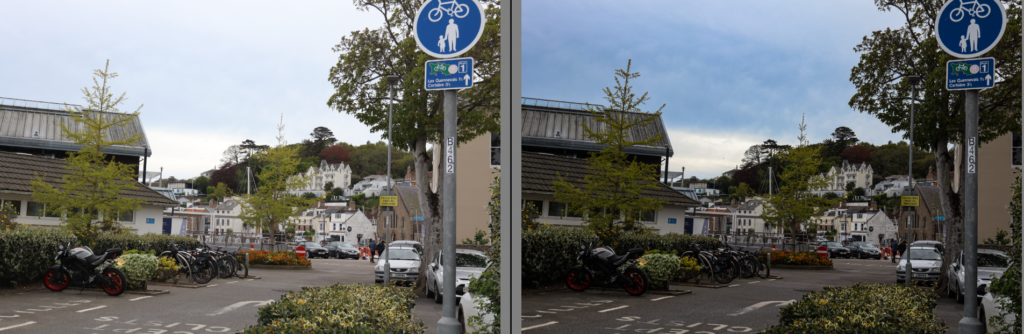
Basic Editing

1.

2.

3.

4.

5.

6.

7.

8.

9.

10.

11.

12.

13.

14.

Final photos edited

Photoshoot 1

Waterfront + Kiosk

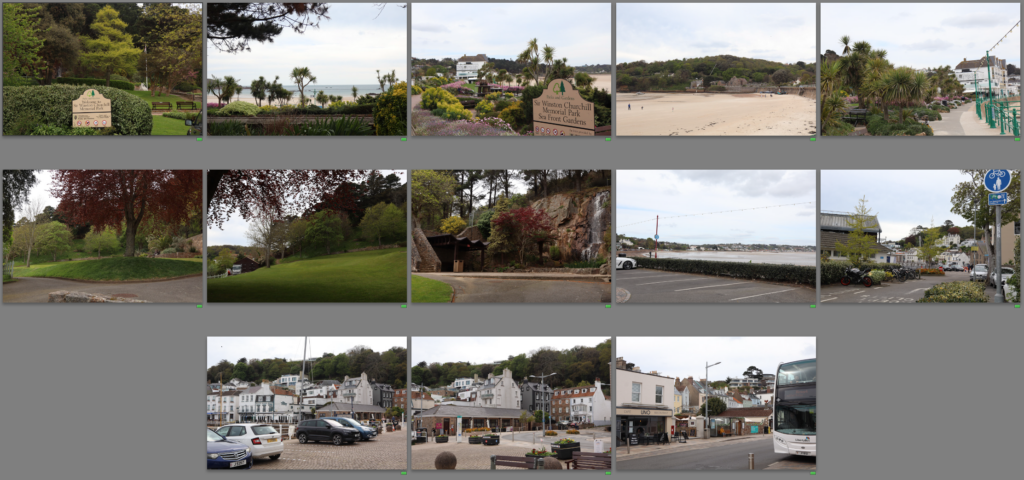
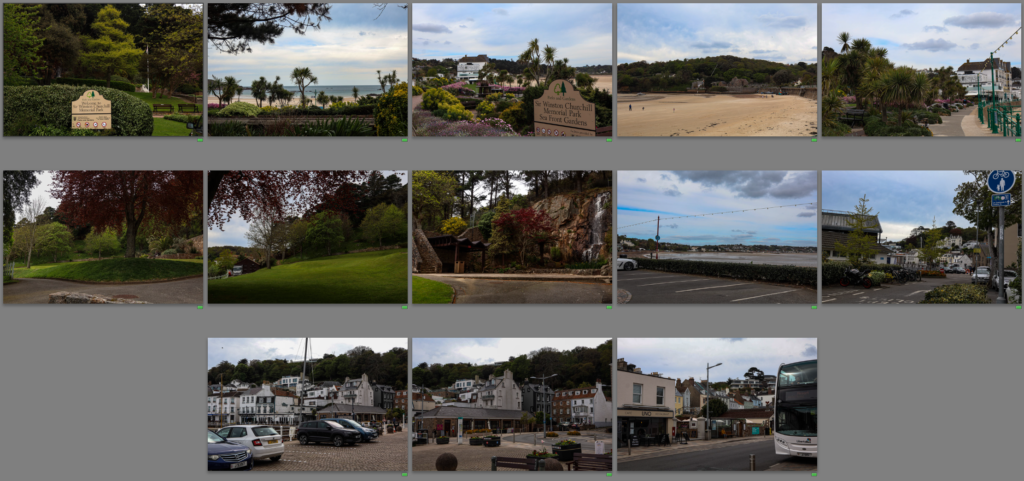
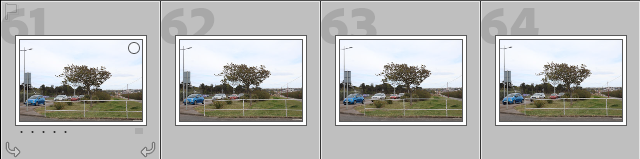
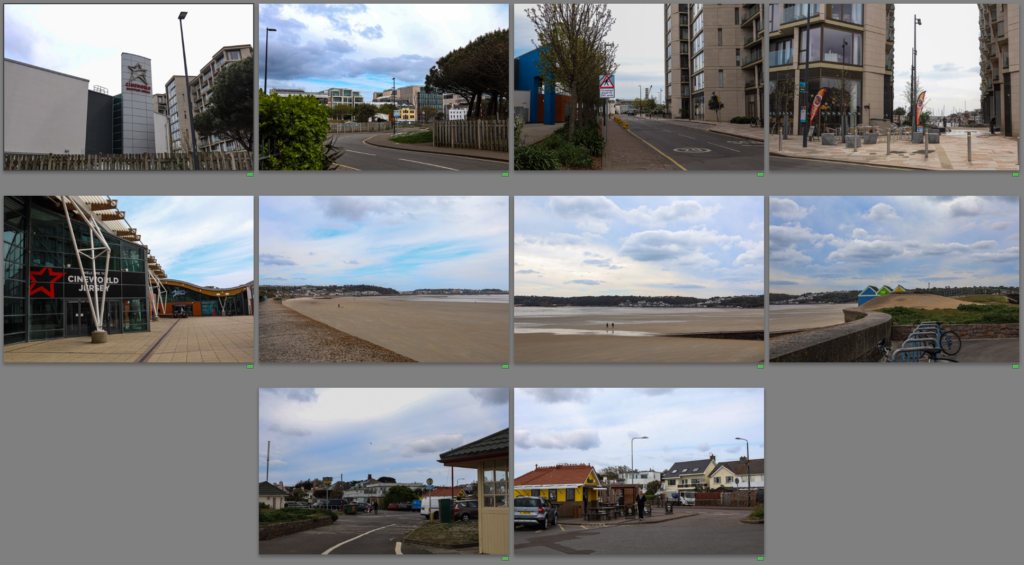
Contact Sheet

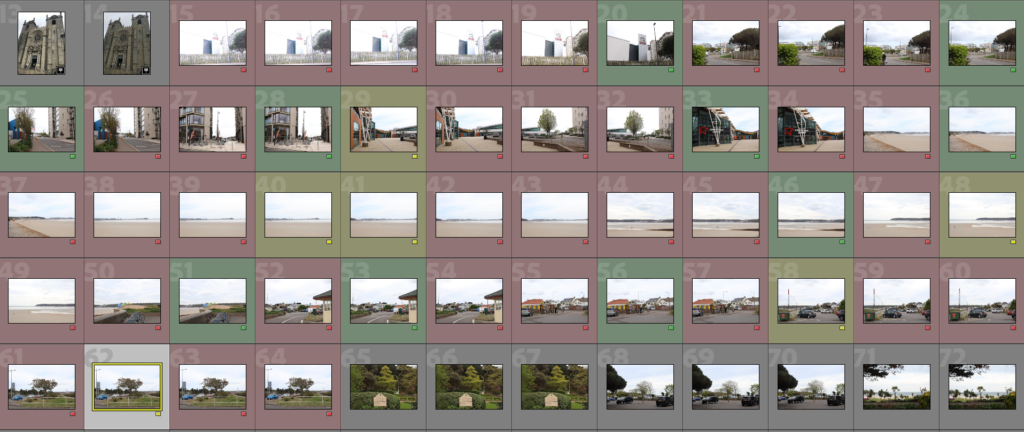
Selection Process

Green = Definitely using

Yellow = Maybe using

Red = Not using

(Ignore grey)

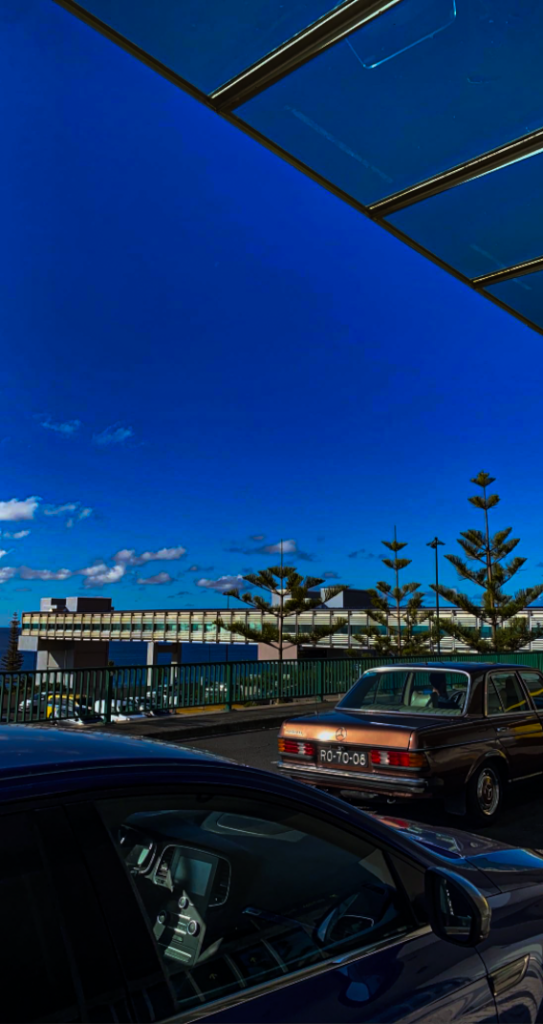
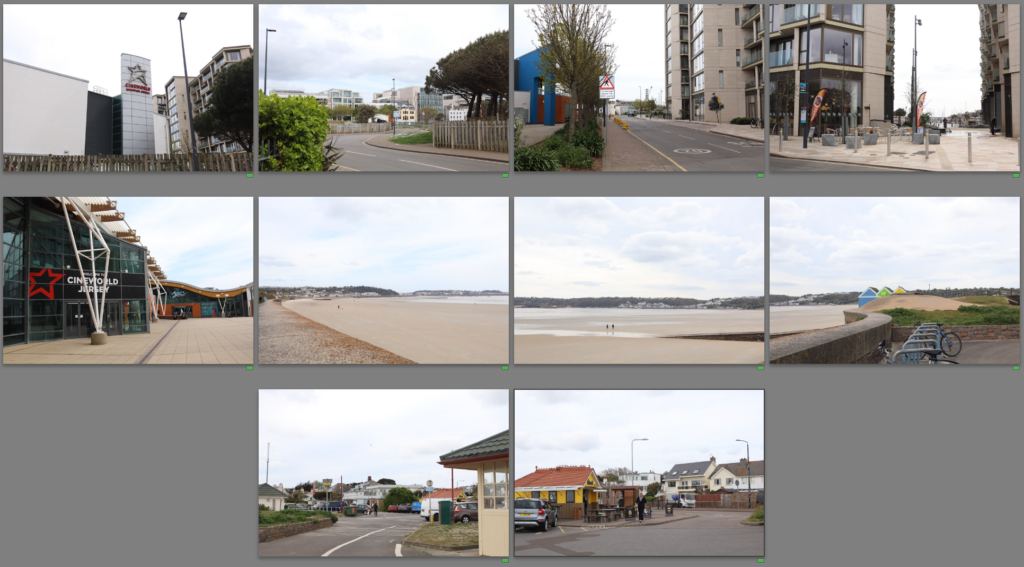
Best Raw Images from photoshoot 1

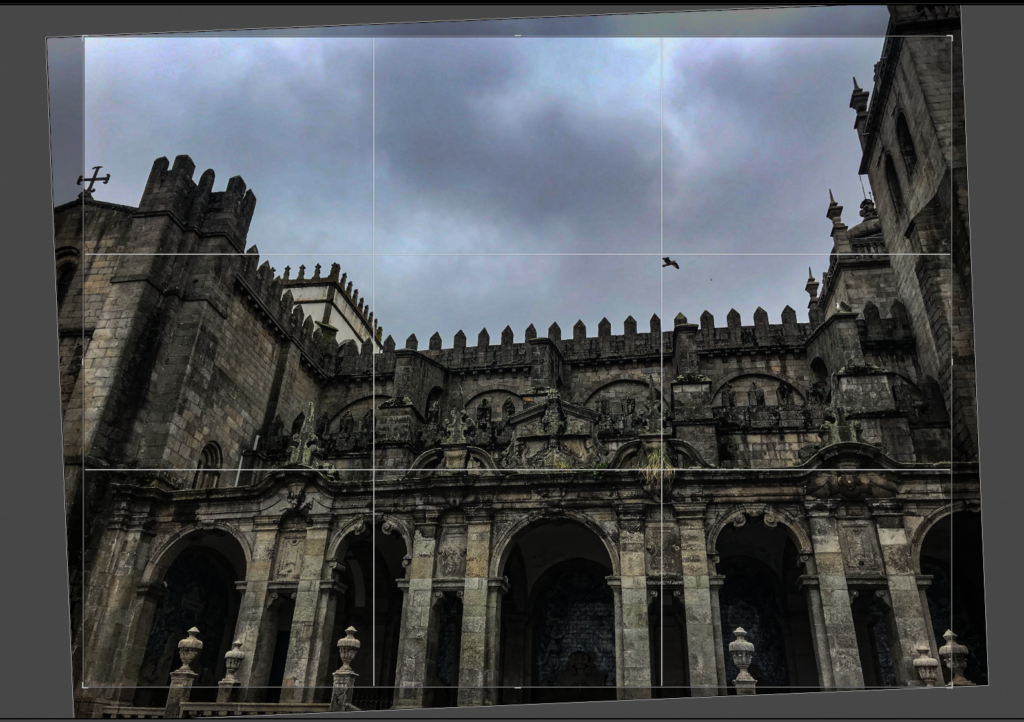
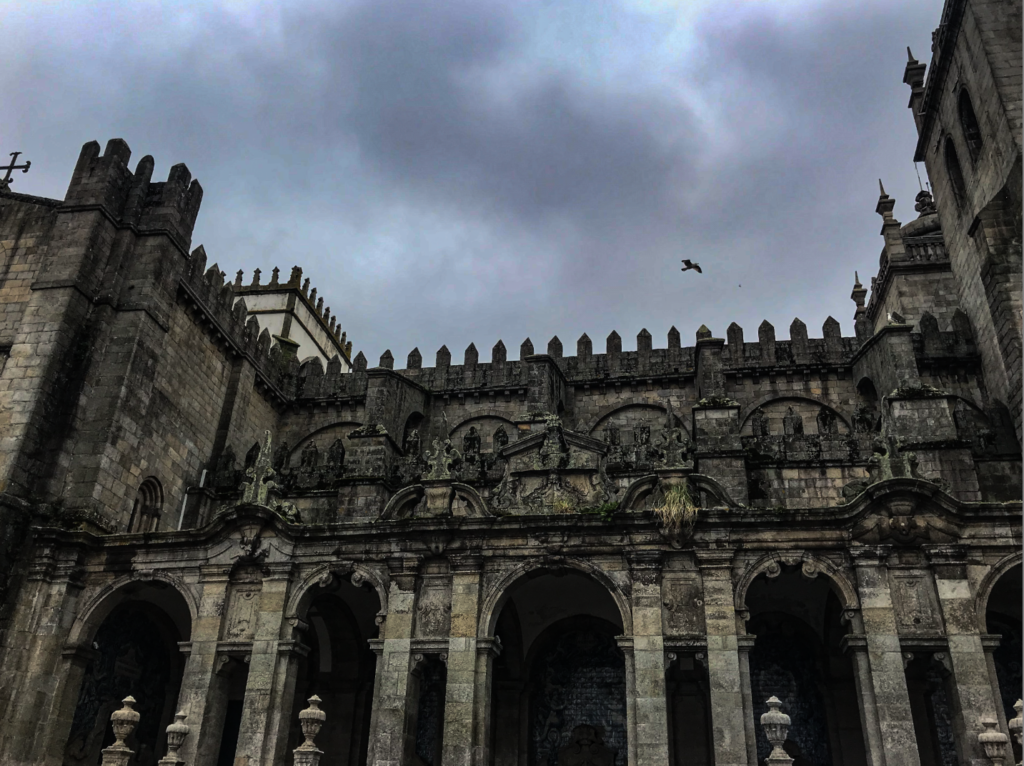
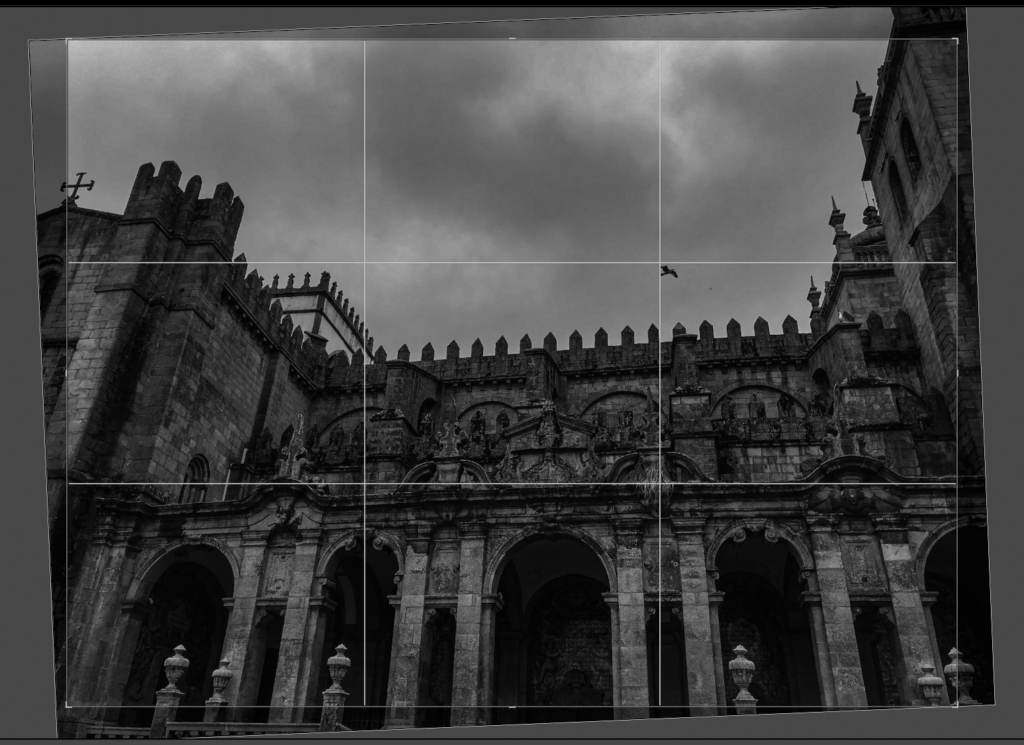
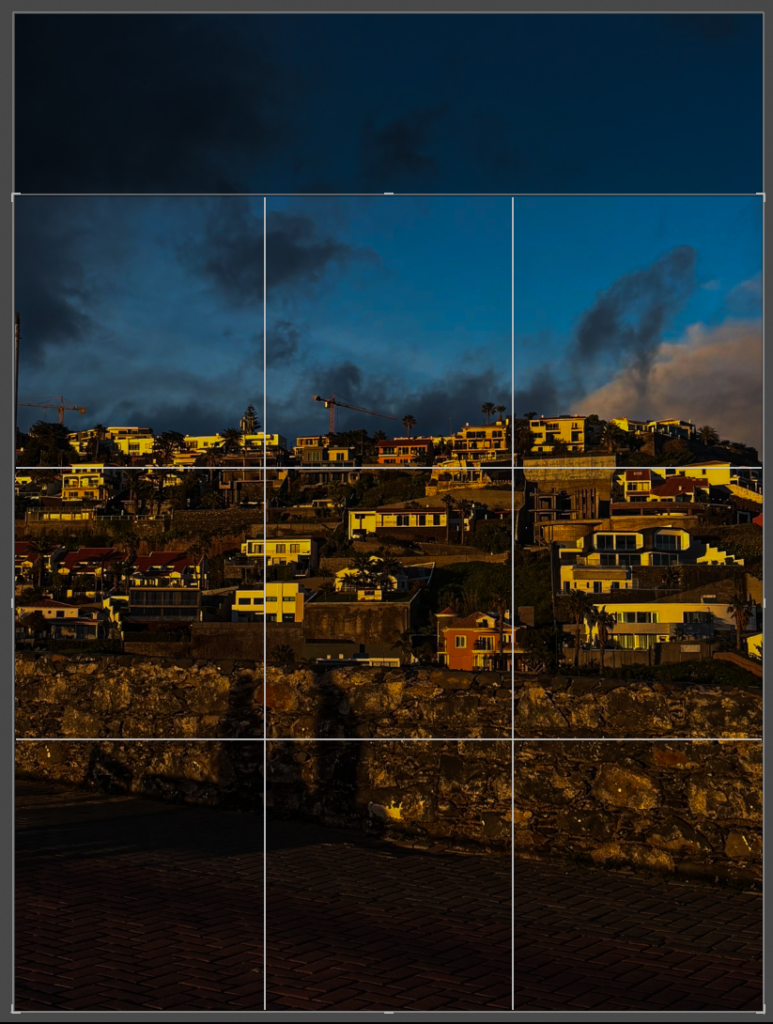
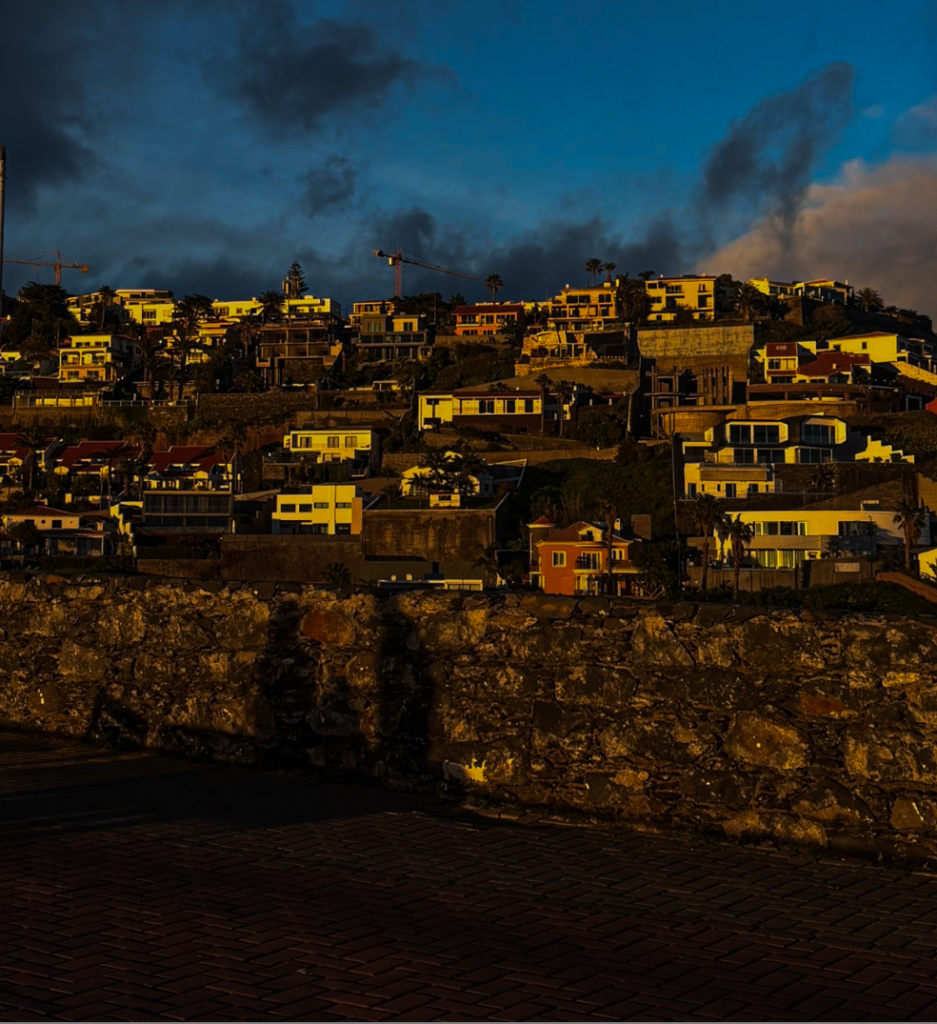
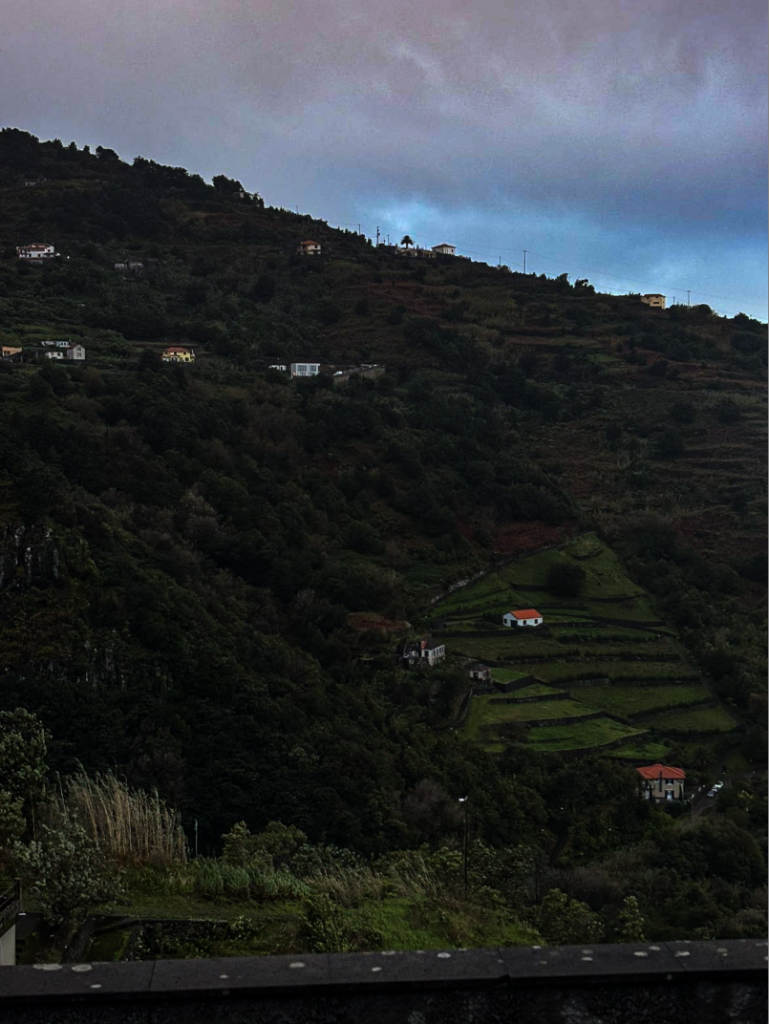
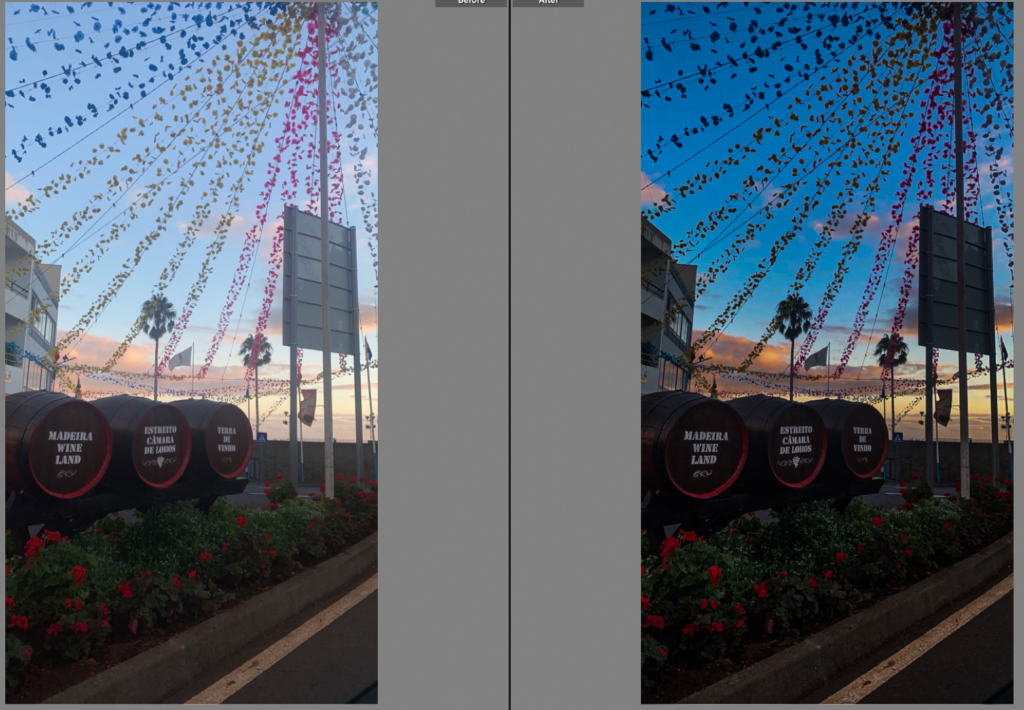
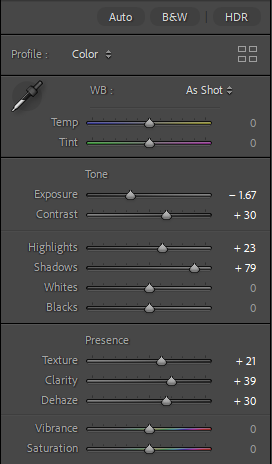
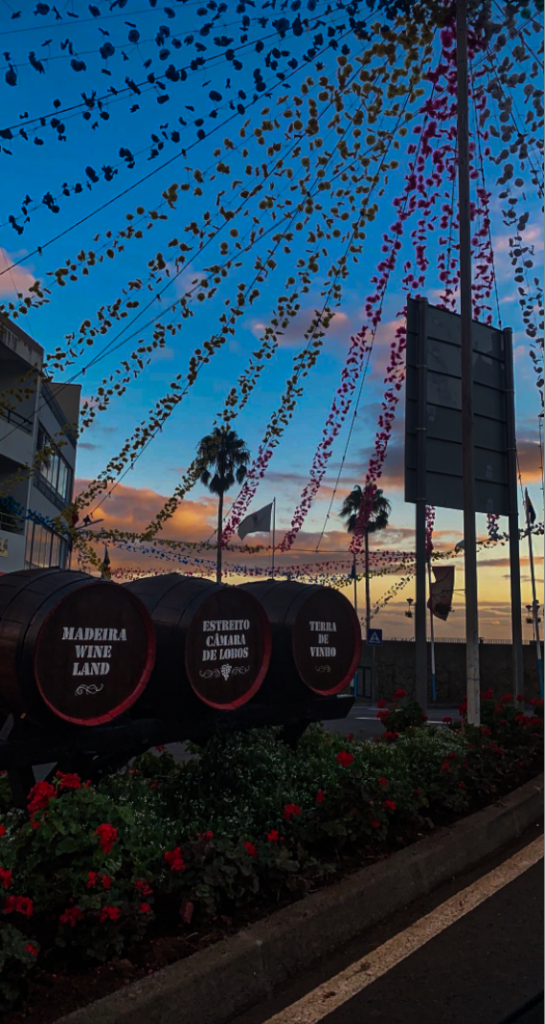
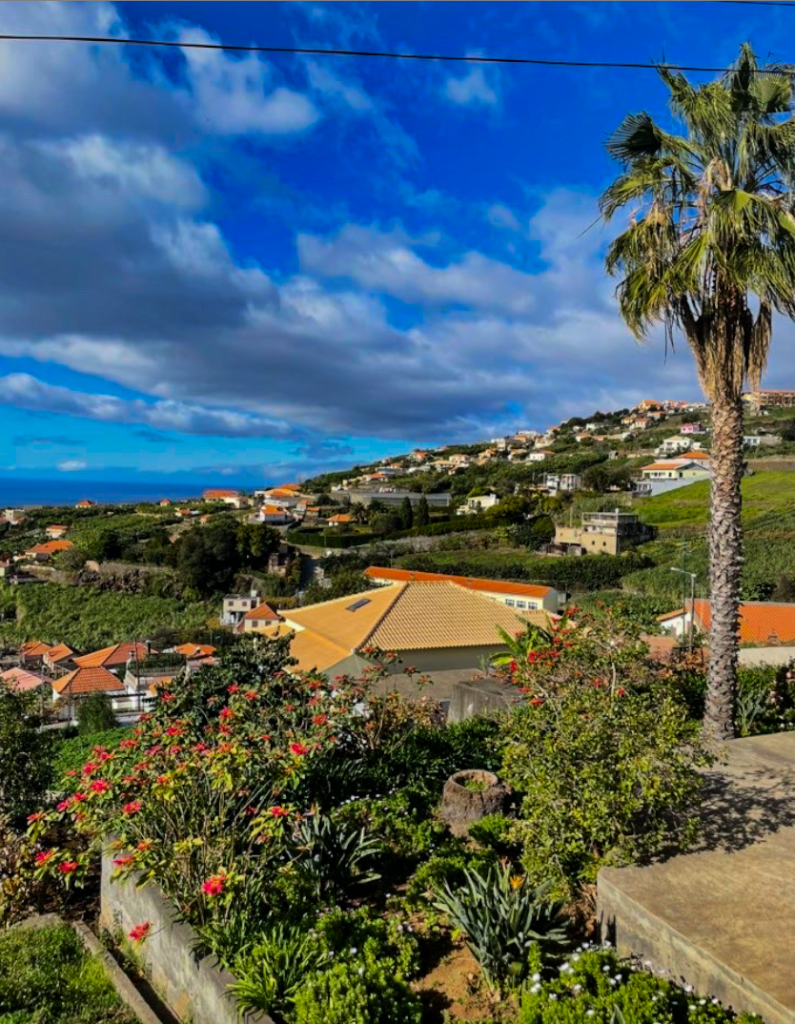
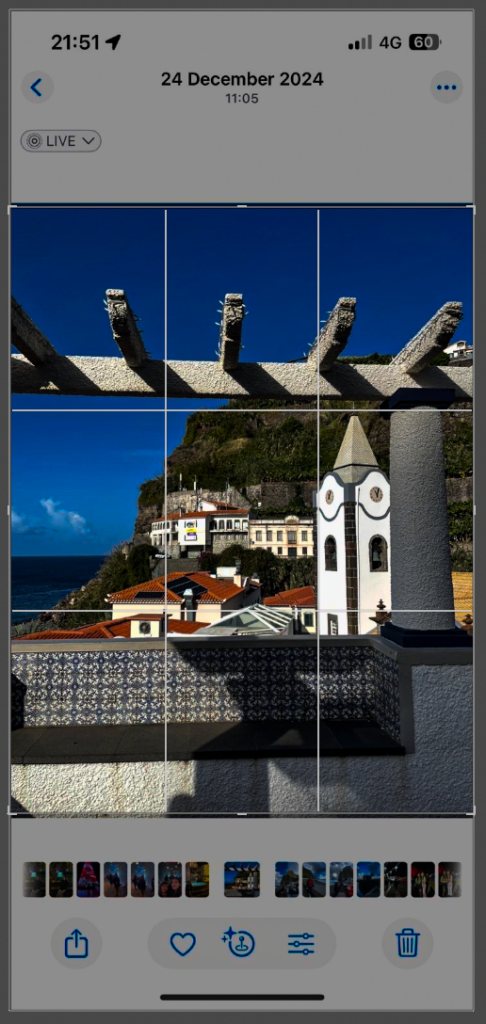
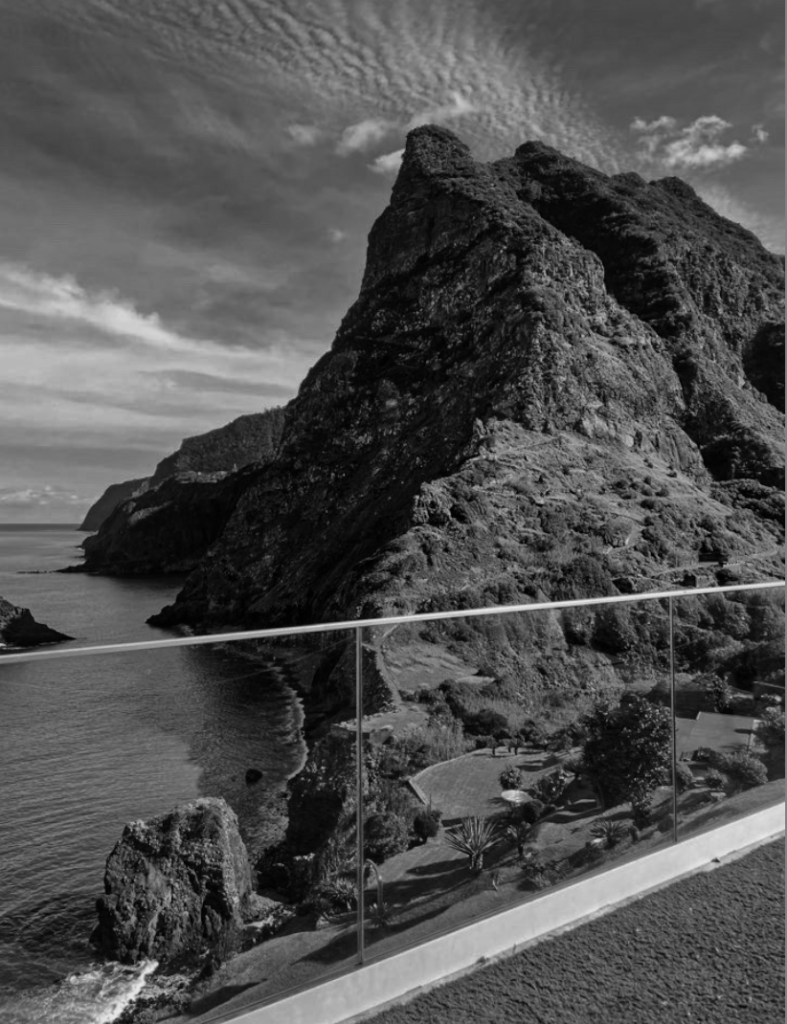
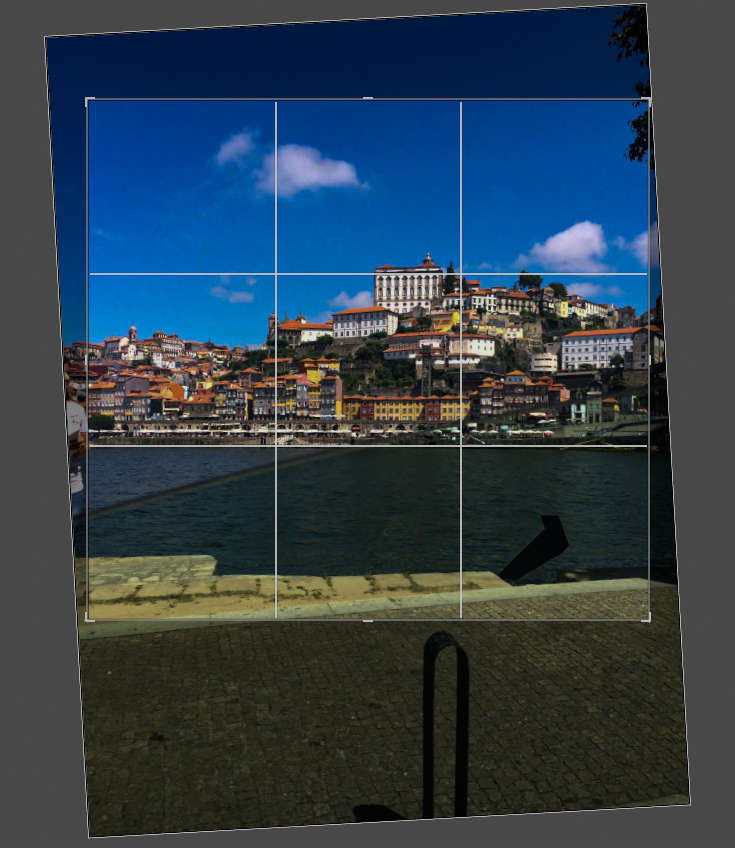
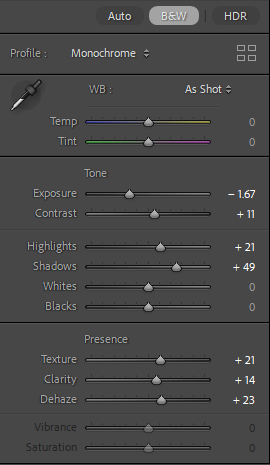
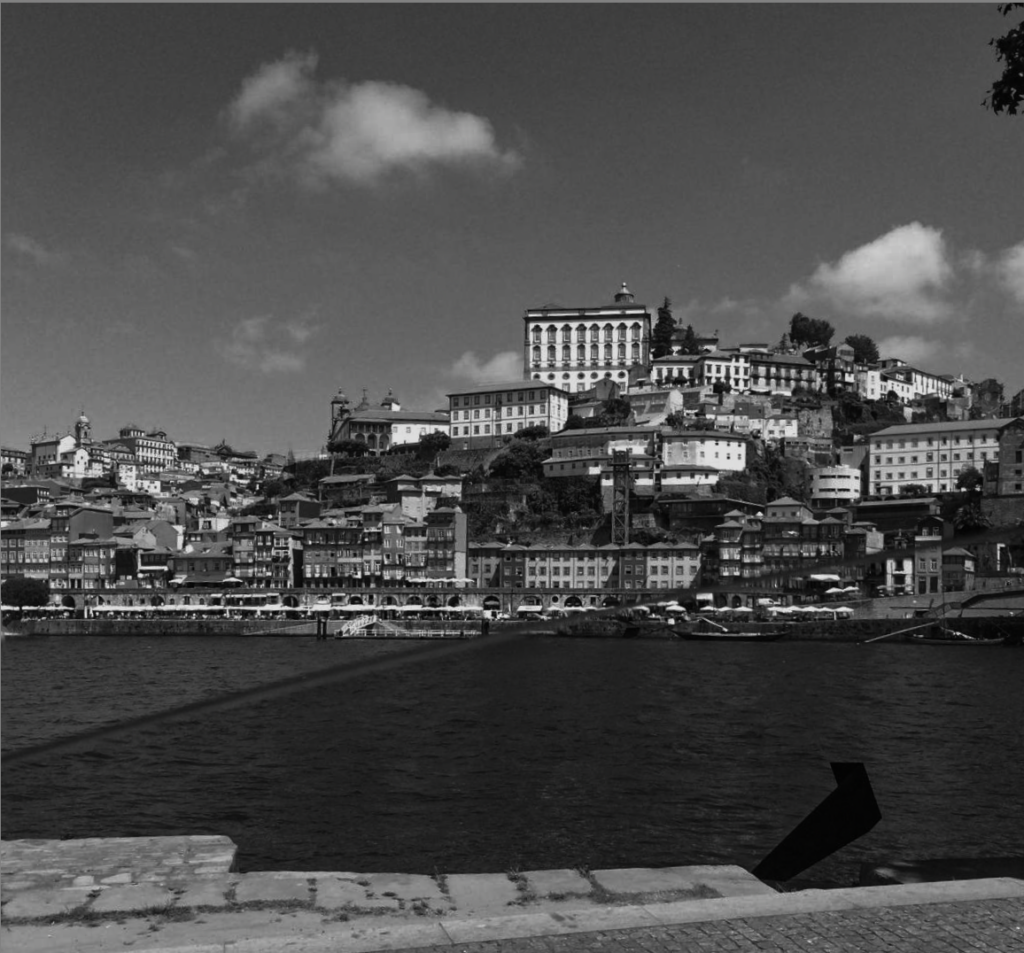
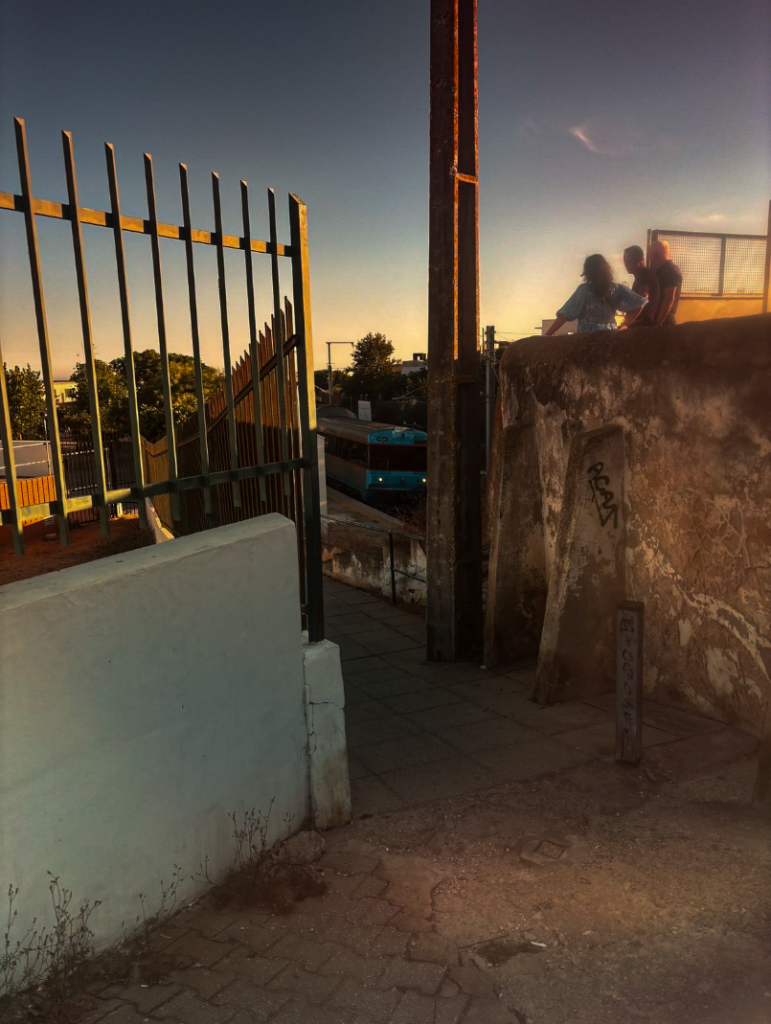
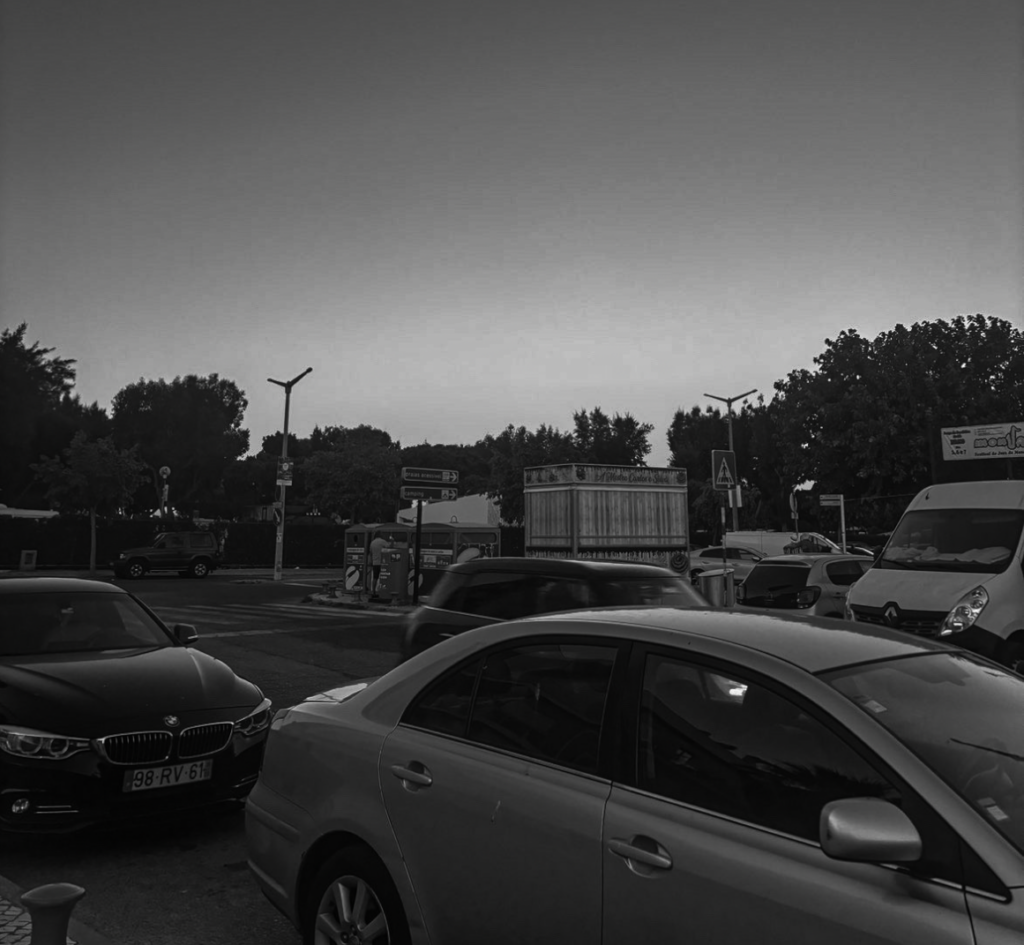
Basic Editing

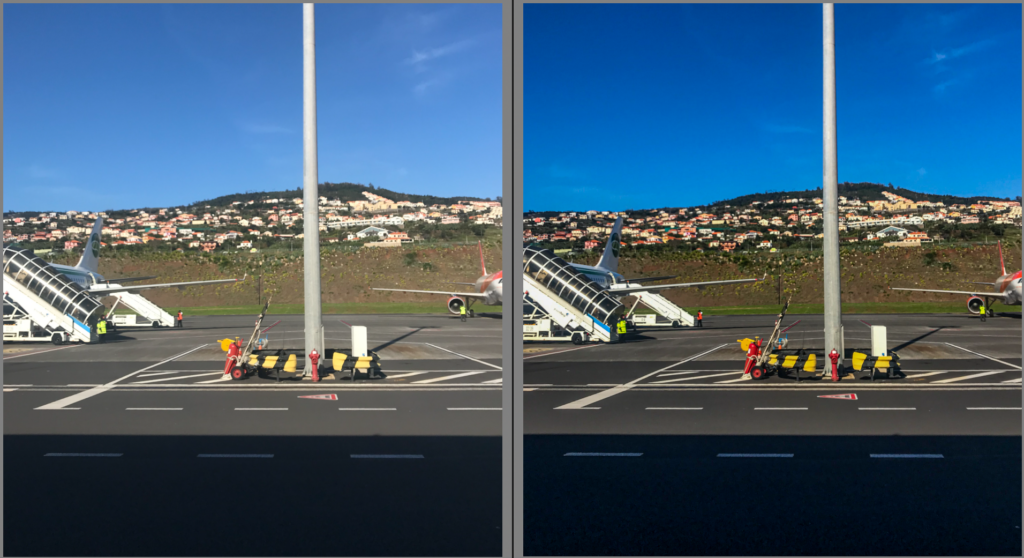
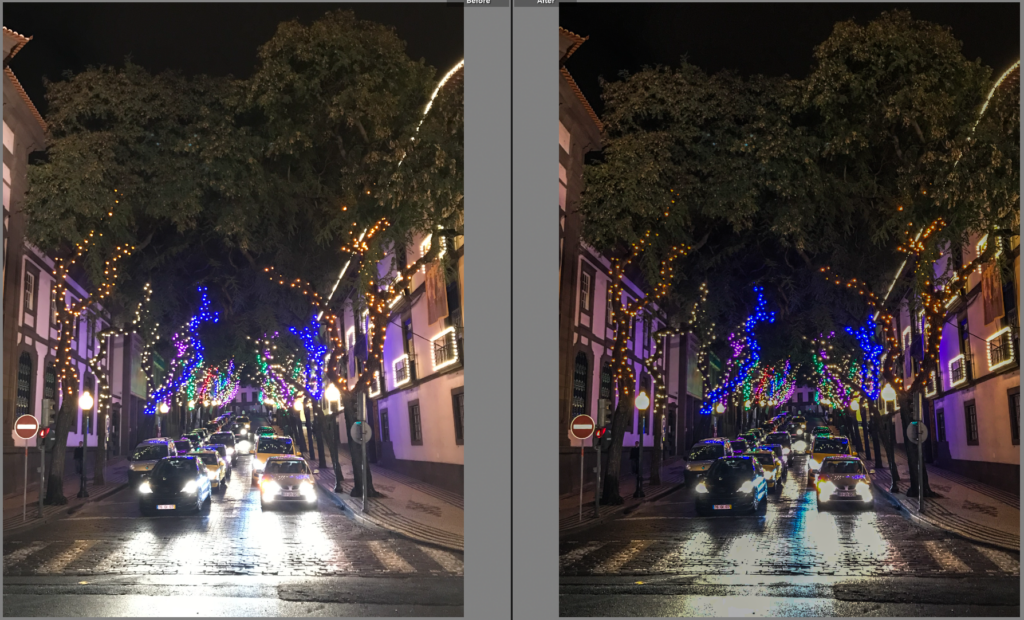
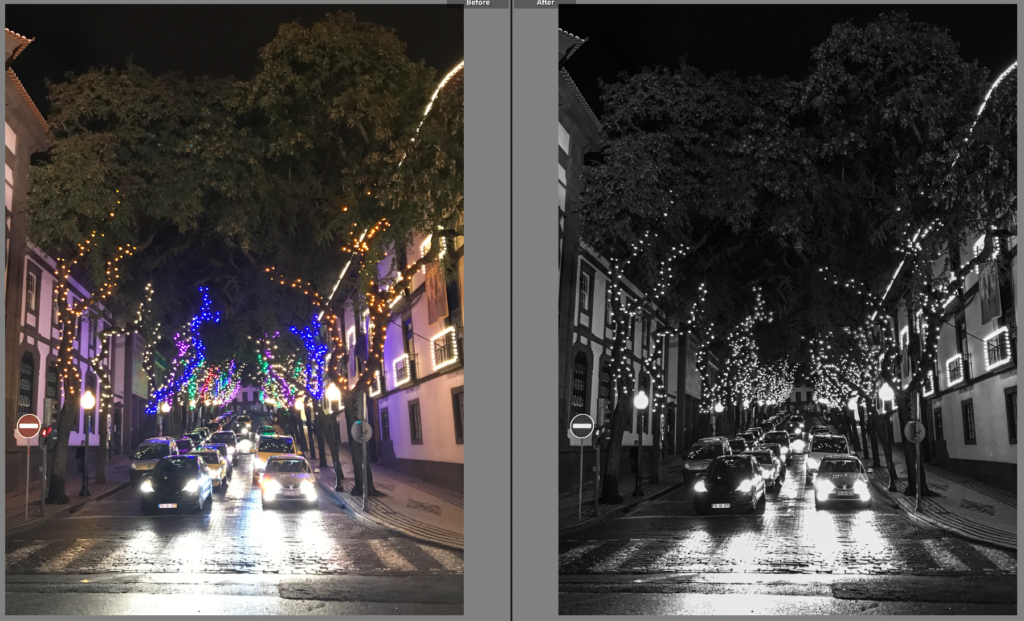
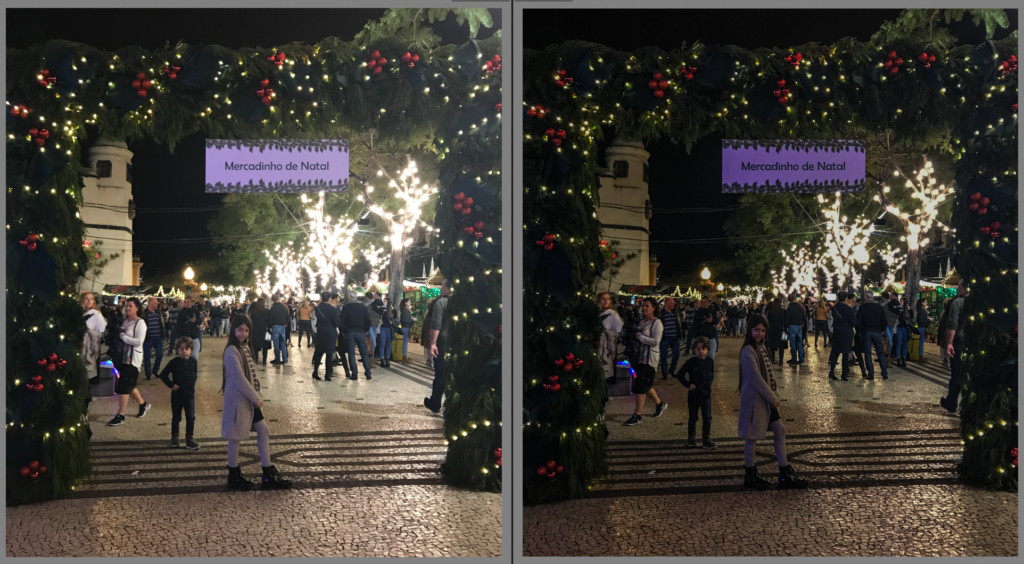
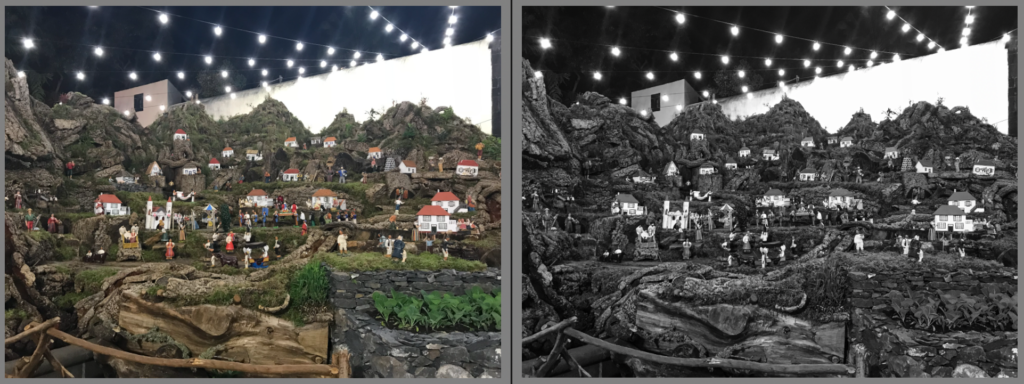
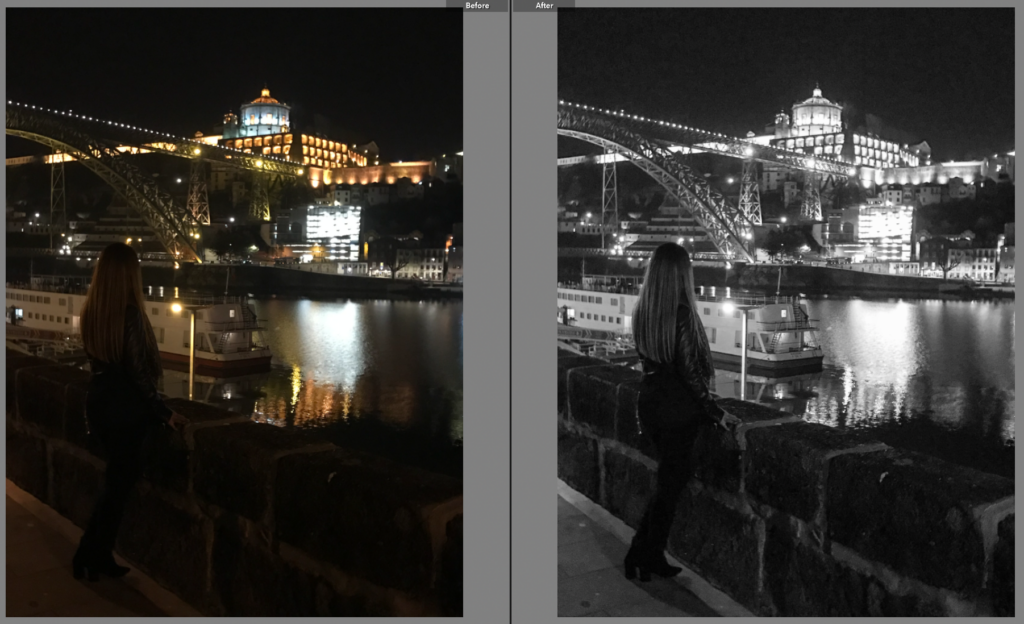
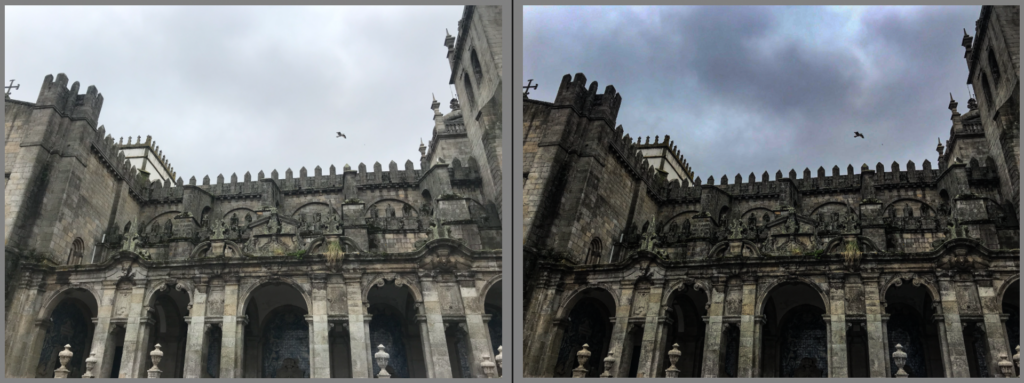
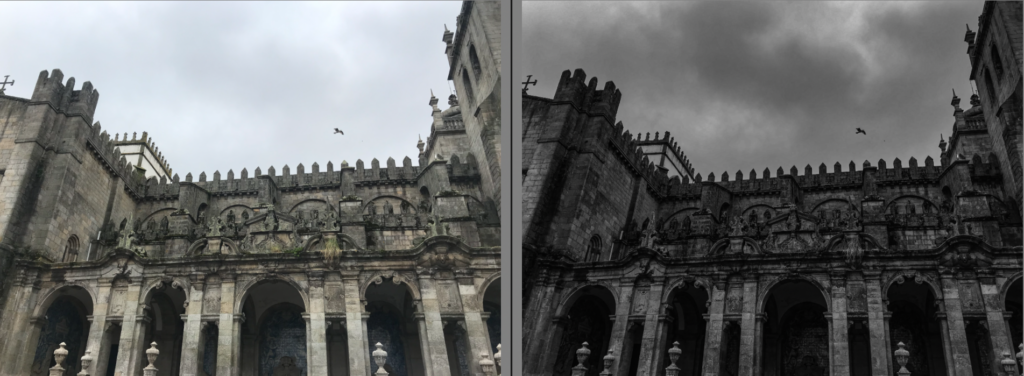
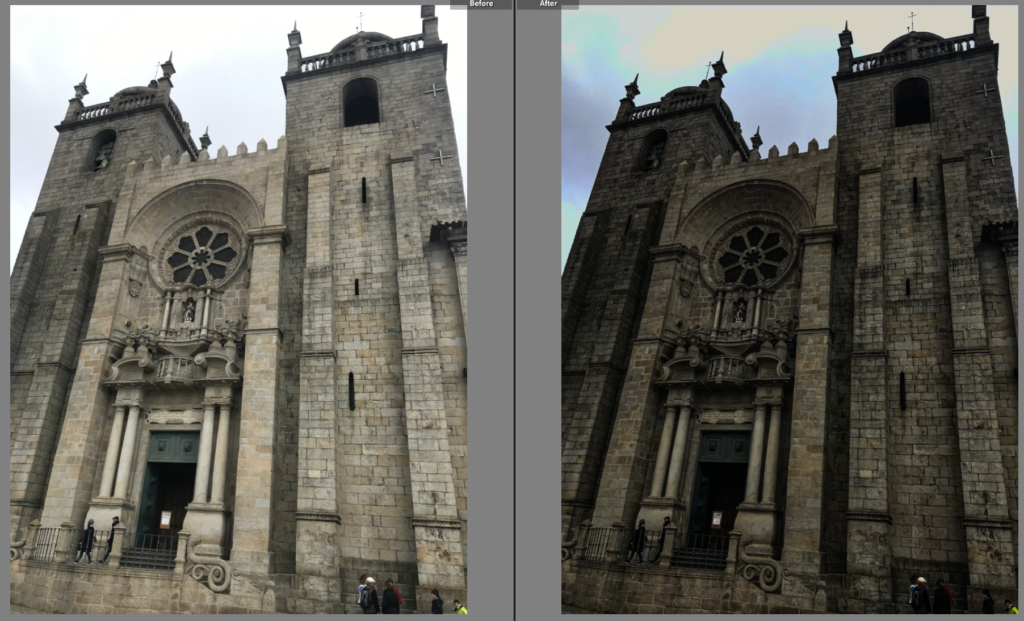
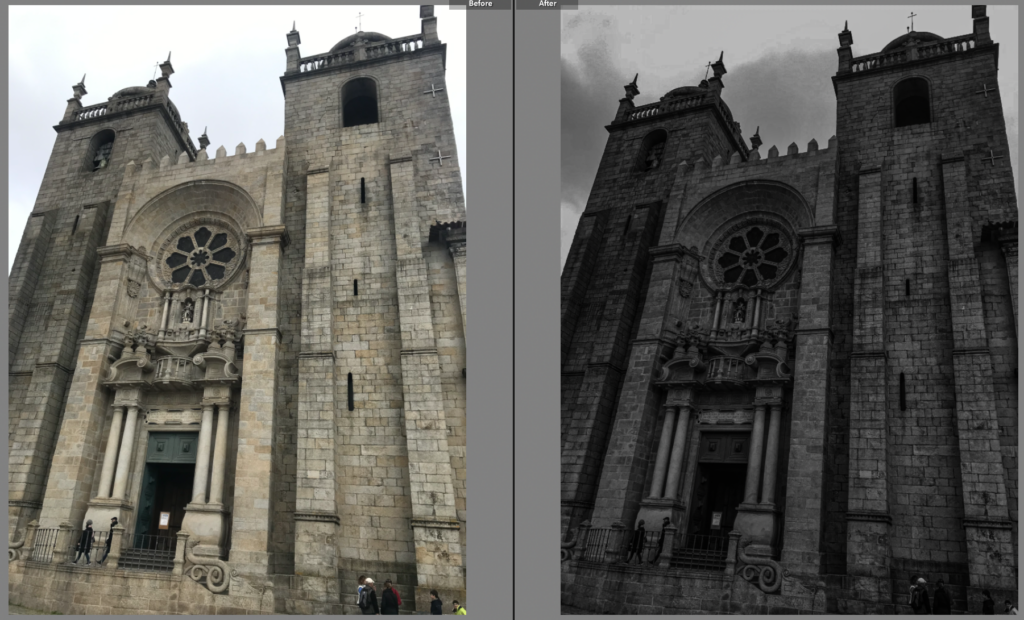
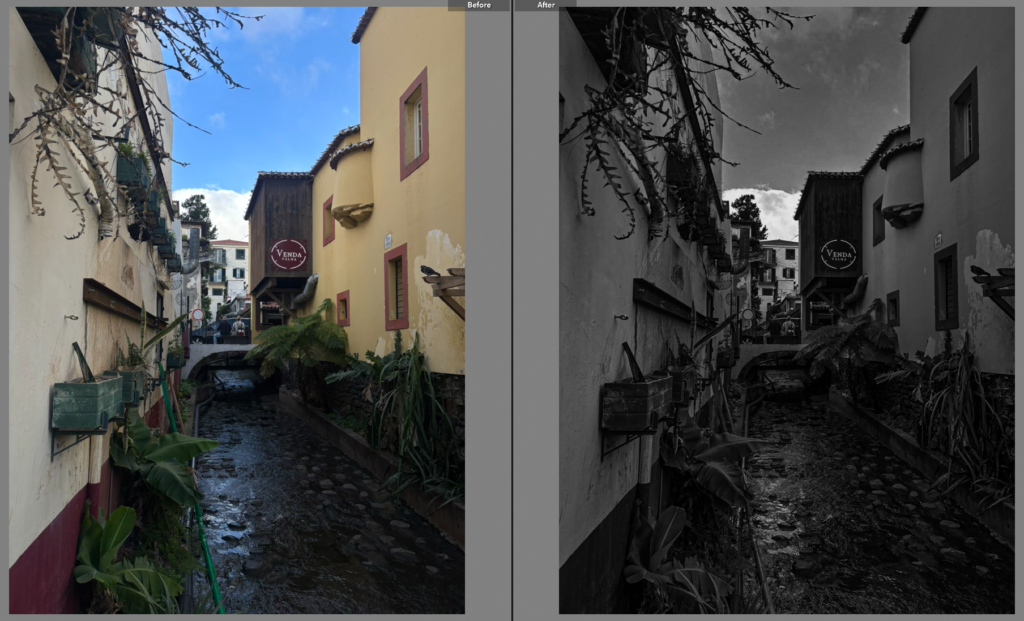
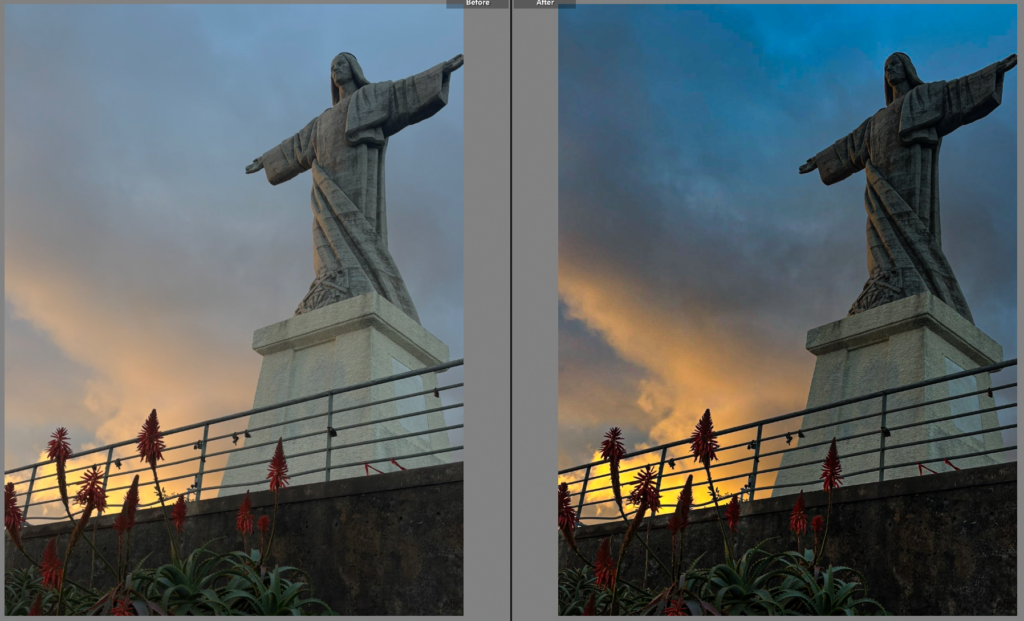
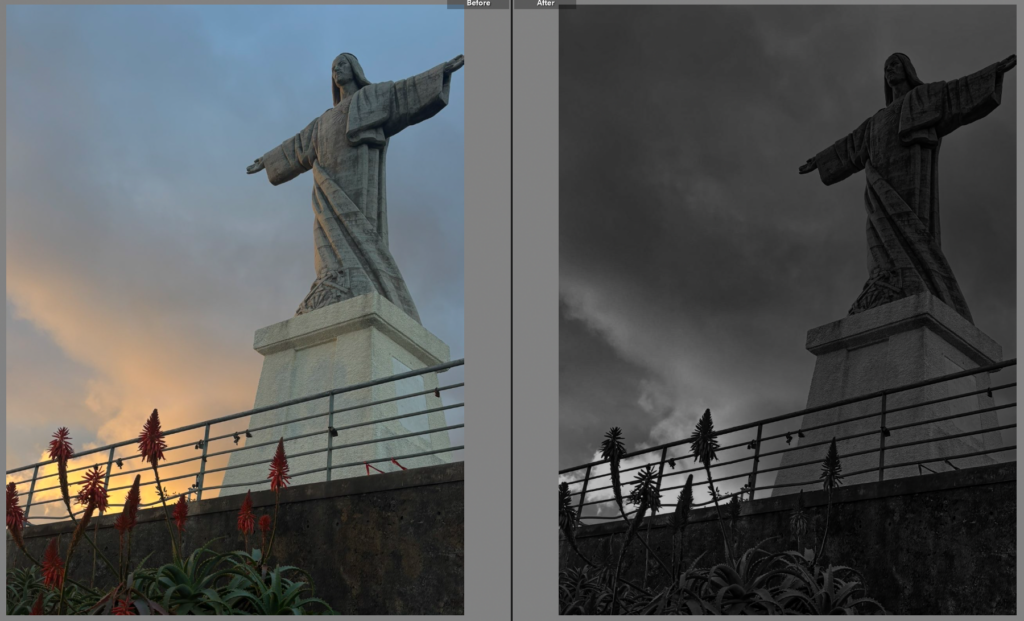
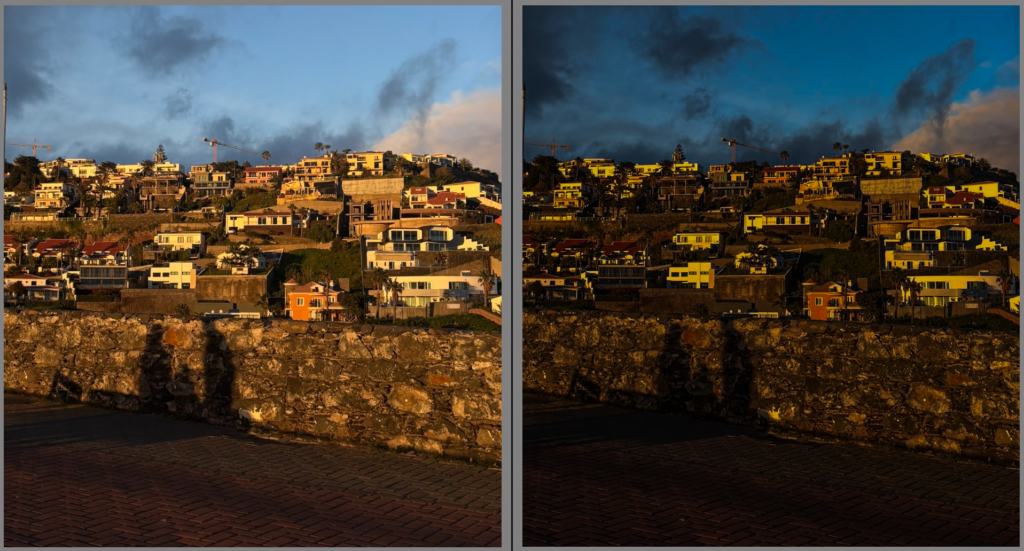
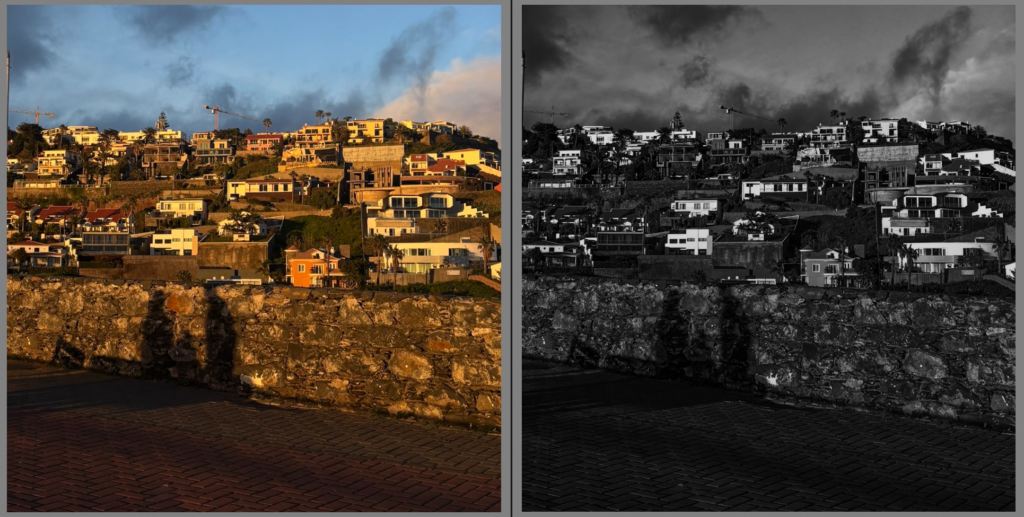
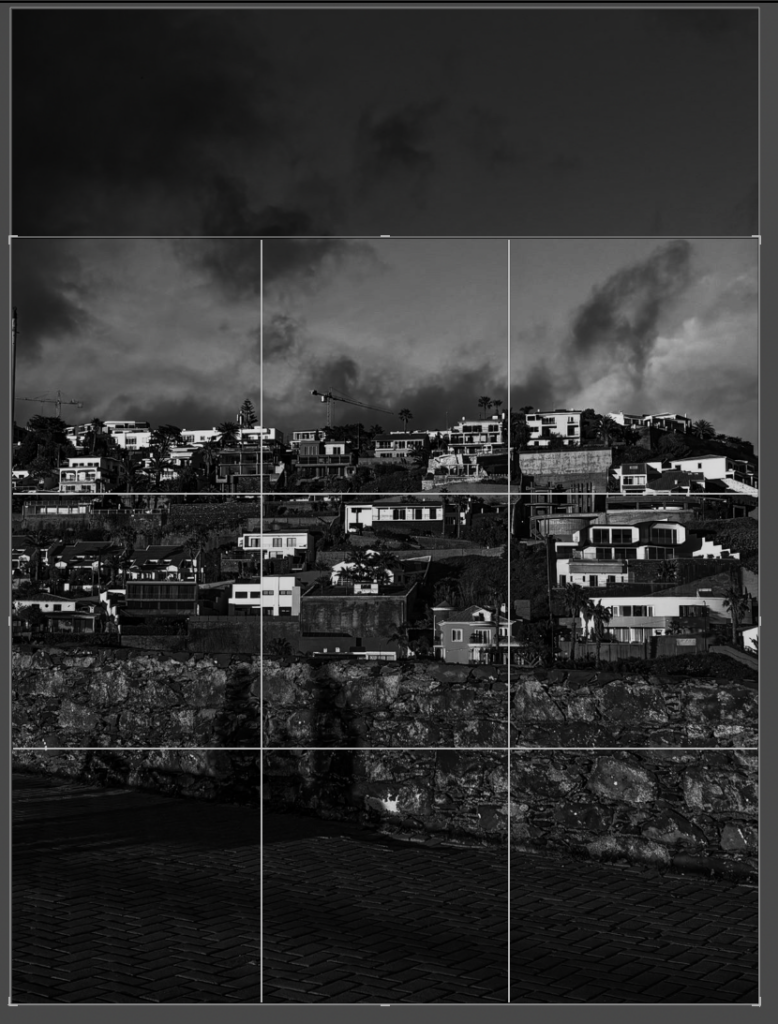
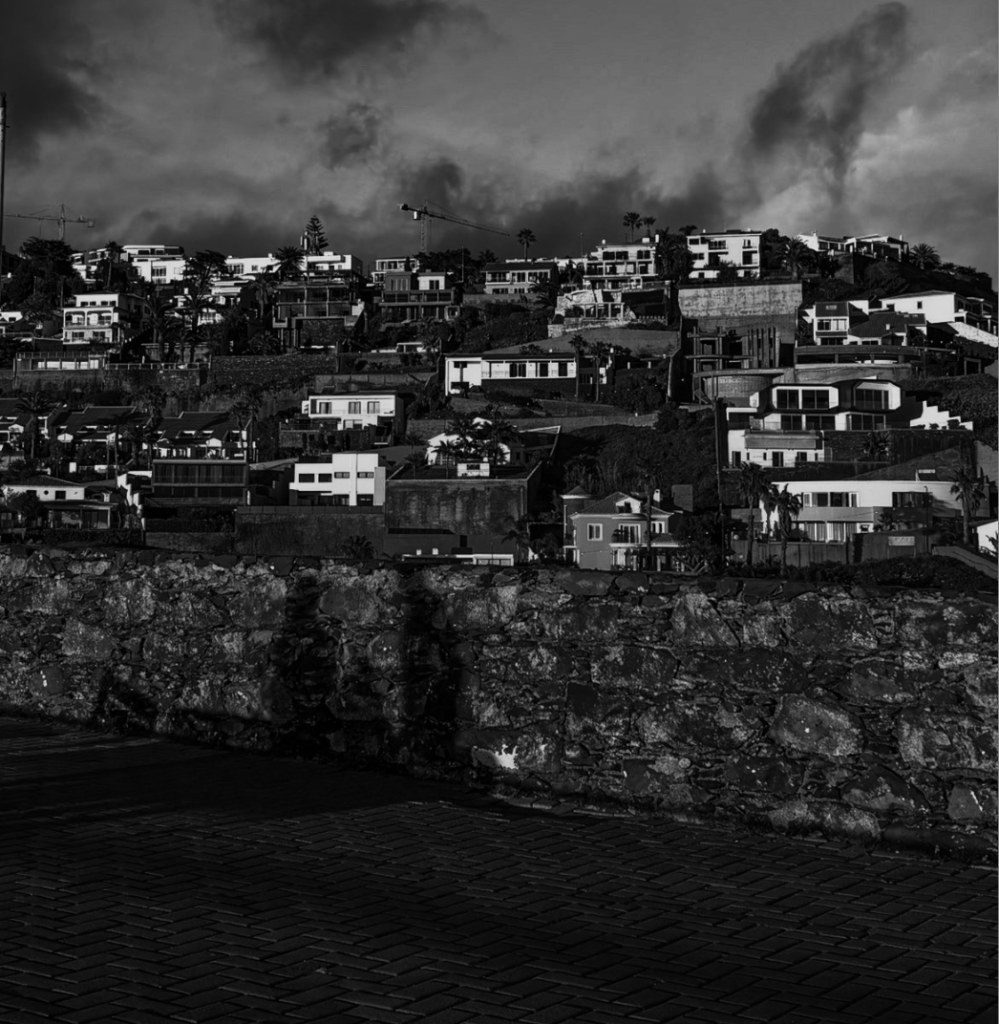
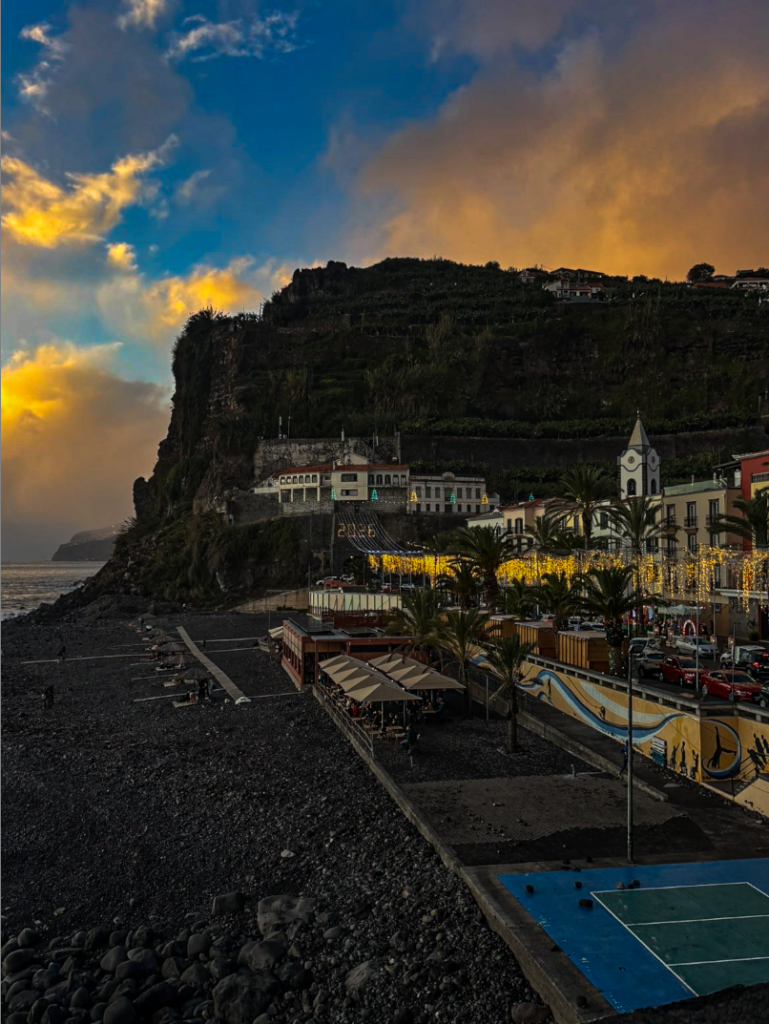
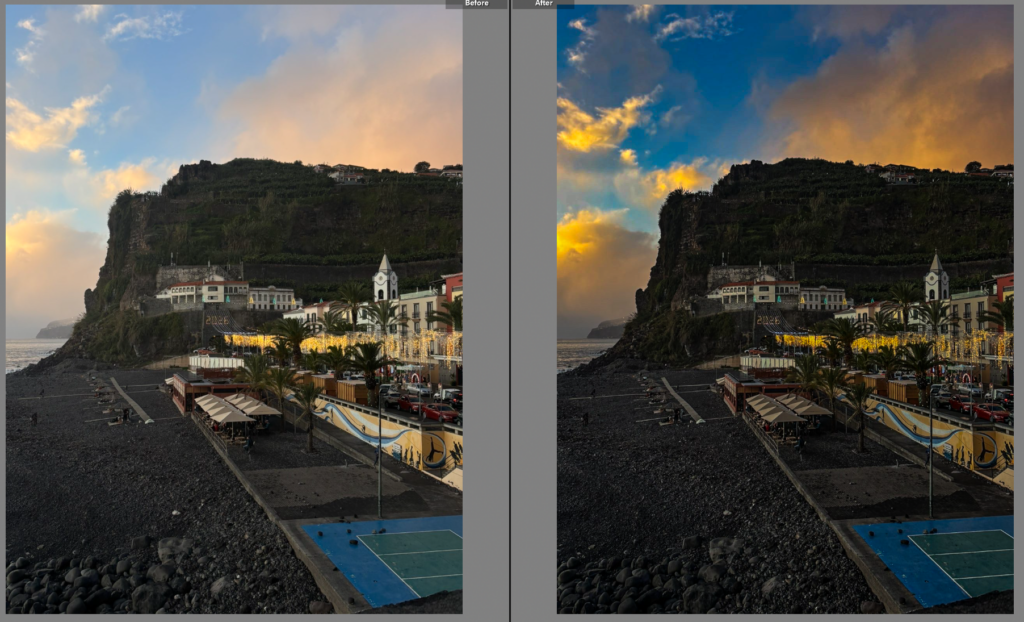
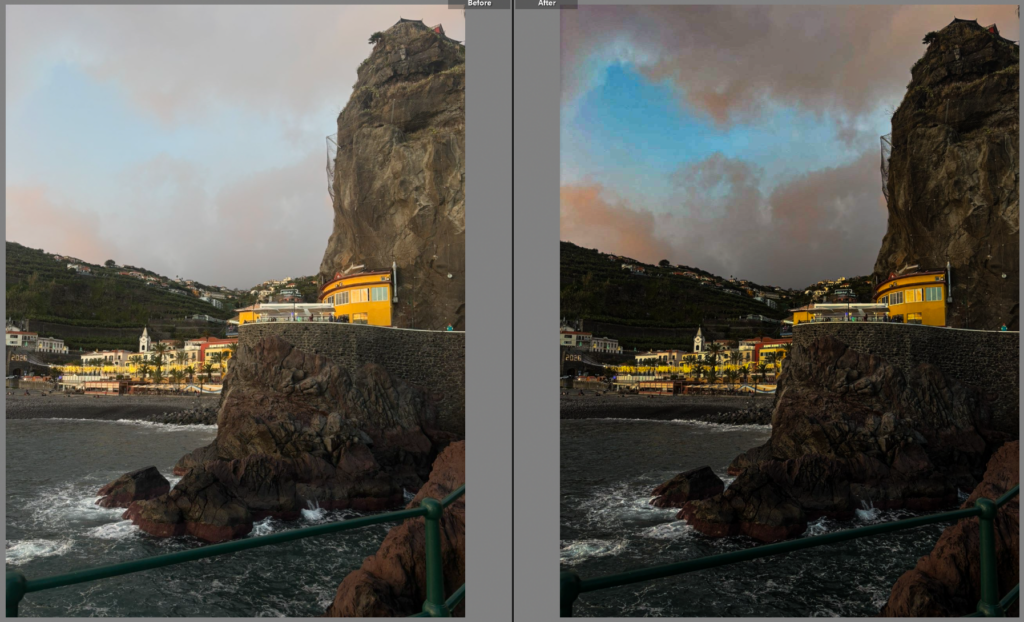
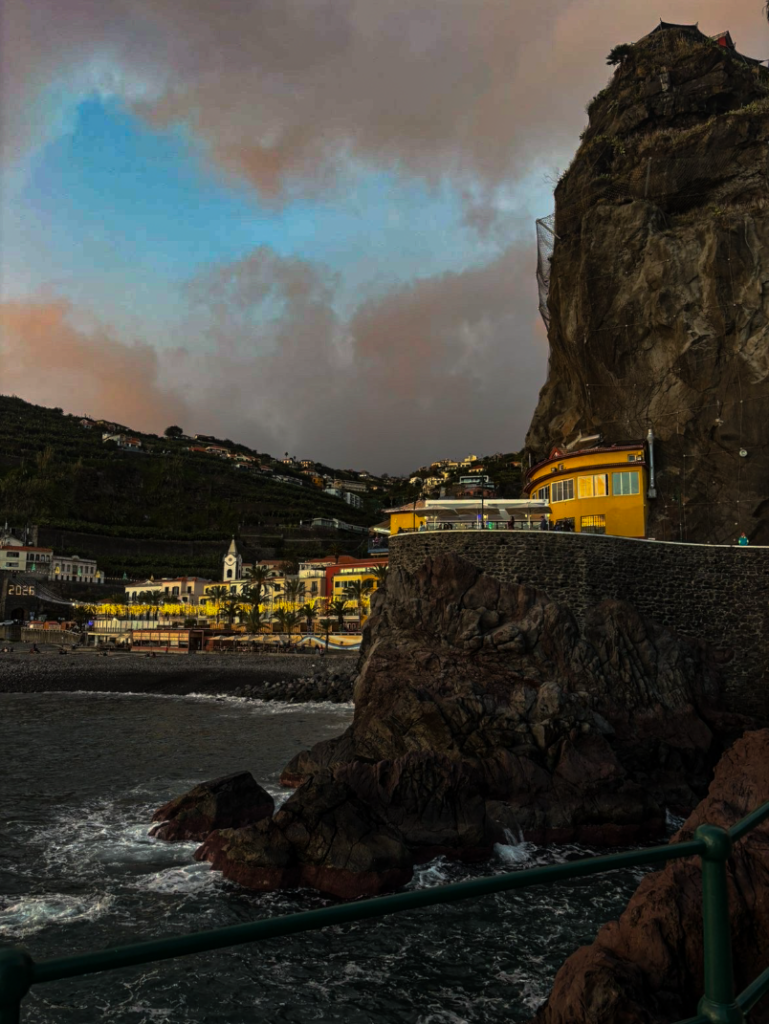
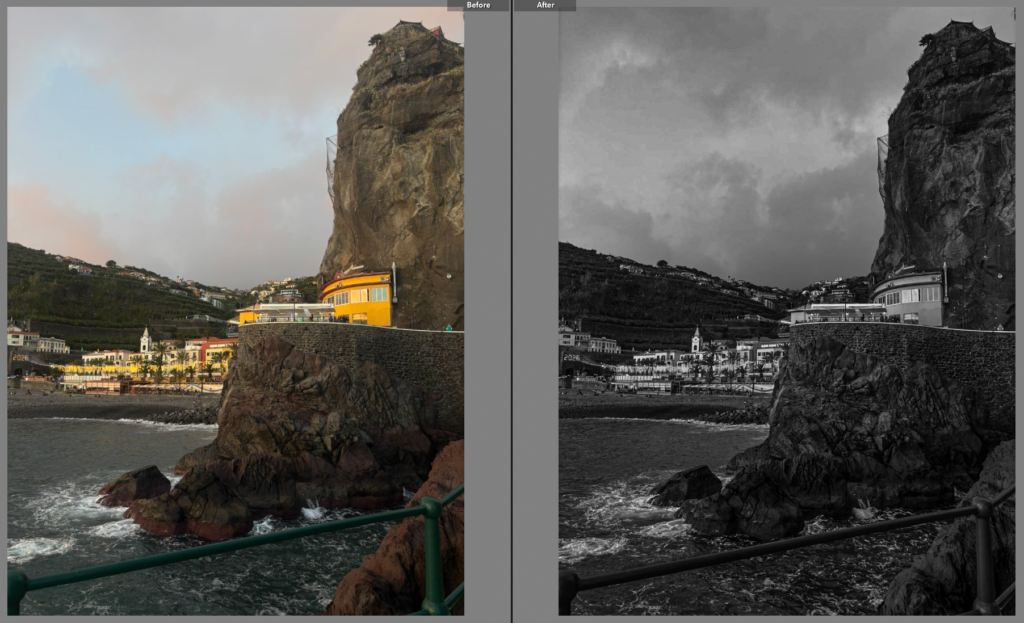
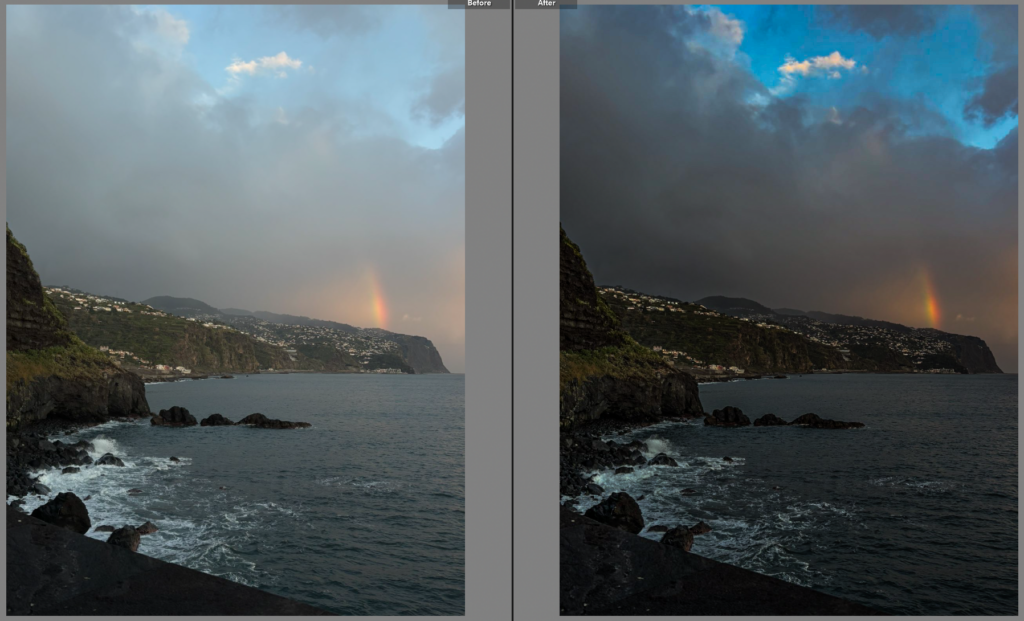
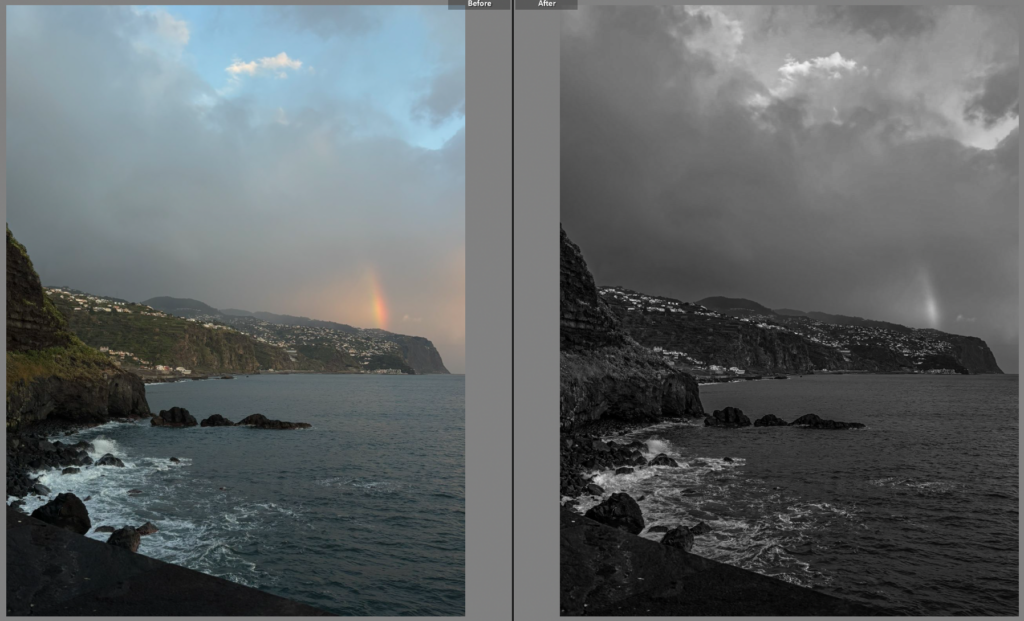
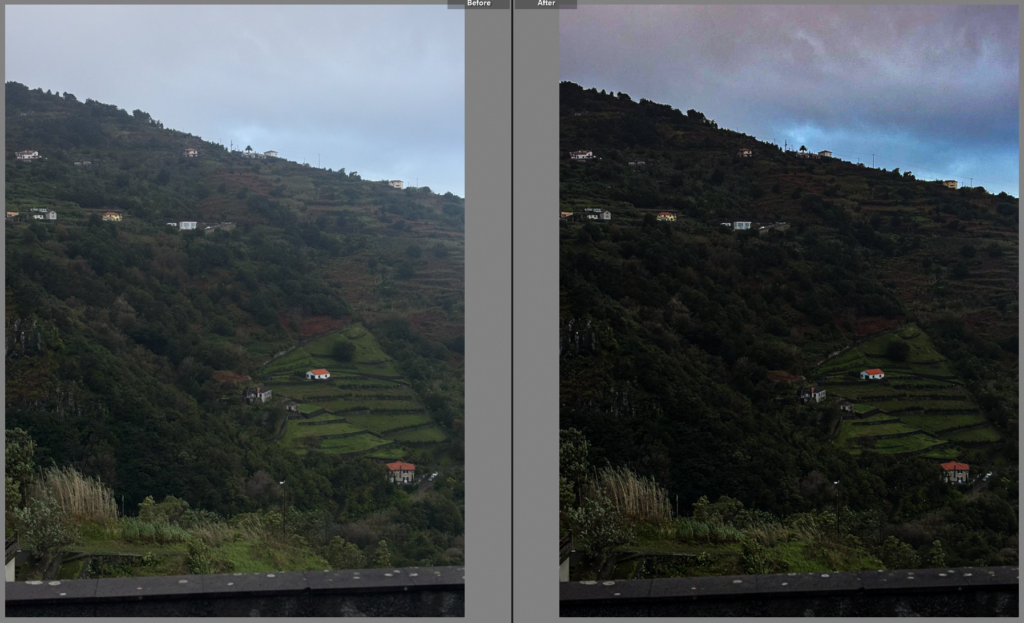
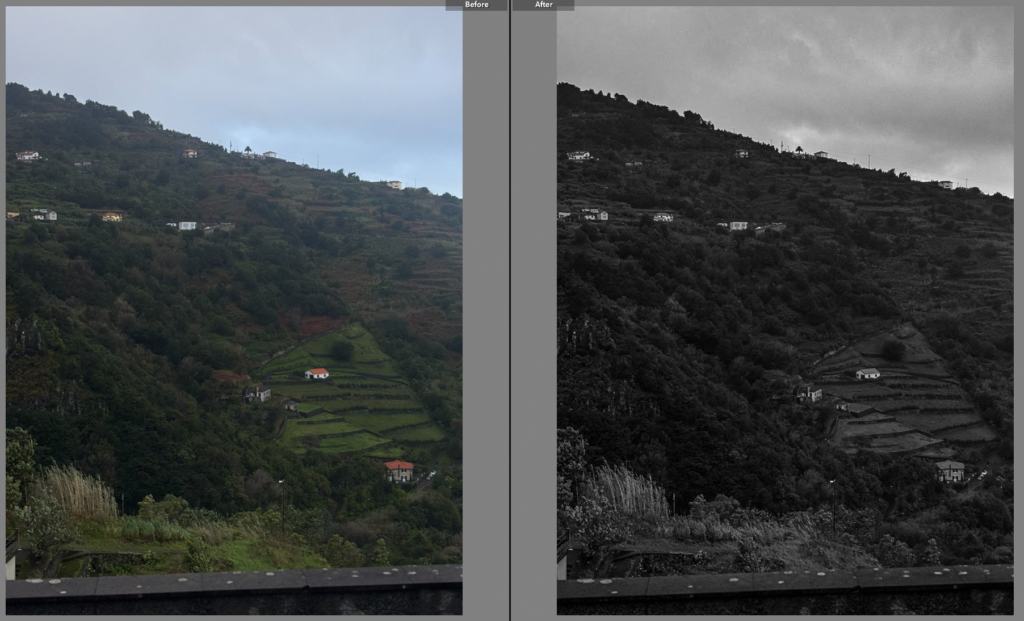
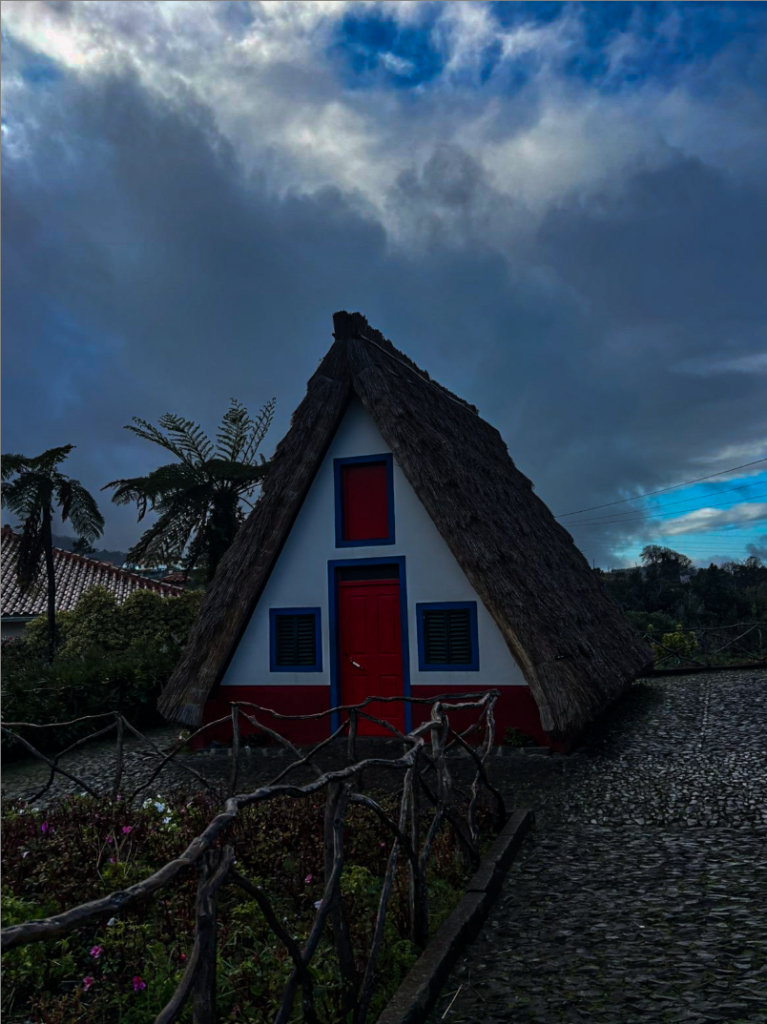
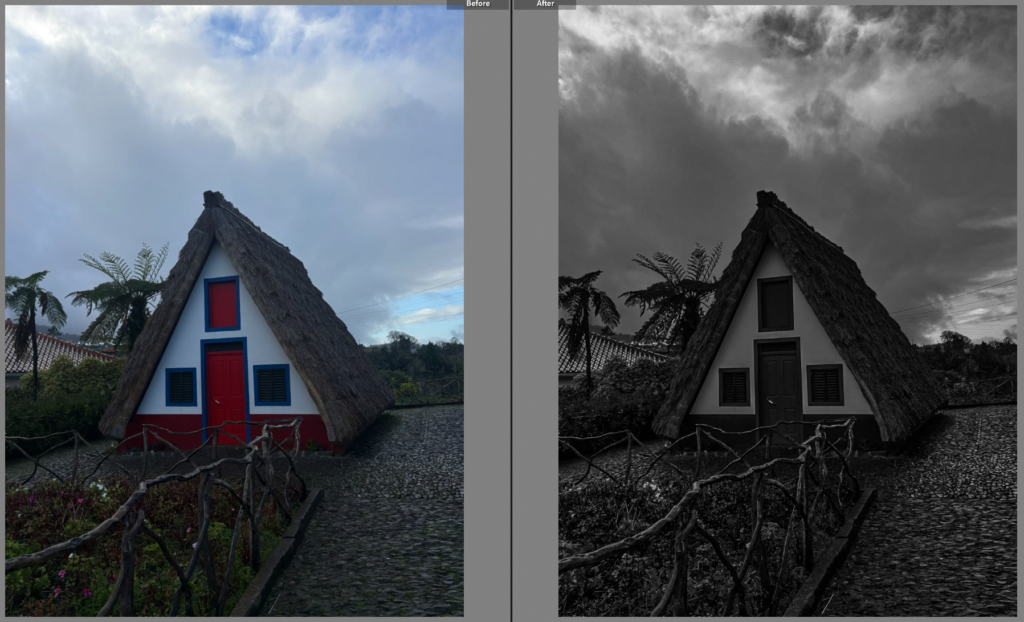
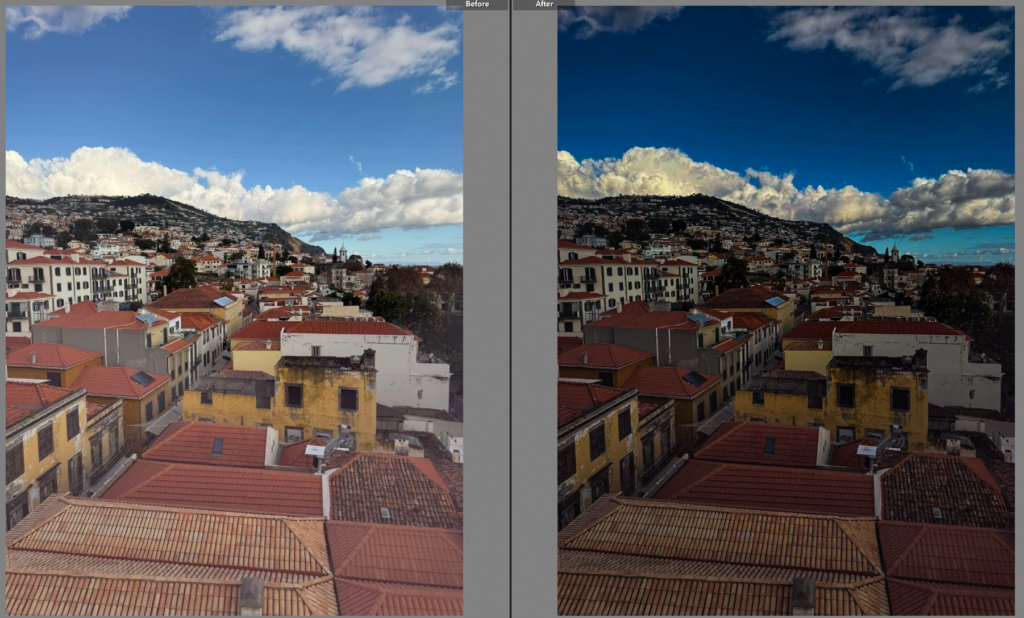
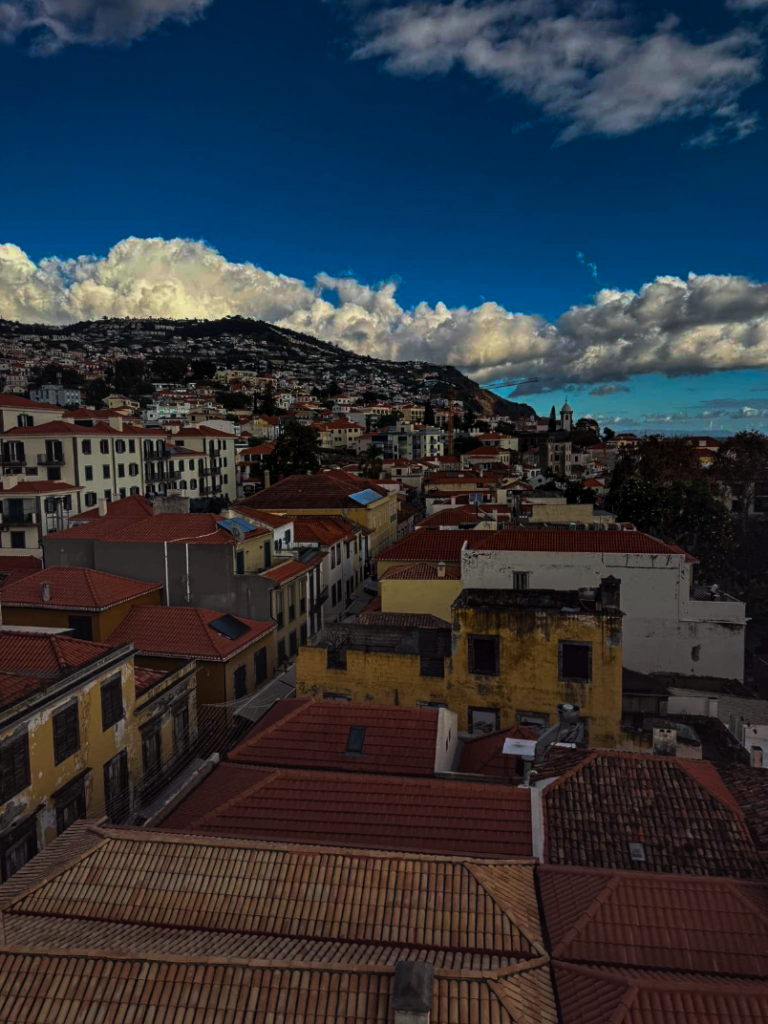
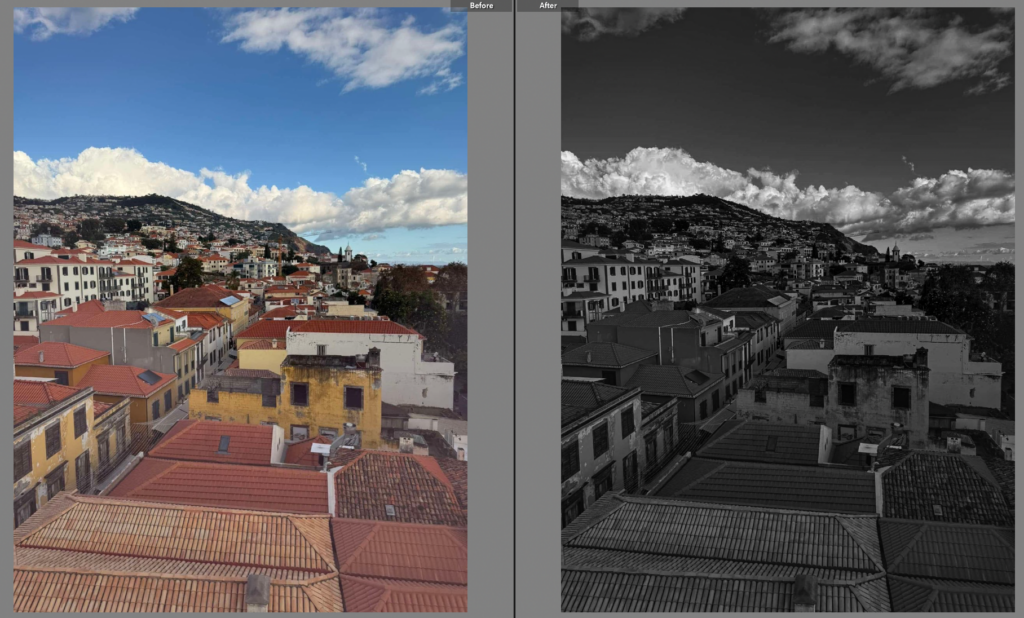
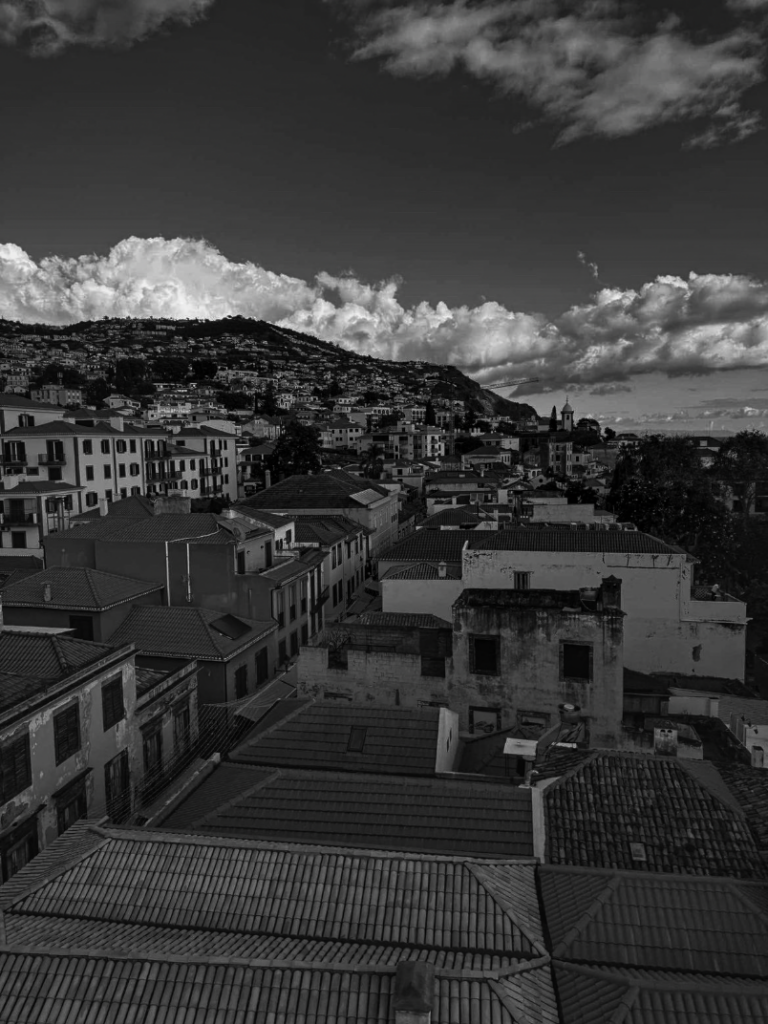
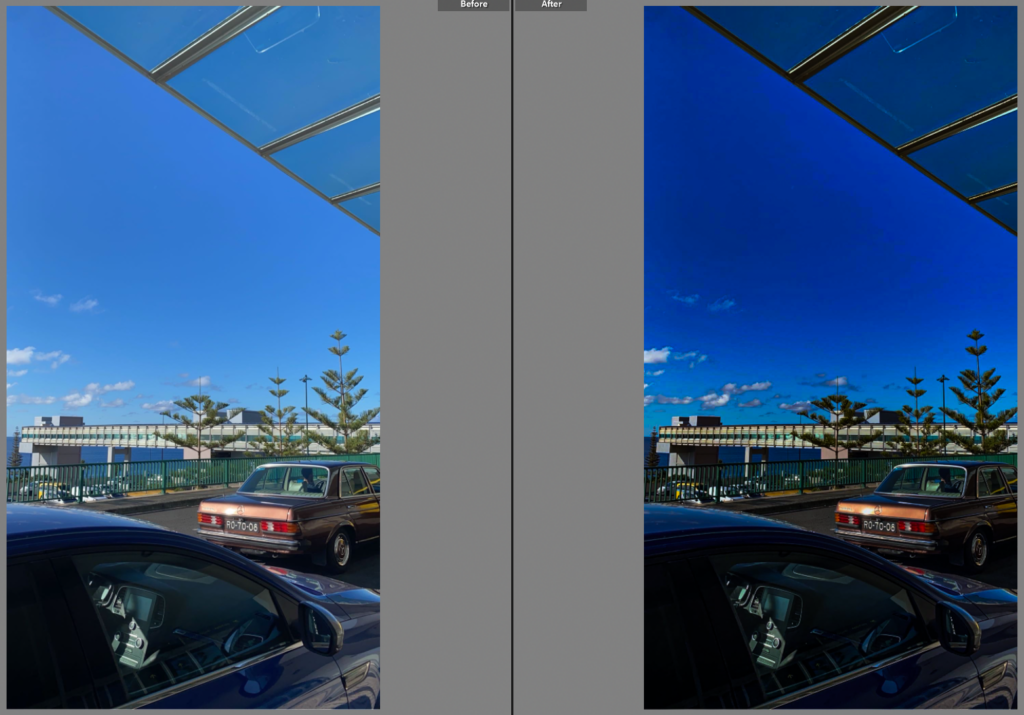
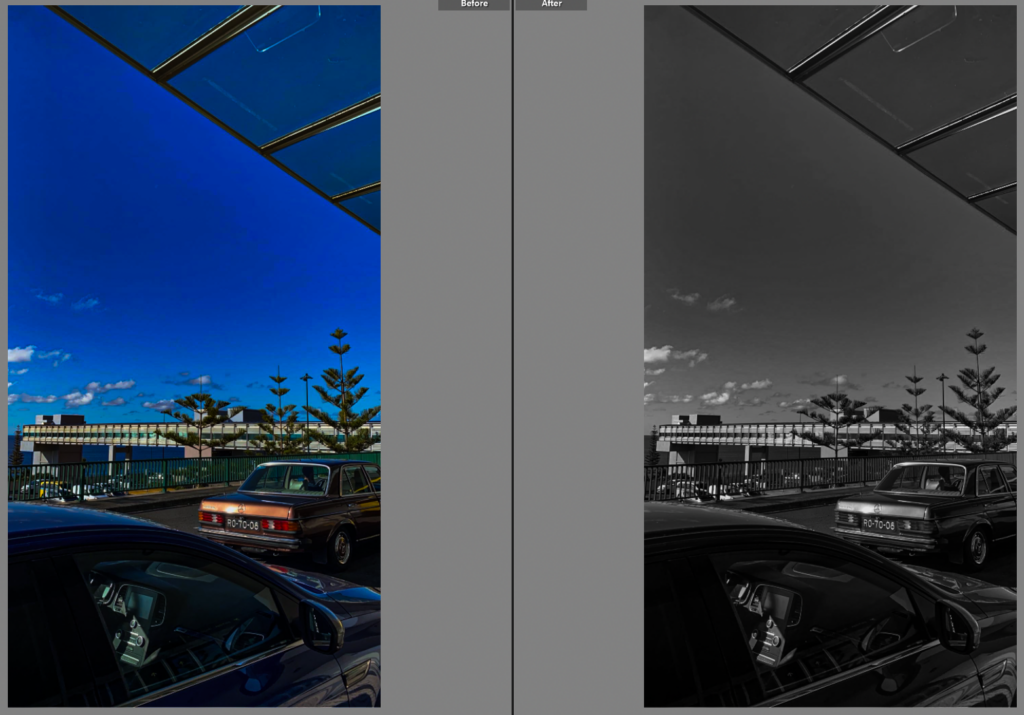
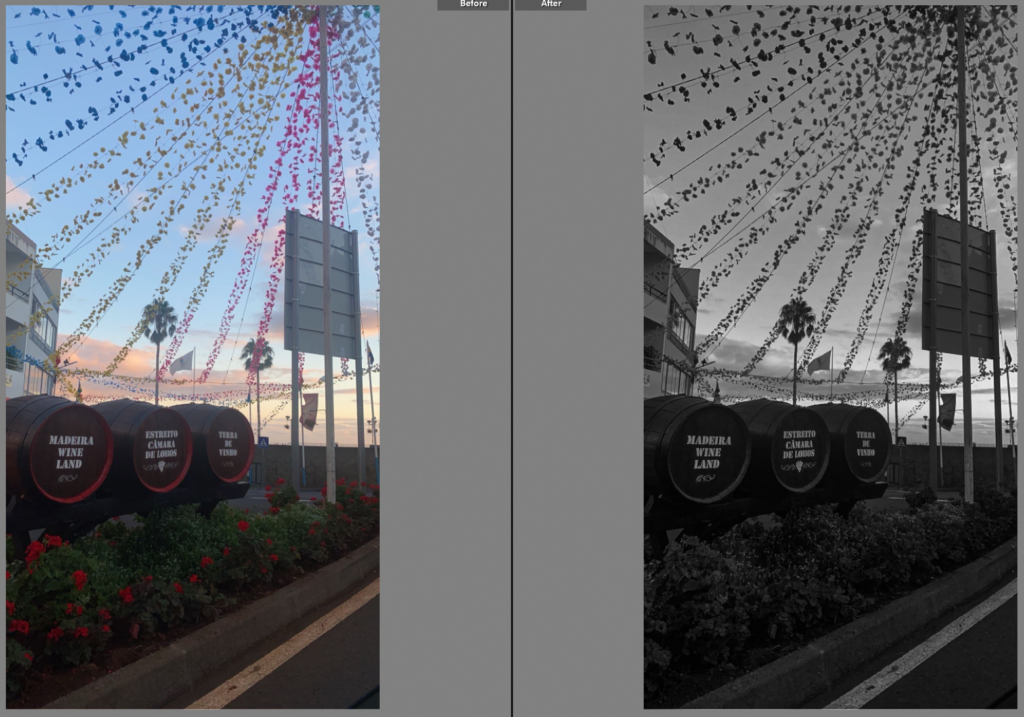
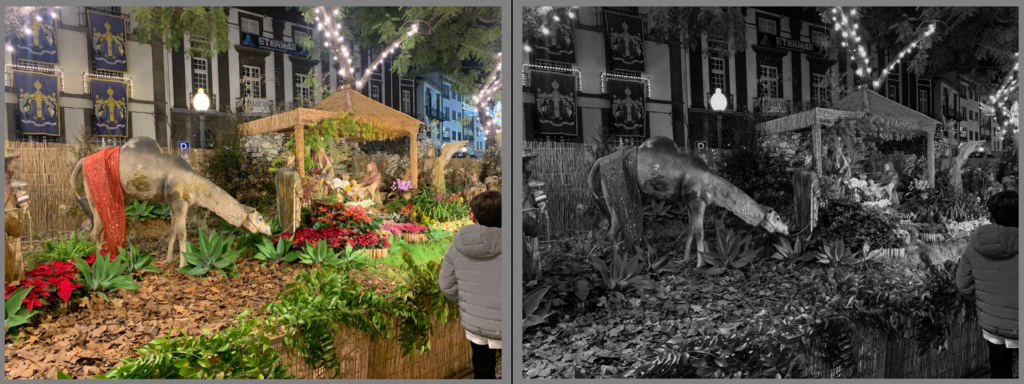
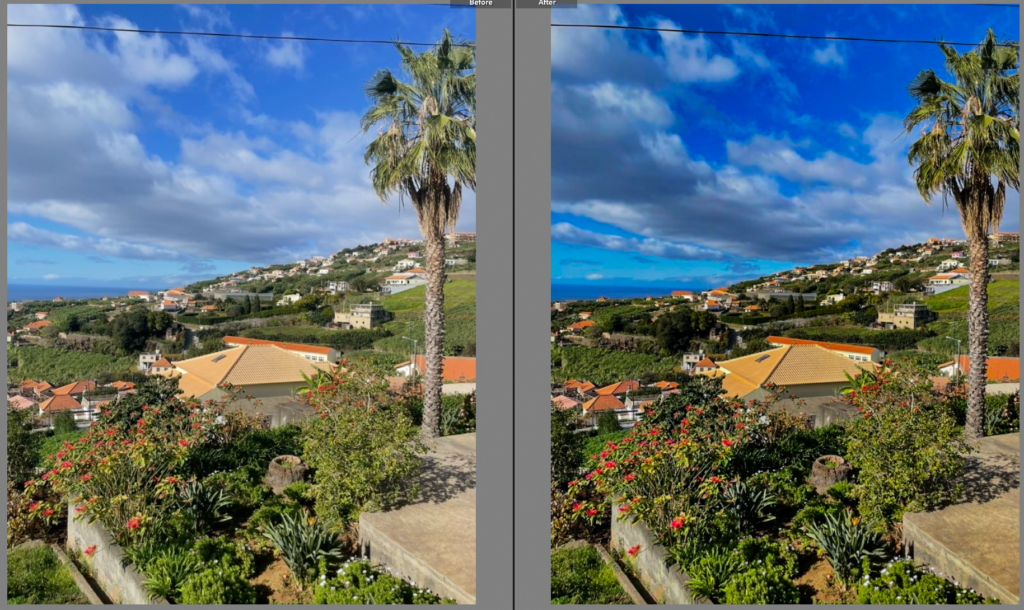
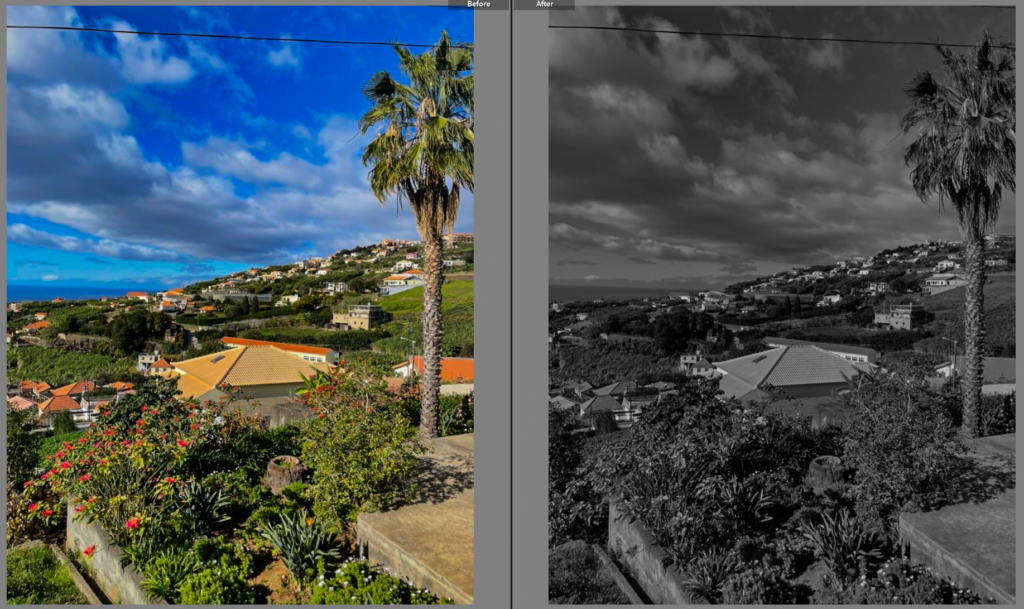
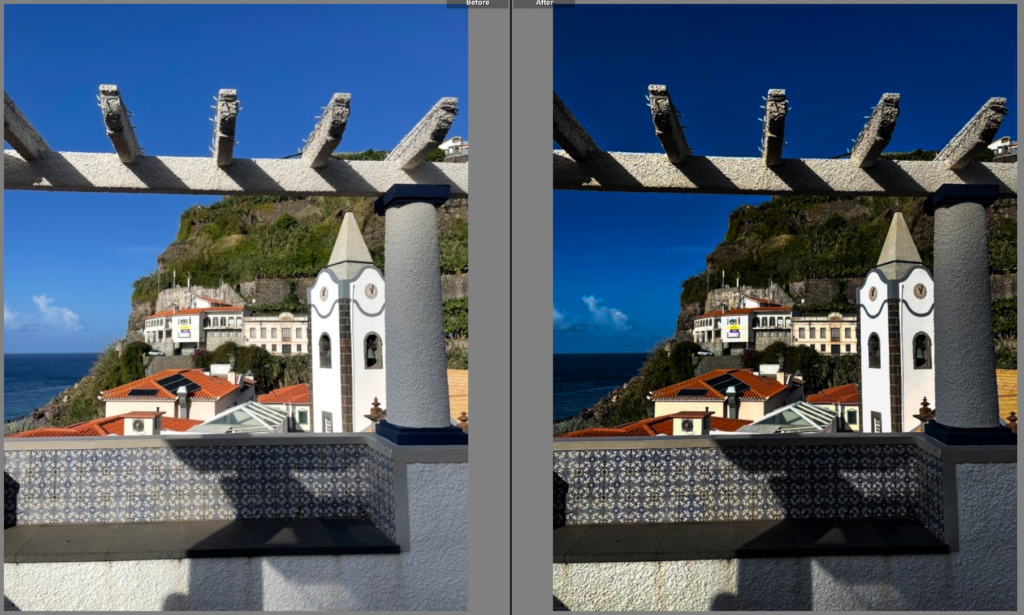
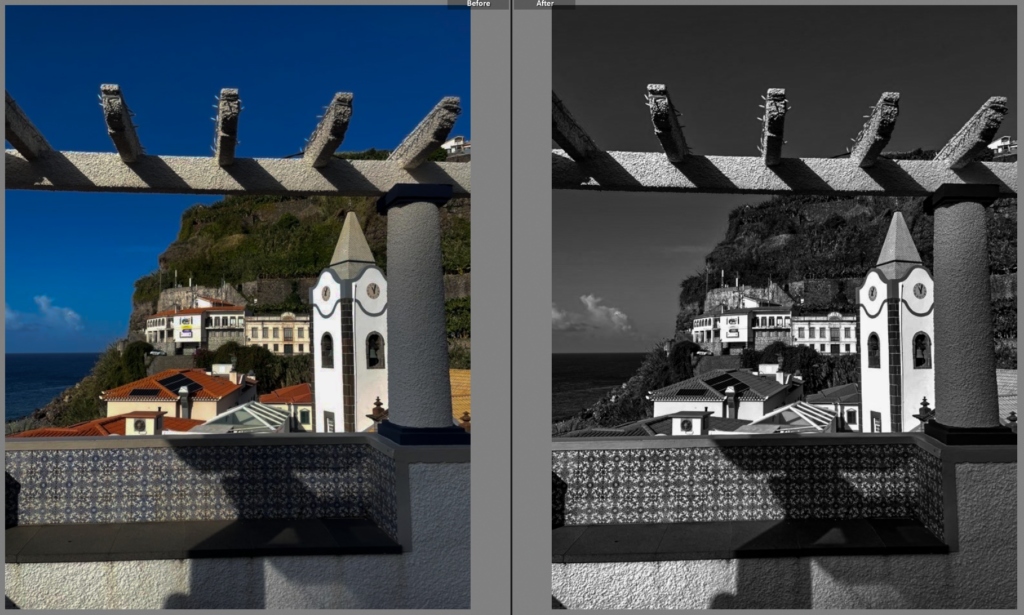
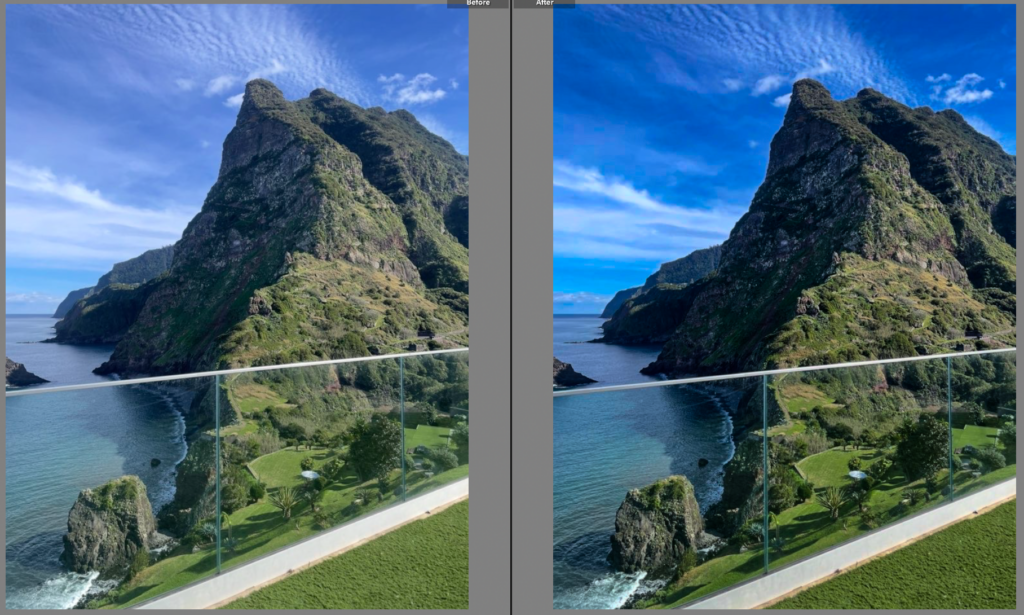
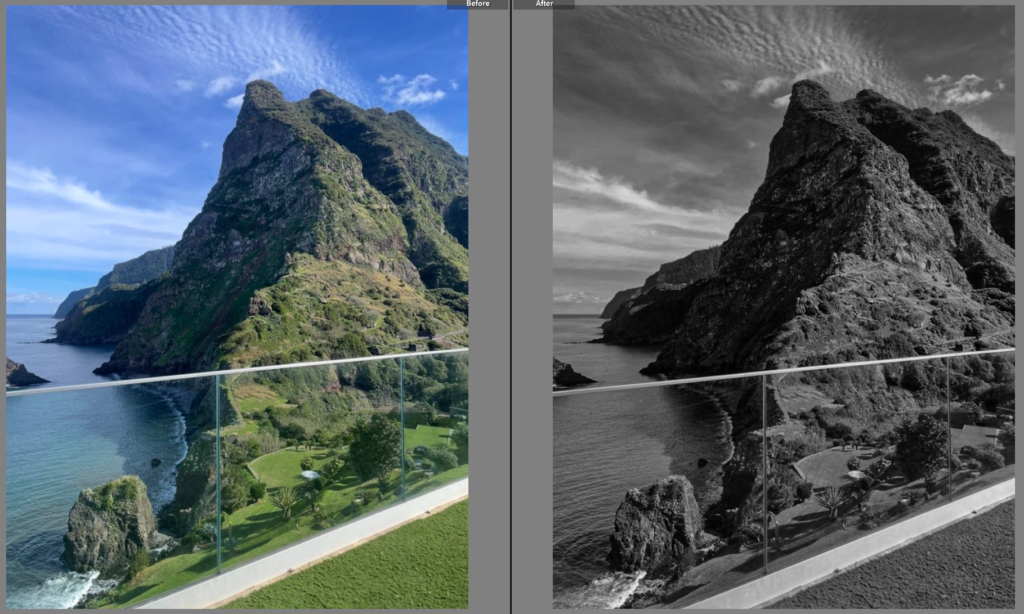
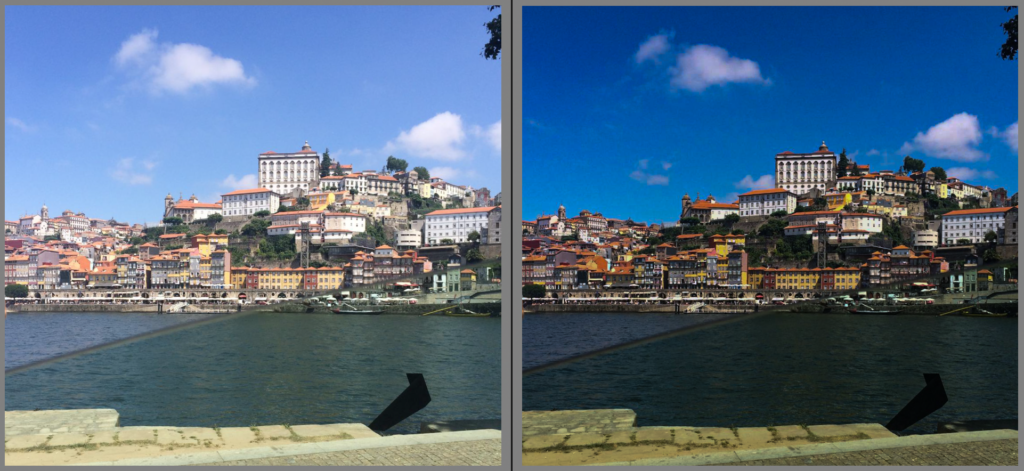
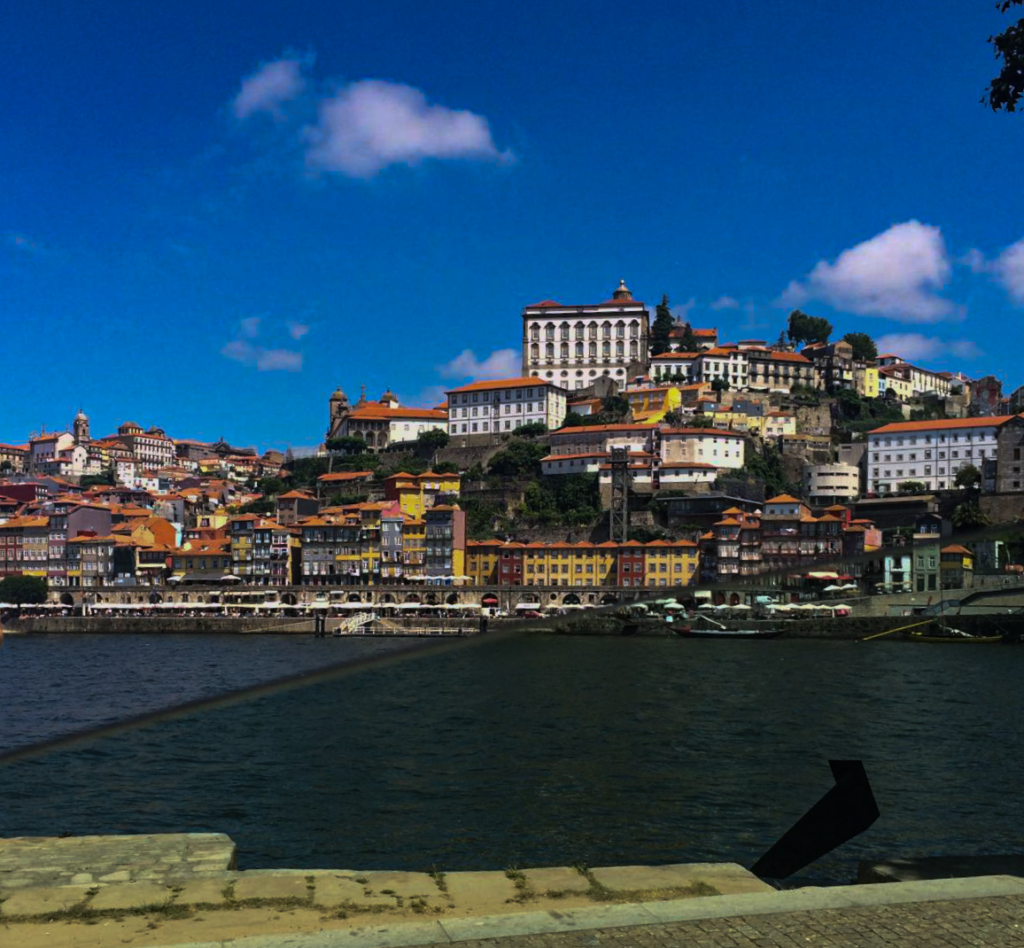
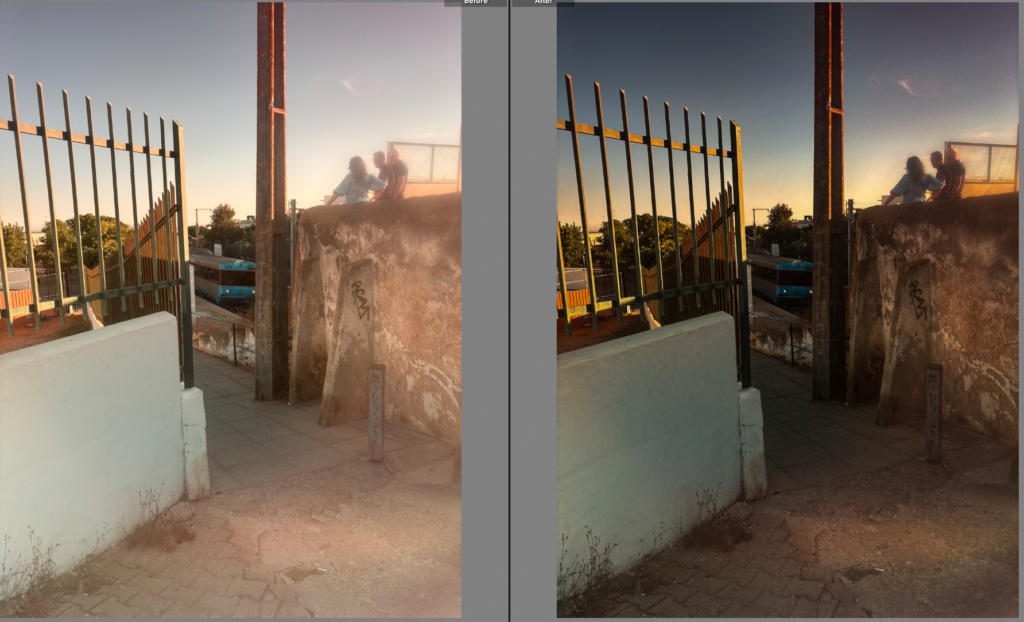
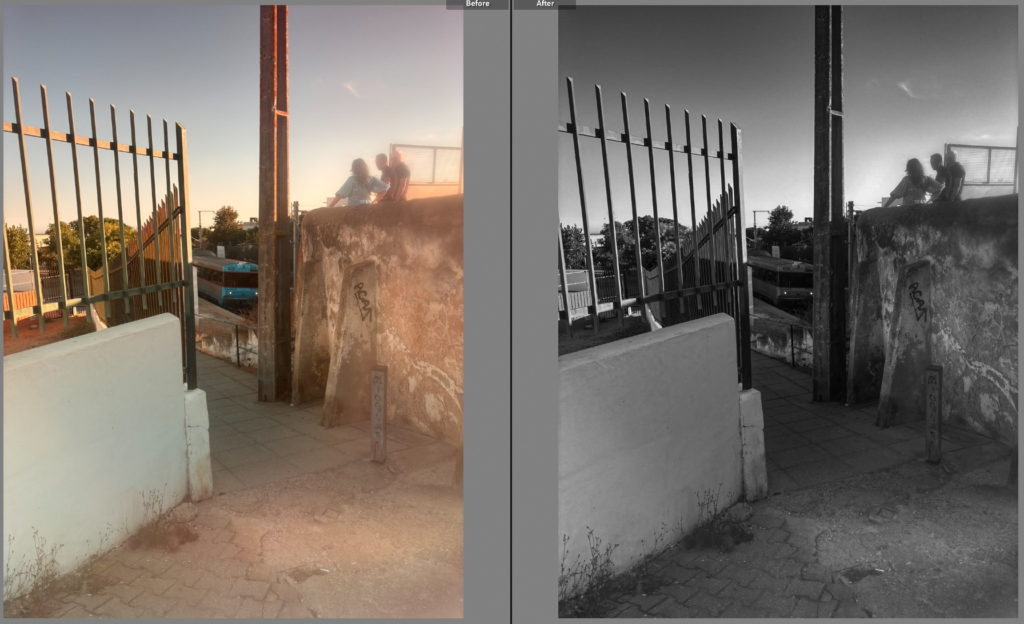
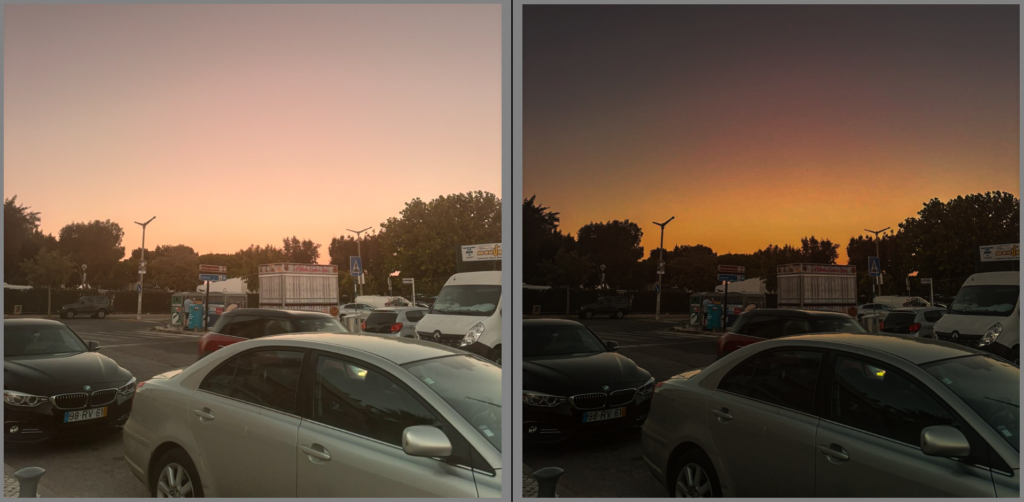
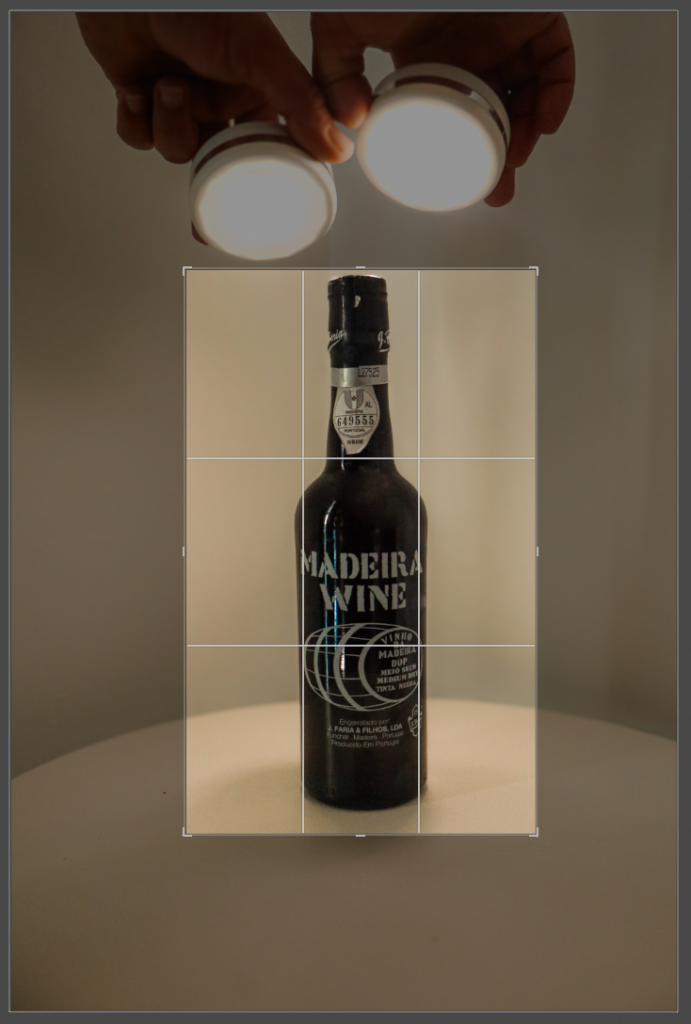
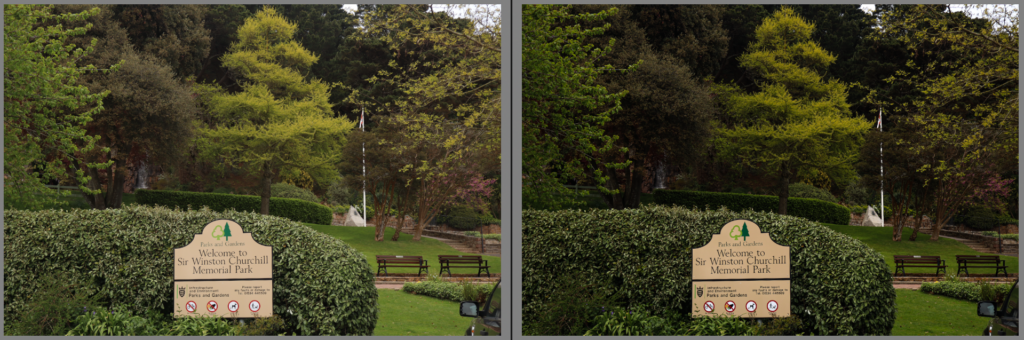
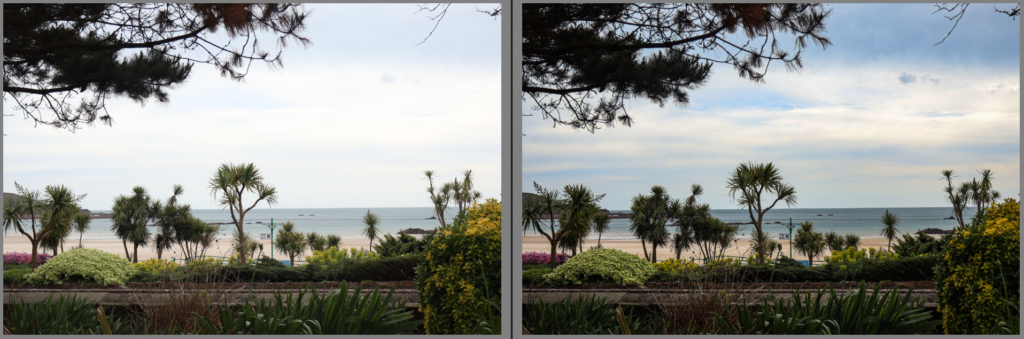
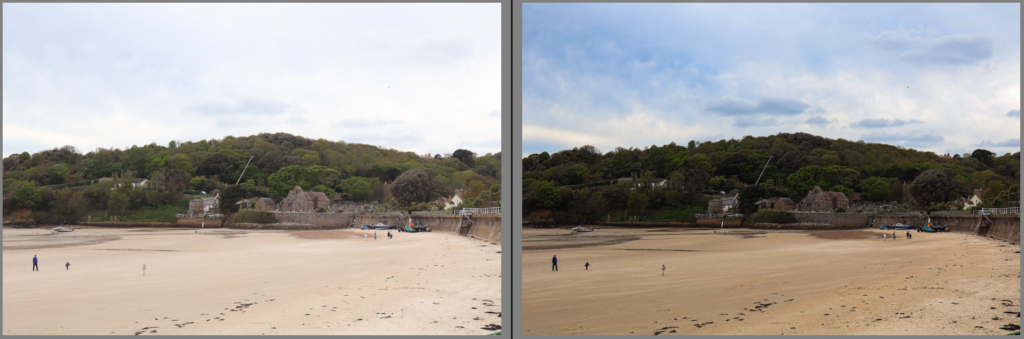
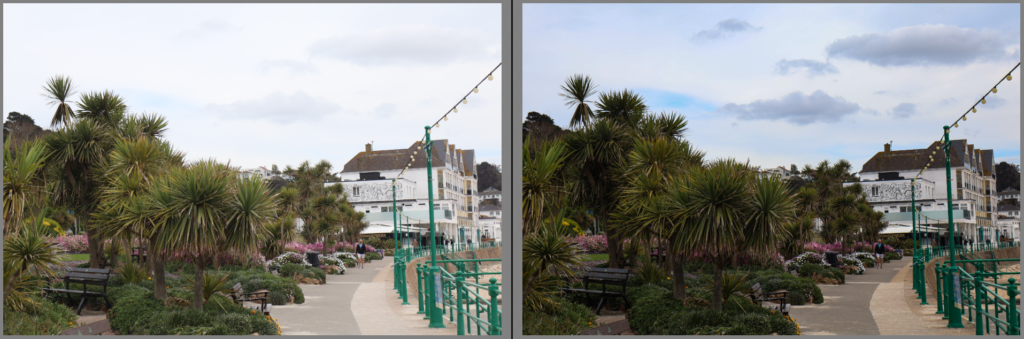
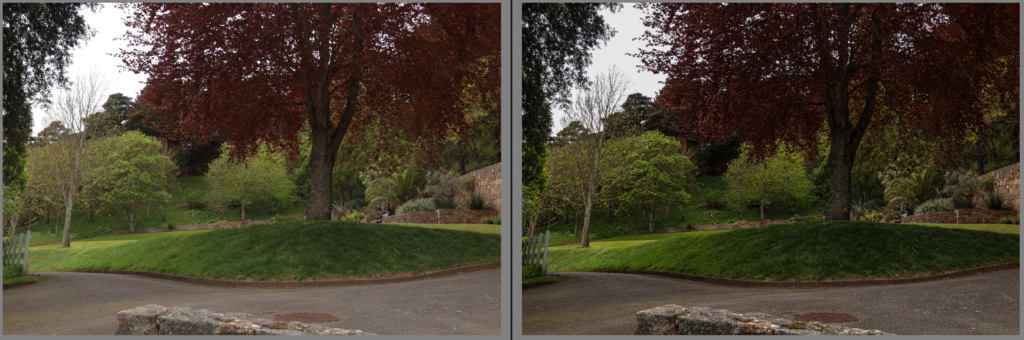
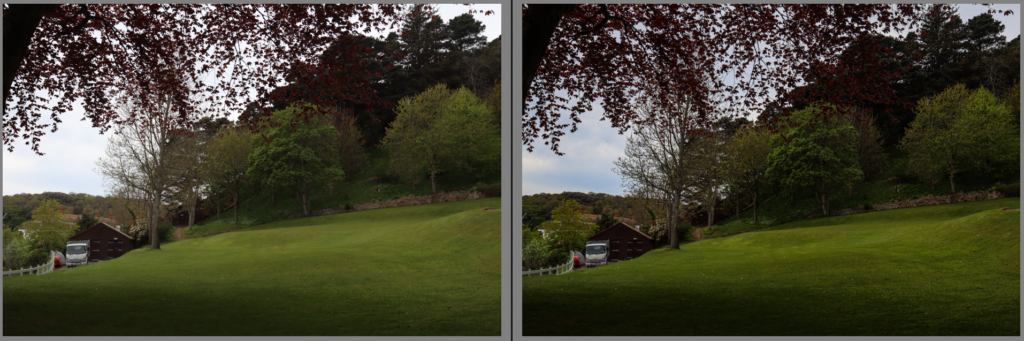
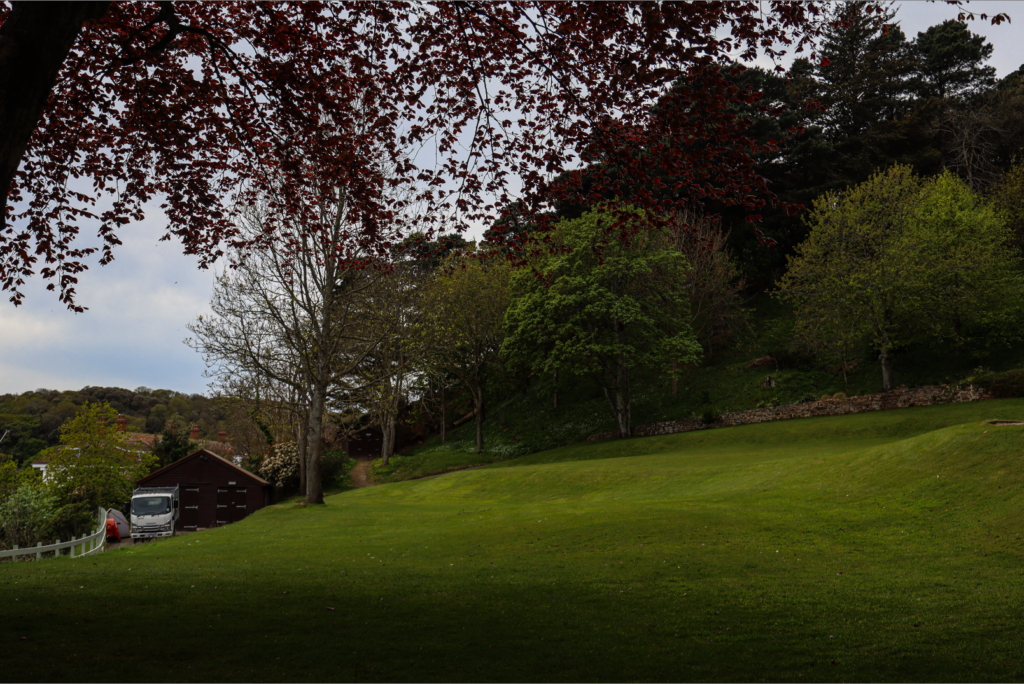
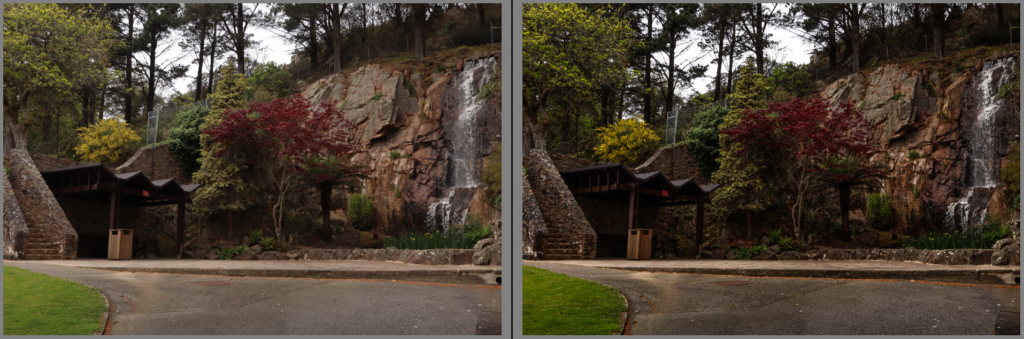
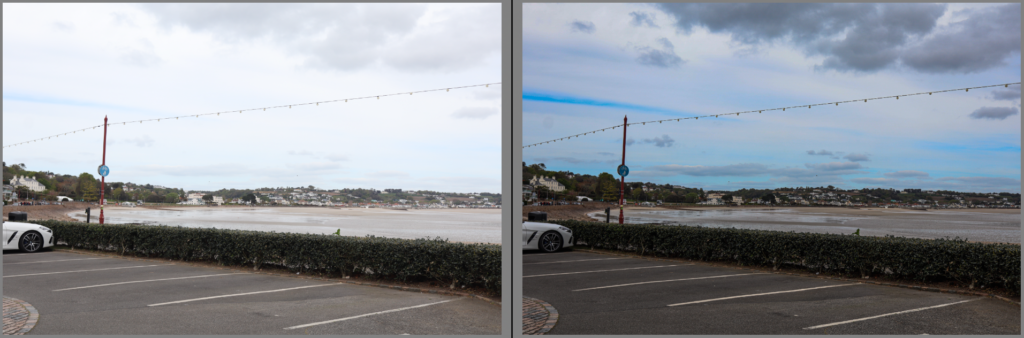
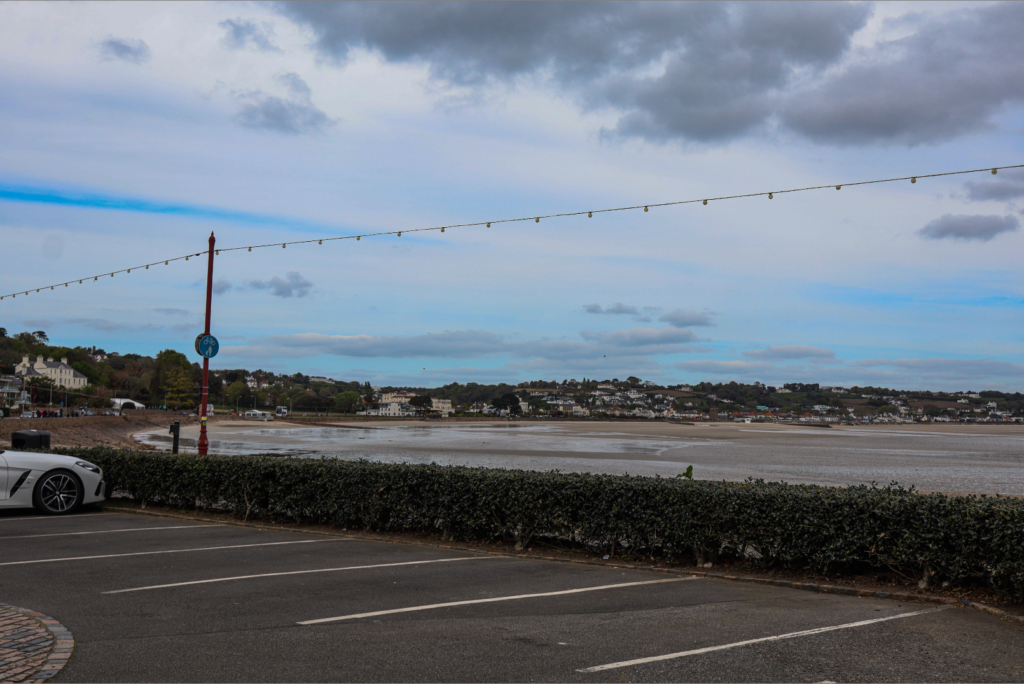
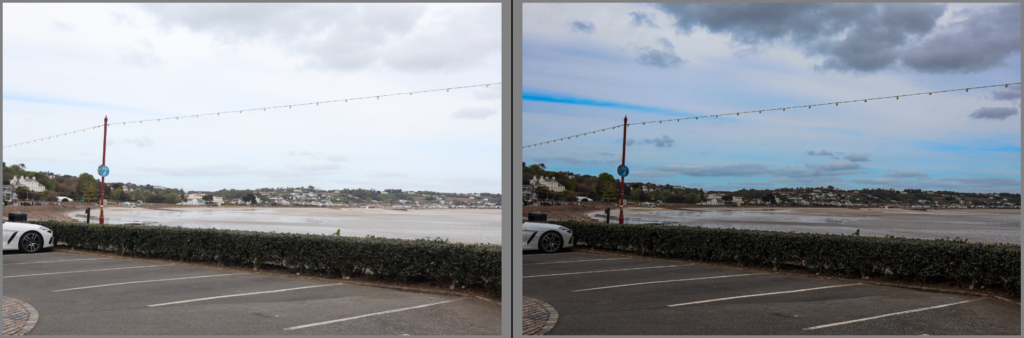
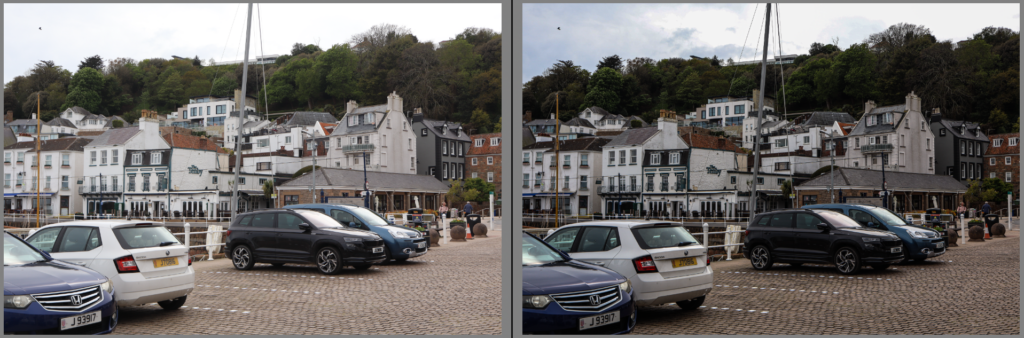
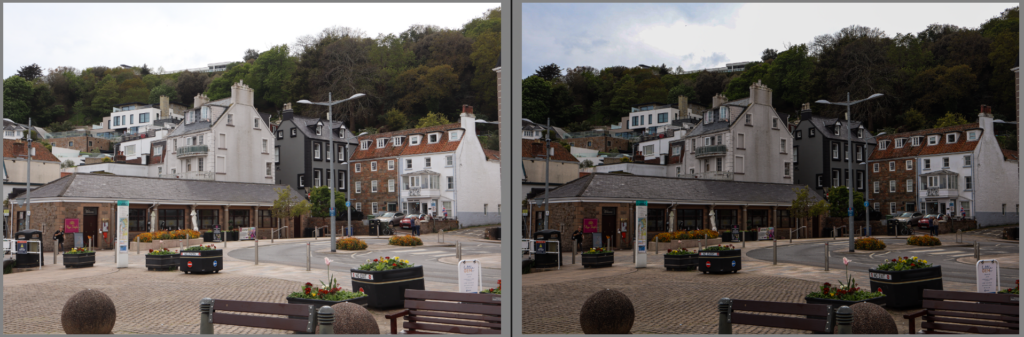
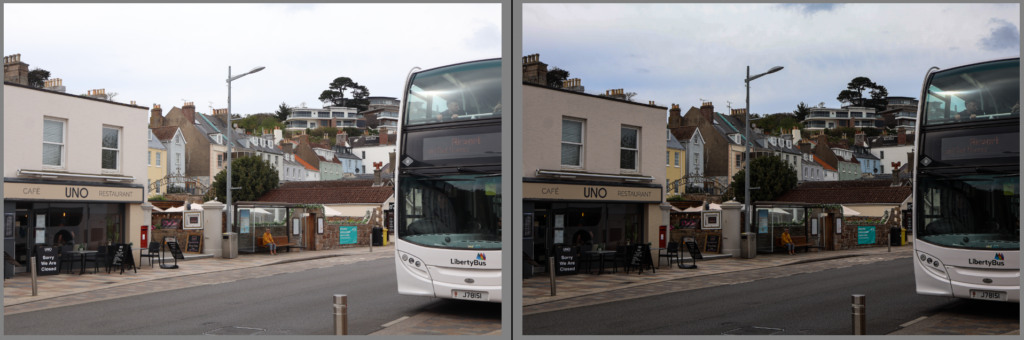
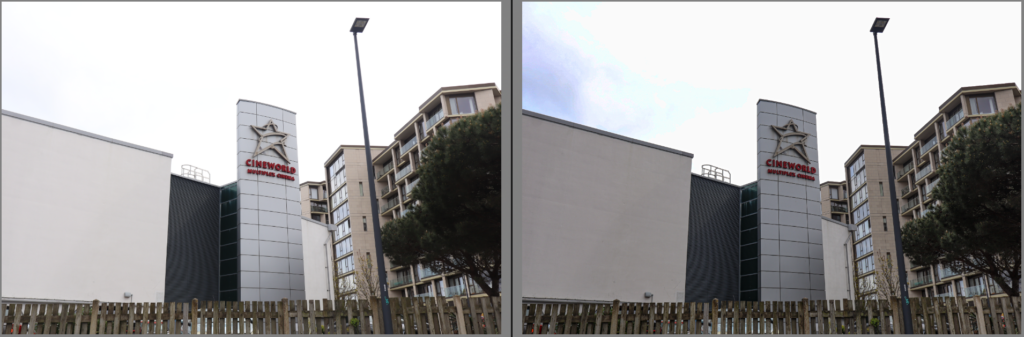
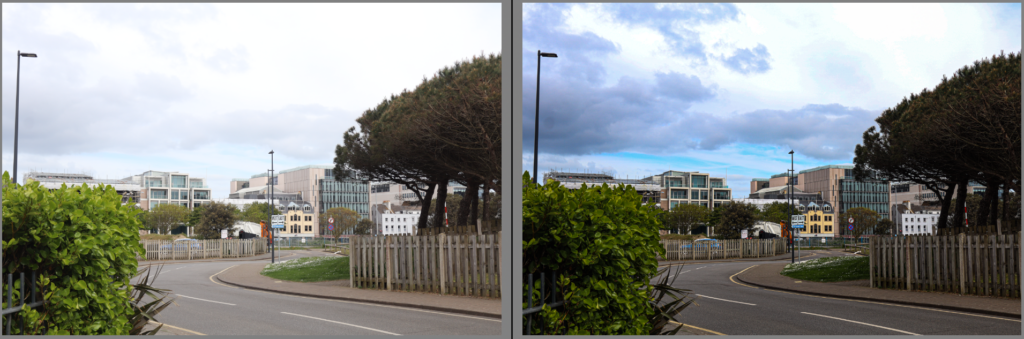
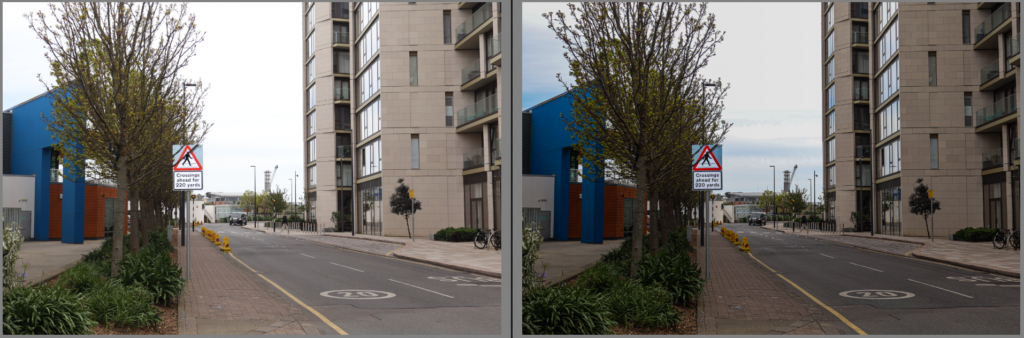
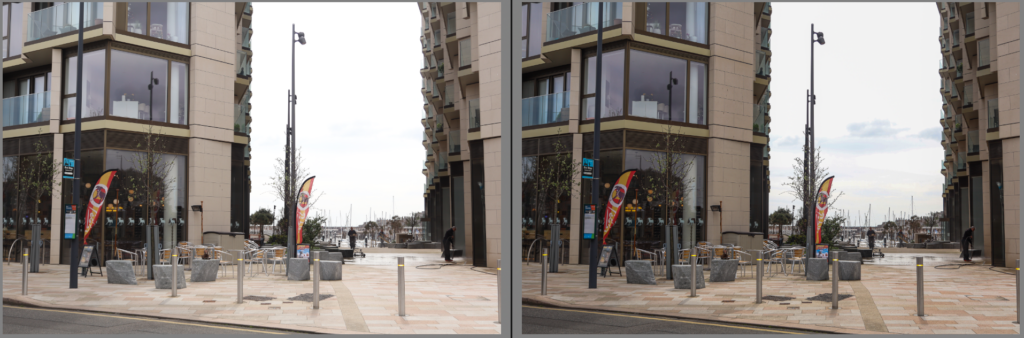
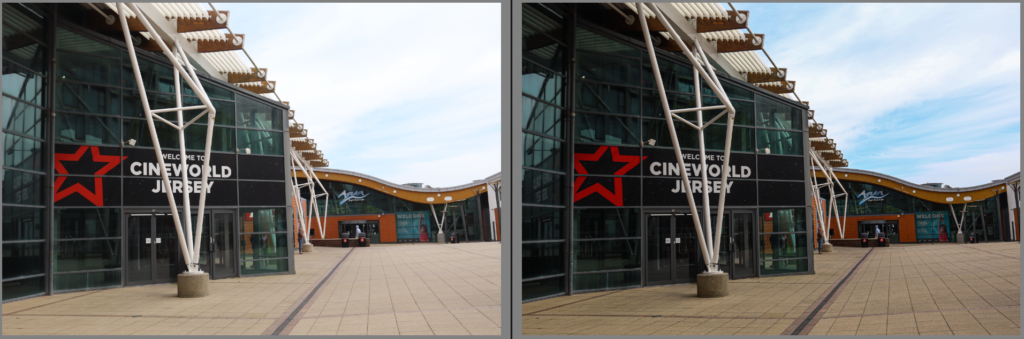
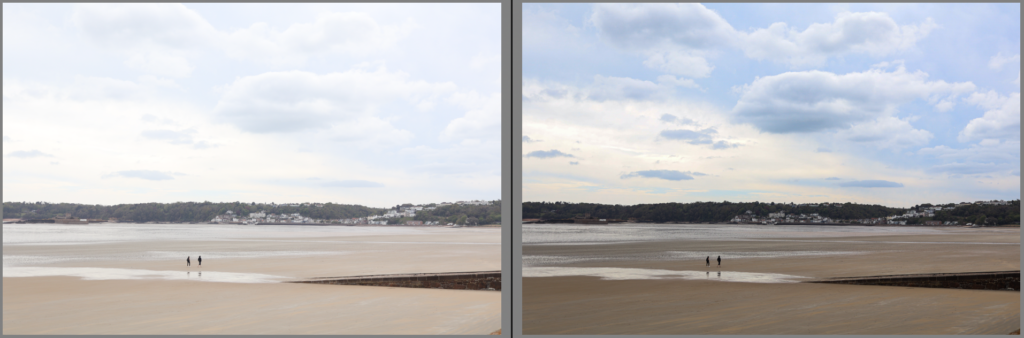
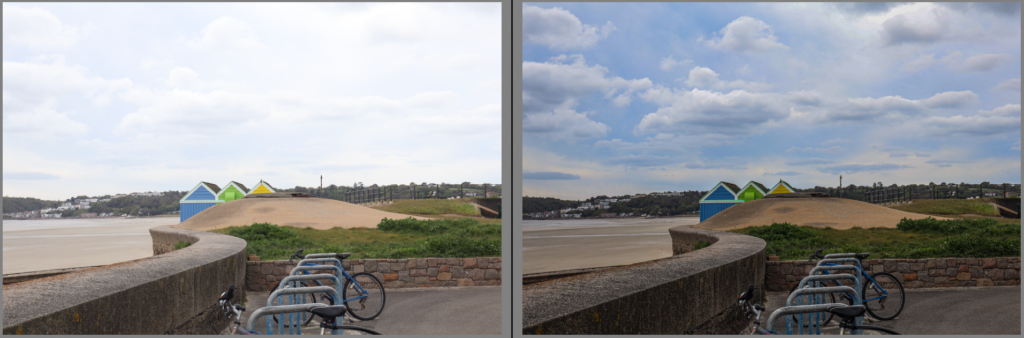
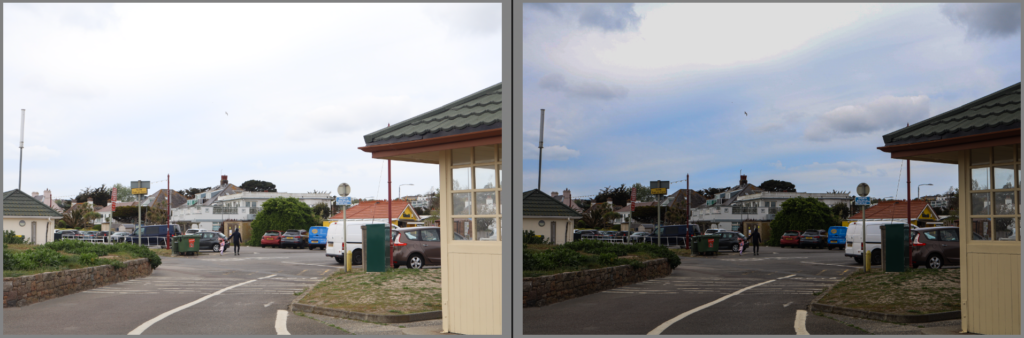
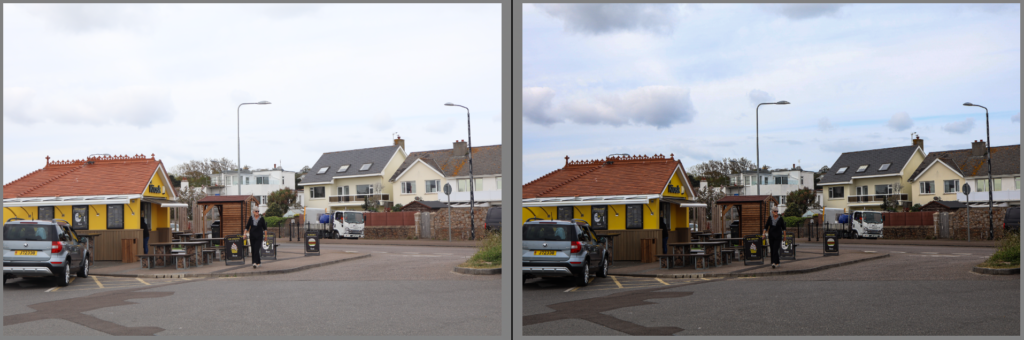
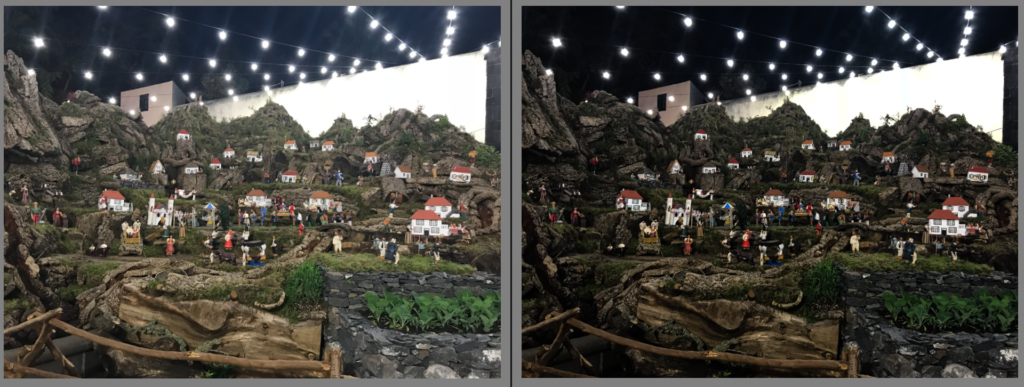
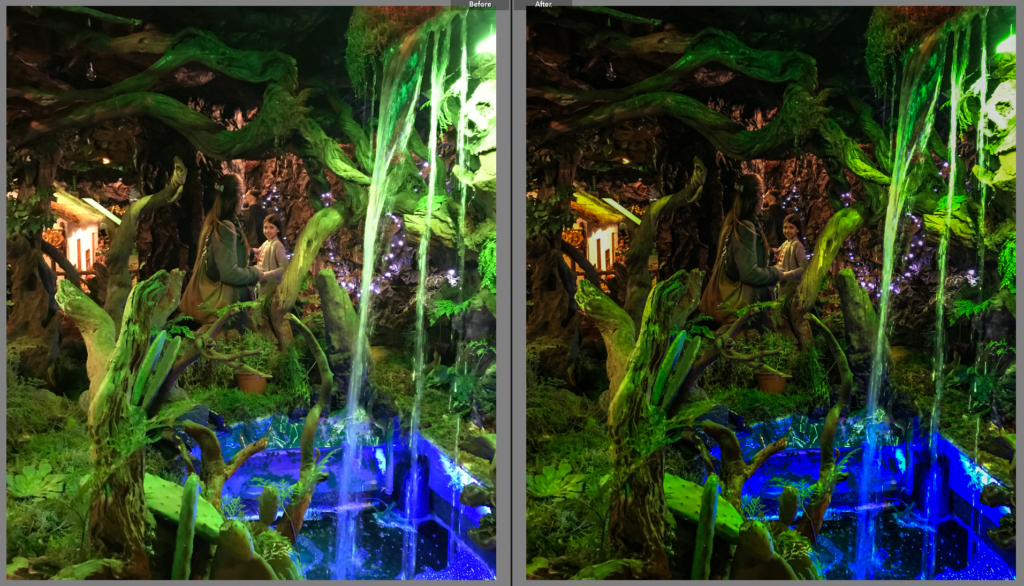
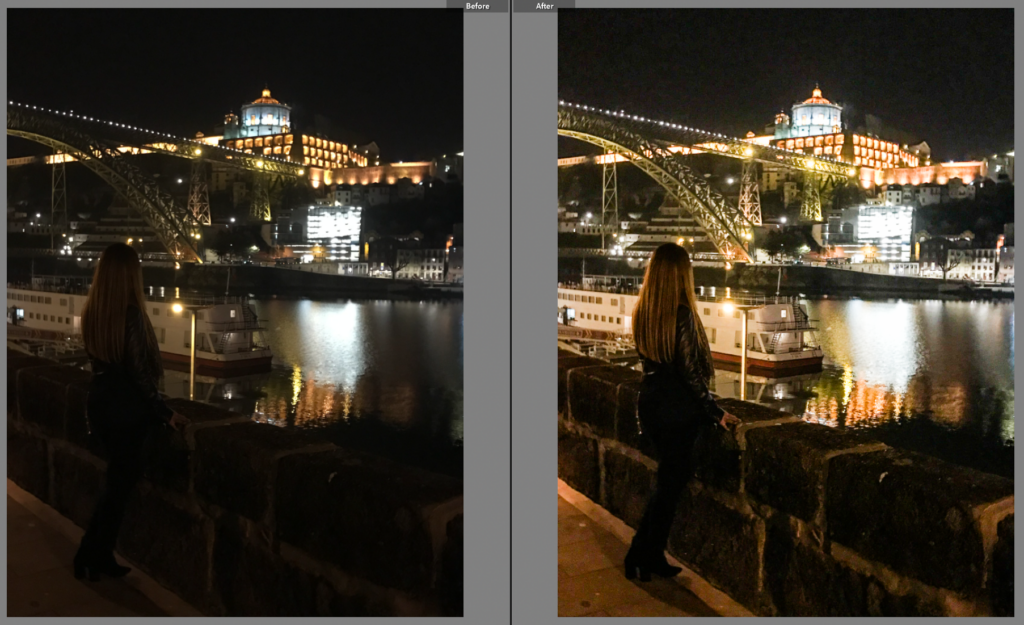
This is a before and after view of this image before and after editing.

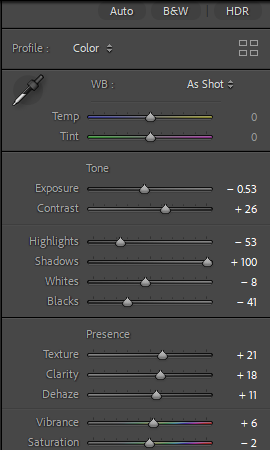
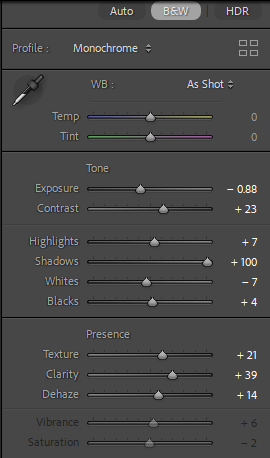
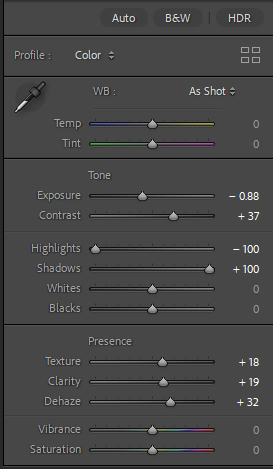
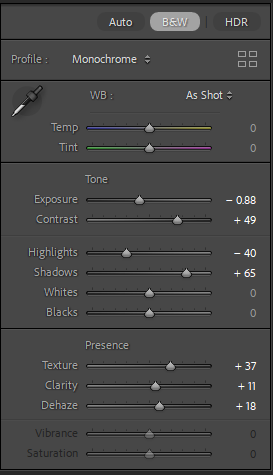
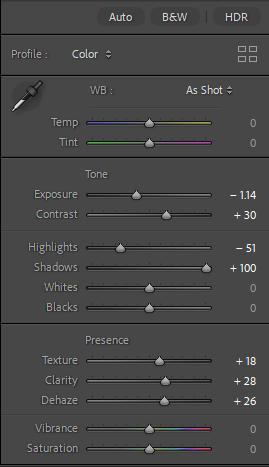
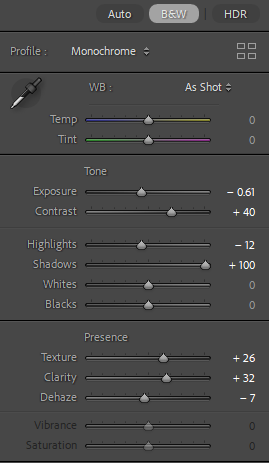
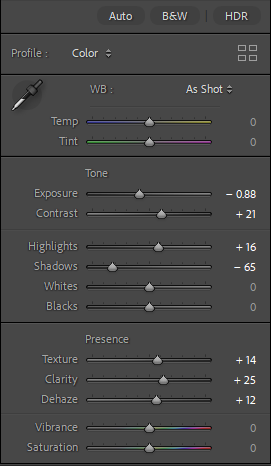
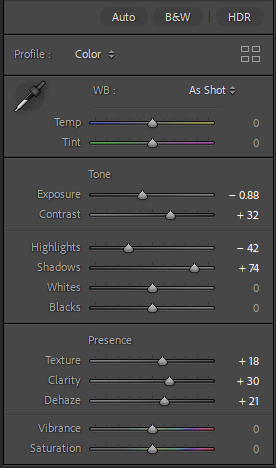
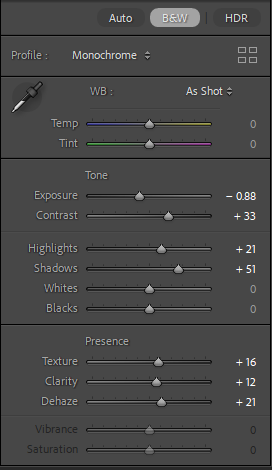
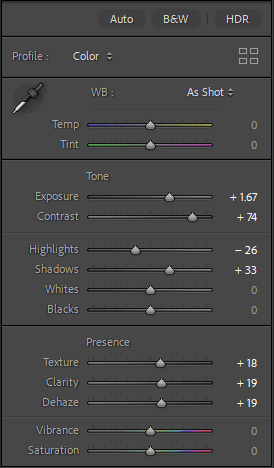
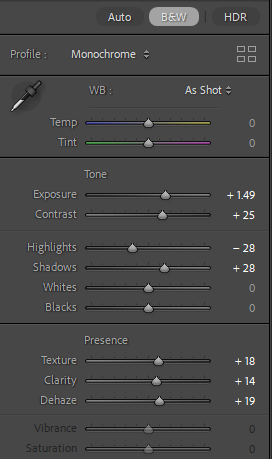
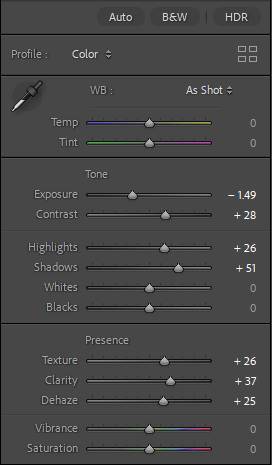
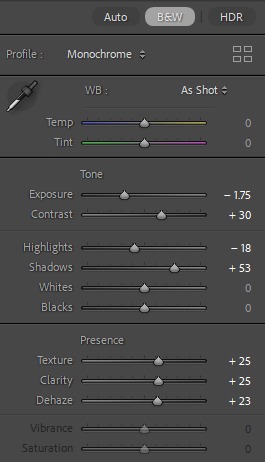
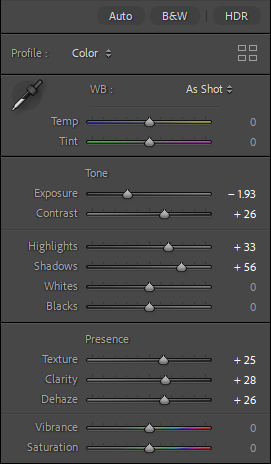
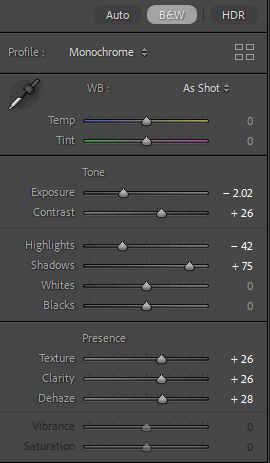
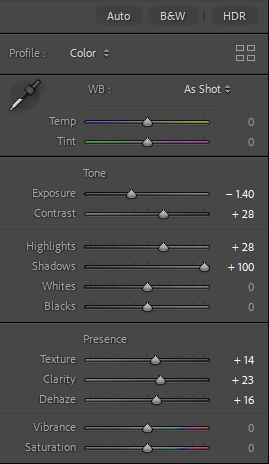
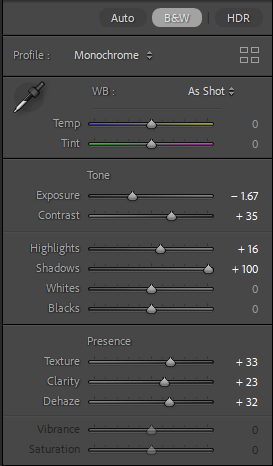
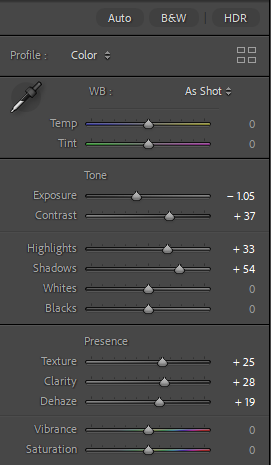
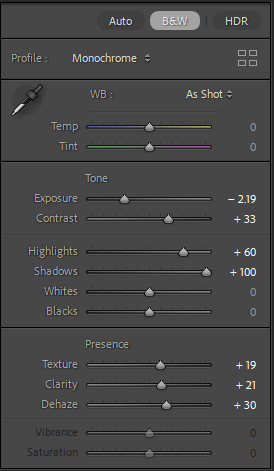
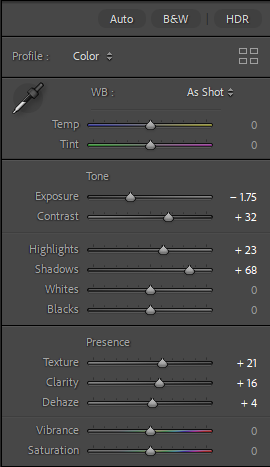
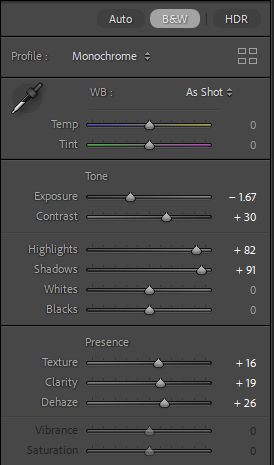
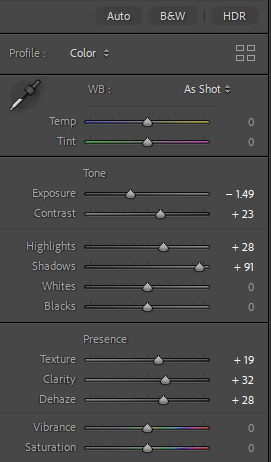
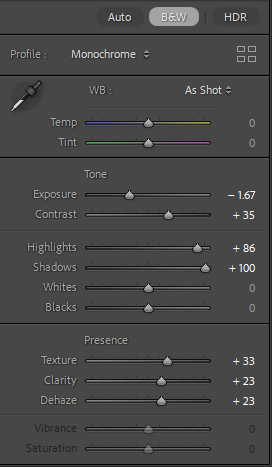
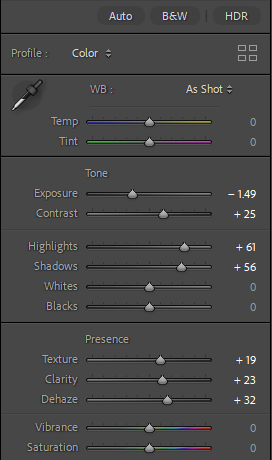
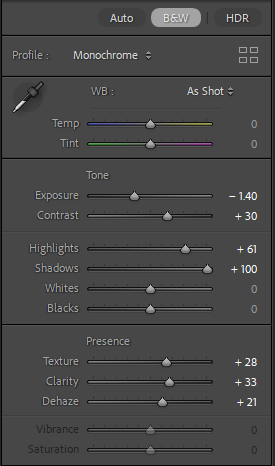
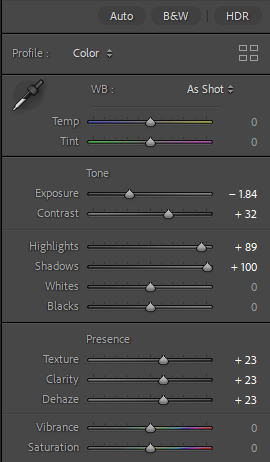
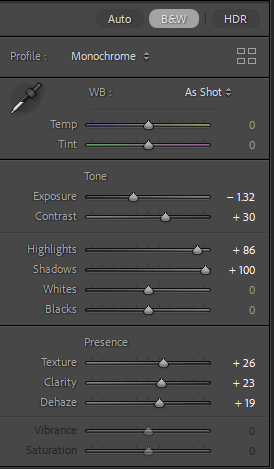
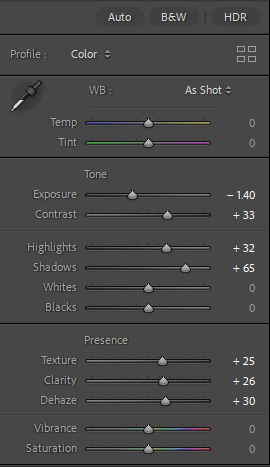
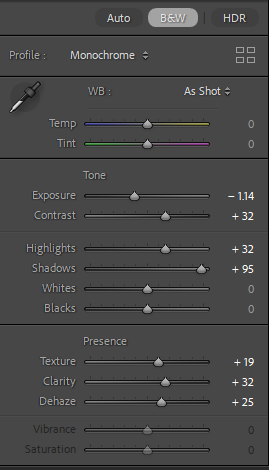
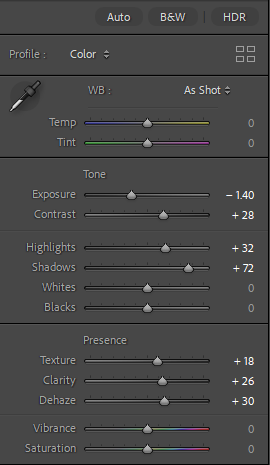
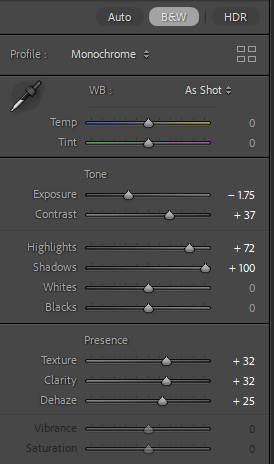
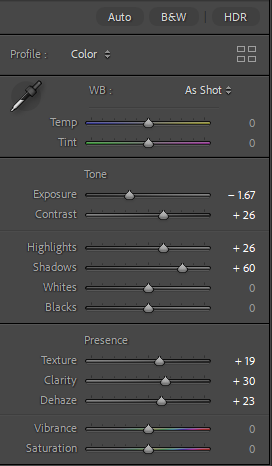
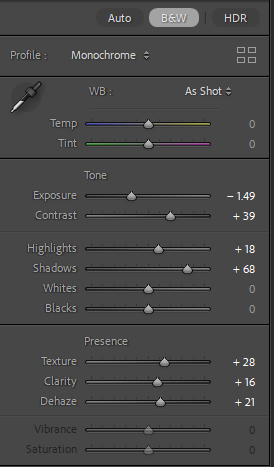
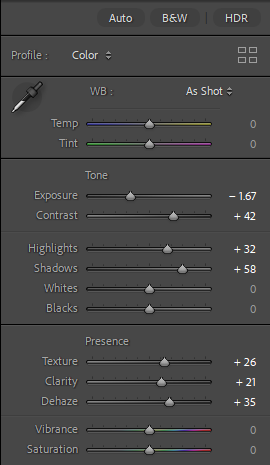
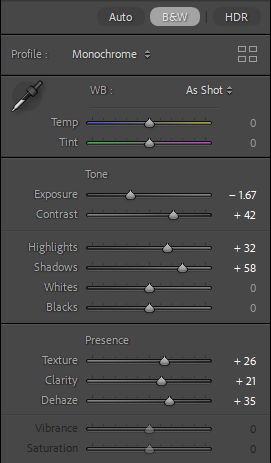
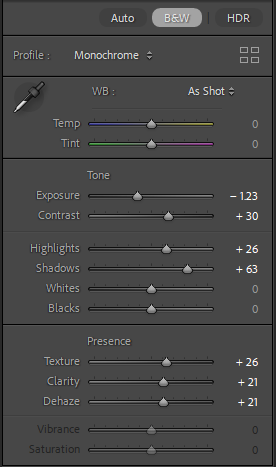
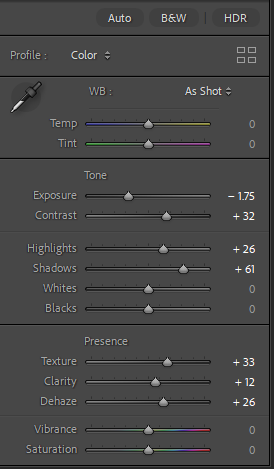
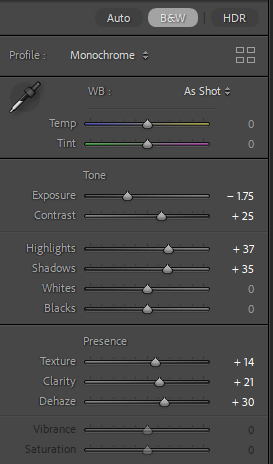
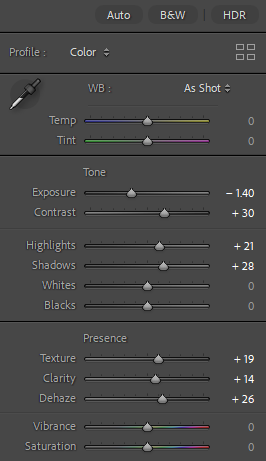
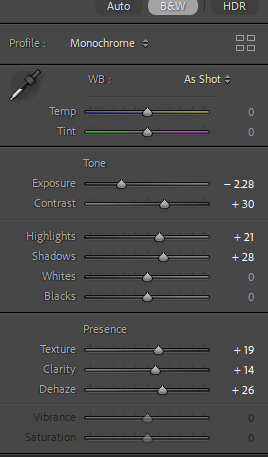
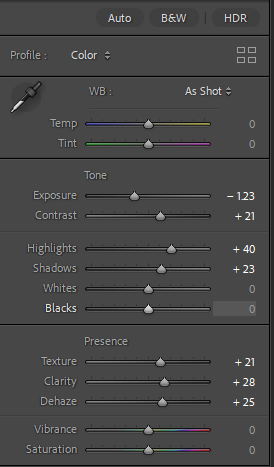
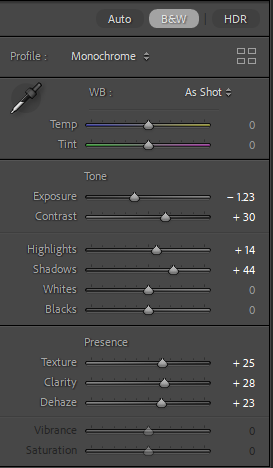
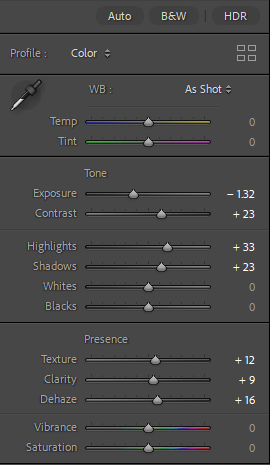
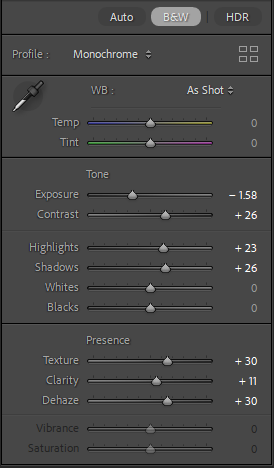
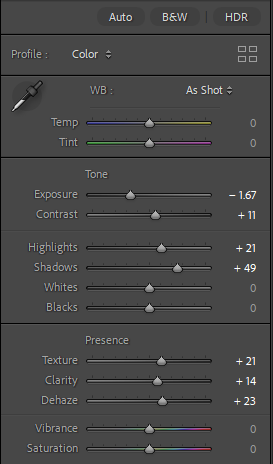
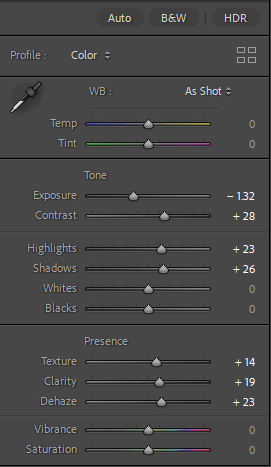
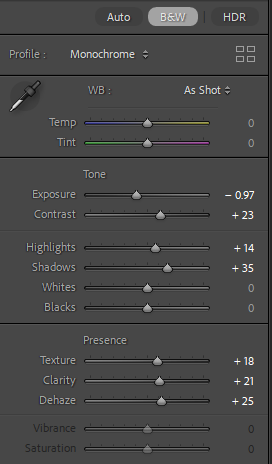
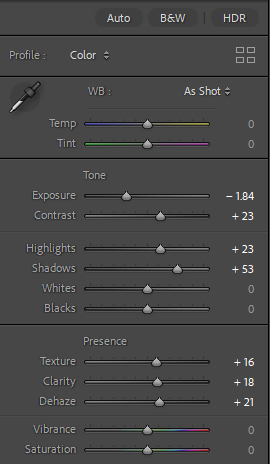
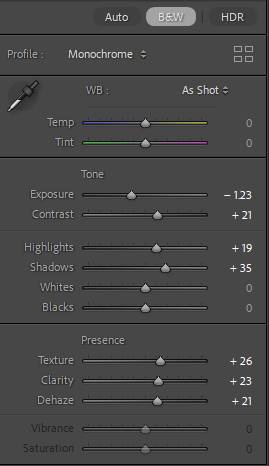
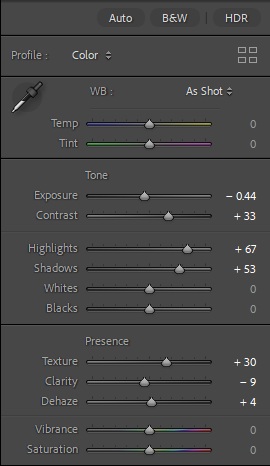
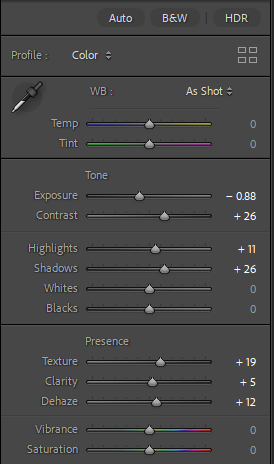
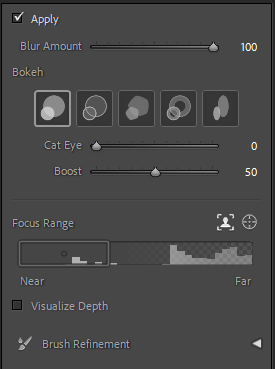
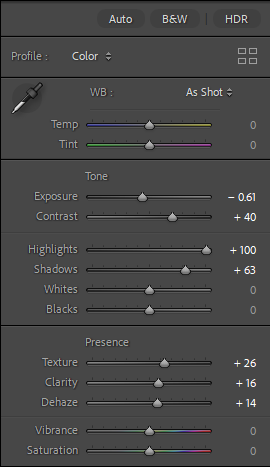
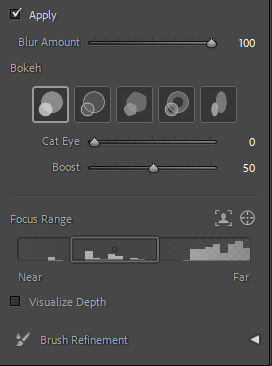
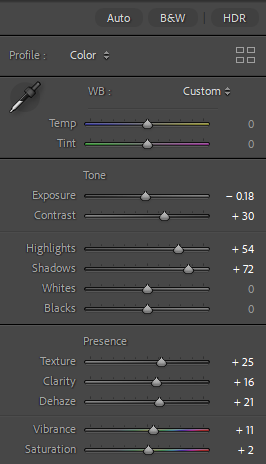
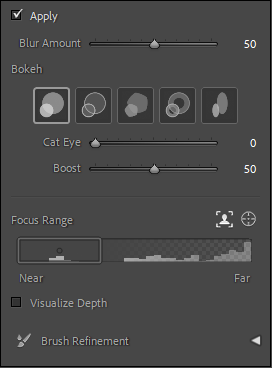
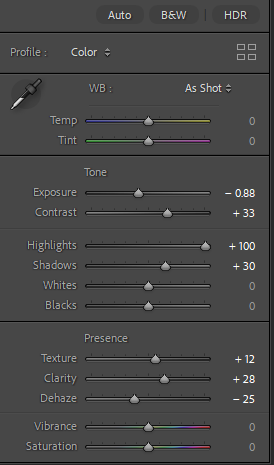
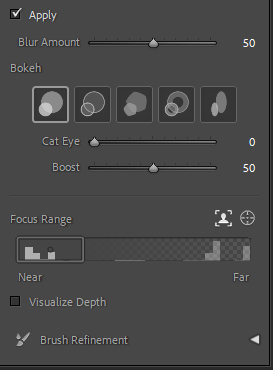
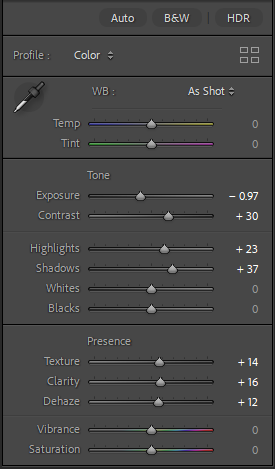
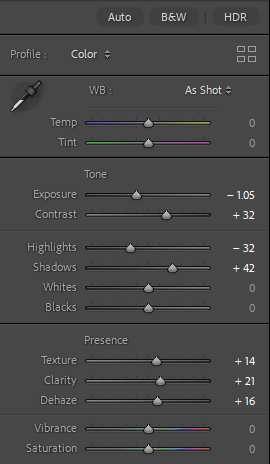
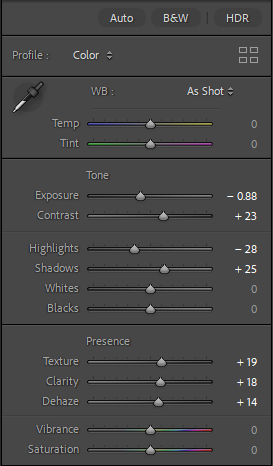
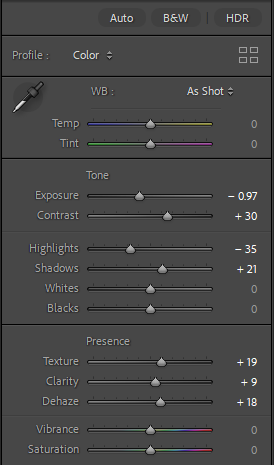
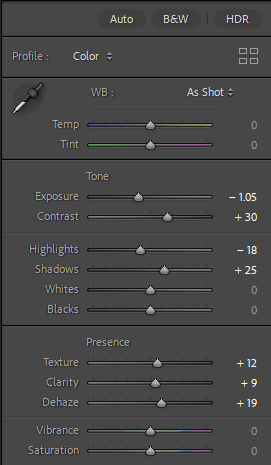
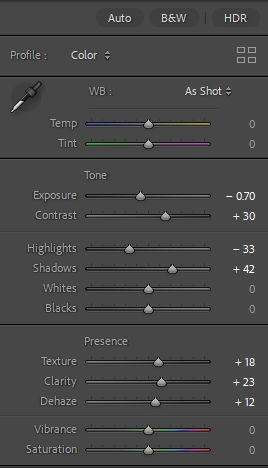
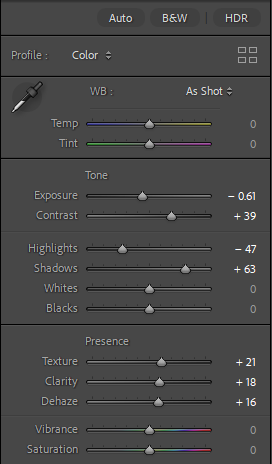
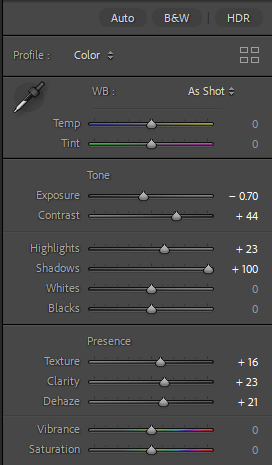
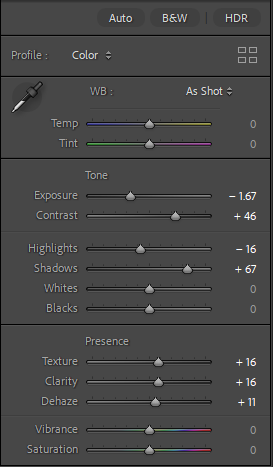
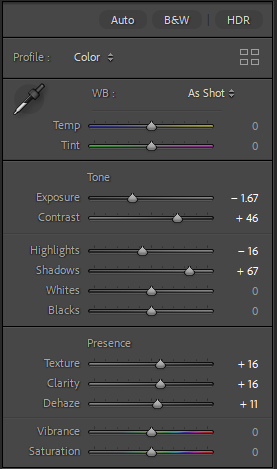
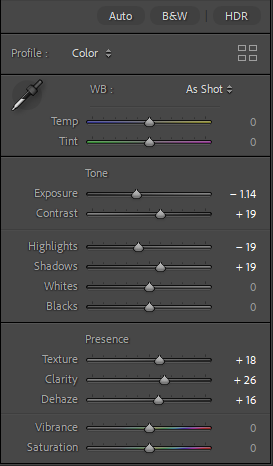
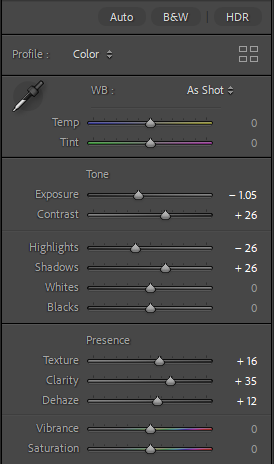
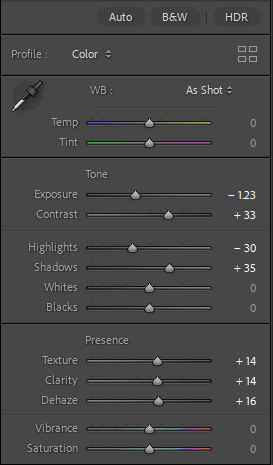
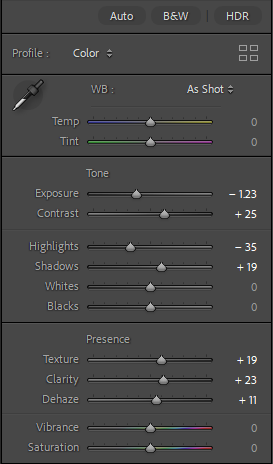
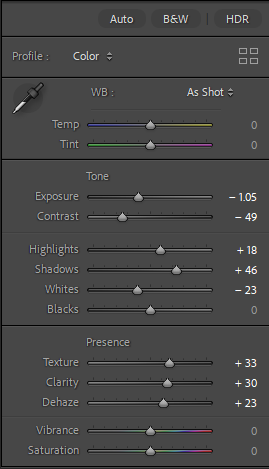
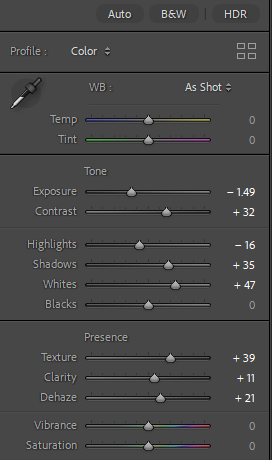
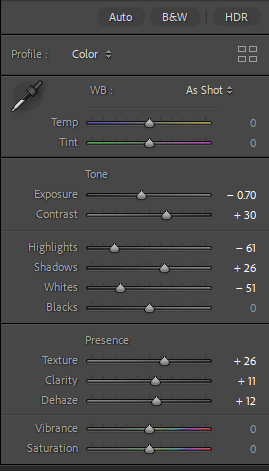
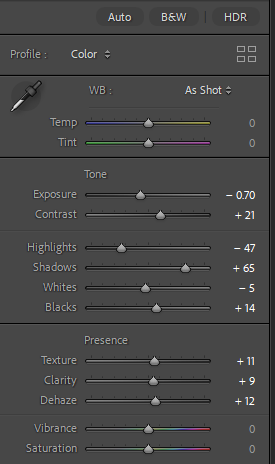
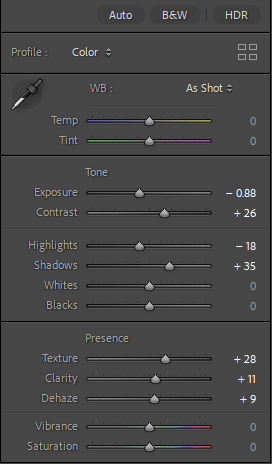
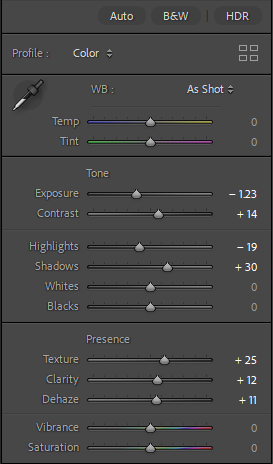
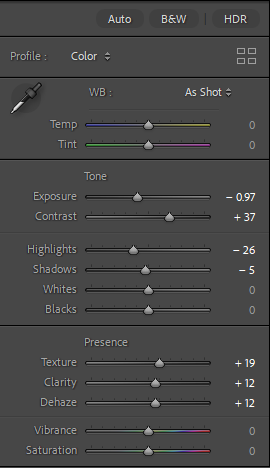
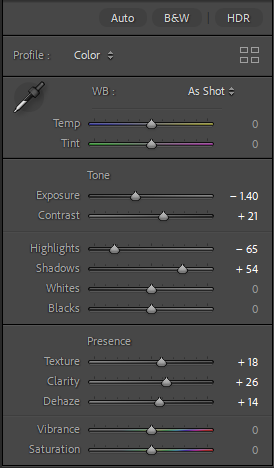
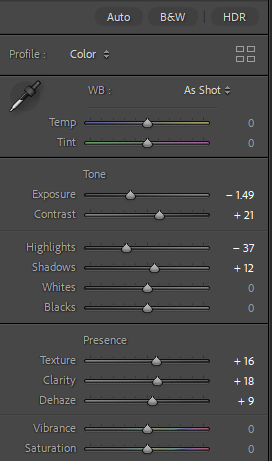
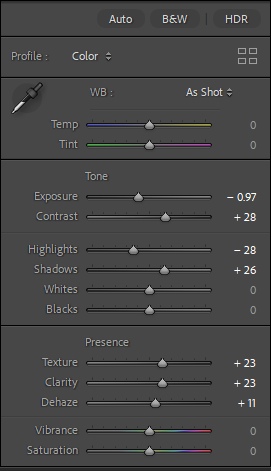
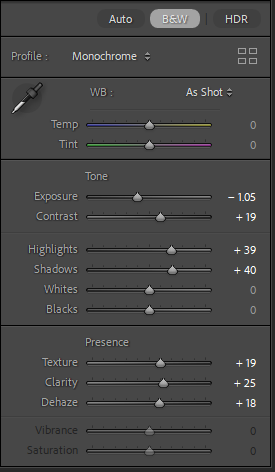
This is the settings I used to create the image

2.

3.

4.

5.

6.

7.

8.

9.

10.

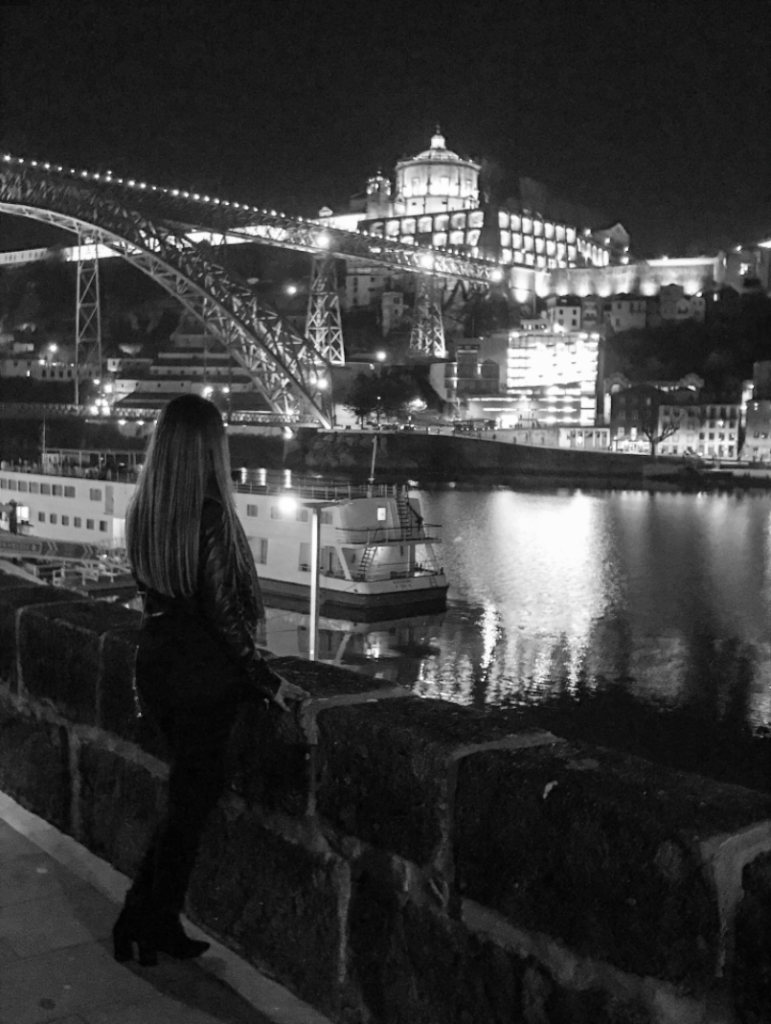
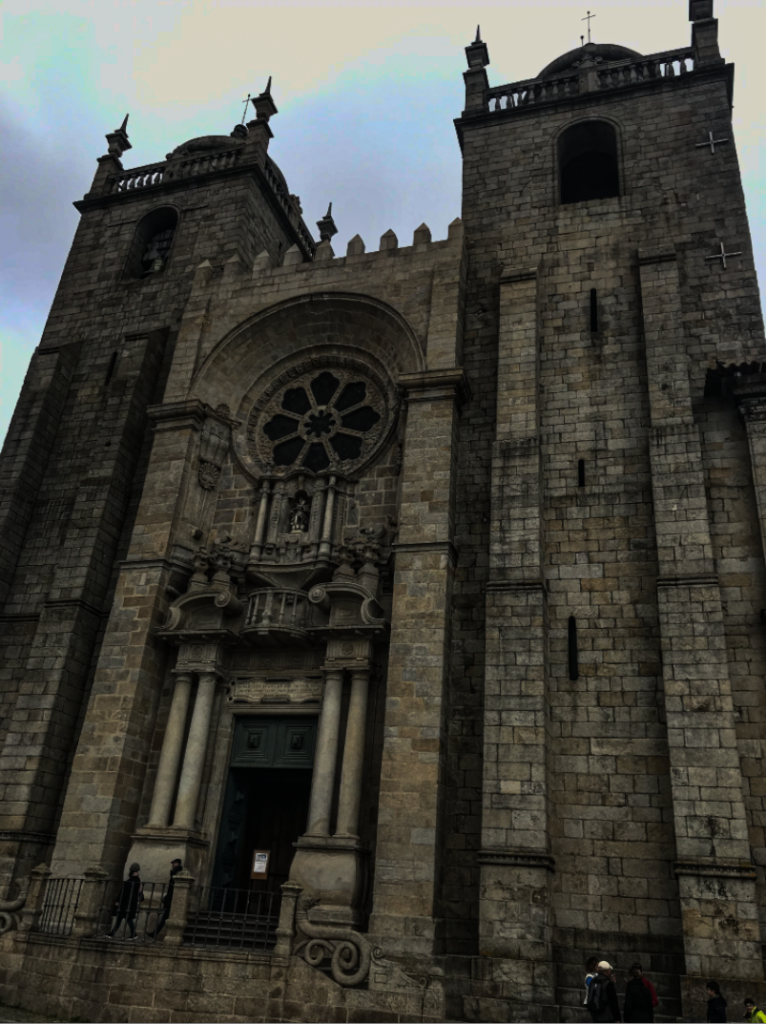
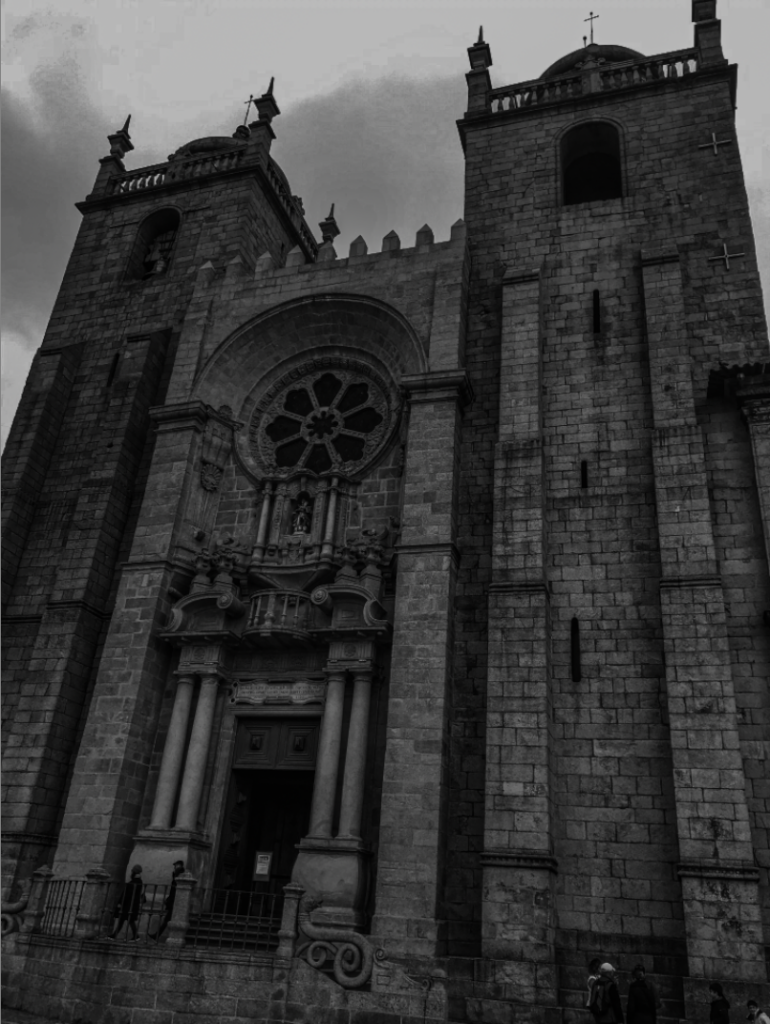
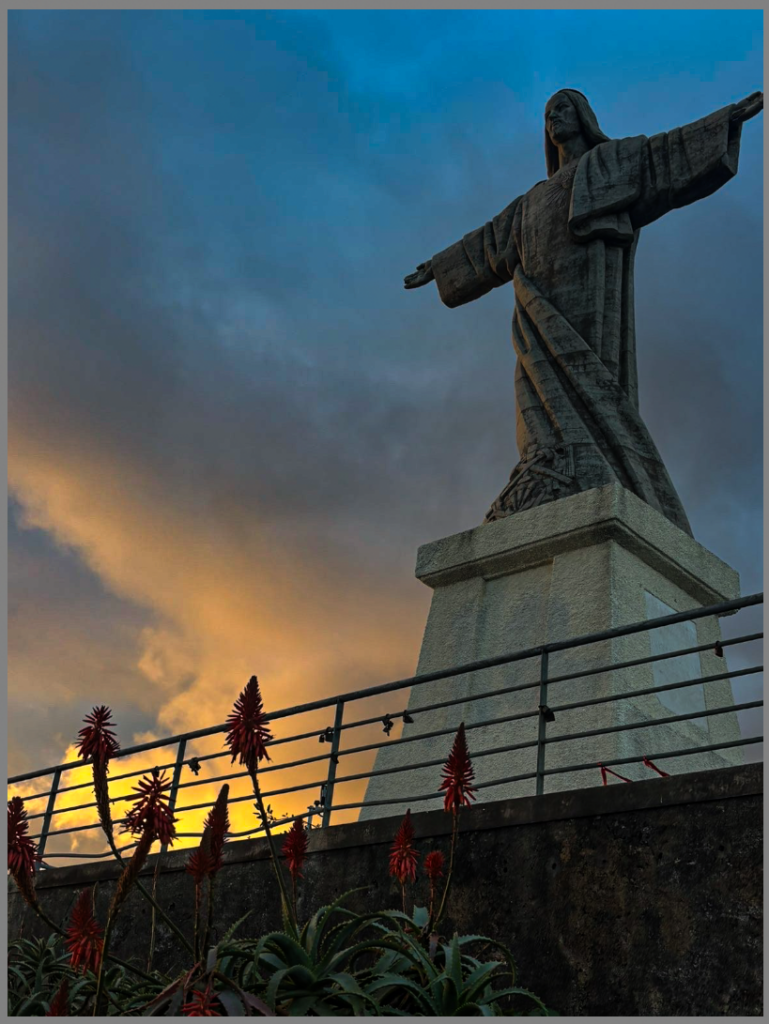
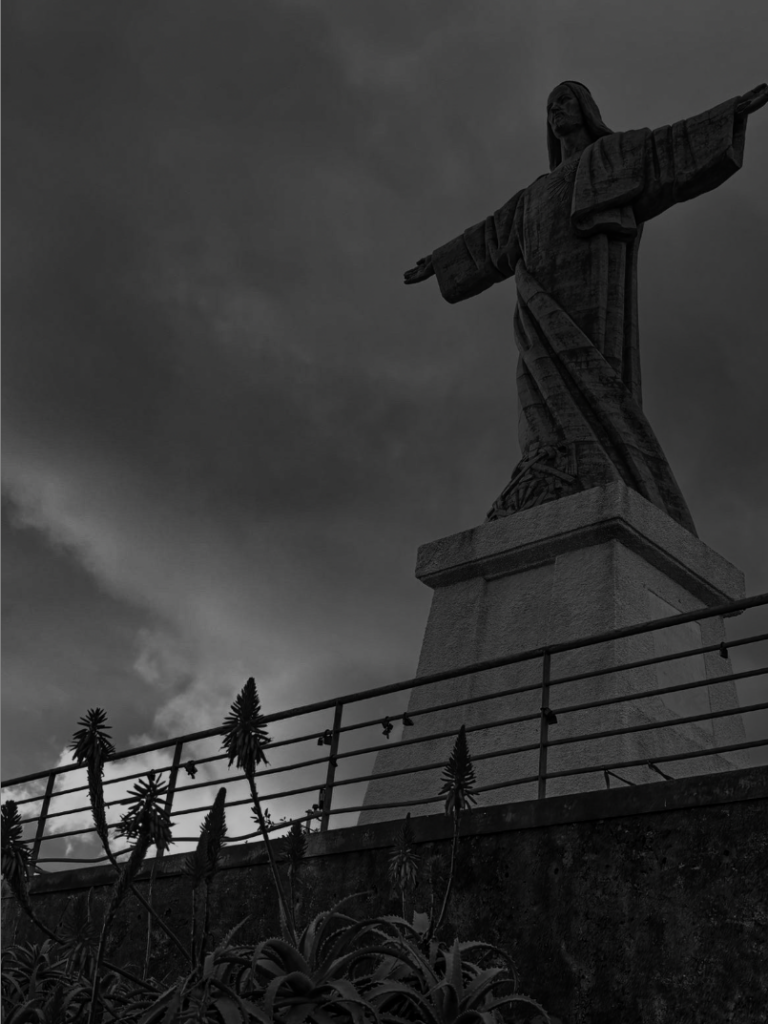
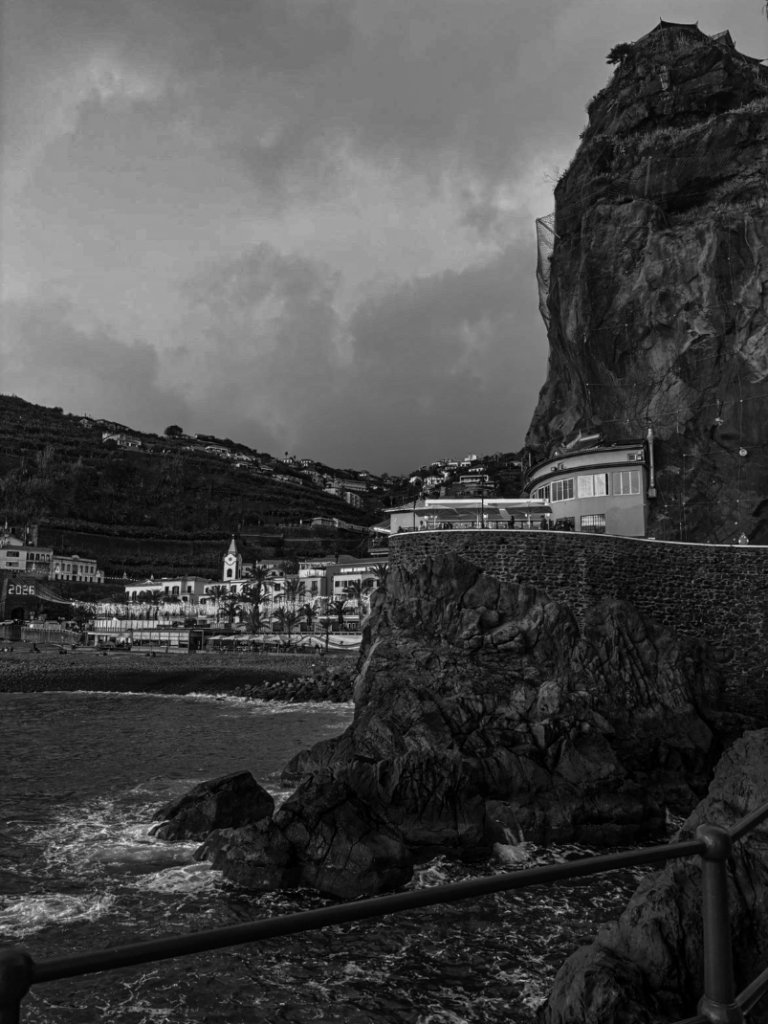
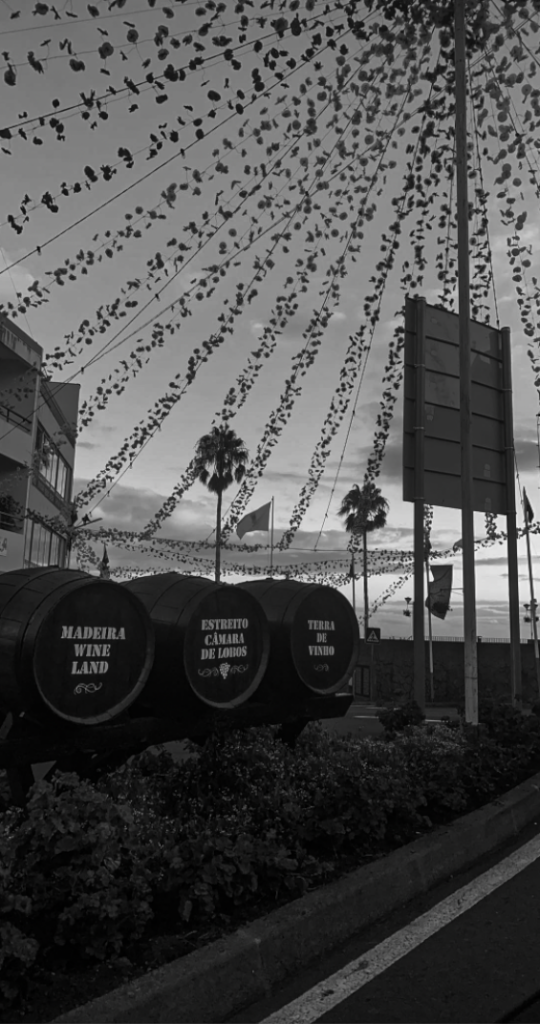
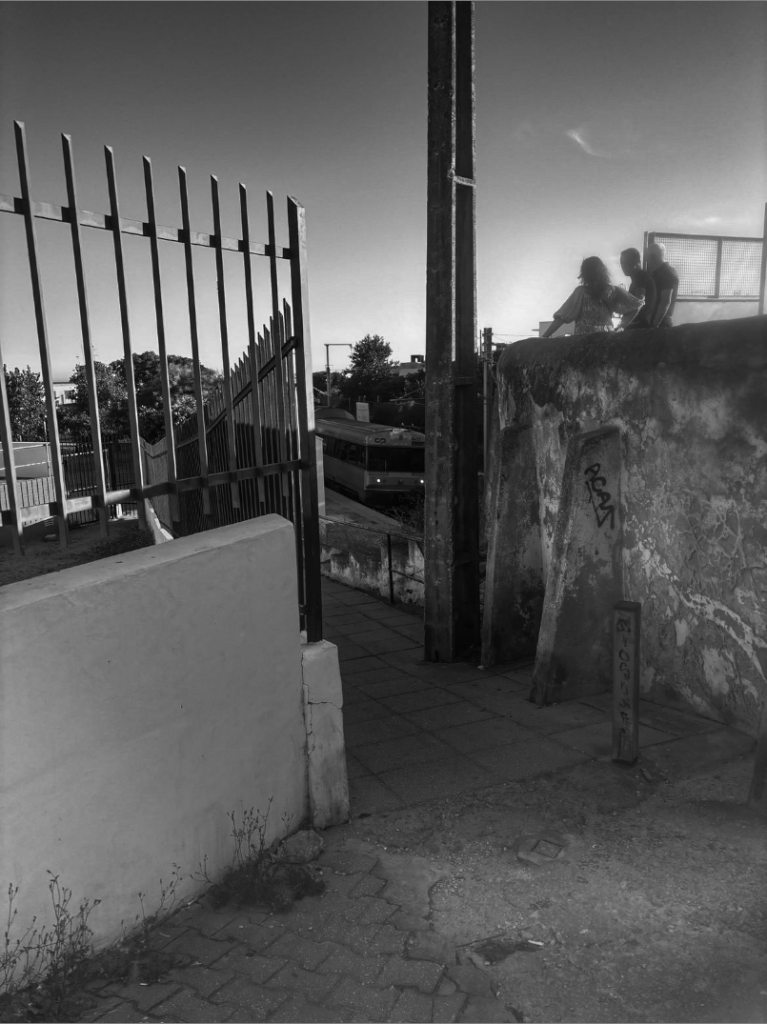
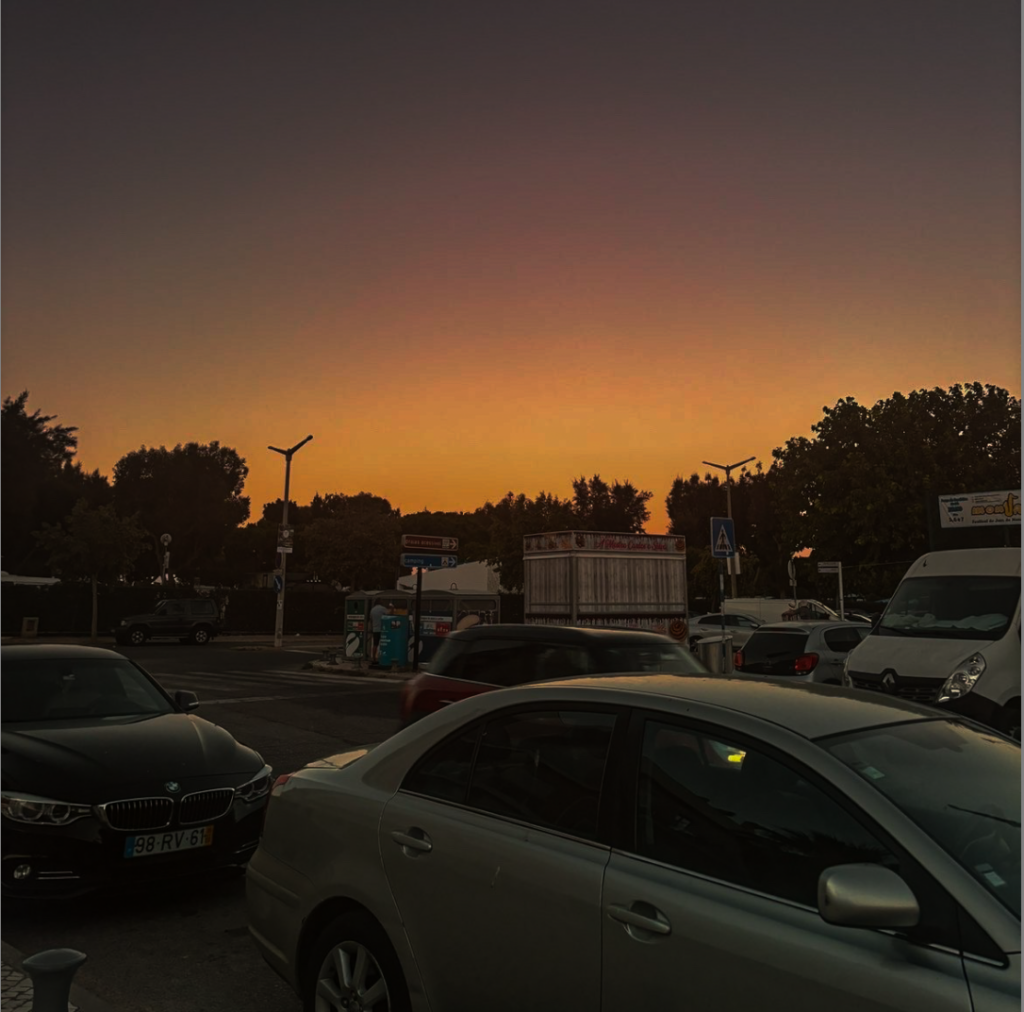
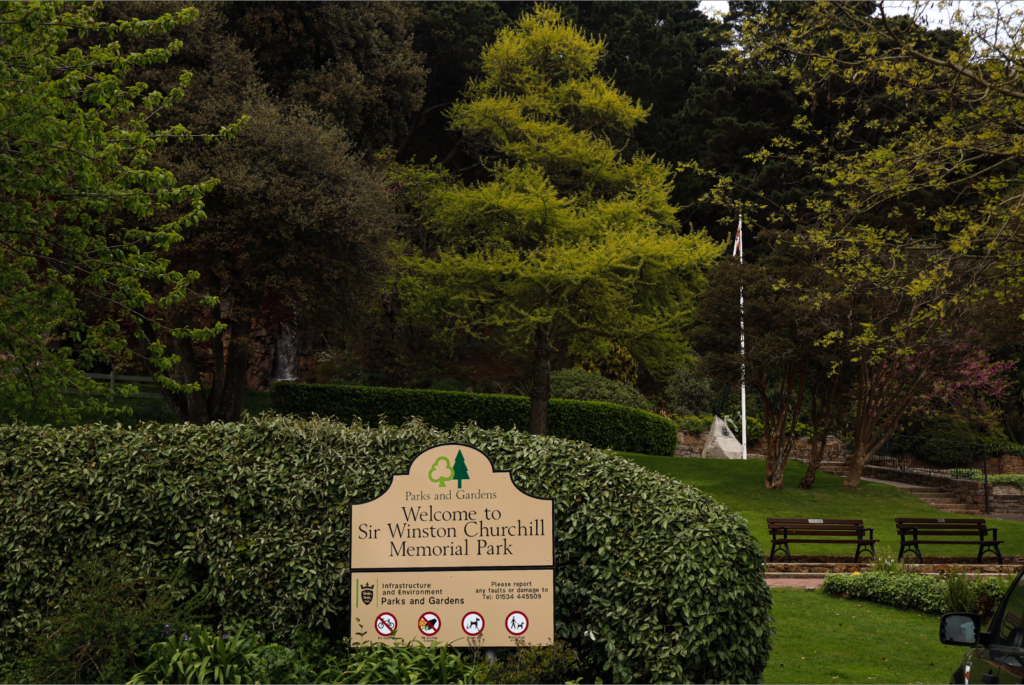
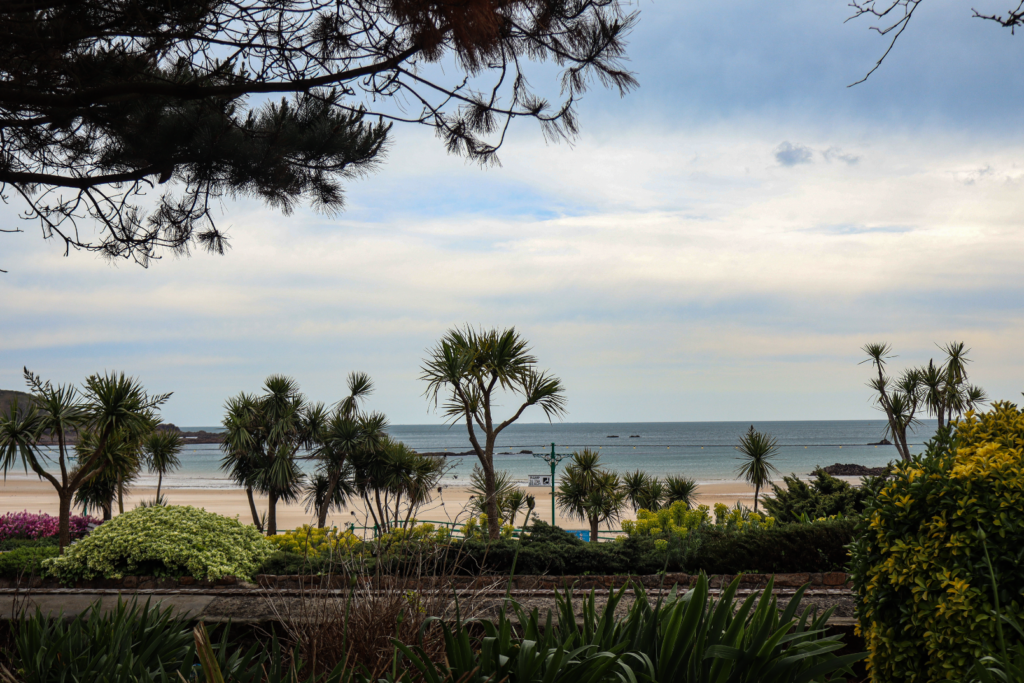
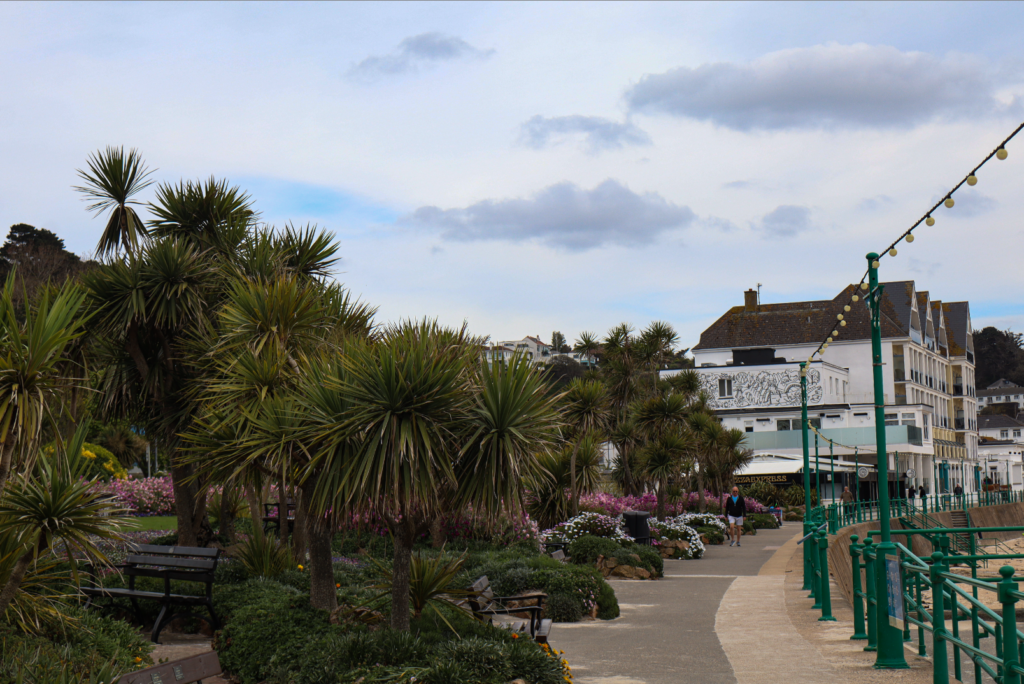
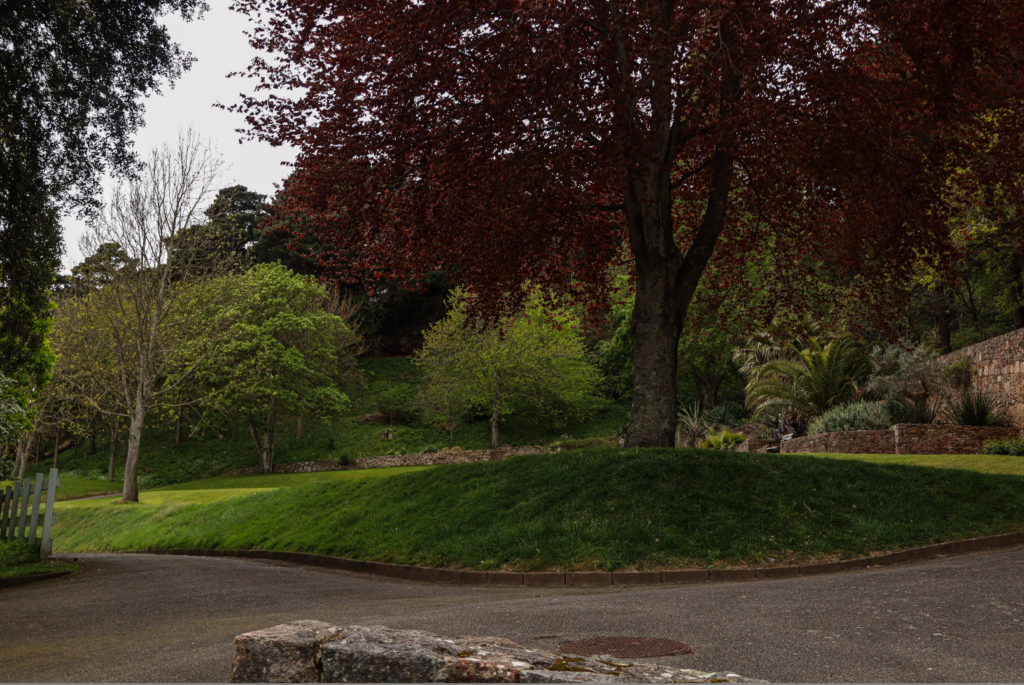
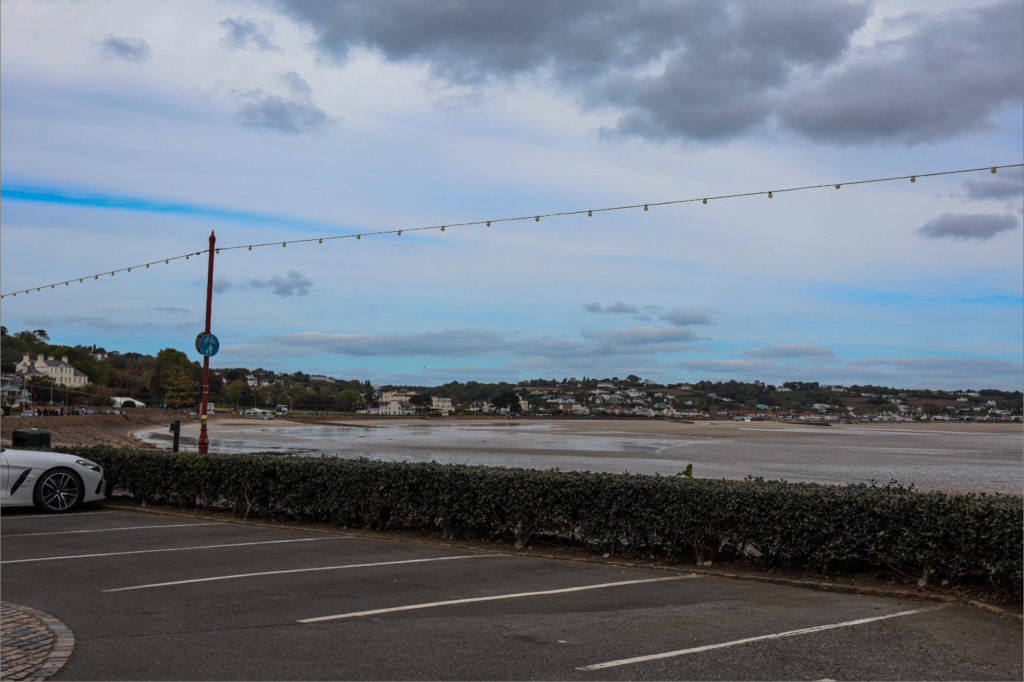
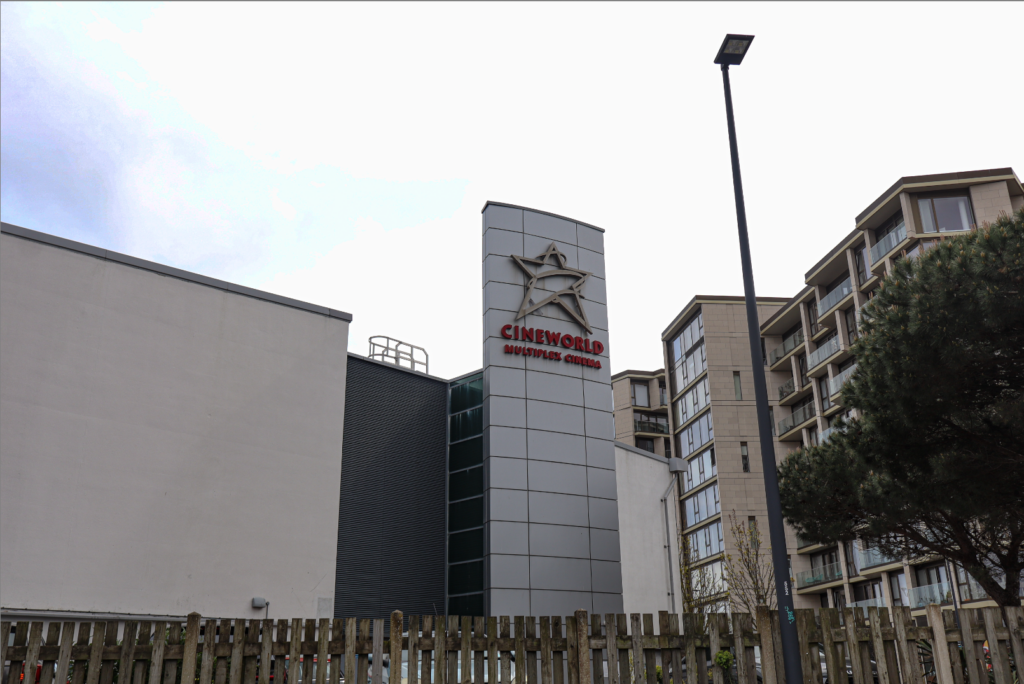
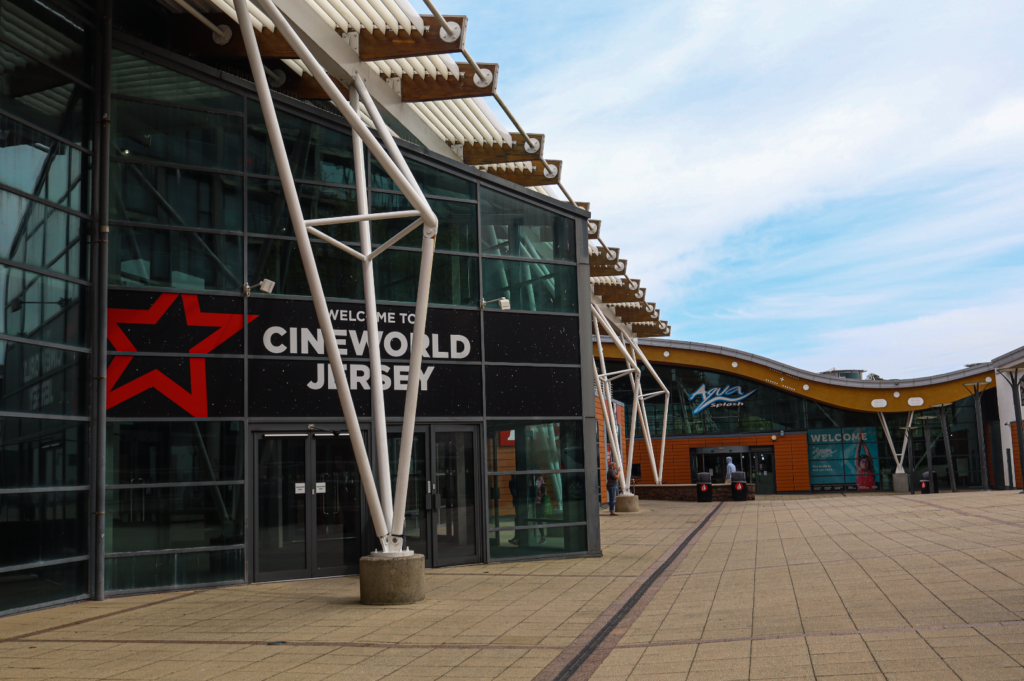
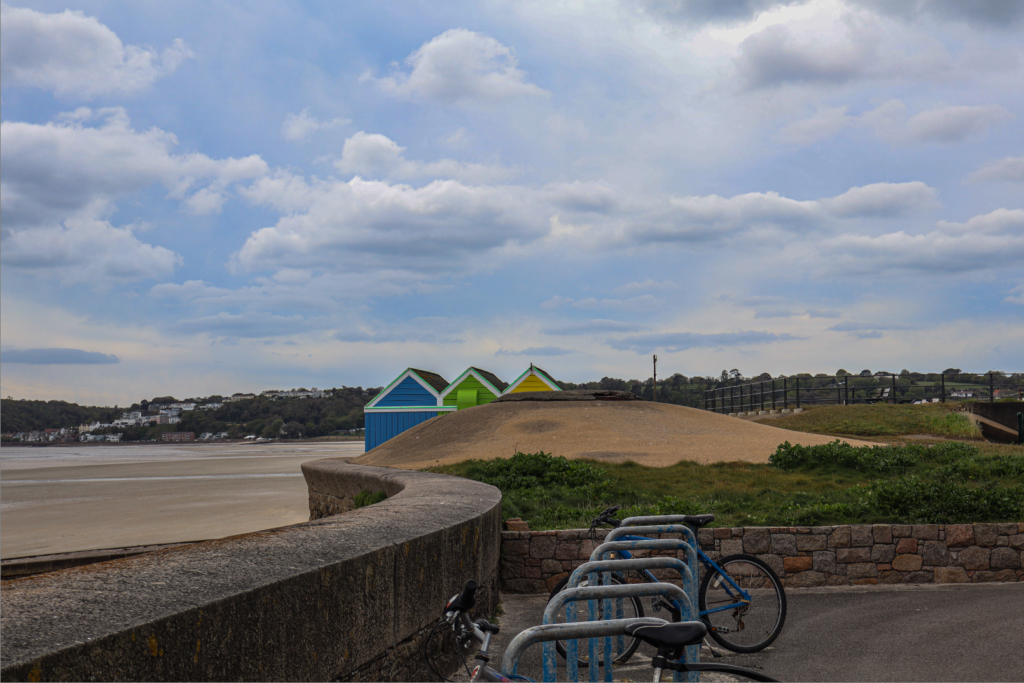
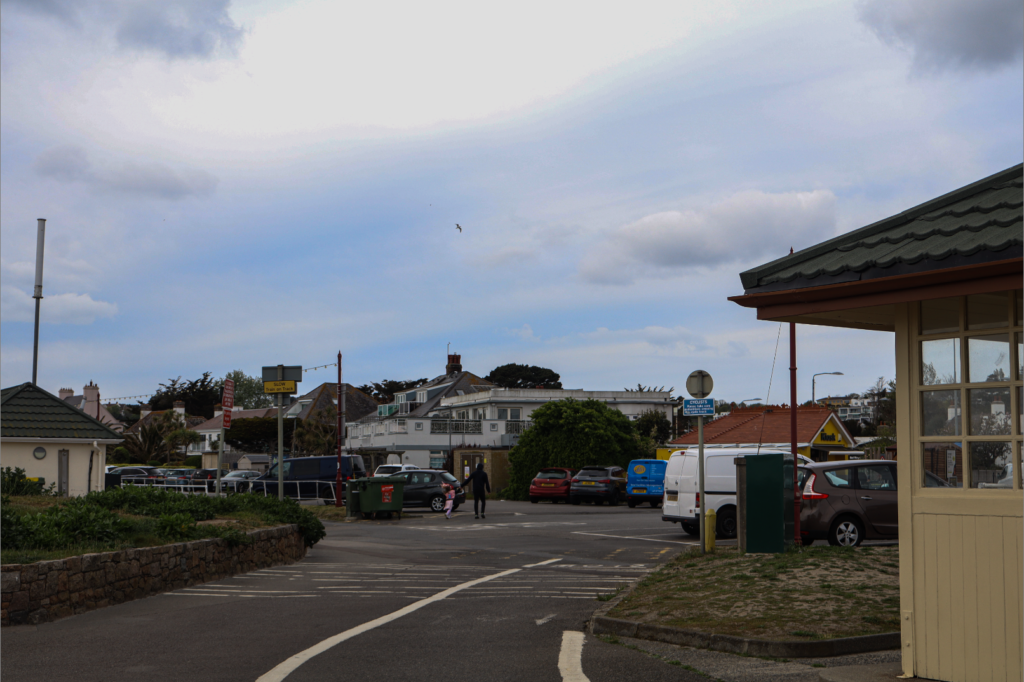
Final photos edited

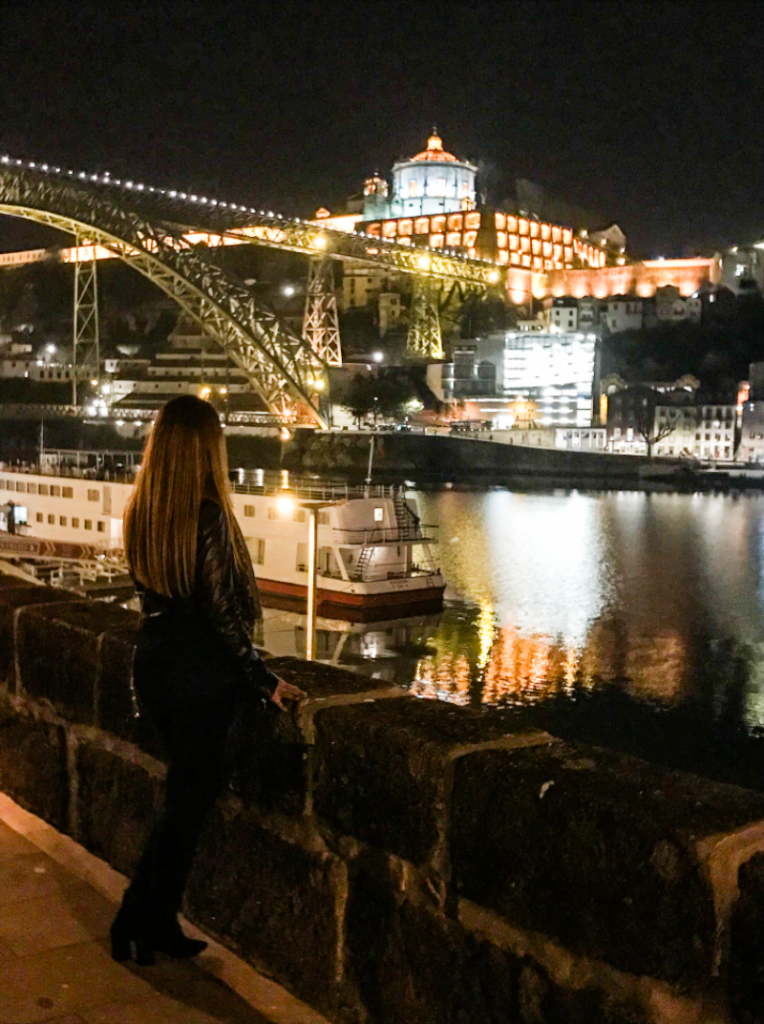
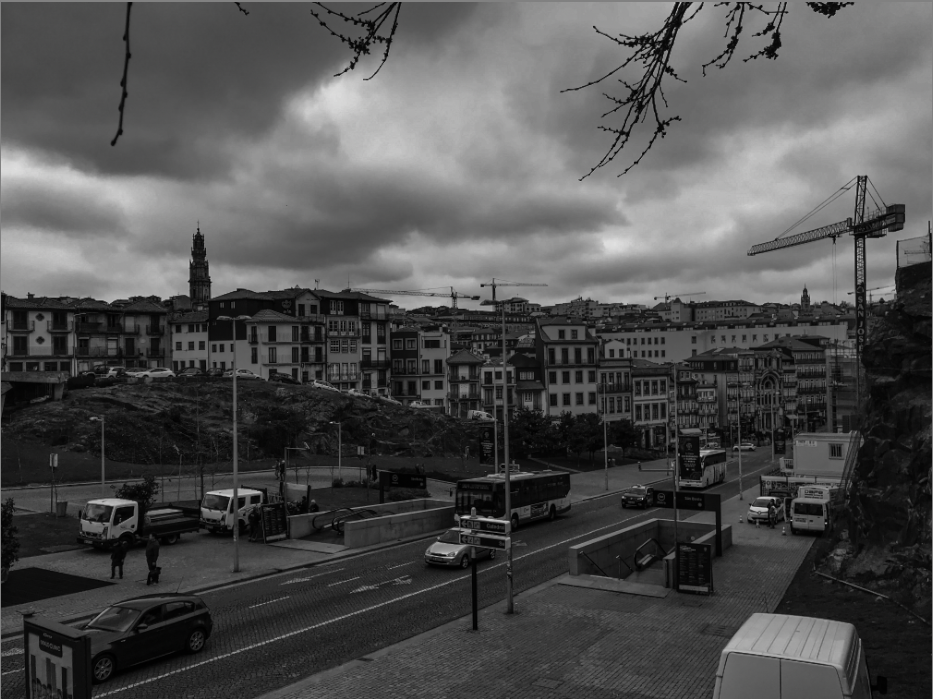
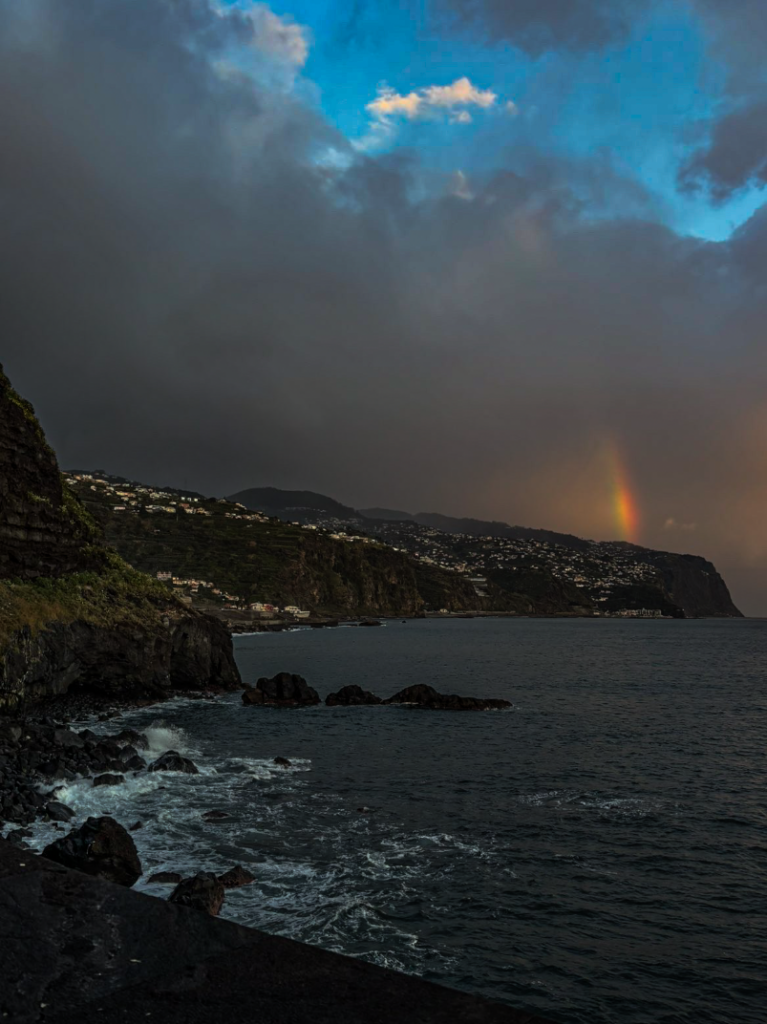
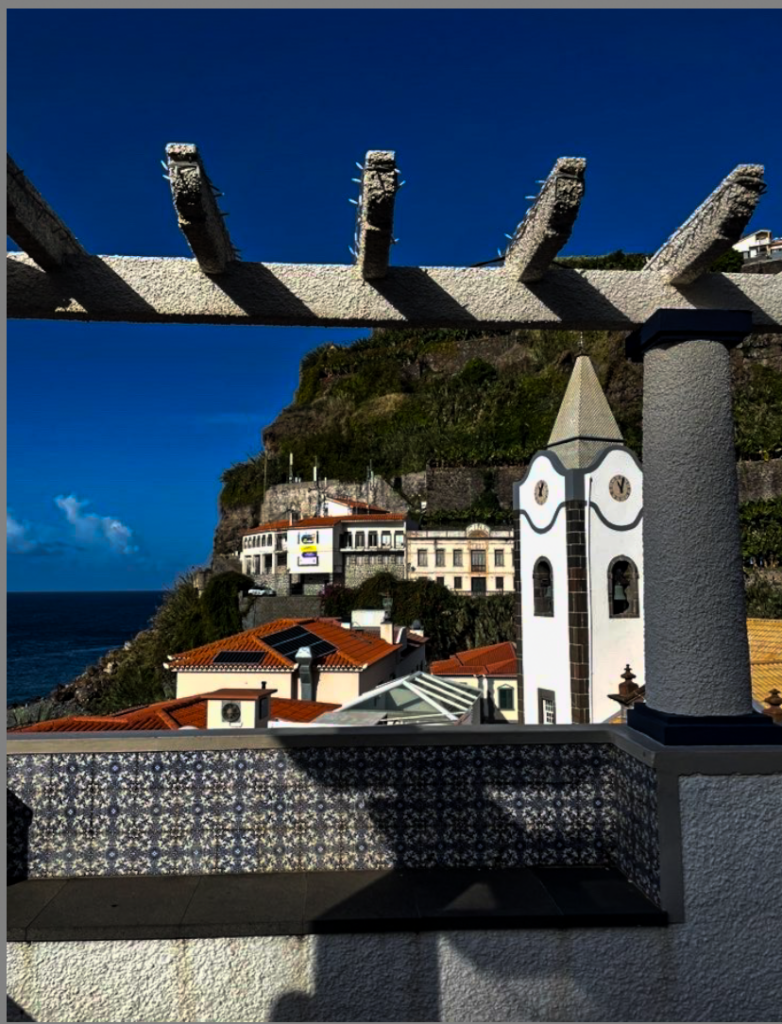
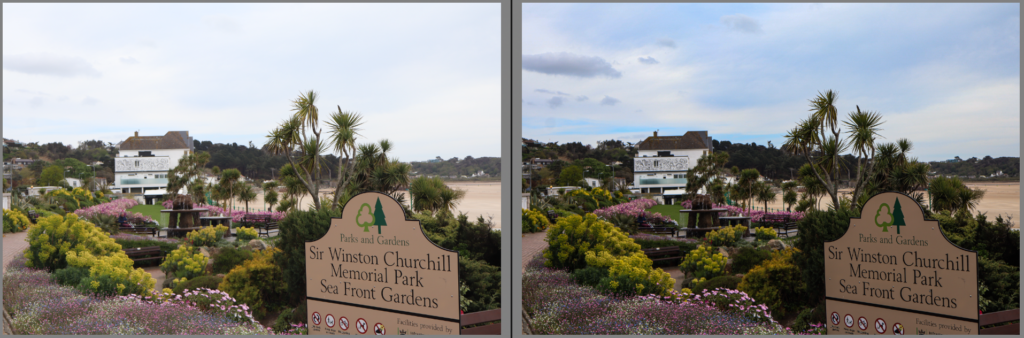
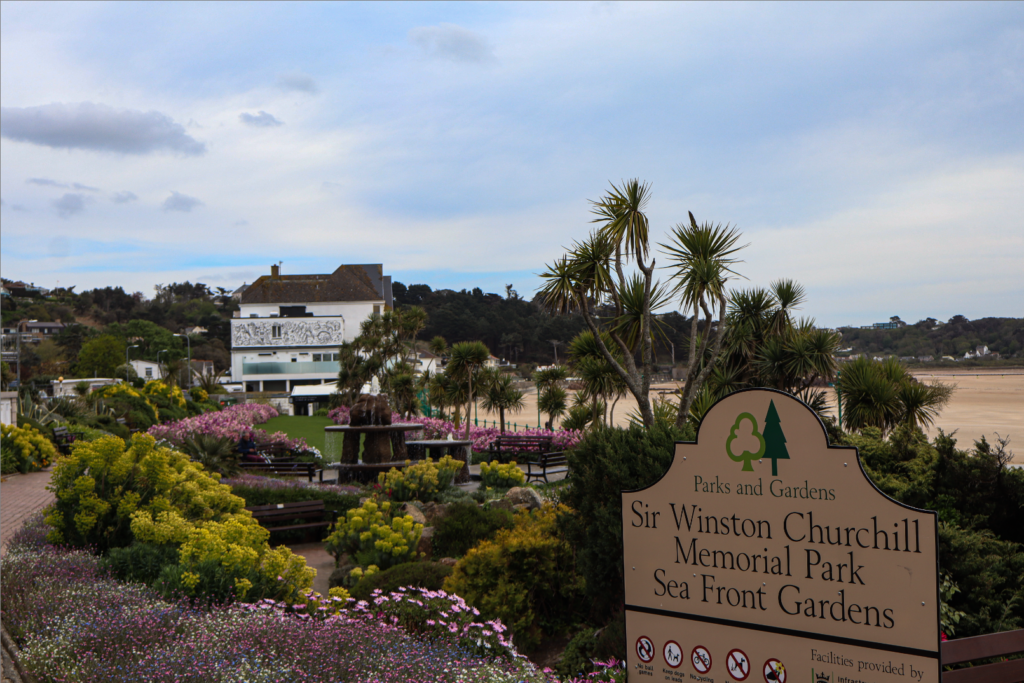
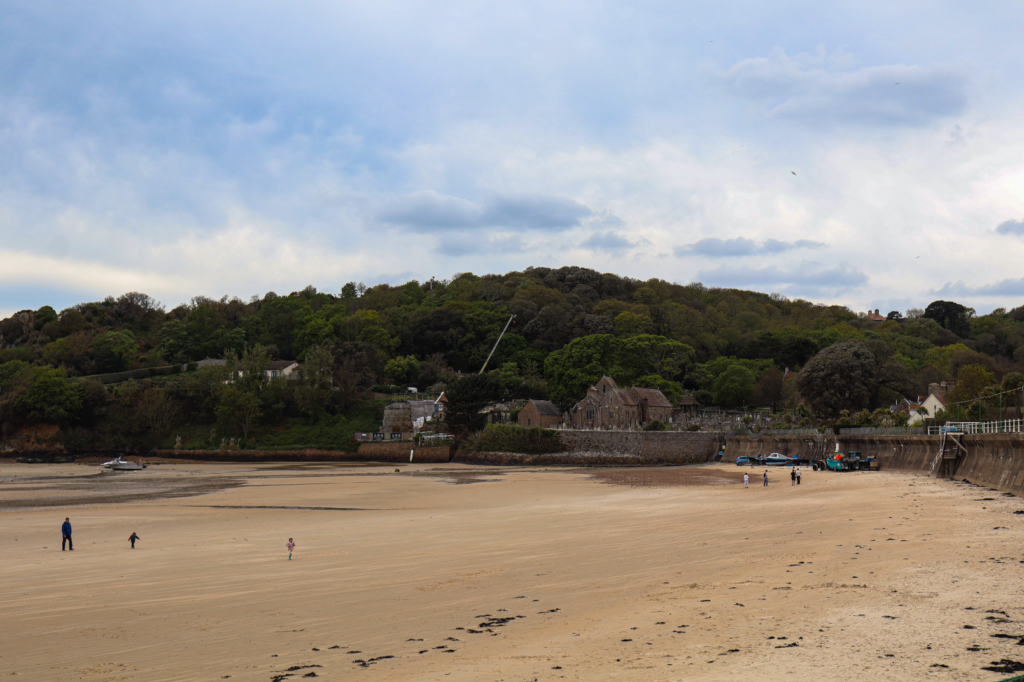
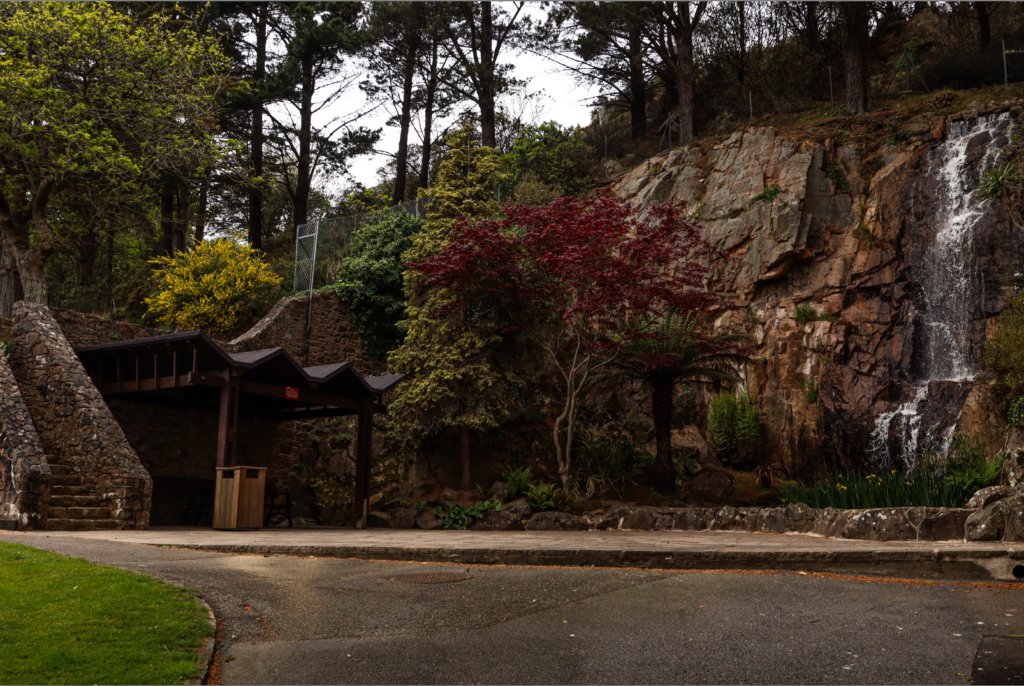
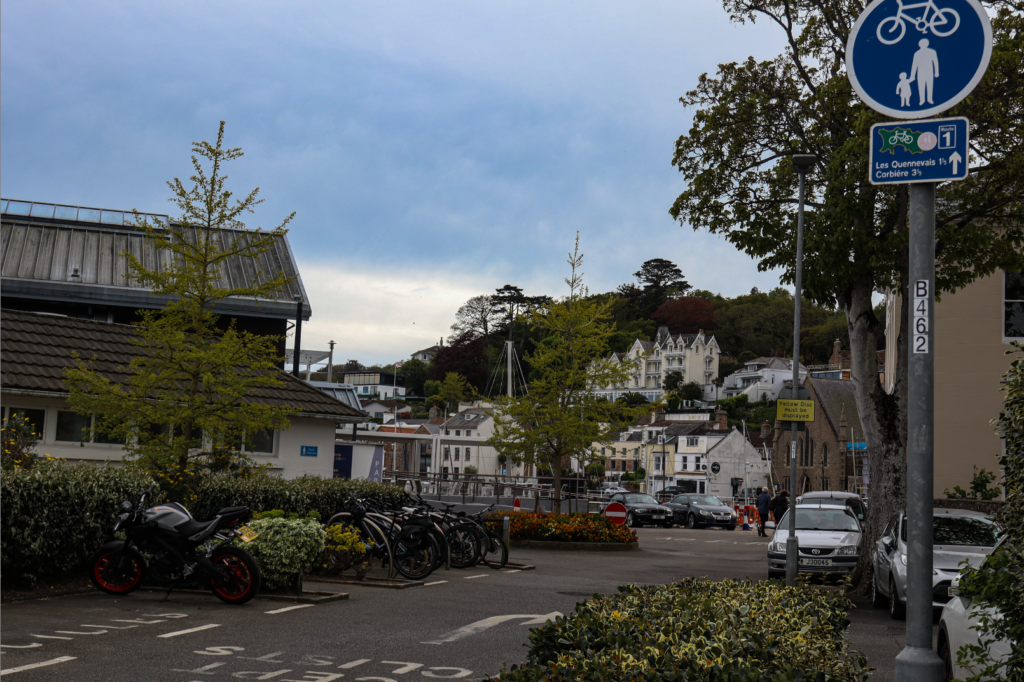
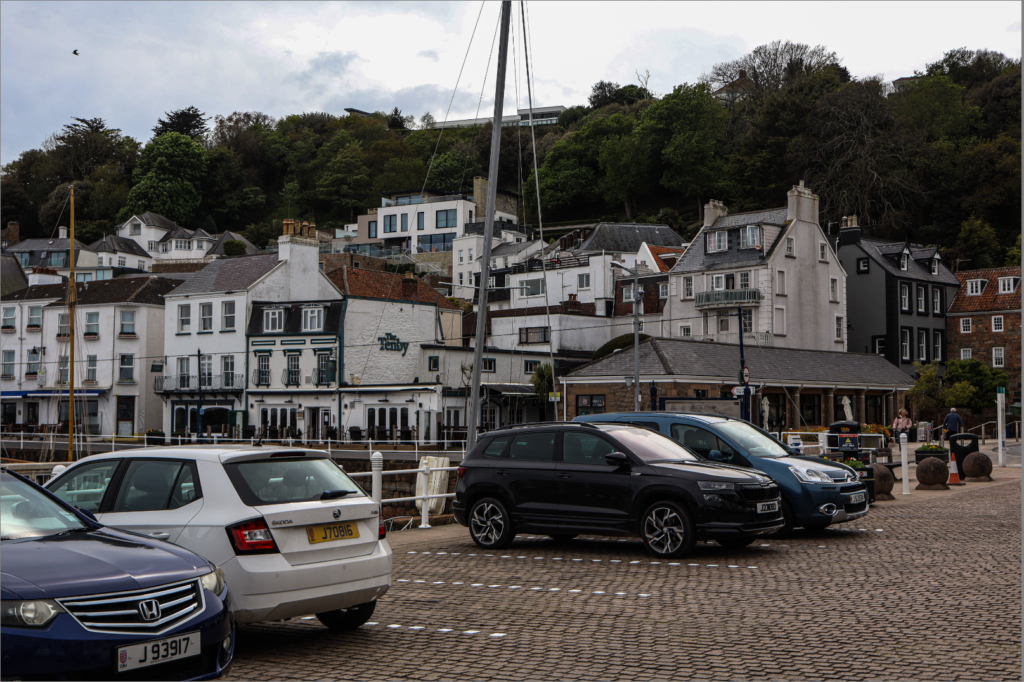
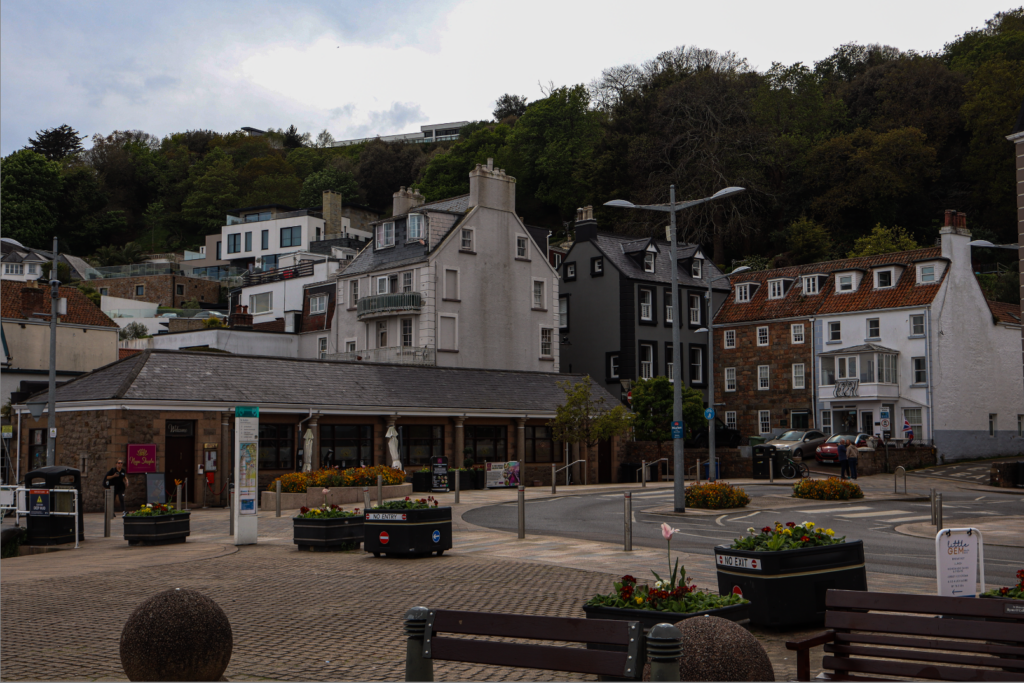
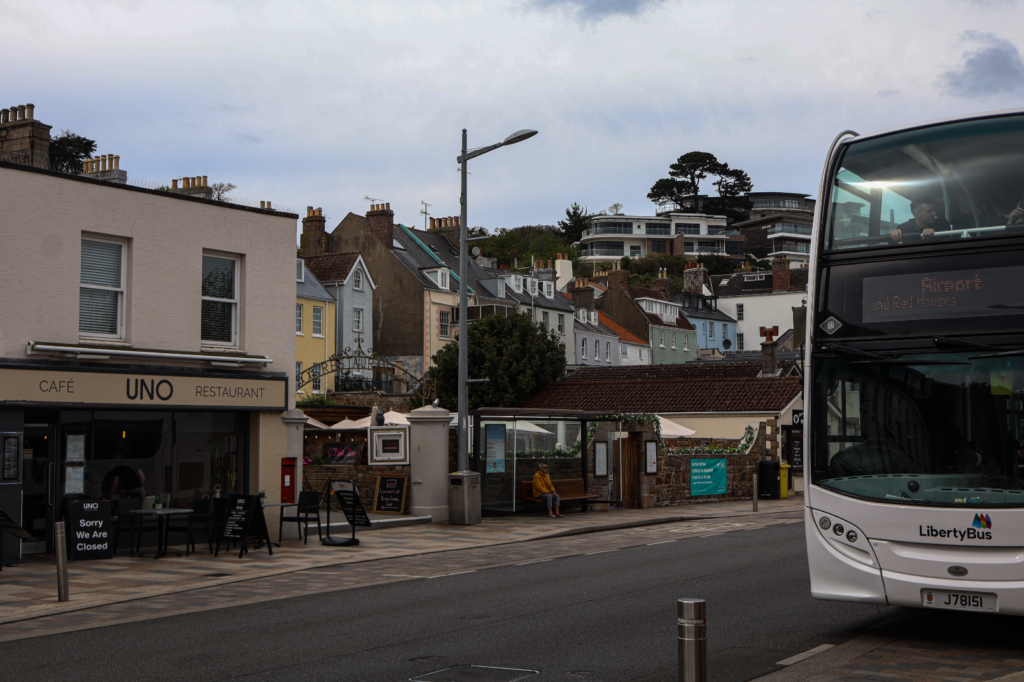
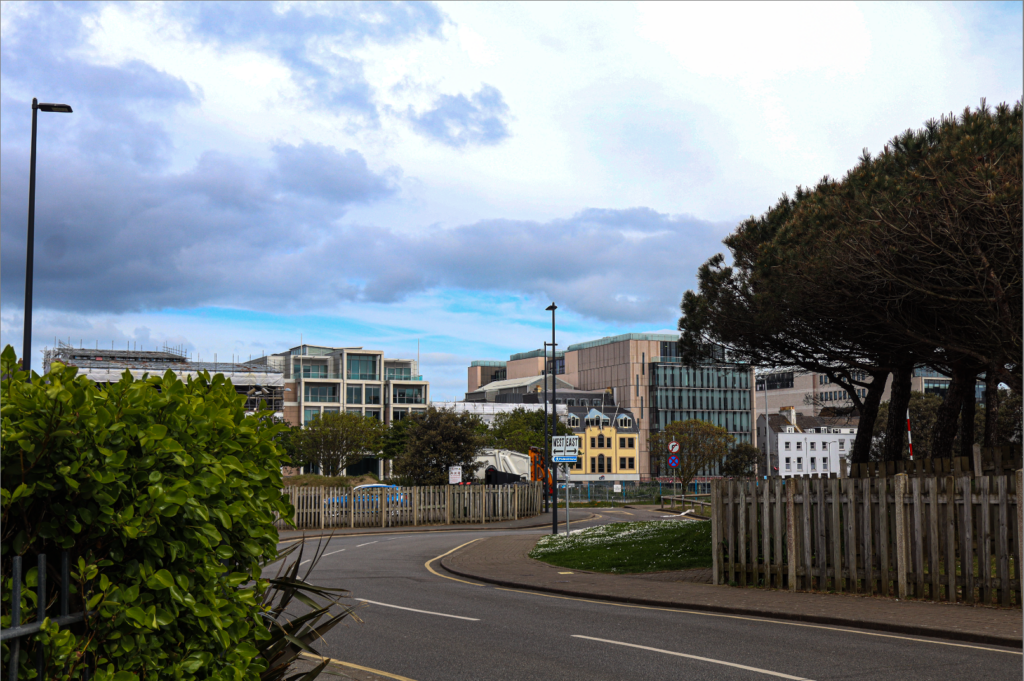
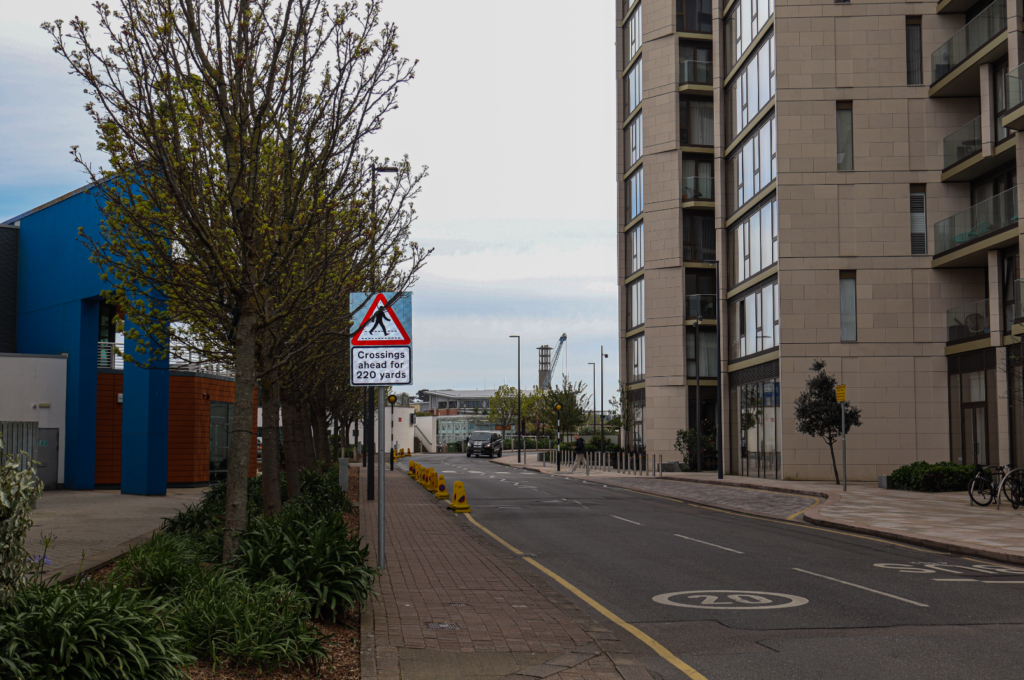
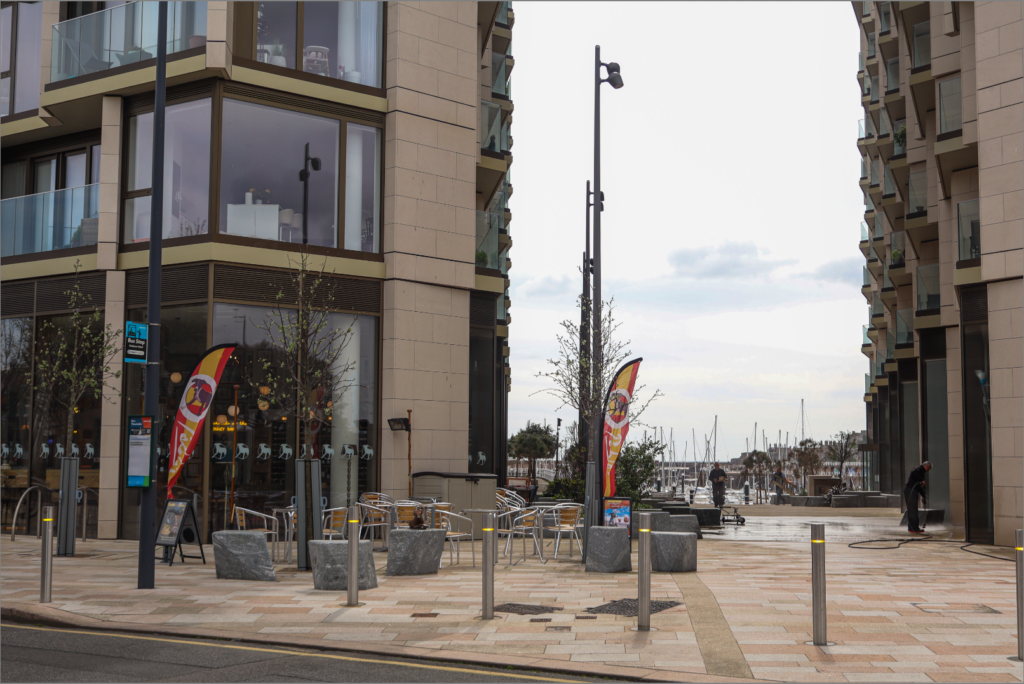
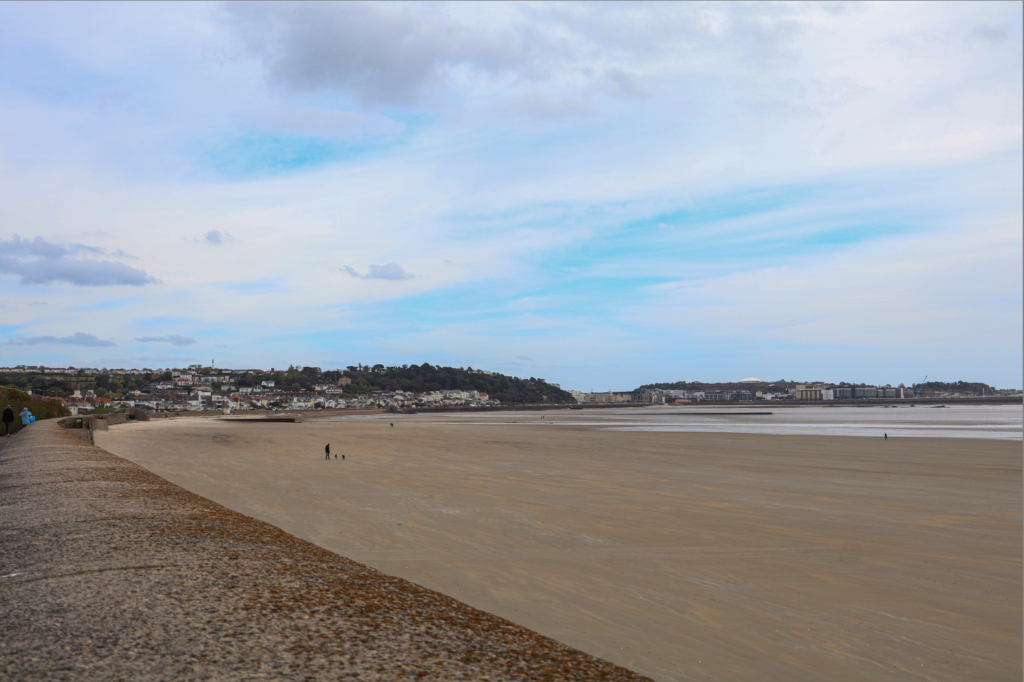
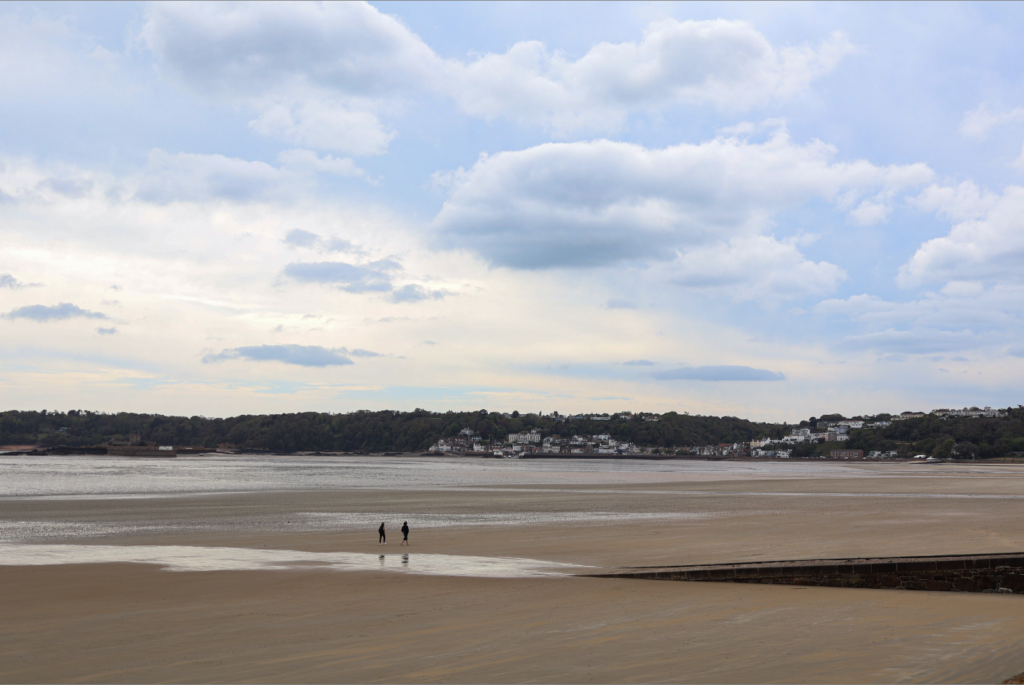
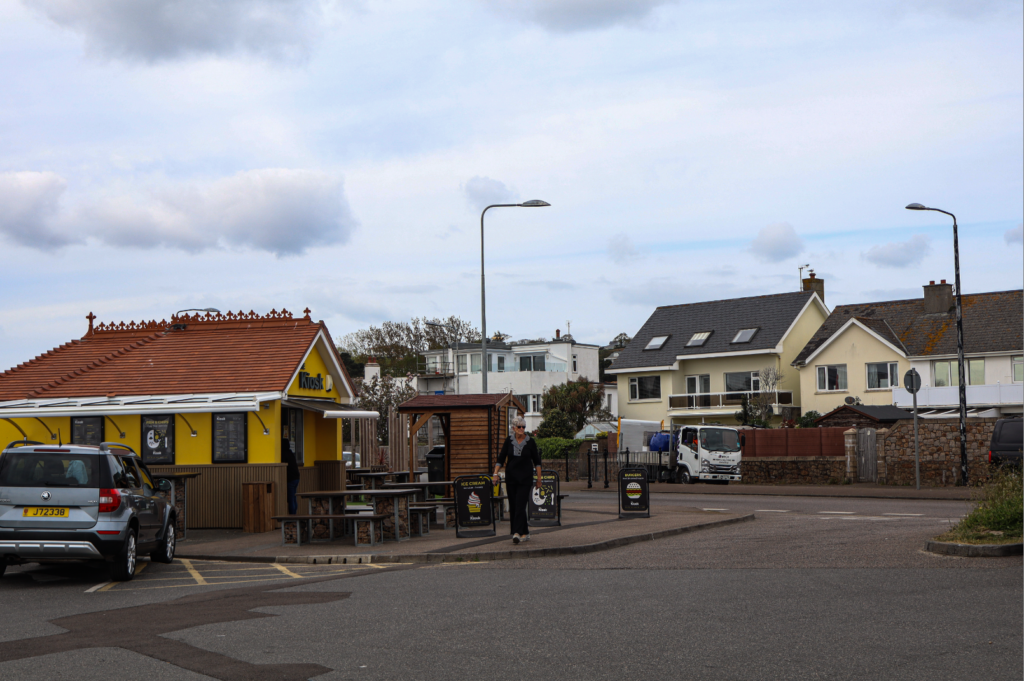
With all these images, I chose carefully where I would be taking my photoshoots. All of these places have special meanings in my childhood and where I spent most of my time growing up in Jersey.

Statement Of Intent – Origins

For this project, I am looking to explore ‘Origins’ within my own identity and personal background. My Portuguese background and Jersey upbringing are the most important things to me. I see origins as a constant influence, not just as a physical starting point, they continue to shape us over time. My work will examine the past and present relationship by overlaying pictures of Madeira and Portugal, where my parents were born, with photos taken in Jersey to reveal my cultural heritage and where I am now.

This project means a lot to me because it allows me to reflect on my sense of identity and belonging. Having grown up across cultures, I’m interested in exploring my identity through photographs and expressing this journey. By utilising family photograph albums and culture objects from my home, I will explore how memory, heritage and upbringing contribute to identity. My artefacts are a part of evidence of ones origin which helps narrate a story of where they come from.

My project will develop through experimentation with layering, photomontage and image manipulation using archival material and my own photography. In my visual style, I will focus on composition, contrast and opacity. I will mainly work in black and white. My project will draw influence from the works of Wendy Red Star, who juxtaposes historical and contemporary imagery to explore cultural heritage and identity, and Chantal Lesley, a photographer who investigates personal identity through her work.

I want to initially work in my home, photographing family objects and old photographs, before layering and altering digitally. My final outcome may be a zine or a photobook where I present a collection of visuals that represent where I’m from, and how it relates to who I am.

Artist Case Study 2 – Wendy Red Star

Background/ Research

Wendy Red Star was born in 1981 in Billings, Montana. She is of Apsáalooke (Crow) and Irish descent and was raised in Pryor, Montana, on the Crow Reservation, “a rural community that’s also a sovereign nation and cultural powerhouse.” At age 18, she left the reservation to attend Montana State University – Bozeman. She attended university between 2000 and 2004, and studied art and Native American Studies.

Moodboard

How it relates to ‘Origins’

Red Star’s work links strongly to the theme of origins because she explores her ancestry, cultural background and family history through photography. She often connects historical images with contemporary ones to show how the past influences the present. This relates to my project because I am layering photographs from Madeira/ Portugal, where my parents were born and grew up, with images from Jersey where I grew up, showing the connection between my family origins and where I am now.

Why did I choose Wendy Red Star?

I chose Red Star as one of my artist case studies because her work explores heritage, ancestry and cultural identity. She uses photography to investigate where she comes from and how cultural background shapes identity. This interested me because my project also explores personal heritage and upbringing.

Methods and Techniques used

Red Star often uses staged photography, carefully arranging people, clothing and objects within the image to communicate ideas about culture and identity. She also works with archival photographs. Sometimes she adds text, drawings or annotations to highlight important cultural details. Another technique that Red Star uses is combining historical imagery with contemporary photography. This allows her to connect the past with the present and explore how cultural history influences identity today.

Style and Approach

Red Star’s style is conceptual and culturally focused. Her photographs are often carefully constructed to communicate ideas about heritage, identity and representation rather than simply documenting reality. She frequently uses symbolism, traditional clothing and historical references to tell stories about Native American culture and to challenge stereotypes about indigenous identity.

Meaning and Philosophy (Conceptual)

The meaning behind Red Star’s work is to explore cultural heritage and reclaim historical narratives. Her photography investigates how indigenous people have been represented in history and aims to present these stories from her own cultural perspective. Through this approach, her work reflects on how history, culture and ancestry shape personal identity.

Quote

“I’m constantly mining my own history and culture to better understand my identity.” – Wendy Red Star

Photo Analysis

Technical:

This picture uses staged photography and digital post-production techniques. The background is probably an ensemble of print and edit which appears as a most likely studio-based, making both the subject and surroundings visible. The entire image is in focus. There is a sharp depth of field, so everything is visible: the flowers in the foreground and the mountains in the background. The artwork features a careful arrangement with the central placement of the subject while there are other symbols and animals.

Visual:

The picture is full of colour. The details are clearer and bright, to the point of appearing false and vivid. The photograph feels constructed as though it has been staged deliberately. This is due to the sharp contrast in its foreground and surroundings. The traditional clothing of the subject stands out strongly from the environment culturally explicit. This painting contains the subject which is made up of animals, flowers and scenery. Even though there are a variety of subjects, the central placement gives it away. It looks like someone placed them all there, rather than being there naturally.

Conceptual:

The work of Wendy Red Star often examines the identity, heritage and representation of Native America, the portrayal of indigenous. The photo shows that she is critical of stereotypes and takes ownership of cultures. The conception of a staged, almost theatrical setting is a reflection of how Native Americans were often staged in art and photos. By replicating and exaggerating this style, Red Star critiques representations while at the same time celebrating her culture.

Contextual:

Conceptually, the image is conceptualising constructed identity and cultural representation. The artificial setting indicates that our concept of identity has often been forged. By placing herself in this staged environment, Red Star highlights the discrepancy between real identity and stereotypical imagery. Wearing traditional clothing and using symbolic elements gives a connection to heritage and origins. The unrealistic composition suggests that there is a particular way of presenting origins. Essentially, the implication in the image that identity is a result of our own lineage and the history of representation fits well with themes of origin.
Artist Case Study 1 – Chantal Lesley

Research

Born in 1988, Chantal Lesley received a BFA from Texas State University in 2021. Chantal Lesley uses self-portraits, staged images, and manipulated family photographs to look at the many layers of family and cultural history. “Is there one that dominates above the rest,” she asks, “or can they all live within someone harmoniously?”

In the project’s title photograph “In the Midst of My Nostalgia,” for example, Lesley casts herself as the figure in Andrew Wyeth’s famous painting “Christina’s World,” which depicts his polio-stricken neighbour on a Maine landscape – struggling with dignity despite her condition. Where Wyeth’s intention was to “do justice to her extraordinary conquest for life,” Lesley inserts her own struggle for hope. In place of Wyeth’s dreamy field and romantic Maine barn, she casts herself looking at a border wall.

This is just one of many images that create a piecemeal narrative to reflect this in-between state. Each image ultimately ponders the evaporation of ethnic roots can create an isolating and confused sense of self.

Moodboard

How it relates to ‘Origins’

Chantal Lesley’s work relates to the them of ‘origins’ because most of her photos consist of people from diverse cultural backgrounds, exploring how culture, race and community influence identity. Culture and heritage are key parts of where a person comes from.

Why I chose Chantal Lesley

I chose Chantal Leslie as an artist case study because her photography explores identity, heritage and cultural background, which strongly relates to the theme of “origins.” Her work focuses on portraiture and representation, often highlighting how a person’s culture, upbringing and community influence who they are. This interested me because my project also looks at origins through objects in my home and family photographs that reflect my Portuguese heritage and upbringing.

Her background

Chantal Lesley is a conceptual photographer who grew up on the U.S. / Mexico border as the daughter of German and Peruvian immigrants. Her multicultural upbringing influenced her interest in identity, heritage and belonging. Much of her work explores family history and cultural background through symbolism and archival imagery, which connects strongly to themes of origins and personal identity.

Methods and Techniques used

Lesley uses a range of photographic methods to explore identity, heritage and personal history. One of her main techniques is portraiture, where she places the subject clearly within the frame so that their identity and expression becomes the focus of the image. She often uses simple or minimal backgrounds, allowing attention to remain on the person or symbolic elements within the photograph. Lesley also works with natural lighting, which helps create a more authentic and intimate atmosphere in her images. In some of her work she incorporates objects, clothing or details that represent cultural background, using these elements as visual symbols of heritage and upbringing. She also uses black and white photography to emphasise tone, contrast and texture, creating a timeless quality that reflects themes of memory and personal origins.
Style + Approach

Chantal Lesley’s photographic style is conceptual and autobiographical, meaning that her work is based on her own life experiences and personal identity. She often creates staged images, self-portraits and manipulated family photographs to explore themes of cultural heritage, memory and belonging. Her approach focuses on constructing visual narratives that represent her upbringing and multicultural background. Lesley explains that her work is motivated by a need to understand her identity across different cultures, stating that her work is “driven by a demand to be seen and understood while uncovering the layers of my identity as part of four different cultures.”

Meaning + Philosophy (conceptual)

The conceptual meaning of Lesley’s photography is to explore how identity is shaped by heritage, memory and personal history. Her work investigates the feelings of belonging to multiple cultures and uses family archives, symbolism and stages imagery to understand where she comes from. Through this approach, her photographs question how upbringing and cultural backgrounds influence a person’s sense of self and connection to their origins.
Quote

“I use photography as a way to understand my own identity and the cultural influences that have shaped my life.” – Chantal Lesley

Photo Analysis

Technical:

The image uses studio lighting where a strong use of red-toned lighting is used and gives a very dramatic feel. To achieve subject sharpness, a fast shutter speed was likely employed by the photographer. It seems that an intentionally shallow depth of field was used to disconnect the pattern from the subject. The staging of the composition is carefully thought out, with the subject framed at the centre holding a mirror. The lighting focused on the subject’s face and reflection ensuring that both were visible.

Visual:

The image’s strength is, in large part, due to its visuals and their strong red colour palette on the subject’s clothing and lighting. The subject stands at the focal point of the image as a result of the red hues provided. The mirror reveals a second face that emerges out of the frame. The subject’s neutral expression is serious in character which induces a sense of reflection. The image feels very symmetrical and framed and is in harmony but gives a little unease.

Contextual:

Chantal Lesley often deals with identity, culture and history. Her multicultural background informs this exploration. This image is consistent with contemporary photography that emphasises self-representation and identity. In conceptual photography, communications on how identity is constructed, staged portraiture and mirrors to unravel viewpoints. Connections to the themes of belonging and cultural duality, which remain so important today, can be drawn from her work.
Conceptual:

Conceptually, the figure embodies the notion that we al have multiple identities that form our individual selves. When we see ourselves in the mirror we see a different version of our subject. That is a version that we perceive differently. Different spheres of identity, for instance, heritage or individual narrative could also be represented. The colour of red lighting may be used at strategic points in the photo to symbolise emotion, intensity or even conflict. The image implies that identity is layered, complex and is influenced by various experiences and origins.