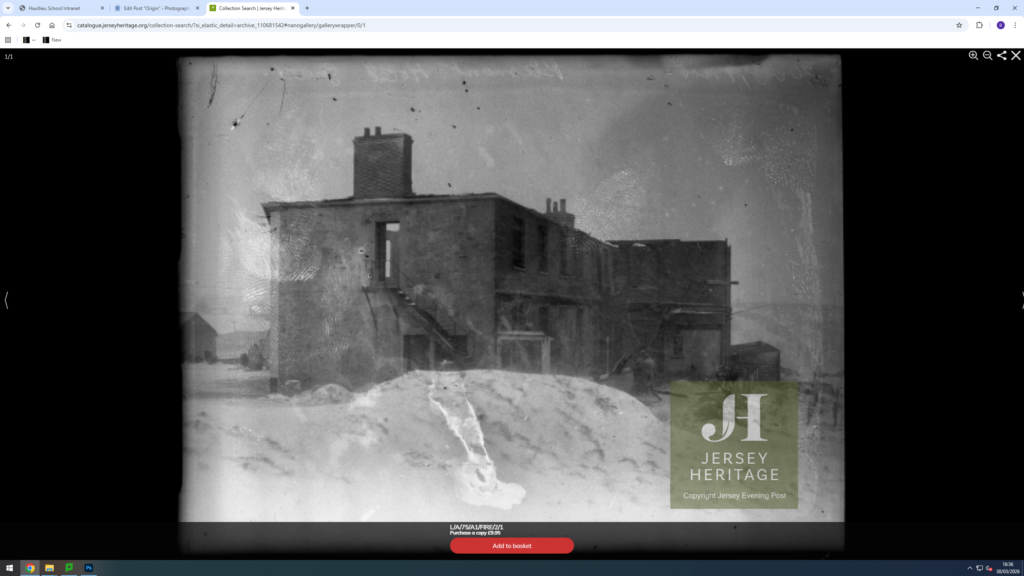
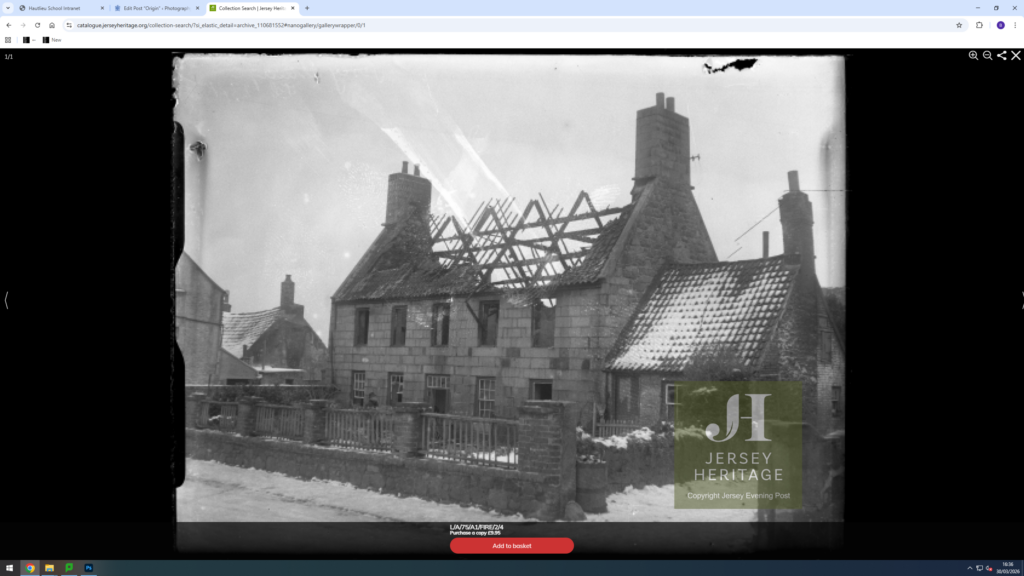
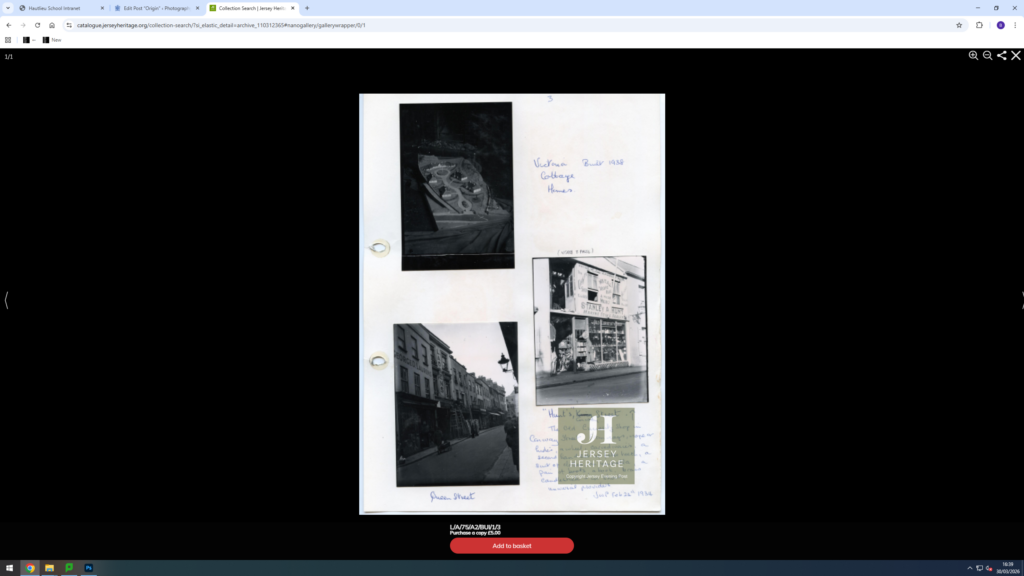
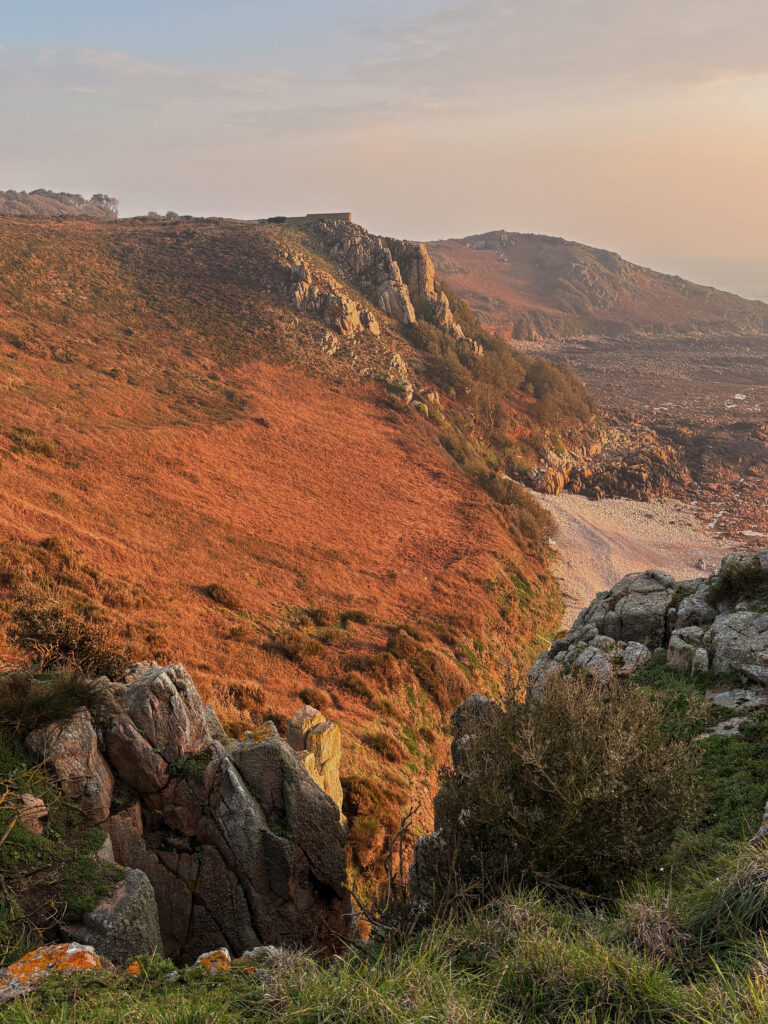
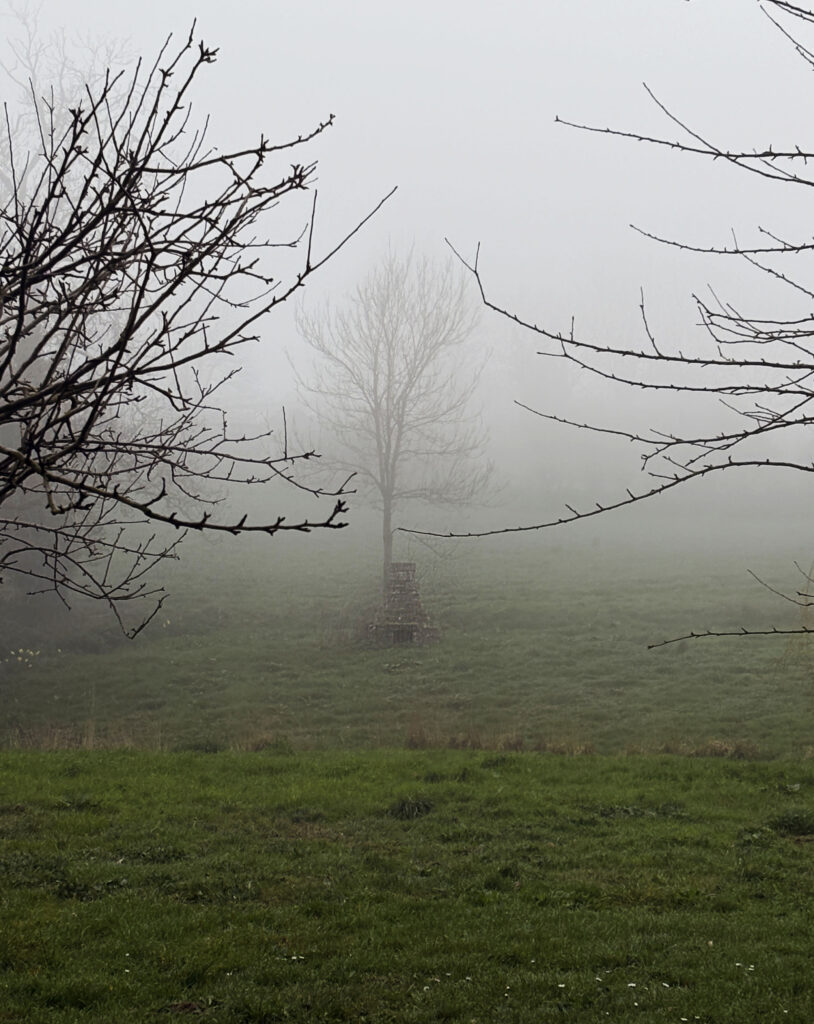
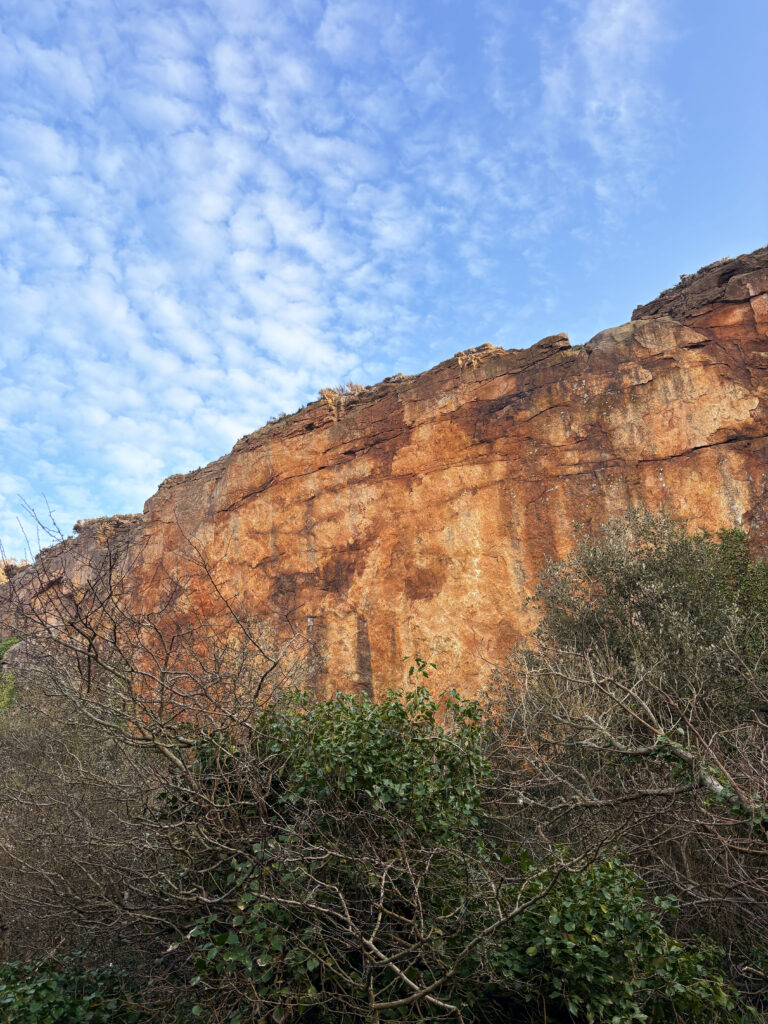
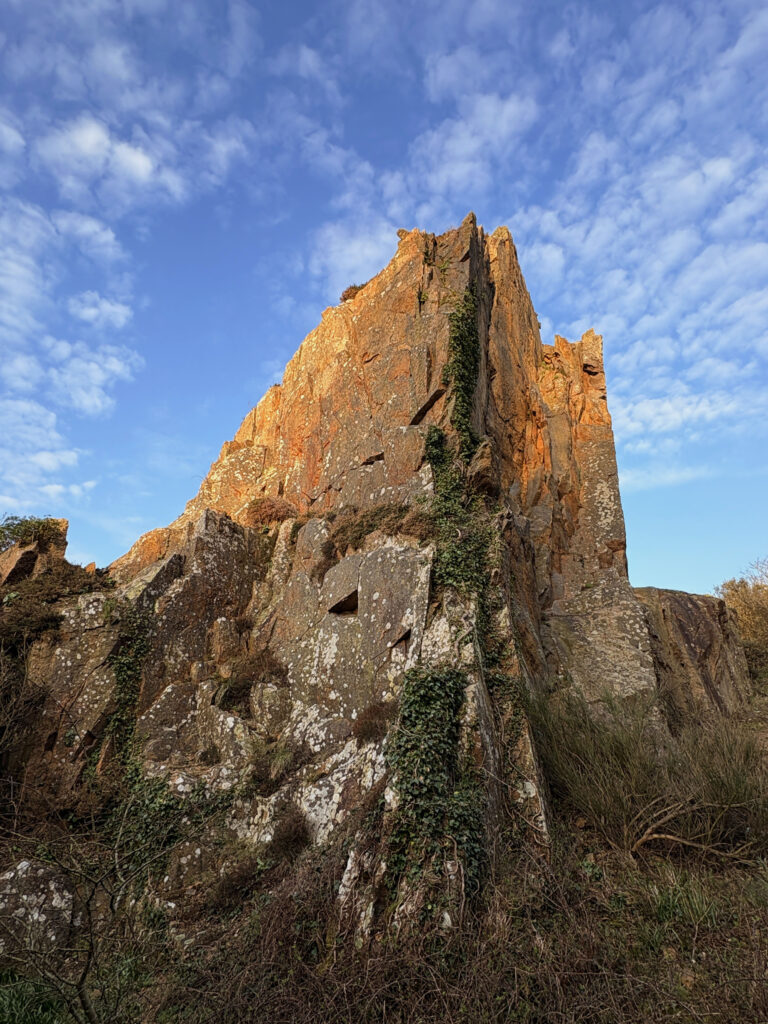
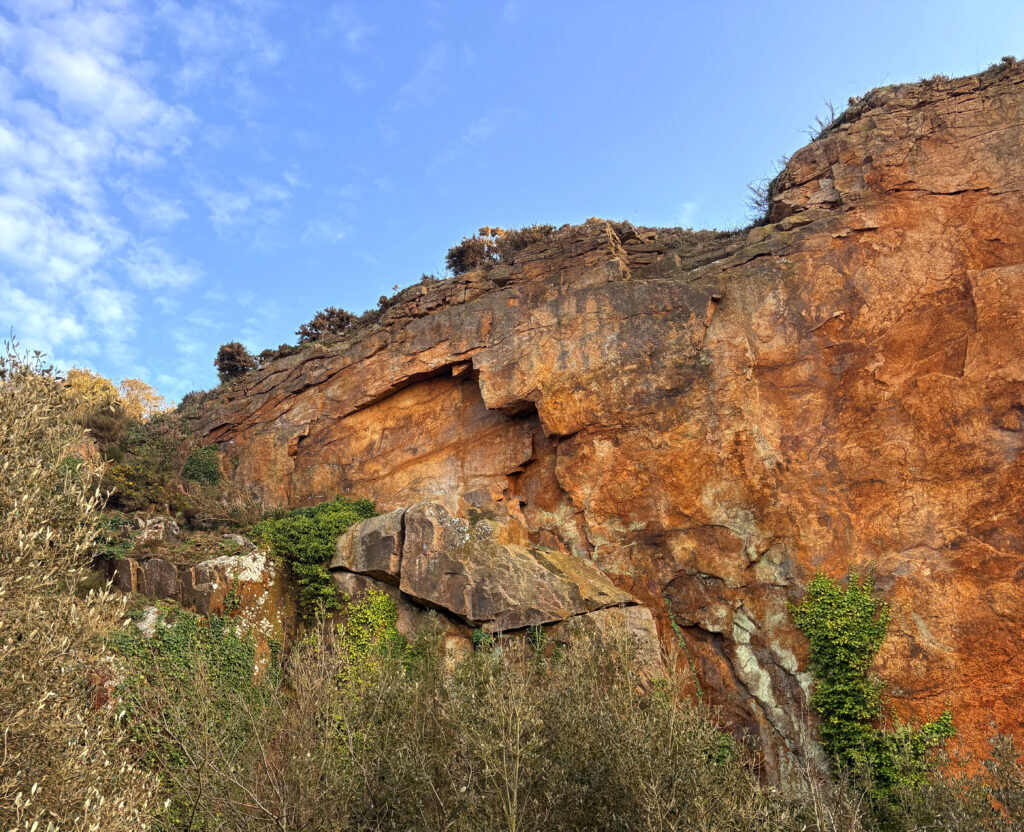
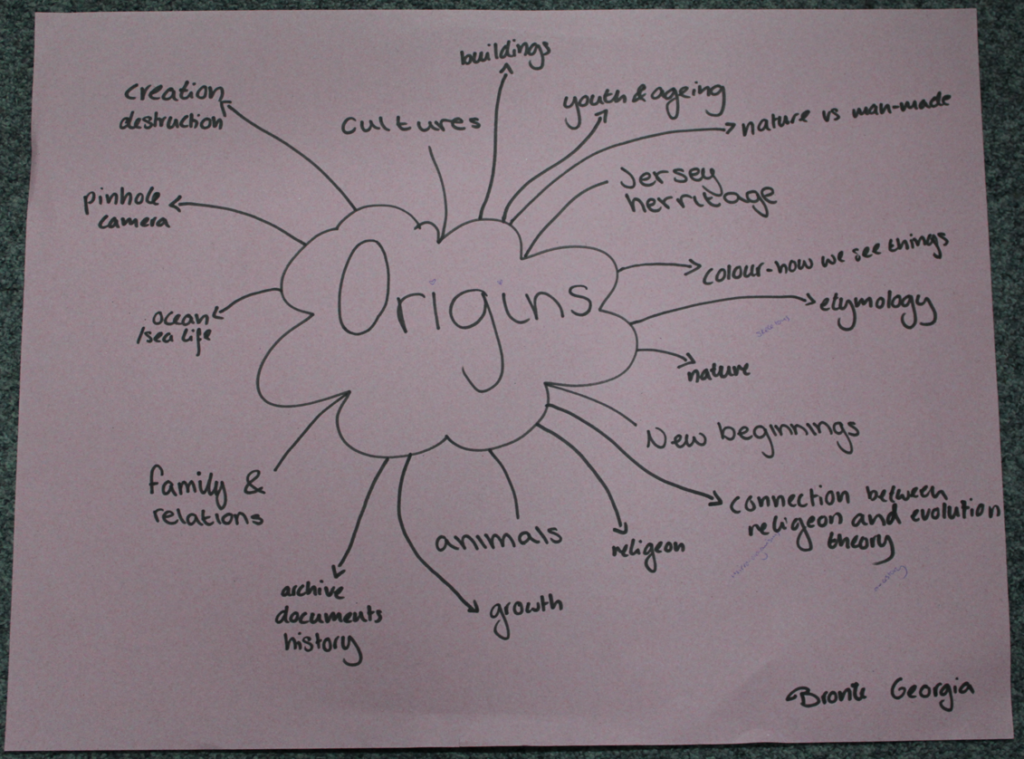
Mindmap
Fibonacci
Plan
The study of spirals – every spiral has an origin point
implementing clocks, dials, old fashioned clothing, movement and colour and texture
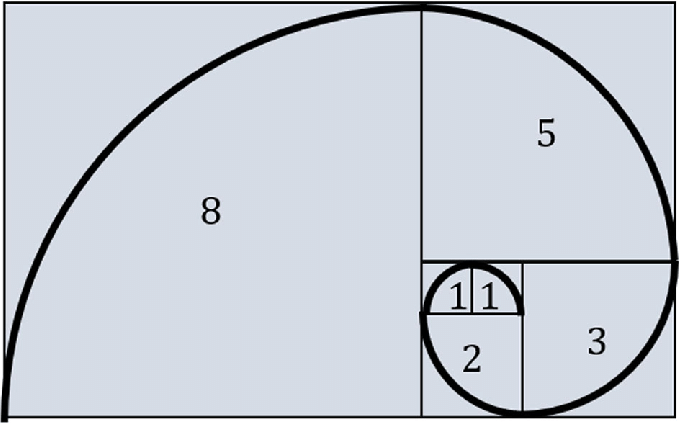
A photography project based on the Fibonacci Golden Spiral is a fantastic way to explore the intersection of nature, geometry, and art. The Golden Spiral is a logarithmic spiral that grows outward in proportion to the Golden Ratio, often seen in everything from shells to galaxies. Here are a few ideas you can explore:
CHATGPT ideas:
1. Nature’s Fibonacci
- Subject Focus: Capture natural forms where the Fibonacci sequence or Golden Spiral appears. Examples include:
- Flowers and Seeds: Sunflowers, daisies, and pinecones are classic examples of the Fibonacci sequence in nature.
- Shells and Spirals: Nautilus shells or snail shells with clear spiral structures.
- Leaves and Plants: Photograph the spirals in the arrangement of leaves or the branching of trees.
- Technique: Use the Golden Spiral as a compositional guide to frame your shots, placing the subject at the spiral’s center or along its curves.
2. Architectural Fibonacci
- Subject Focus: Explore architecture and design. Many architectural structures are based on the Golden Ratio, whether in the layout, windows, or decorative elements.
- Modern Buildings: Look for spirals in buildings or staircases, such as in the Guggenheim Museum in New York.
- Classical Architecture: Use the Golden Spiral to focus on elements of classical structures that follow the Golden Ratio.
- Technique: Focus on curves or spirals in architectural forms and align them with the Fibonacci spiral.
3. Human Body and Proportions
- Subject Focus: The human body also follows the Fibonacci sequence in its proportions.
- Portraiture: Consider photographing people in ways that use the body’s proportions (like focusing on the face, hands, or feet) and overlay the spiral to emphasize those ratios.
- Gestures and Poses: Capture poses where limbs, the torso, and head align with the Golden Spiral.
- Technique: Apply the Fibonacci spiral to position the person in the frame, emphasizing the symmetry of their body or movement.
4. Still Life with Fibonacci
- Subject Focus: Arrange objects that have a natural spiral shape or other objects that can form a spiral pattern. For instance:
- Spiral-shaped Objects: Seashells, spiral pasta, nautilus shells, or objects arranged in spiral patterns.
- Fruit and Vegetables: You could use objects like apples (with their natural spiral core) or artichokes (which display a spiral pattern when viewed from above).
- Technique: Use the spiral as a guide to compose the image, making sure it leads the viewer’s eye in a natural curve across the photo.
5. Macro Photography of Spirals
- Subject Focus: Explore the tiny details of spiral forms in natural or man-made objects.
- Insects: Close-ups of shells, spider webs, or snail shells.
- Flowers: A closer look at the Fibonacci pattern of petals and seeds.
- Technique: Use macro photography to get in close to the natural patterns of spirals and use the Golden Spiral to frame your shots.
6. Abstract Fibonacci
- Subject Focus: Experiment with abstract forms and compositions that embody the Fibonacci spiral but don’t directly depict natural objects. For example:
- Light Trails: Experiment with long exposure photography and light trails to create a spiral effect that mimics the Fibonacci spiral.
- Geometric Art: Create geometric or minimalist abstract compositions that follow the Golden Ratio and Fibonacci sequence in their proportions.
- Technique: Use light painting, long exposure, or digital editing to create spirals and geometric patterns.
7. Time-Lapse Fibonacci
- Subject Focus: Use time-lapse photography to capture the growth or change in objects that follow the Fibonacci pattern.
- Plants: Document the growth of plants like sunflowers, which exhibit Fibonacci spirals as they grow.
- Sky or Clouds: Experiment with cloud patterns, the movement of the stars, or the sky, and try to capture spirals through time-lapse.
- Technique: Overlay the Fibonacci spiral during post-processing to highlight the natural growth or movement aligned with the spiral’s proportions.
8. Fibonacci in Motion
- Subject Focus: Capture movement that follows the pattern of a spiral or explores the natural progression of the Golden Spiral.
- Water and Waves: Look for waves that curve and spiral, or create a photo of a splash where droplets follow a spiral pattern.
- Dance or Movement: Photograph dancers or people in motion, capturing their flow in spirals or curved paths.
- Technique: Long exposure to create the illusion of movement following the Fibonacci path.
9. Urban Fibonacci
- Subject Focus: Find Fibonacci-like patterns in urban or everyday settings.
- Spirals in Traffic: Capture patterns formed by roads or vehicles creating spirals, such as in roundabouts or intersections.
- Staircases: Circular or spiral staircases in buildings are classic urban representations of the Fibonacci spiral.
- Technique: Position your camera at angles that create spirals, or use the spiral to direct the composition.
10. Post-Processing and the Golden Spiral
- Subject Focus: Capture everyday scenes, then manipulate them in post-processing to align with the Fibonacci spiral.
- Digital Art: Create an image where elements naturally fit the Golden Spiral after editing. For example, placing objects along the spiral’s lines.
- Creative Editing: You can use software like Photoshop to overlay the Fibonacci spiral on existing photos, highlighting how the scene can be restructured or interpreted through this geometry.
- Technique: Use digital editing tools to layer the spiral grid and adjust the composition accordingly.
Tips for Success:
- Golden Ratio Grid: Most modern cameras have an option to overlay a grid on the viewfinder or screen. This can help you position subjects to align with the Fibonacci spiral as you shoot.
- Natural Light: Use natural light for some of your nature-based shots. The soft lighting can help highlight the details of spirals, especially in plant or shell photography.
- Use of Color: Pay attention to how colors can influence the flow of your Fibonacci spiral, whether it’s complementary colors, gradients, or light-to-dark transitions.
To create a more personalized artistic take on the Fibonacci spiral, you can blend traditional mathematical principles with your own creative choices. Here are some ways to make the Fibonacci spiral uniquely yours:
1. Customize the Color Scheme
- Use a specific palette: Choose colors that speak to you, like pastel shades, bold primaries, or earthy tones. You could even use gradients or color transitions.
- Mood-driven color choices: Use warm tones for a vibrant, energetic feel or cool tones for a calming effect. You could even create different color gradients for each segment or quadrant of the spiral.
3. Introduce Organic Elements
- Nature-inspired additions: Add elements like leaves, flowers, shells, or other organic shapes that align with the Fibonacci sequence in nature. For example, you could have a spiral of leaves growing along the curve or flower petals in each segment.
- Watercolor/Ink Effect: If you are painting or digitally creating the spiral, you could incorporate watercolor textures or ink blot effects for an organic, flowing feel.
6. Play with Scale and Perspective
- Make the spiral grow out from a single focal point, and manipulate perspective to make the spiral appear 3D or to add depth. You could have some parts of the spiral seem closer to you, while others fade away.
- Alternatively, play with scale by varying the size of each section in the spiral. Some sections might expand dramatically, while others shrink to create a sense of movement.
7. Add Motion or Animation (for Digital Art)
- If you’re working digitally, you can make the Fibonacci spiral dynamic by adding subtle animations. The spiral could gradually unfold over time, or elements within it could shift, bloom, or rotate as it grows.
- Create a sense of movement by adding flowing lines that move outward or inward, creating a hypnotic effect.
8. Incorporate Light & Shadow
- Use light and shadow effects to give the spiral a 3D look or create a more dramatic, atmospheric piece. Highlight certain sections with soft glows or shadow the outer portions for depth.
- You could have light radiating from the center of the spiral, gradually fading as the spiral expands outward.
By mixing these ideas, you’ll be able to create a Fibonacci spiral that’s not only mathematically fascinating but also visually and emotionally expressive. You can take the strictness of the Fibonacci sequence and make it your own through creativity.
Other Origin Ideas
1. Roots and Beginnings
- Concept: Explore the origins of family heritage or ancestry. Capture portraits of people in their family homes, heirlooms, or places that are significant to their lineage. You could also photograph the “roots” of a culture, like traditional clothing, food, or rituals.
- Execution: Combine modern portraits with objects or spaces that represent the past, such as old photos, artifacts, or symbols.
2. Birth of a Landscape
- Concept: Document natural landscapes that have an origin story, like volcanic regions, river deltas, or glacial formations. Look for ways to visually tell the story of how a landscape evolved.
- Execution: Photograph at different times of day or seasons to capture the changing face of the land, or use long exposures to symbolize the passage of time.
3. Human Origins
- Concept: Create a visual representation of human evolution. This could be done through a series of portraits of people from different cultures or walks of life, juxtaposed with symbolic objects representing their origins (e.g., maps, tools, fossils).
- Execution: Show the diversity of human experience while hinting at the common origins we share.
4. The Origin of Objects
- Concept: Explore the history and origins of everyday objects or items that have personal or historical significance. This could include things like old tools, books, or machinery.
- Execution: Create close-up shots of these objects in their natural setting, paired with historical context or stories about how they came to be.
5. Life Cycles
- Concept: Focus on the cycle of life—birth, growth, decay, and rebirth. You could photograph the growth stages of a plant, animal, or even a building being constructed or deconstructed.
- Execution: Tell a story in a series of images, capturing different “origins” of life or objects as they evolve over time.
7. Cultural Origins
- Concept: Dive into the traditional practices, rituals, or stories that give birth to cultural identities. You could photograph celebrations, ceremonies, or local artisans at work, showing the origins of cultural practices.
- Execution: Portraiture combined with environmental storytelling, using the surrounding elements to express cultural significance.
8. Urban Origins
- Concept: Document the origins of a city or neighborhood. This could include the historical foundation of a place, early architecture, and the evolving culture over time.
- Execution: Shoot both the modern-day city and archival images (if possible) to highlight the contrast between the past and present.
9. Fossils of the Future
- Concept: Imagine the origins of the future by photographing remnants or objects that might be considered “fossils” or artifacts of today. You could photograph common items like cell phones, shoes, or even food packaging and present them in a way that feels archaeological.
- Execution: Present objects in stark, minimalistic ways, possibly using dark or moody lighting to give them a timeless, ancient quality.
Artist Research
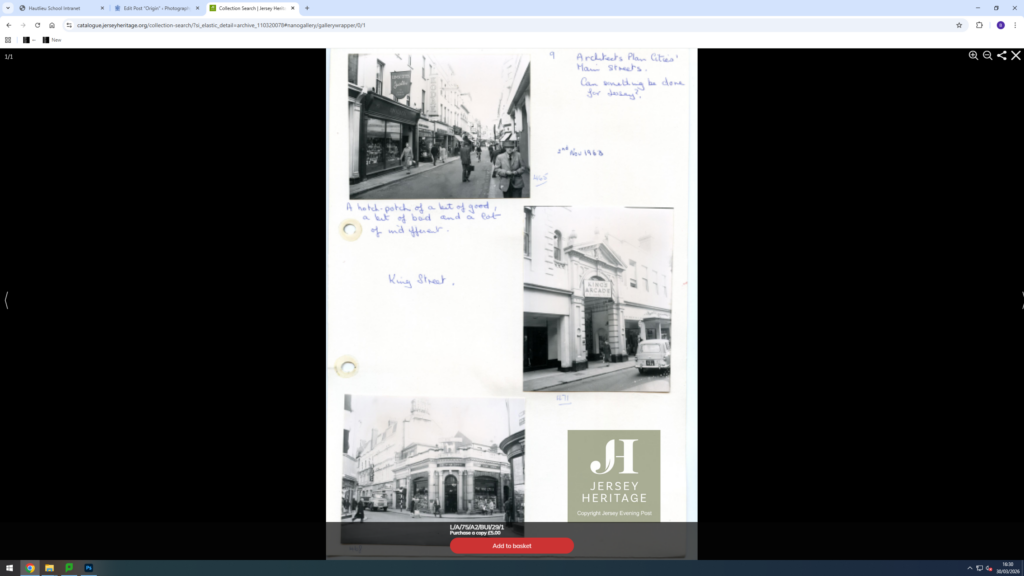
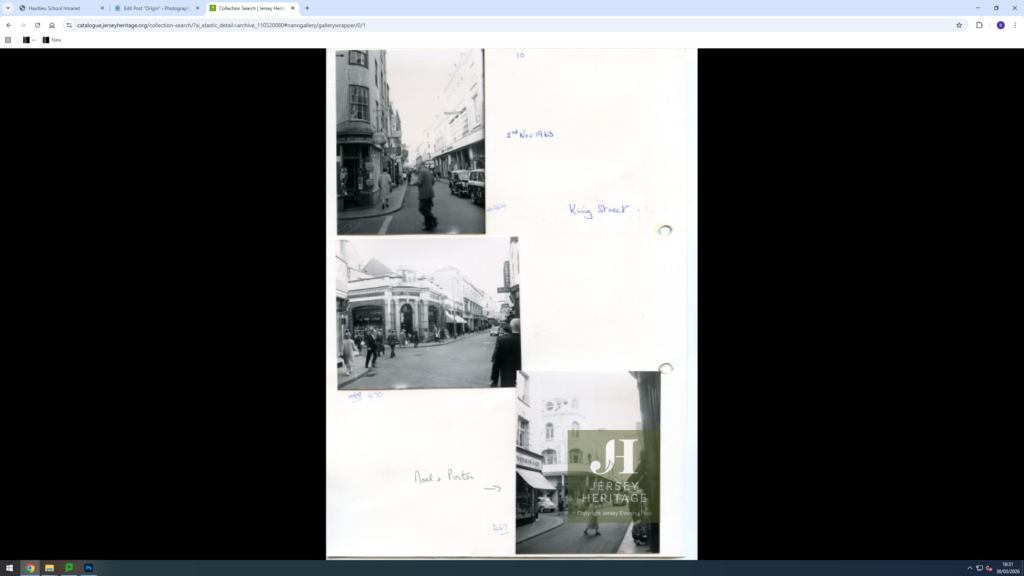
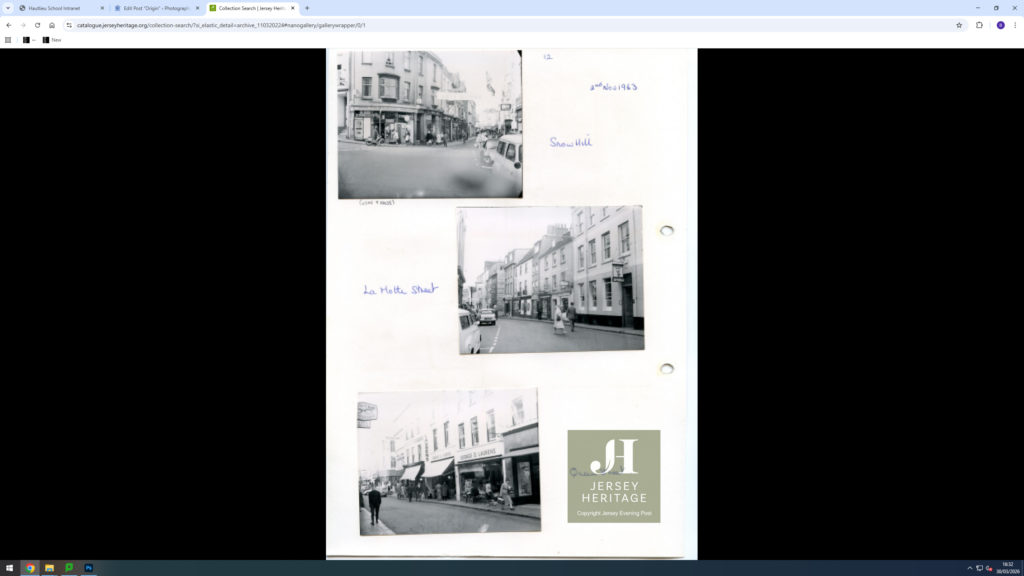
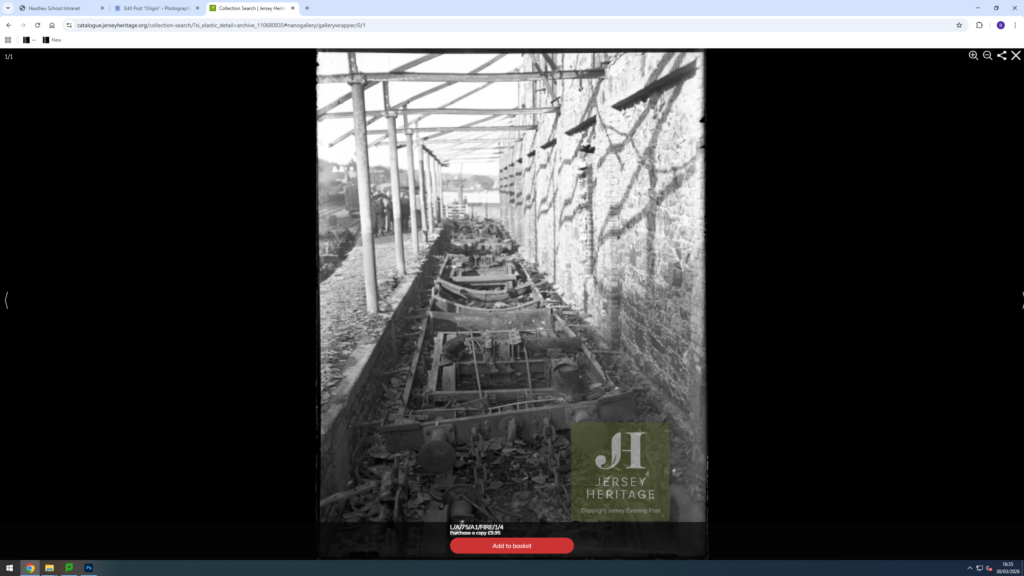
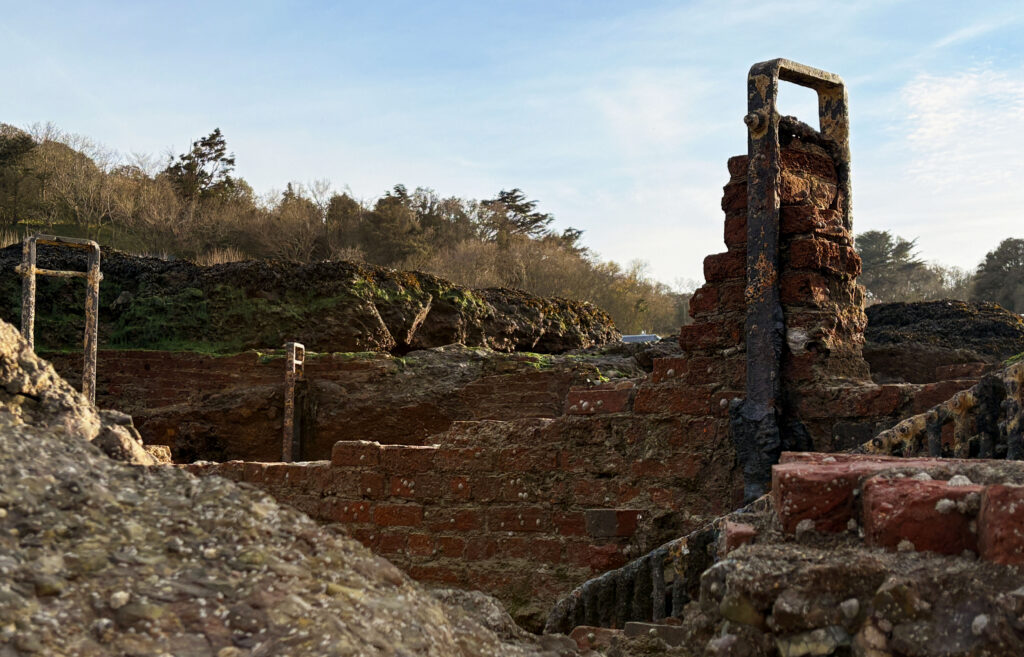
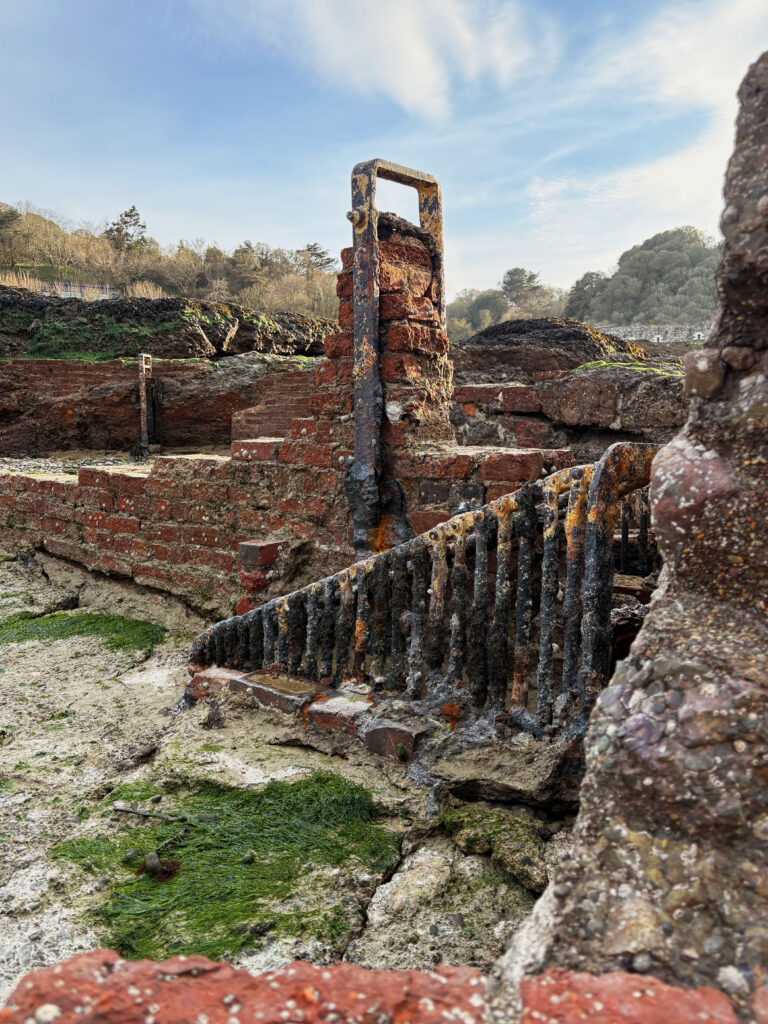
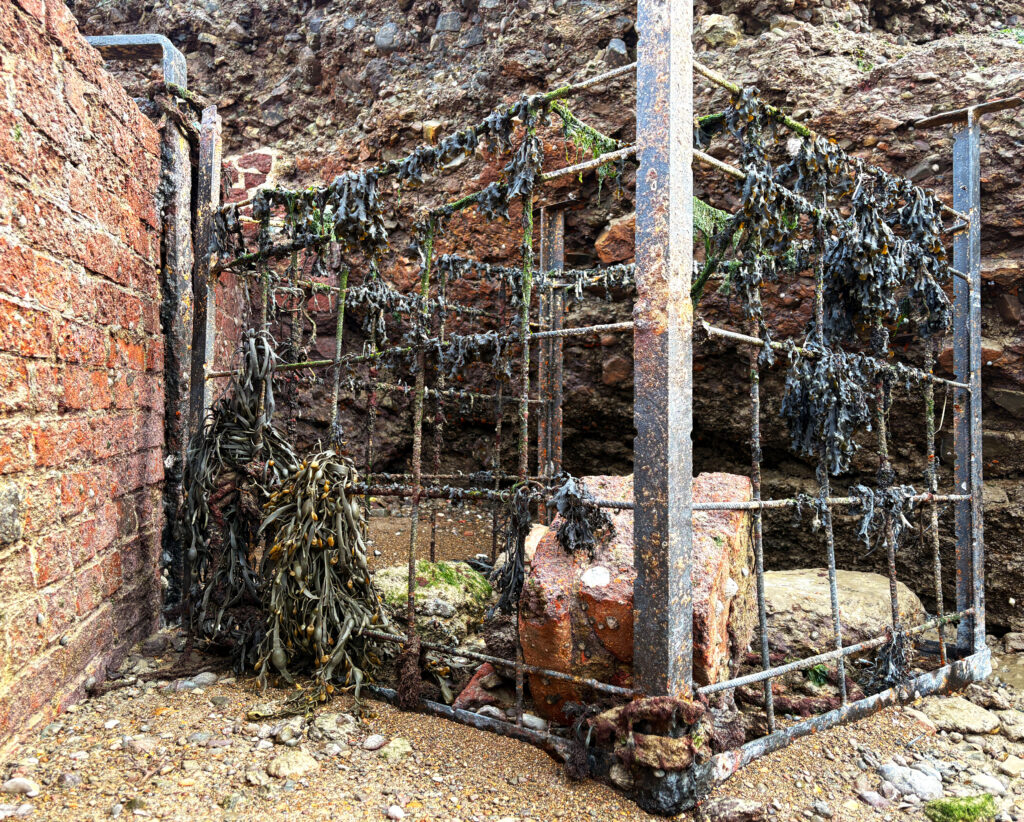
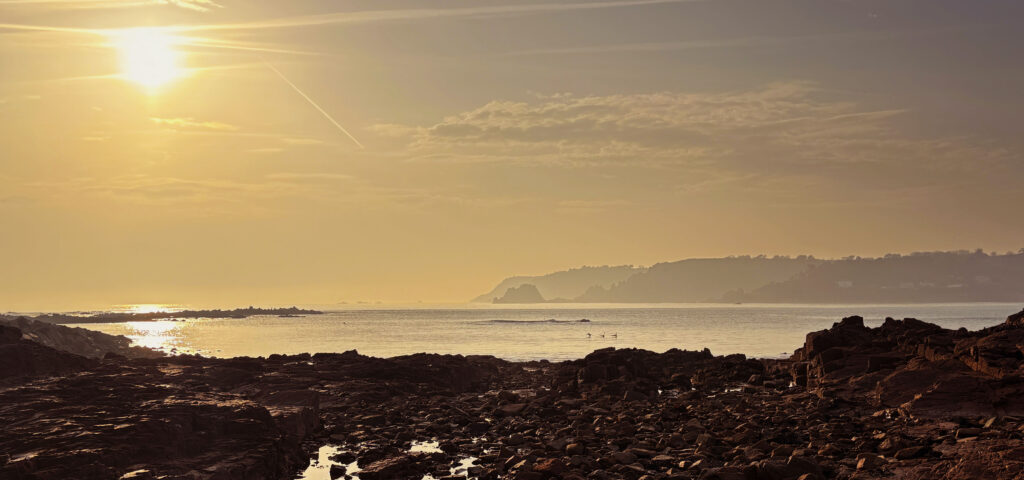
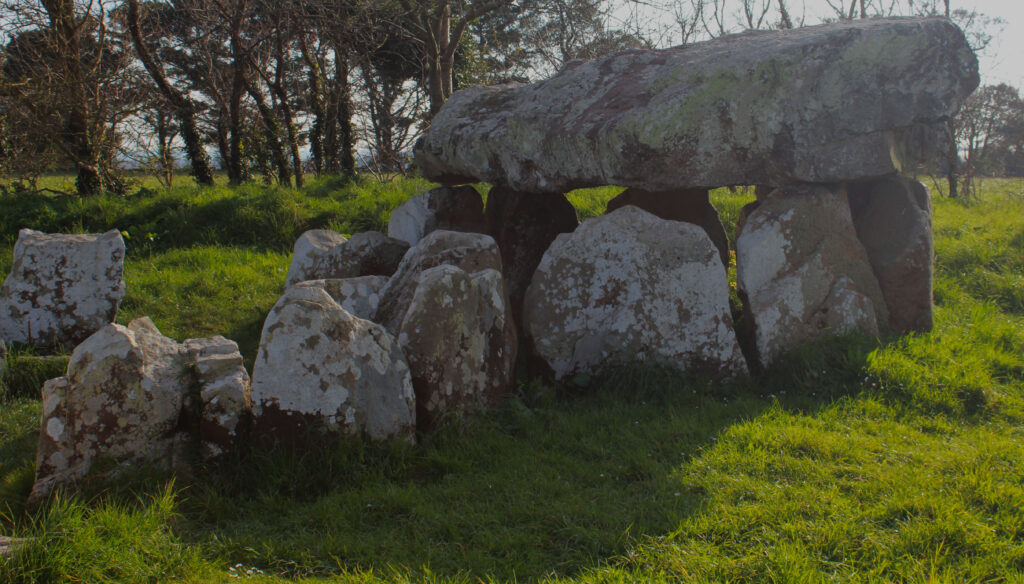
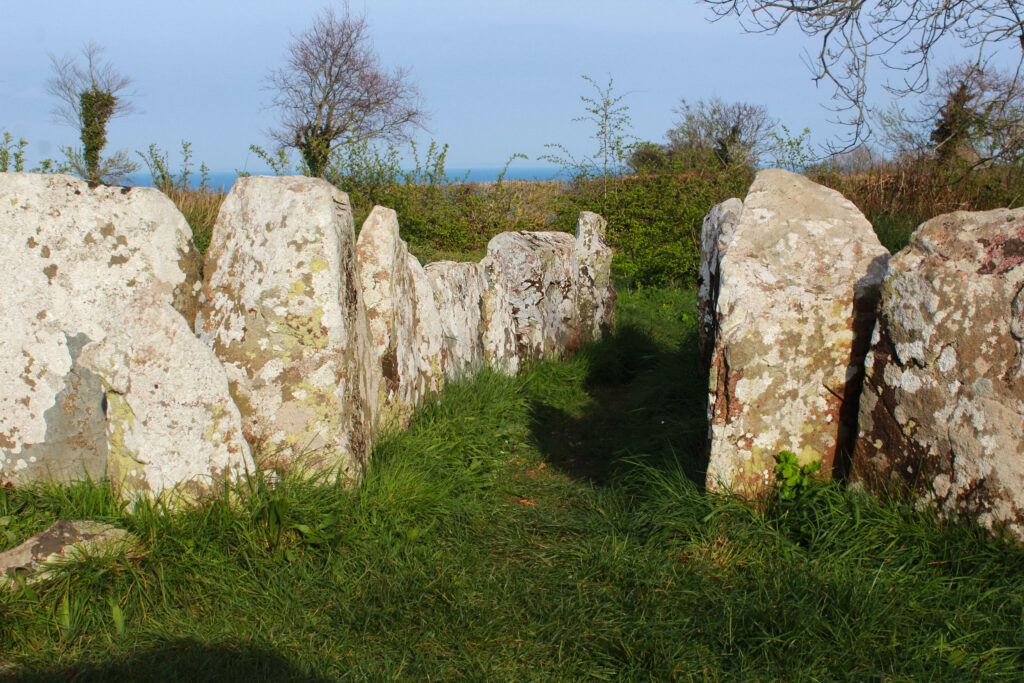
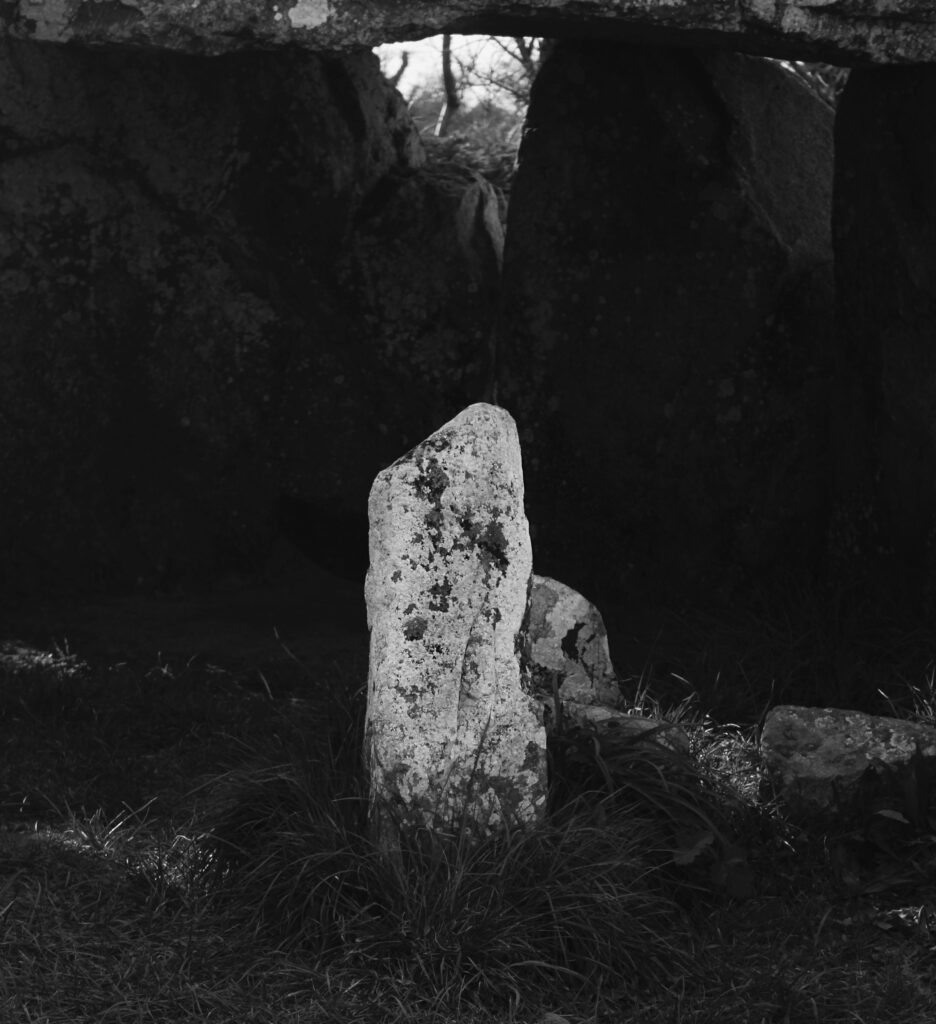
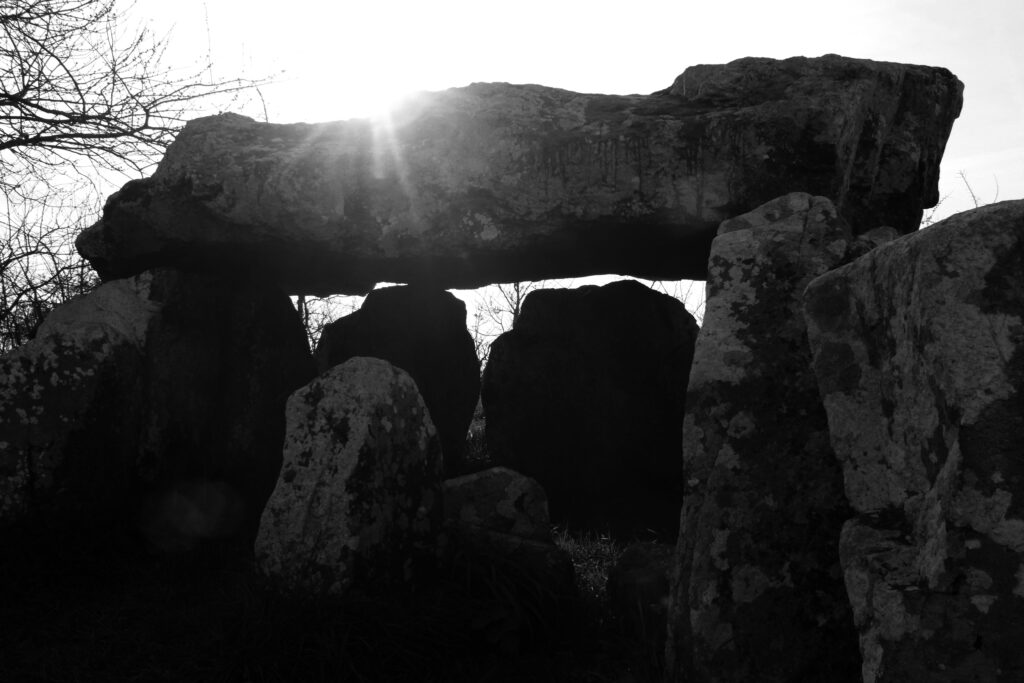
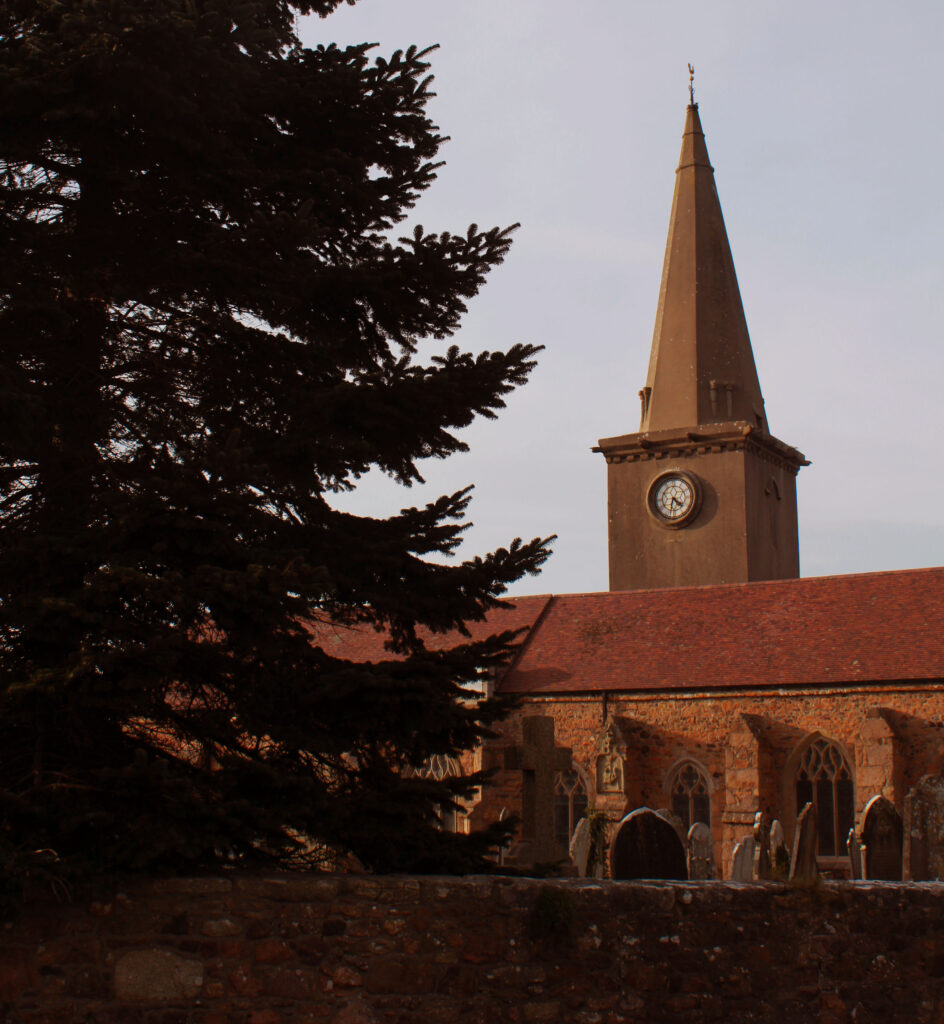
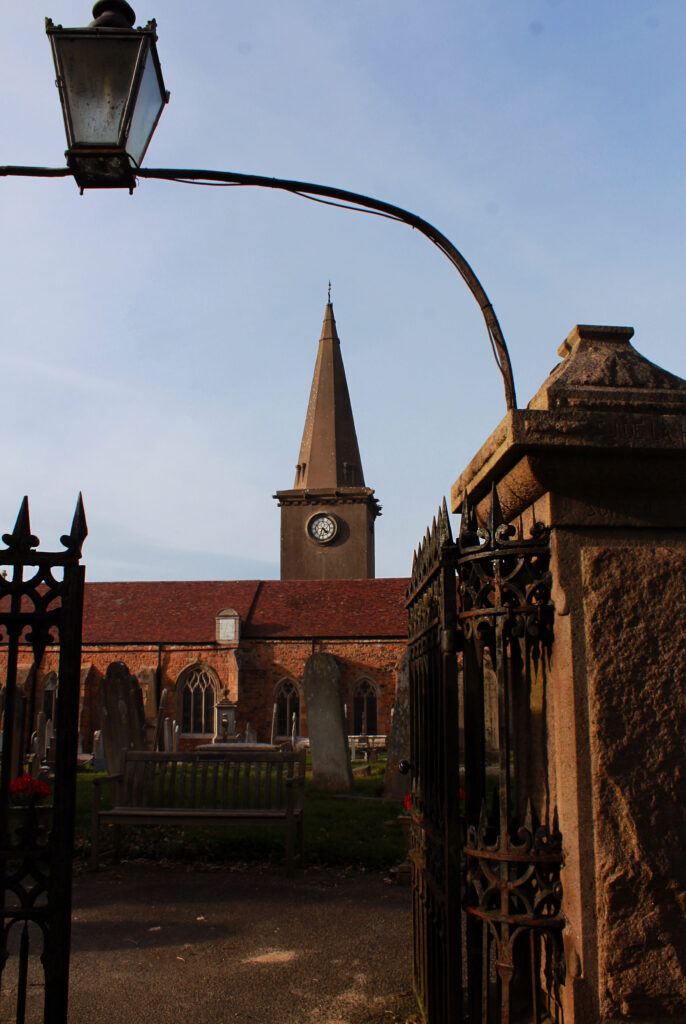
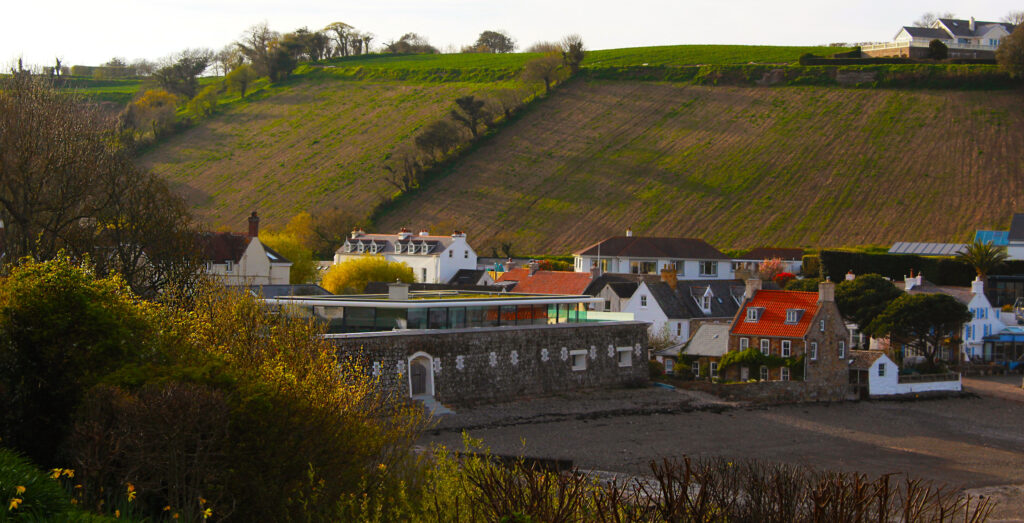
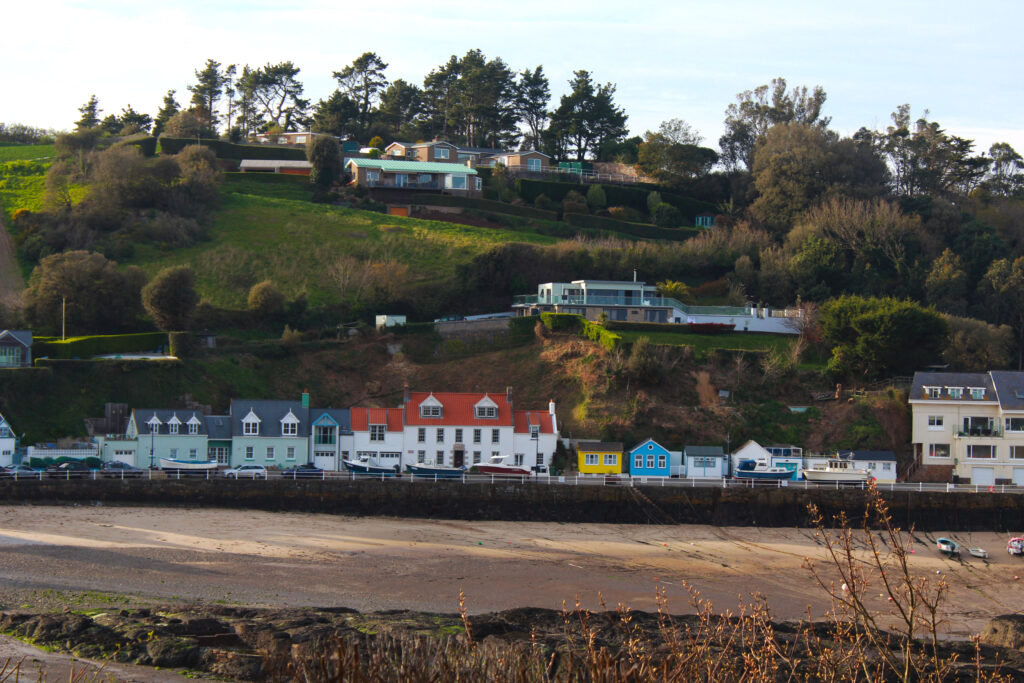
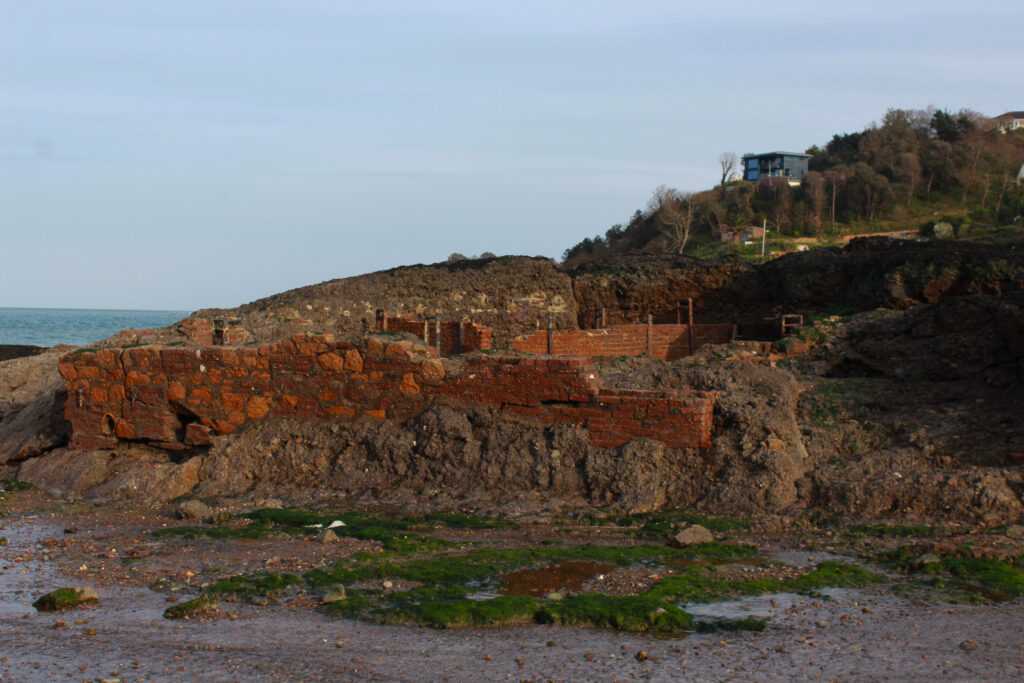
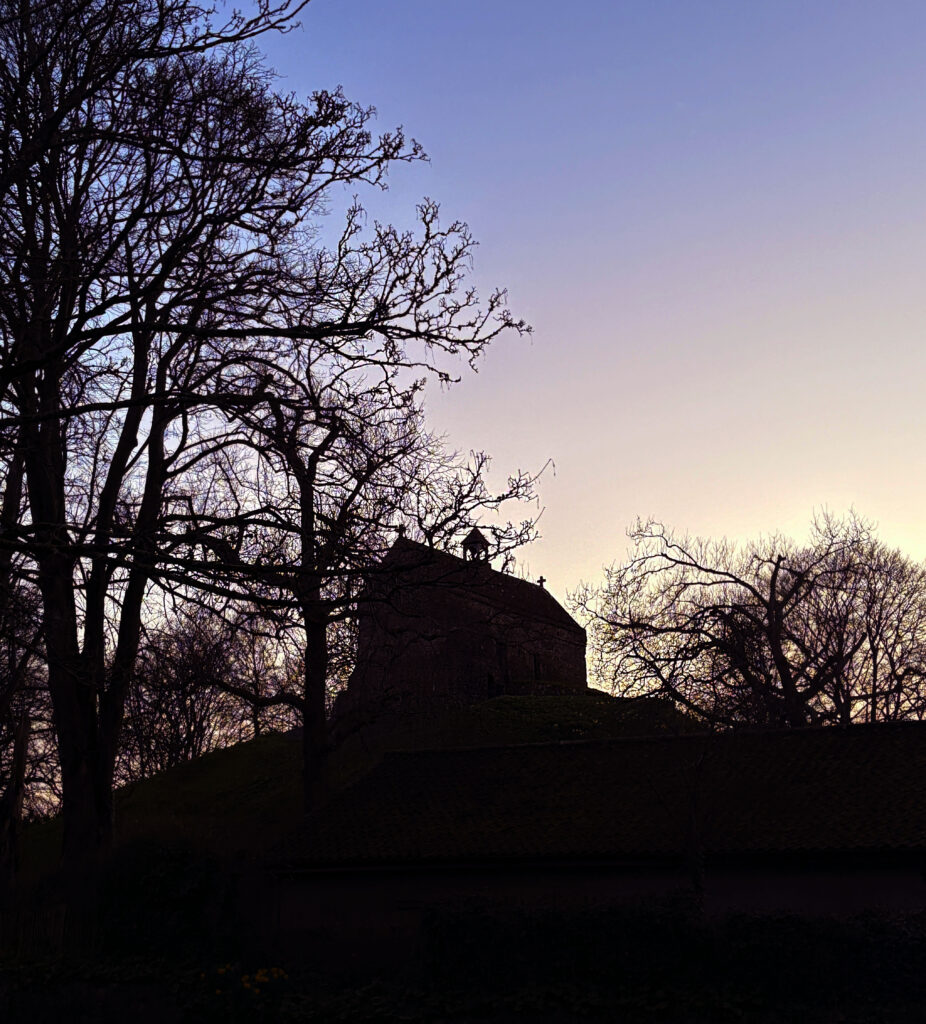
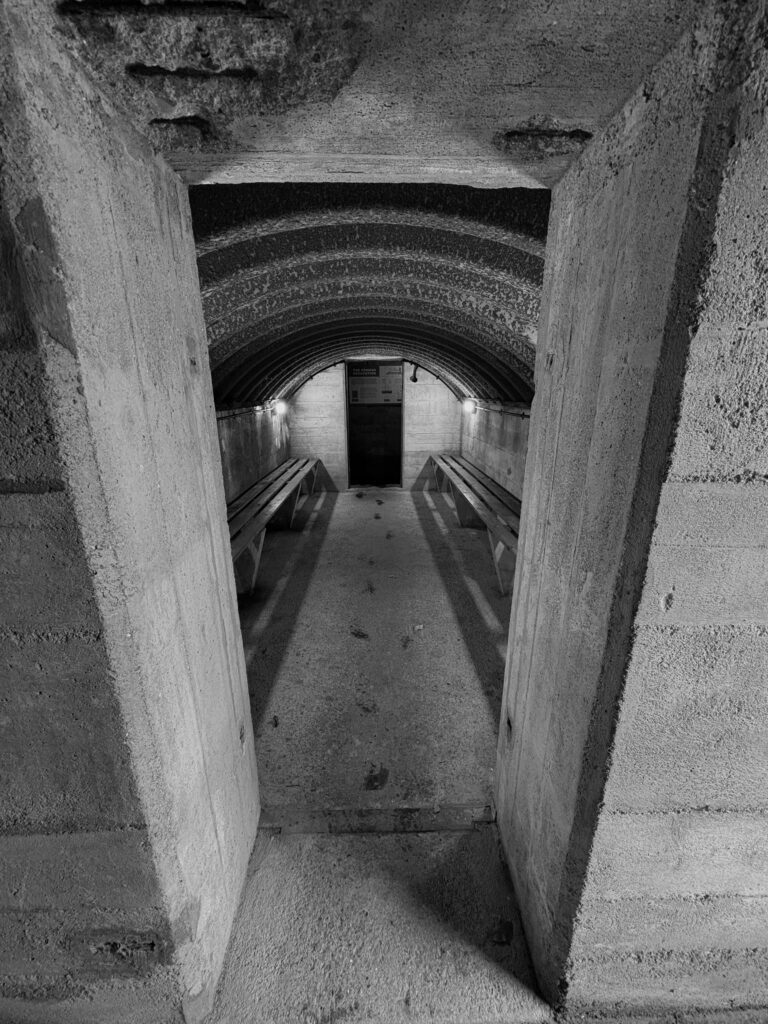
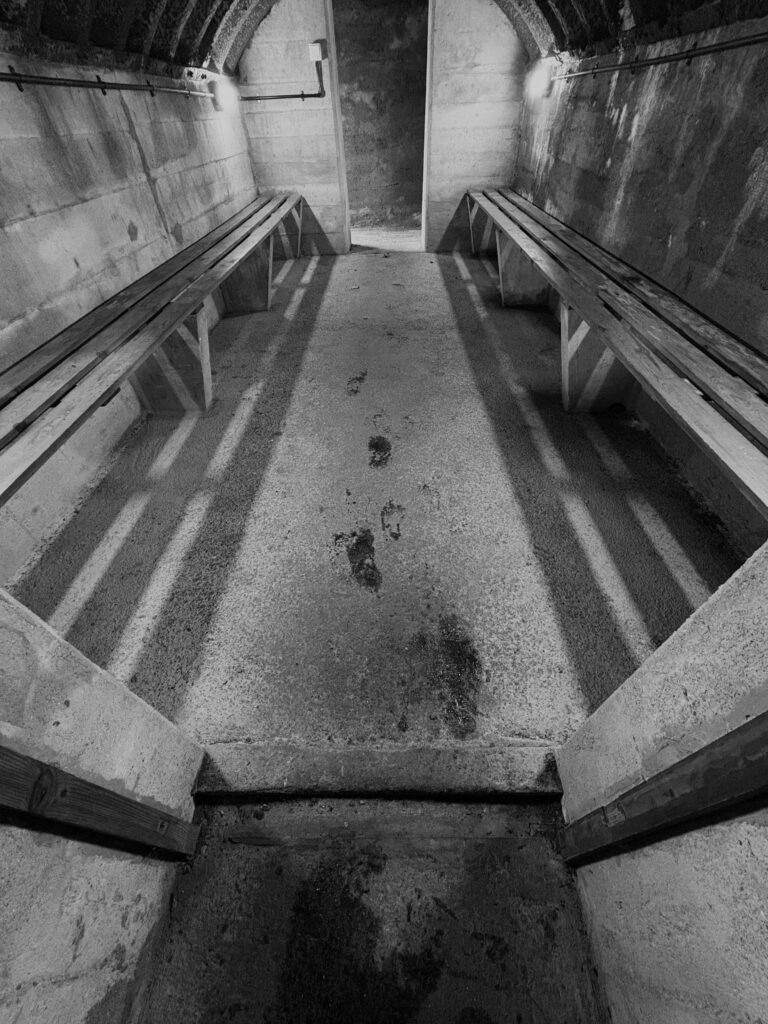
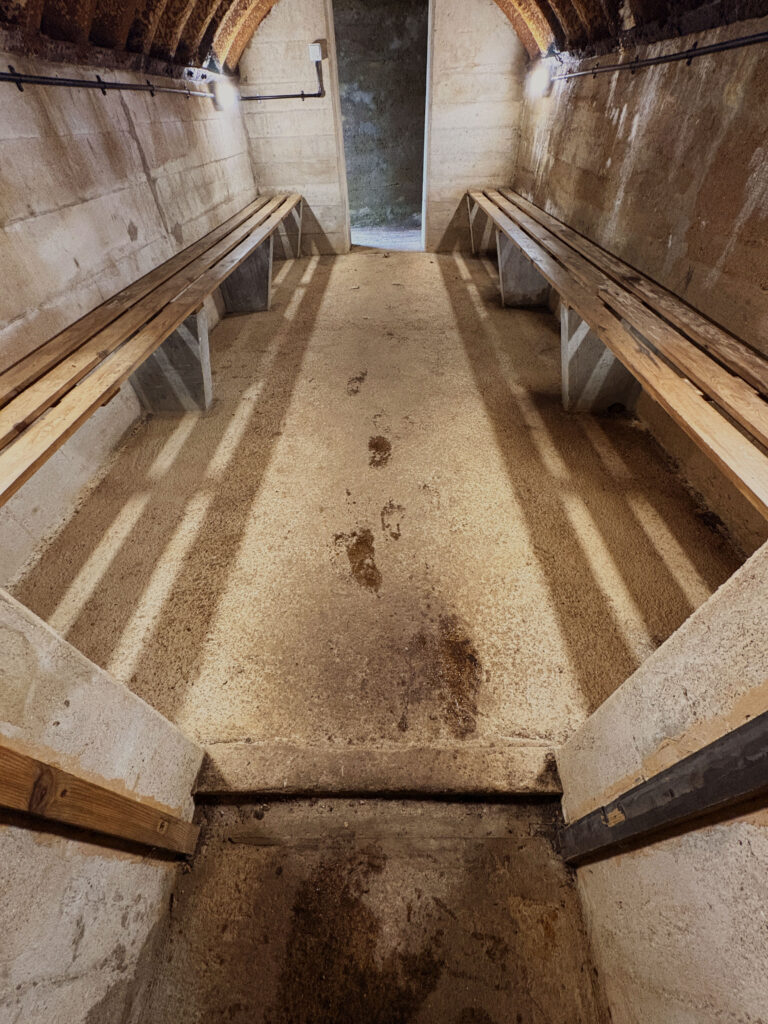
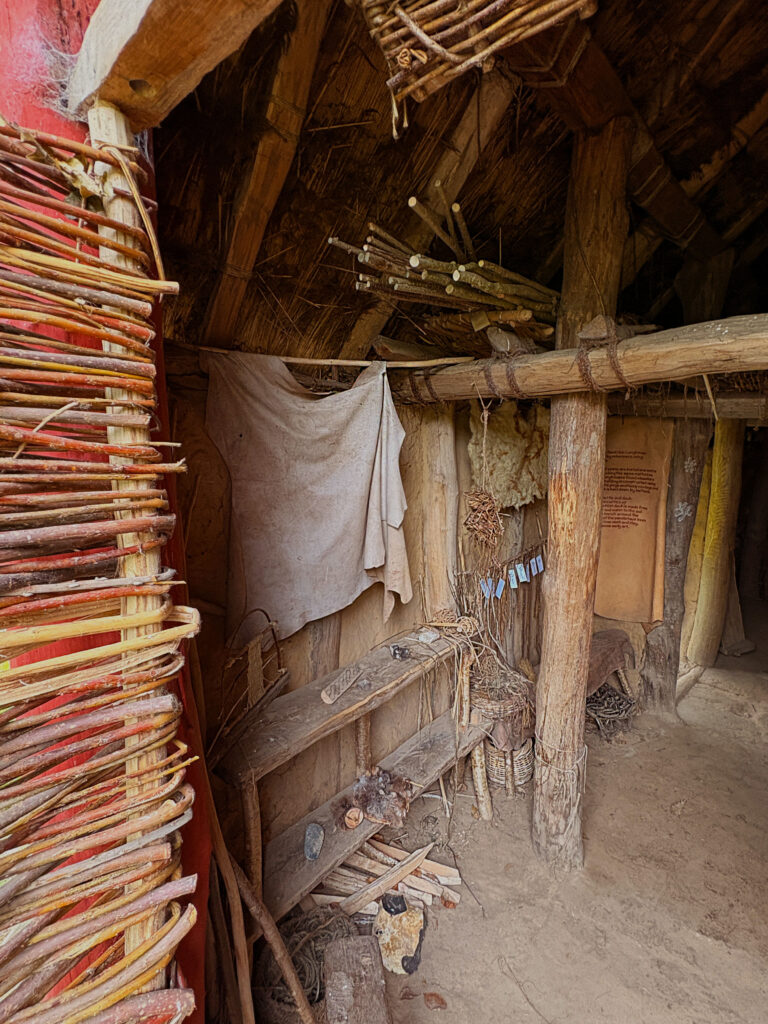
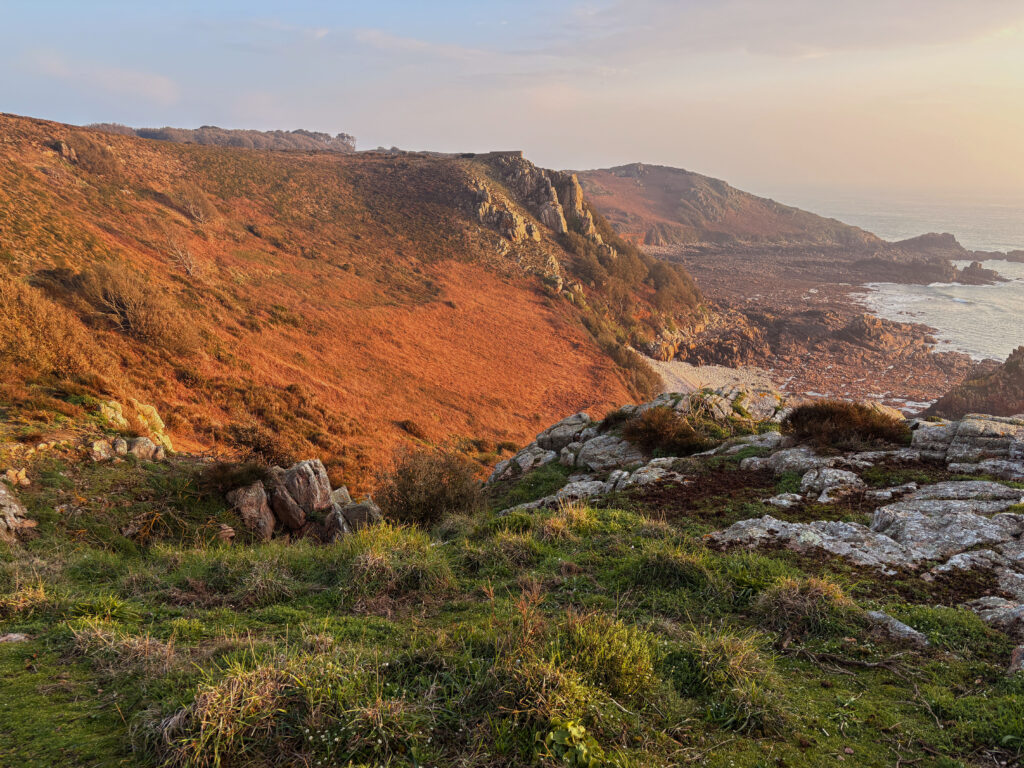
Photograph old buildings and structures around jersey
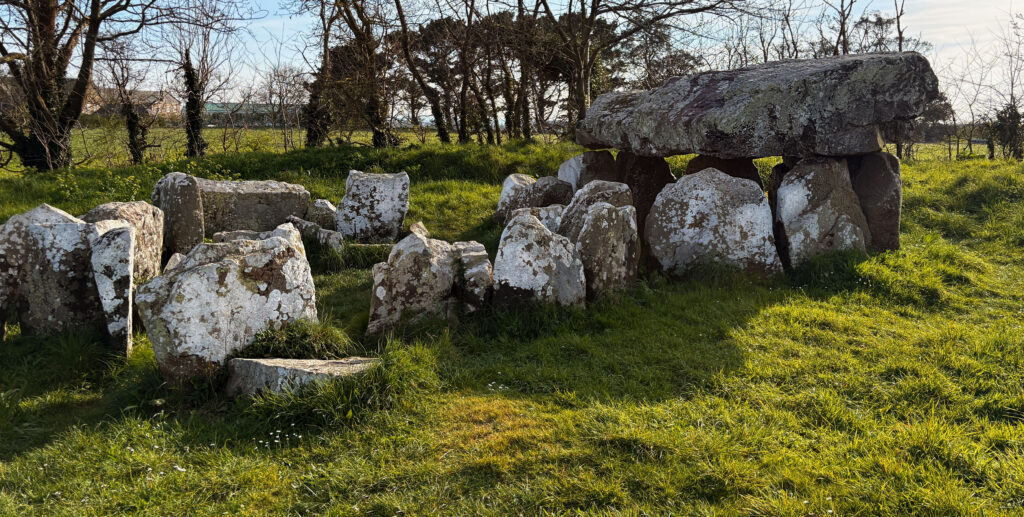
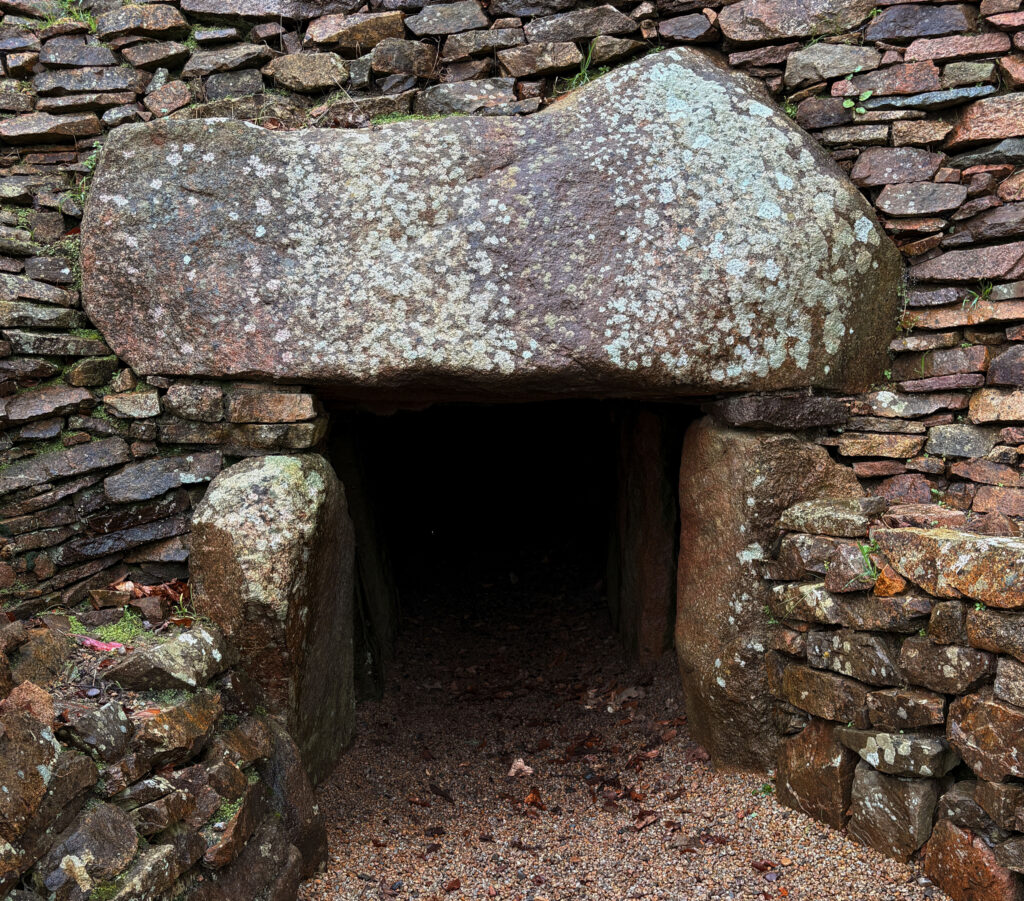
look at jerseys history – WW2, jersey heritage sites (hogue bie), old stories, museums, castles, St Catherine’s woods, costal paths, standing stones (textures, patterns, sand dunes)
possible add ons – portraiture, colours, texture, nature, dream like long exposure of people walking to reimagine the time passed and lives lived
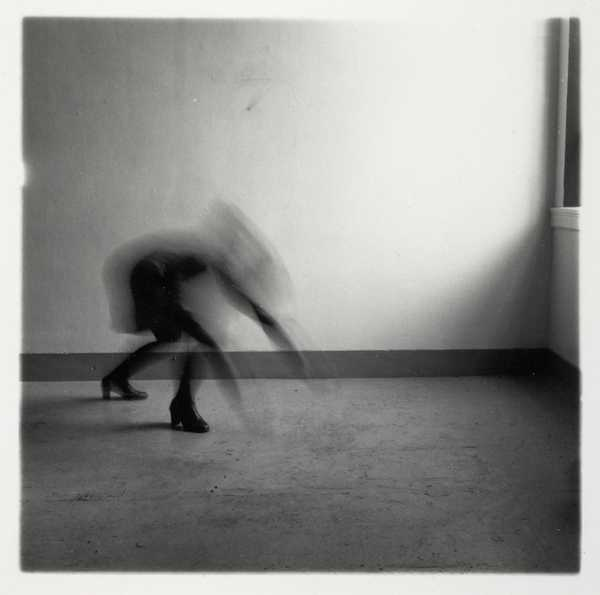
Francesca Woodman
Woodman was an American artist born April 3, 1958 in Denver, Colorado. She grew up surrounded by art her protestant father, George who was a painter and her protestant mother a sculptor. Her brother Charles Woodman grew up to be an electronic artist. Her family encouraged her to begin taking photos at age 13. In 1975 Woodman began studying at Rhode Island School of Design which offered her a honors program in Rome in 1977 before she graduated in 1978. In 1979 she moved to New York to begin her career in photography sending her work to multiple fashion photographers but after many rejections and the end of her long-term relationship she became depressed and attempted suicide in 1980. She was sent to live with her parents in Manhattan during her recovery. Woodman attended therapy and her mental health seemed to improve causing her family and friends to lower their guard leading to her to commit suicide in January 1981 at age 22.
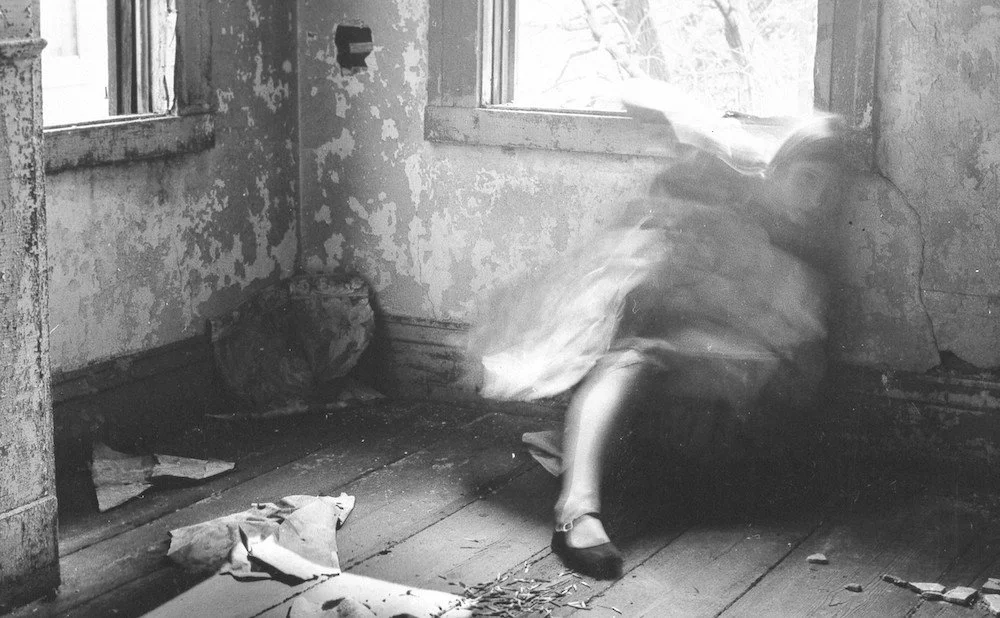
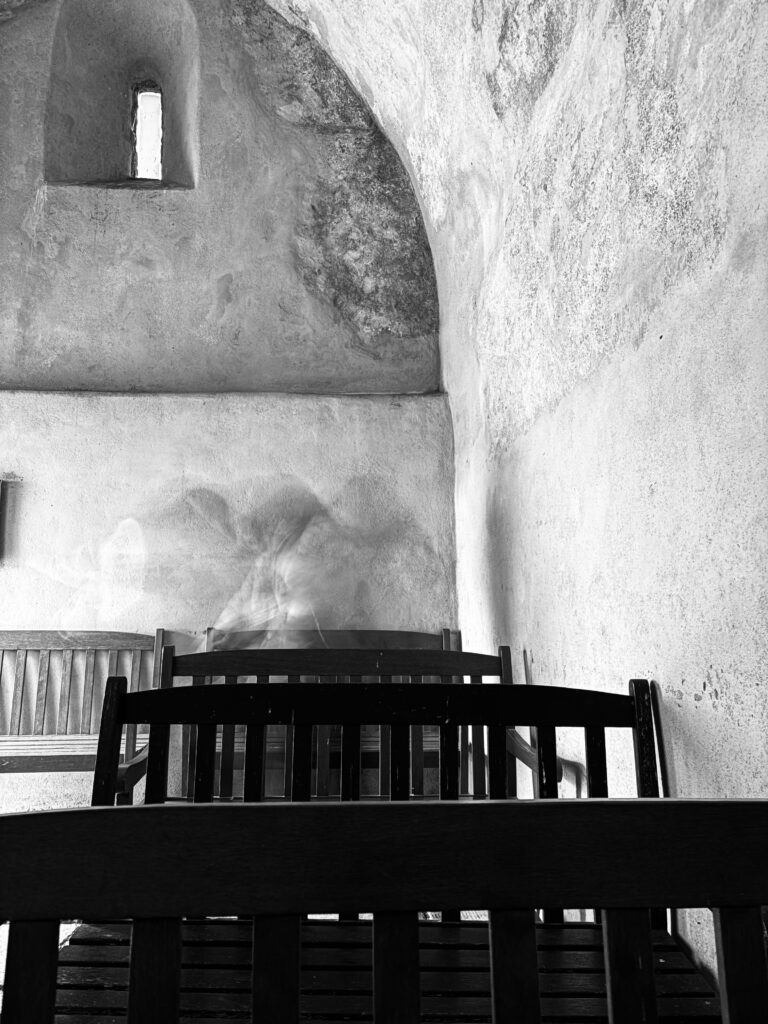
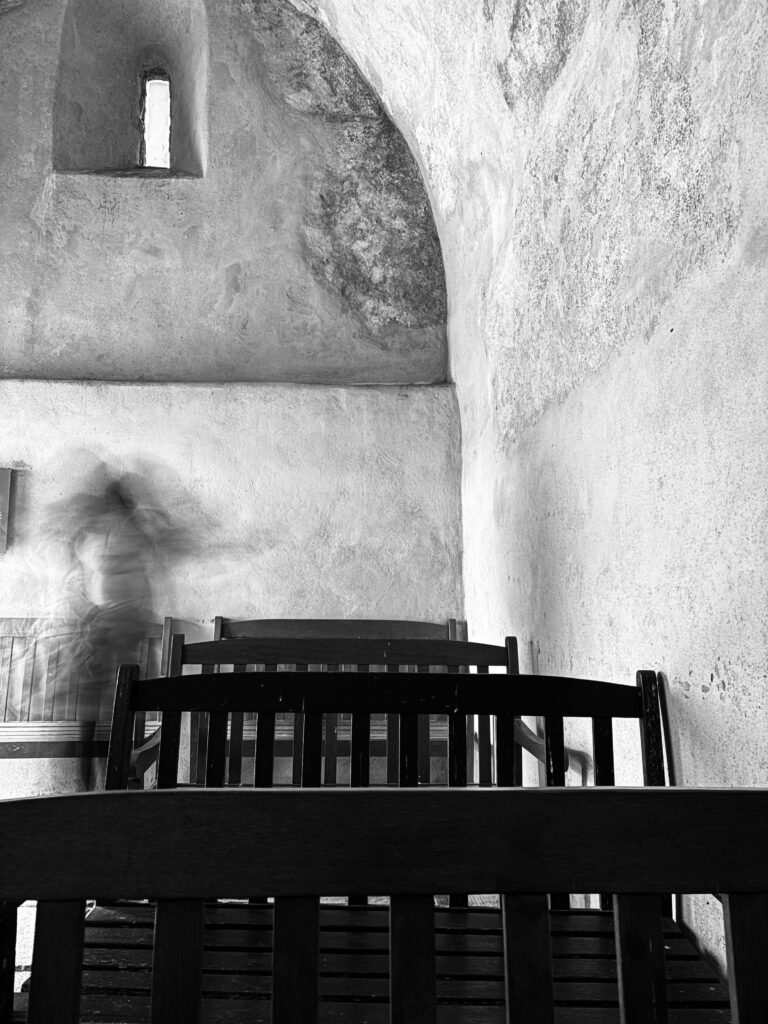
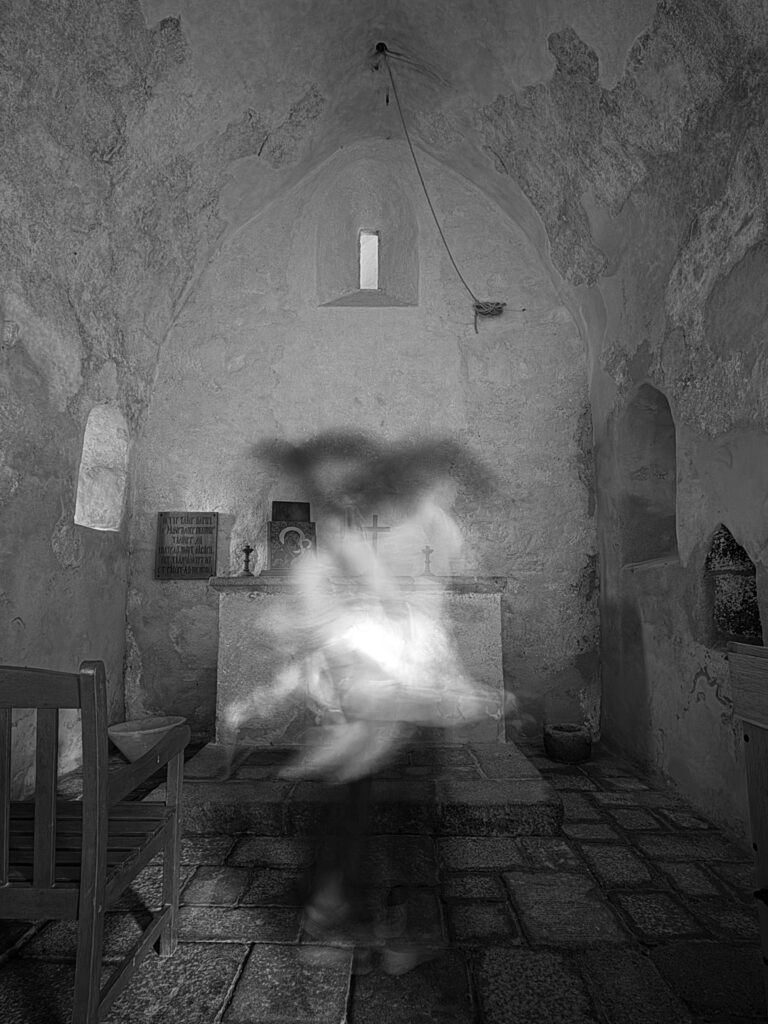
Later she became well known for her black and white images, of which many were self portraits where she captures movement through utilising shutter speed to make the images appear ghostly by obscuring the face and parts of the body. Her use of black and white or sepia filters gives the images a timely feel as though they were taken long before they were. I chose this artist as I felt her use of movement fitted the theme of Origins as she captured passing time.
This could be implemented into my work as I’m hoping to explore Origins through the history of Jersey society by going to Jersey landmarks and Jersey Heritage sites to where I will focus my camera on the structure using a long exposure to capture people and movement around it representing the passing of time whilst the structure remains still and unchanged demonstrating how it has stood the test of time through history and shaped the changing cultures of Jersey being apart of every Jersey families ancestry.
Ansel Adams
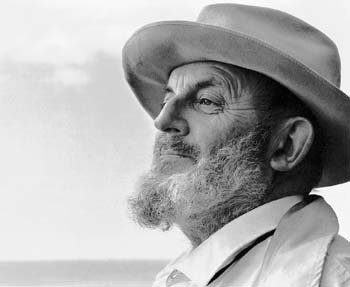
Ansel Adams born in 1902 was an American landscape photographer. Adams was a rebellious child and was pulled from school at age 12, he found focus in nature and music, in which he trained professionally in from 1914 until discovering his passion for photography later. A family trip in 1916 to Yosemite National Park with a Kodak Brownie camera, sparked his interest in national parks, which developed into his career in photography.
Ansel Adams took photos all through the 1920s where he was a part of the Sierra Club, An organisation whose mission is “to explore, enjoy, and protect the wild places of the earth; To practice and promote the responsible use of the earth’s ecosystems and resources; To educate and enlist humanity to protect and restore the quality of the natural and human environment; and to use all lawful means to carry out these objectives.” he later worked as the the custodian of the Sierra Club’s lodge in Yosemite.
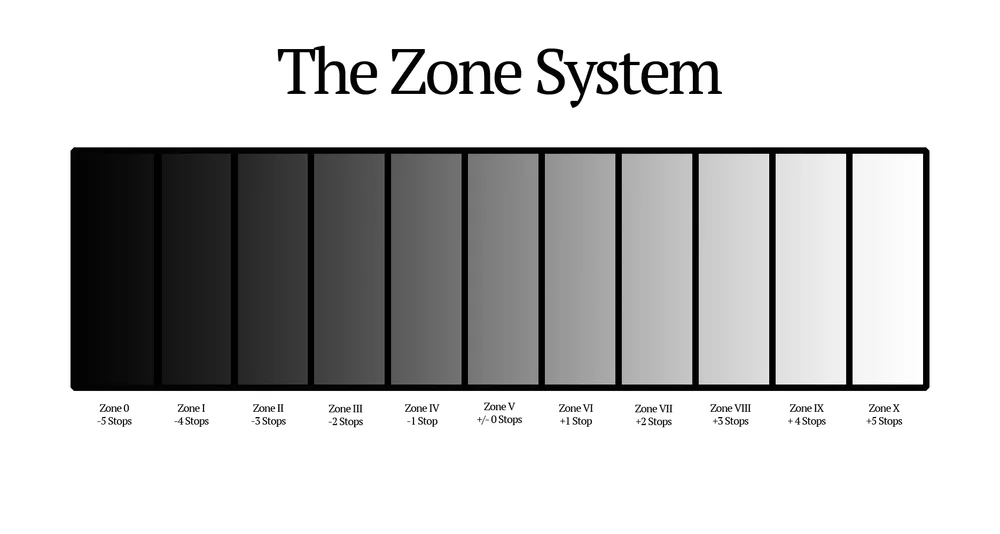
Adams believed in “true photography” where he would use the highest resolution available and full tonal range, differentiating from soft-focus pictorialism and assisted in founding the group f/64 in 1932 in California. The group also believed in Ansel’s’ mindset surrounding photography and took images of the American landscape including mountains and lakes. Ansel Adams also partnered with Fred Archer created “The Zone System” a way of representing the different tonal gradient in a black and white picture. The Zone System is still used today within photography.
The popularity of Adams work has only increased since his death in 1984.
Statement Of Intent
The project ORIGINS, will be exploring the concept of beginnings and time passing, focusing on the relationship between past and present. I will explore this concept through the study of Jersey’s history and what society on the island has looked like throughout time. I am exploring the history of Jersey in particular, because of the amount of history Jersey holds, such as all of it’s preserved sights such as Hougue bie, dating back to 4000BCE or the occupation of Jersey by the Germans during WW2 and the unrecognised impact Jersey and it’s people have made on the rest of the world through industries, crops, farming and skills developed and learnt by the jersey people. I have also found an interest in exploring history and origins of Jersey, due to the fact that I was born in Jersey myself, with both parents being born in other countries making me the first Jersey-born generation of my family, therefore my family does not have have any roots in Jersey. I will be using a documentary and staged style of photography to approach this project, focusing on lighting and colour to succeed in reimagining places of the past and the lives of the people who lived at the time, inspired by artists such as Ansel Adams who created his career in the effort of protecting and preserving America’s national parks, which also fall into the category of historical sites. Francesca Woodman and her ability to capture movement inspired my idea for the project to implement movement, representing the people and societies which have come and gone, contrasted with the stillness of historical buildings or sites having stood the test of time, carrying memories of the past to the present. I wish for my viewers to be able to step into the shoes of those who lived before us and feel a connection to the culture of Jersey which in modern day, due to technology connecting us with so many cultures and people all the time, is being lost. I also want to communicate to to my viewers just how fleeting our lives are compared with the land we live on, and obviously express where we originate from.
Editing
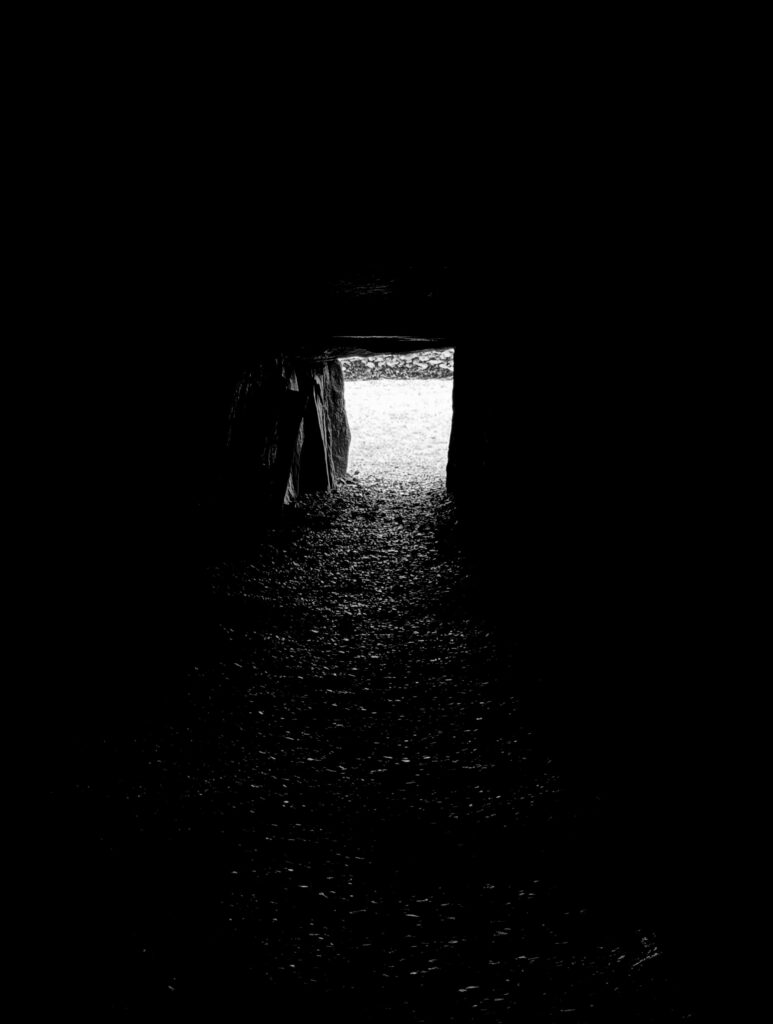
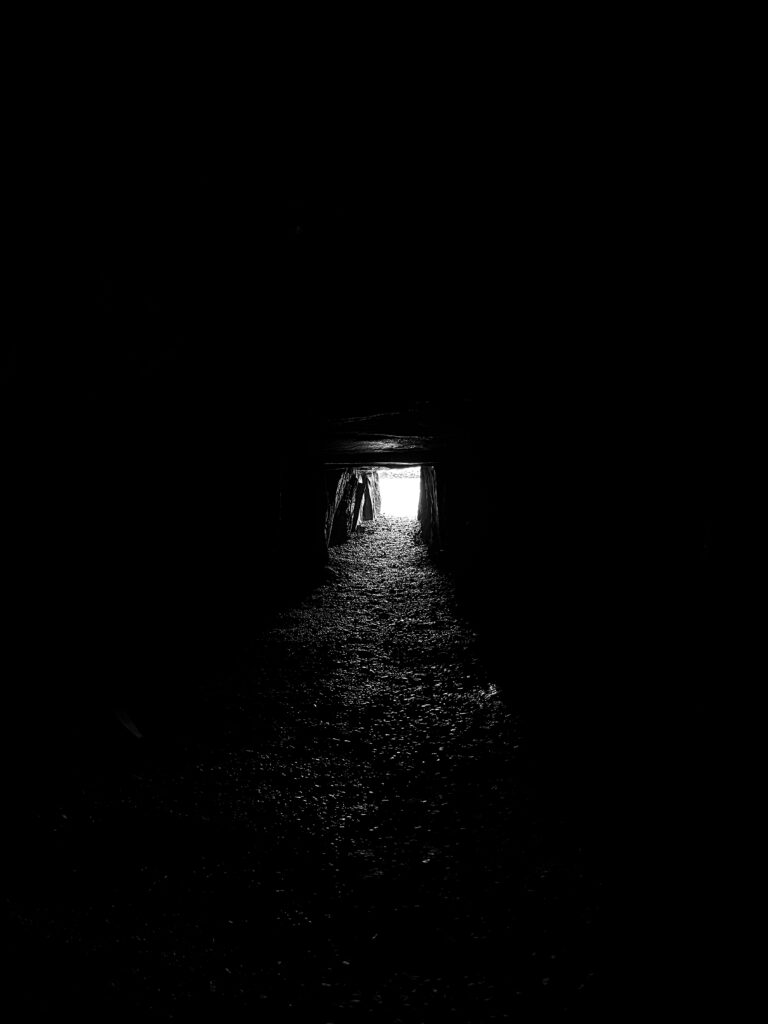
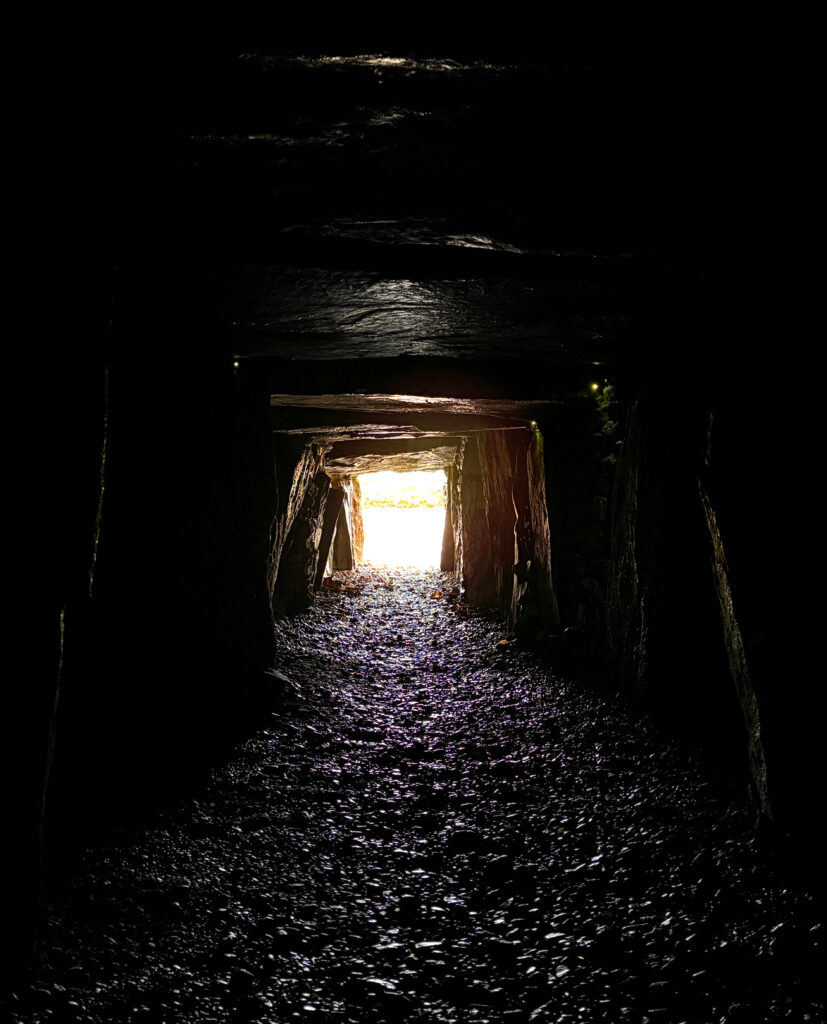
Whilst editing I tried to have the images remain has close to the original as possible to reflect what the eyes of the original people would’ve seen with.
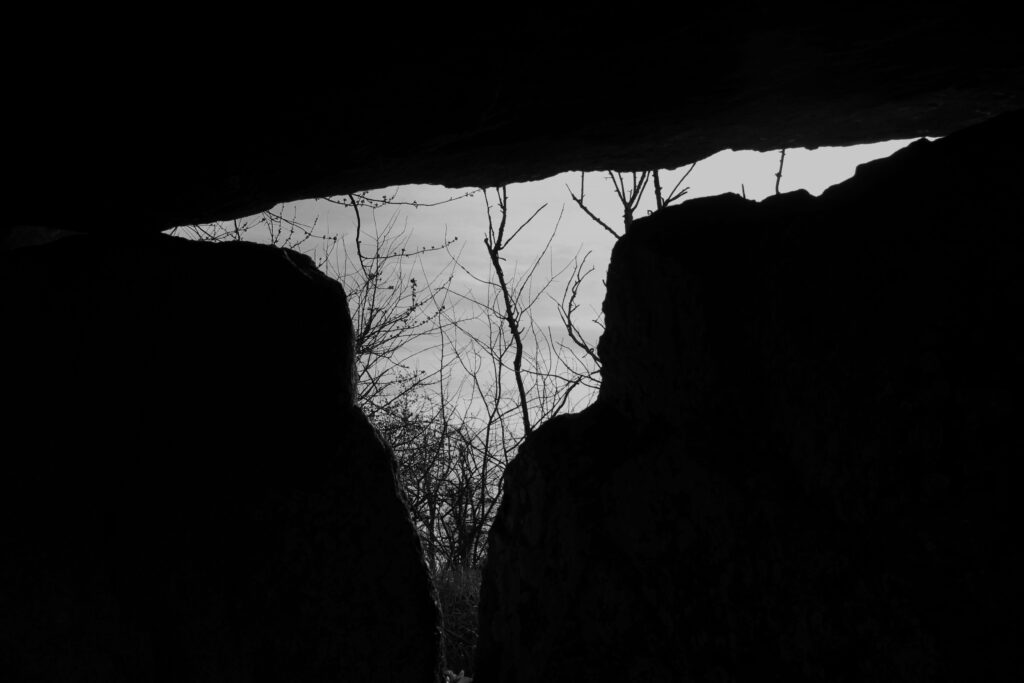
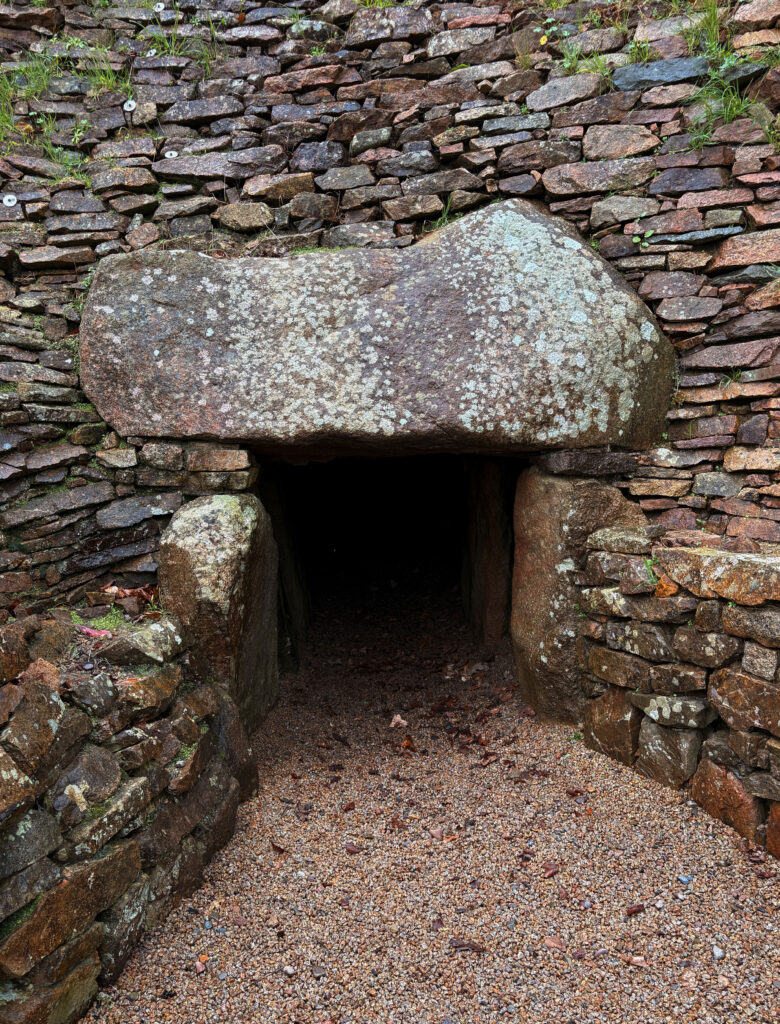
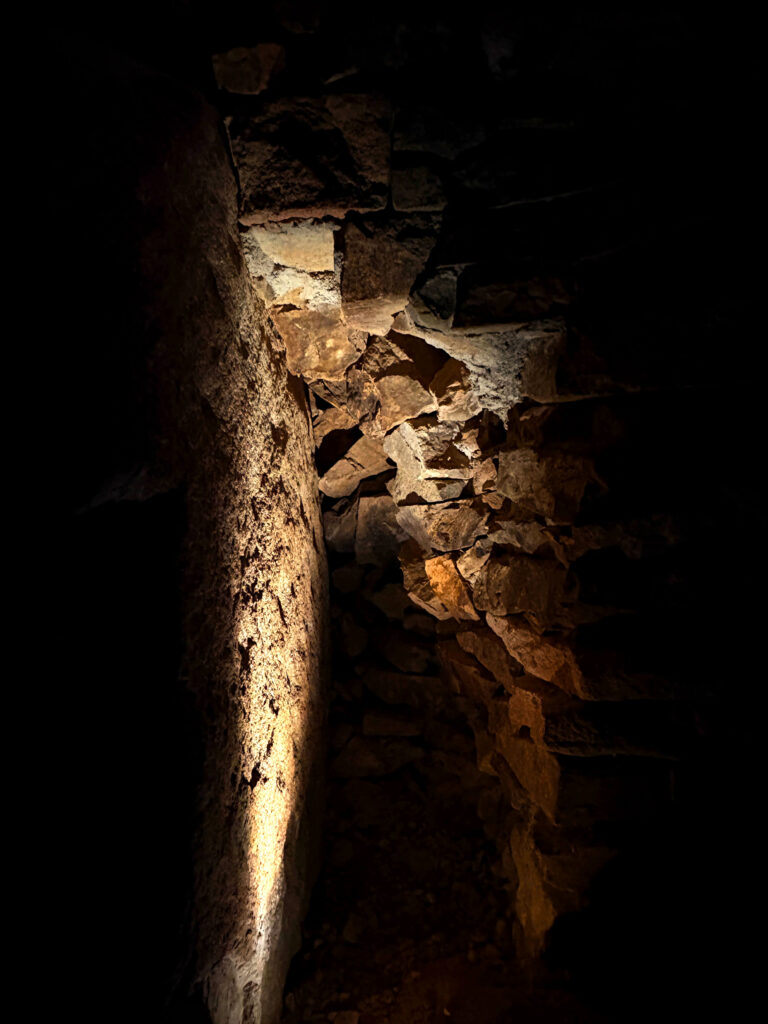
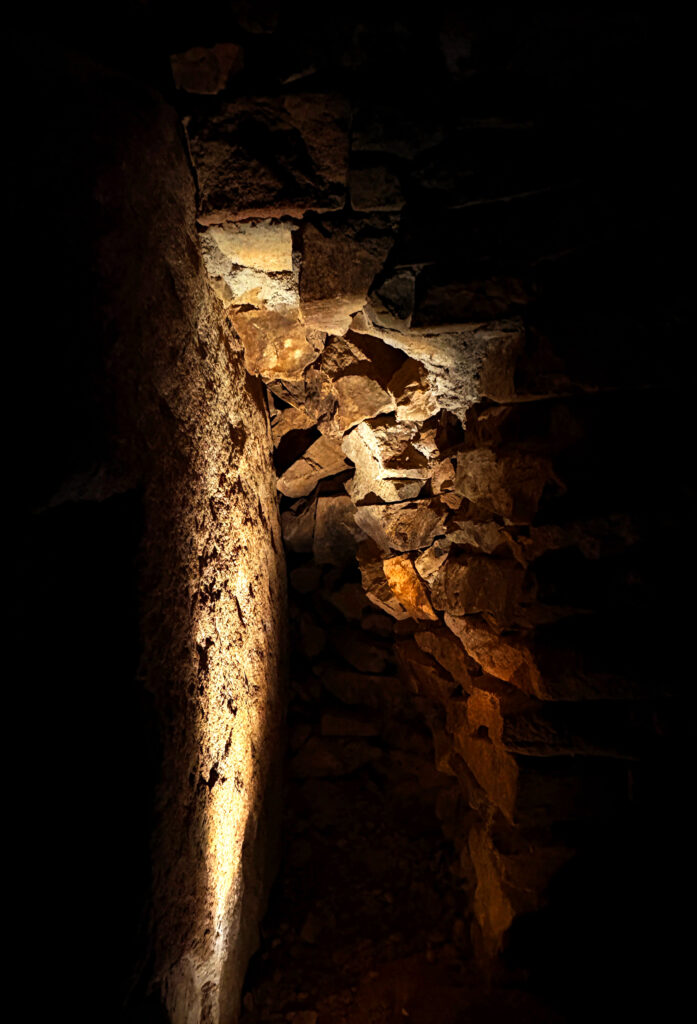
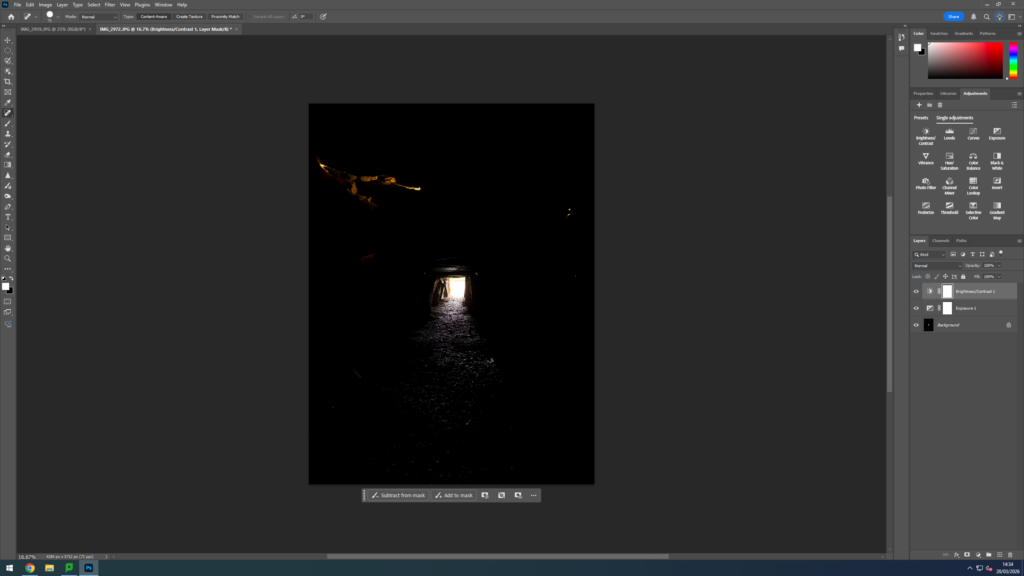
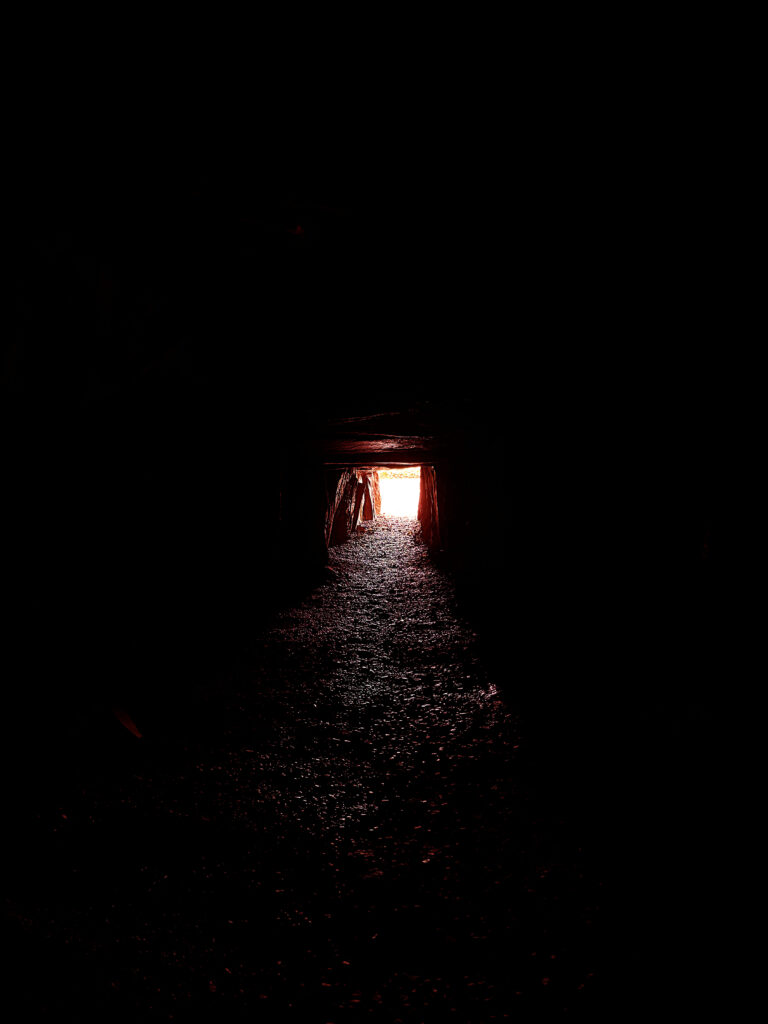
To have give the image a more authentic feel I used the “Spot Healing Brush Tool” to erase the reflection of the extra lights on the walls of the cave for safety for visitors which obviously would not have been there in the neolithic period.
Experimentation:
I thought about how I phrased my summery of what my project was about “Through the eyes of the people who lived before us” and realised the camera did not encapsulate the perspective of a person but of course the perspective of someone looking through a camera. So I took the ideas of “eyes” and reimagine myself as a person from the time for example during WW2 clothing, and views would’ve been different a person of the time could’ve been looking through a gasmask or a soldiers helmet may have been obstructing their view. Therefore, I implemented these aspects into some of my images, drawing inspiration from the first person and voyeuristic perspective used by artists such as: IDK
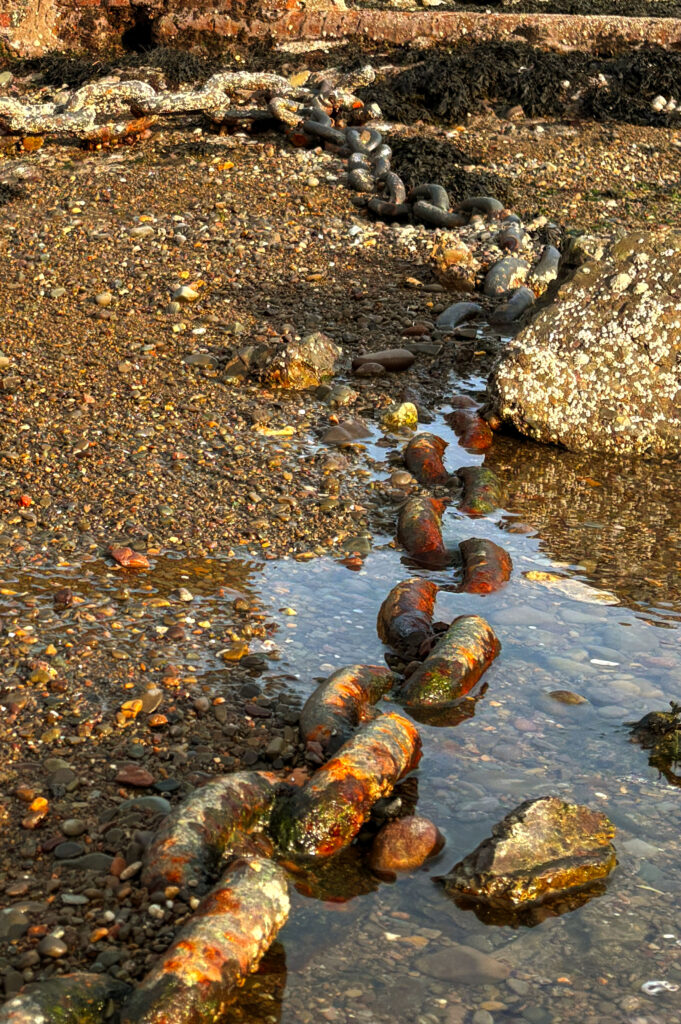
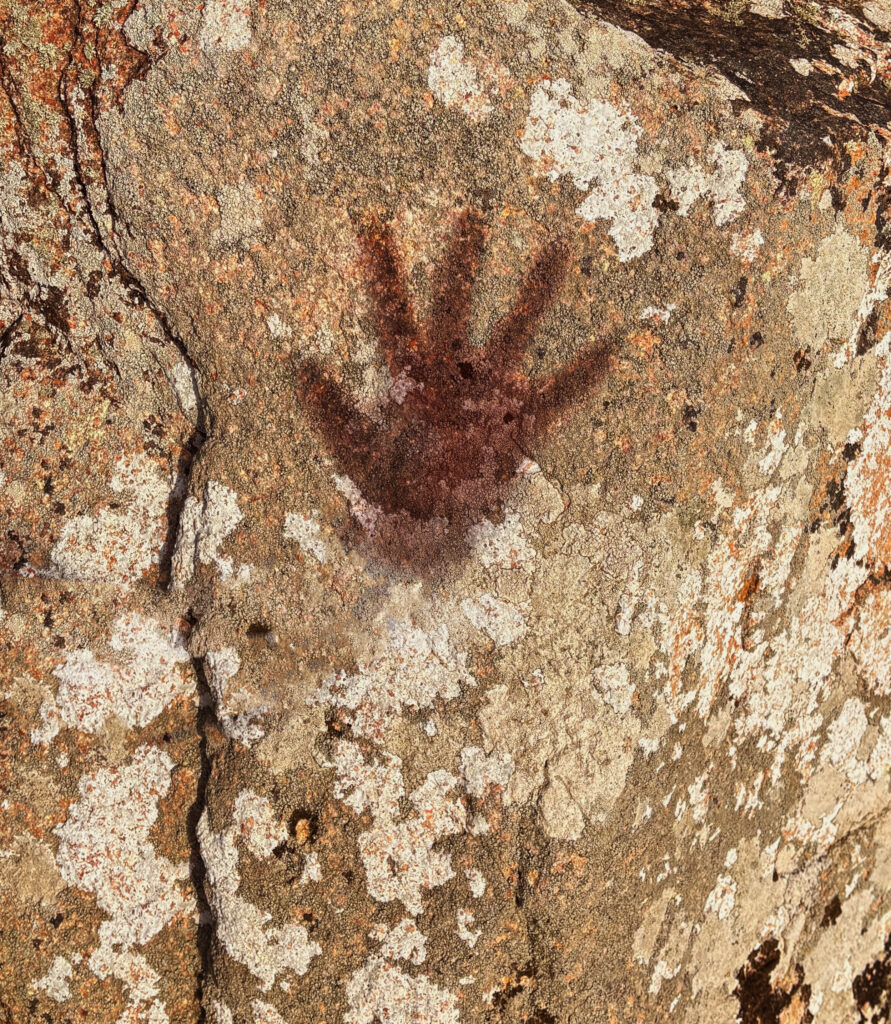
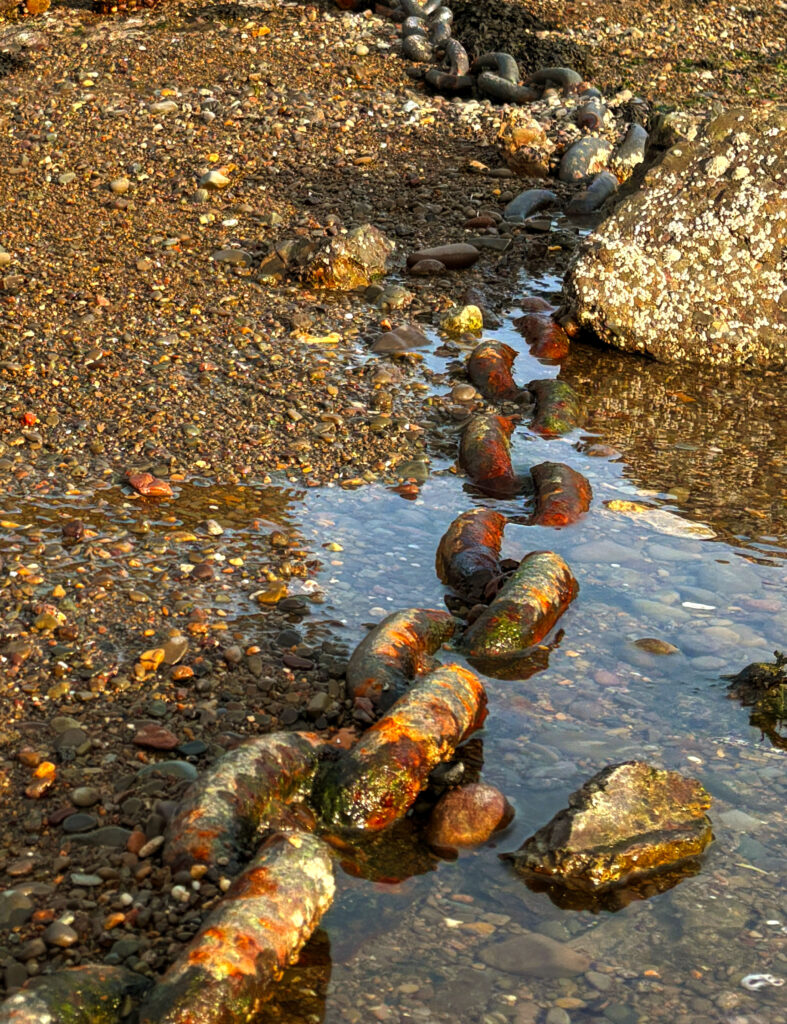
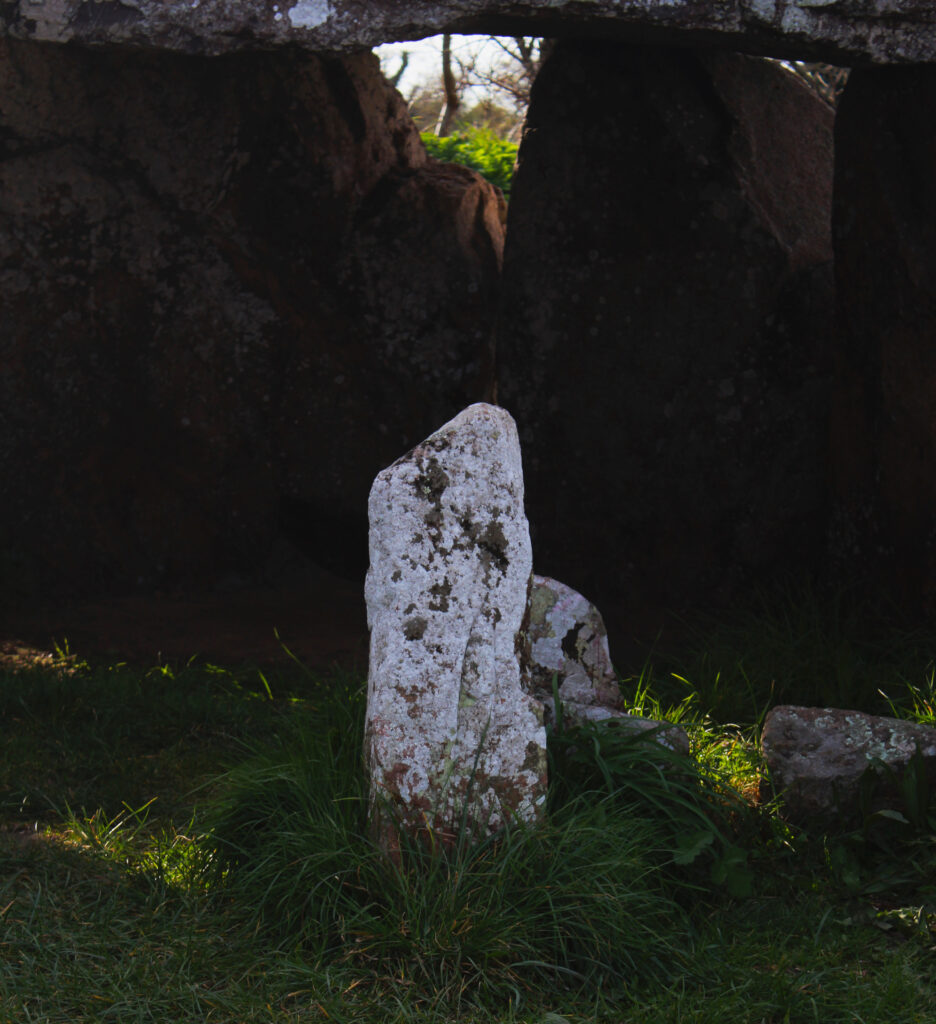
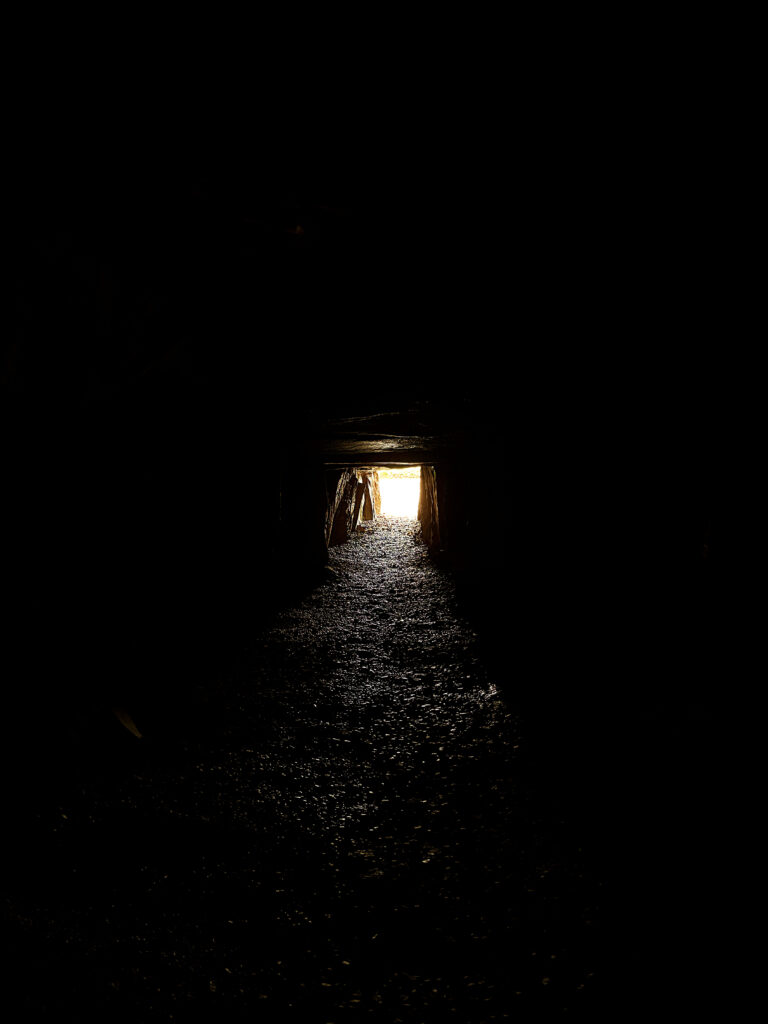
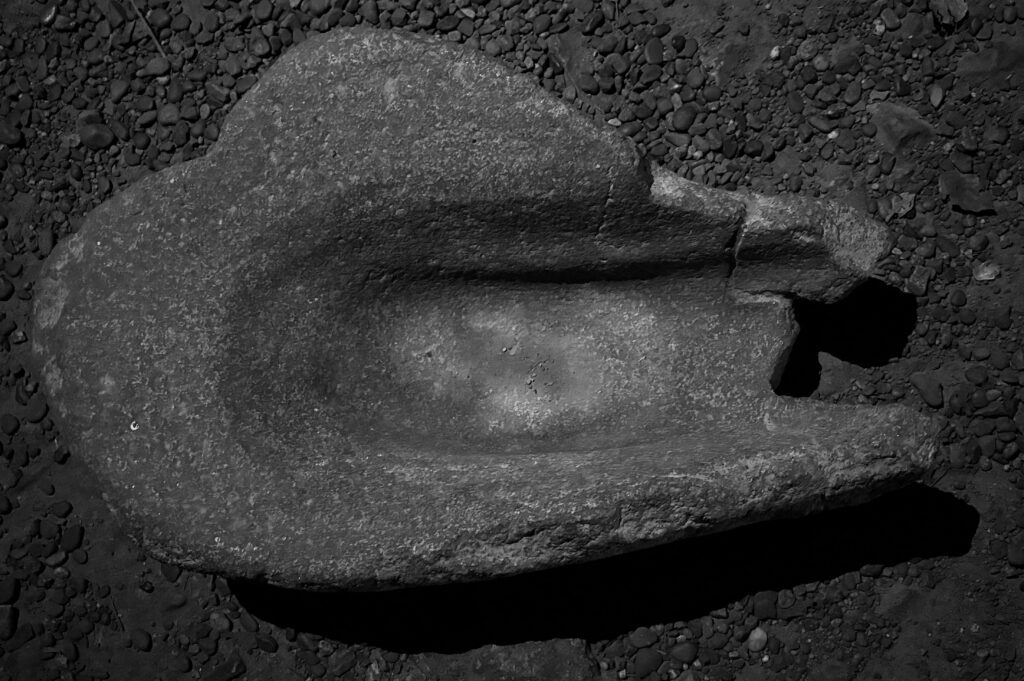
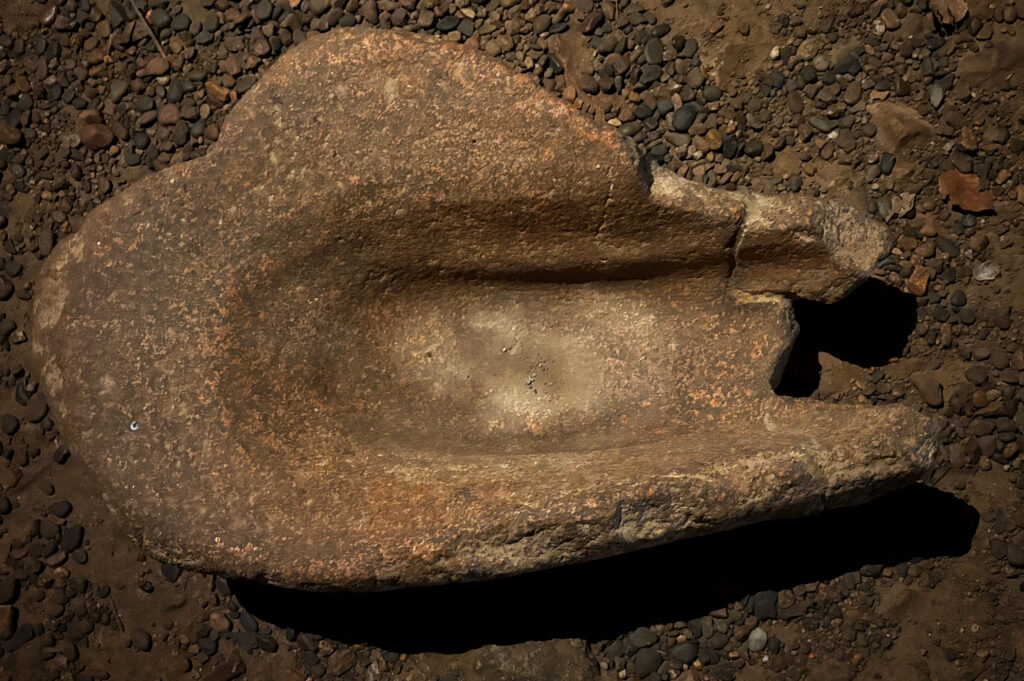
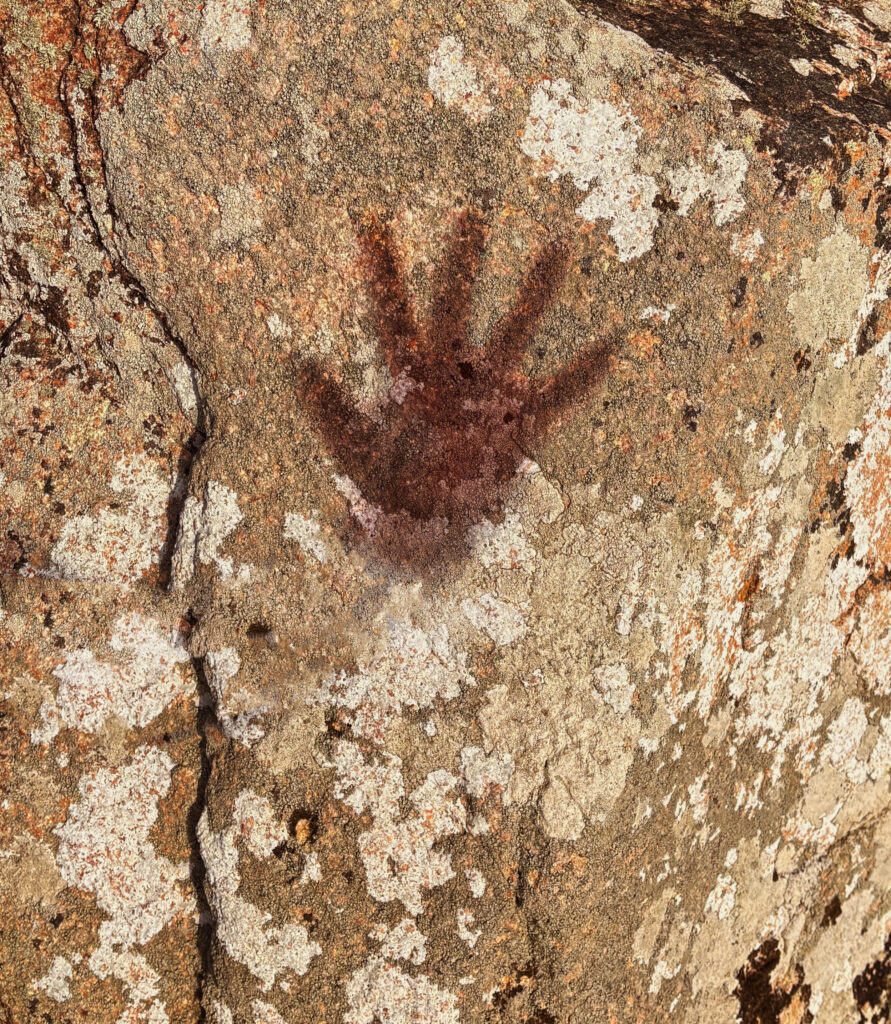
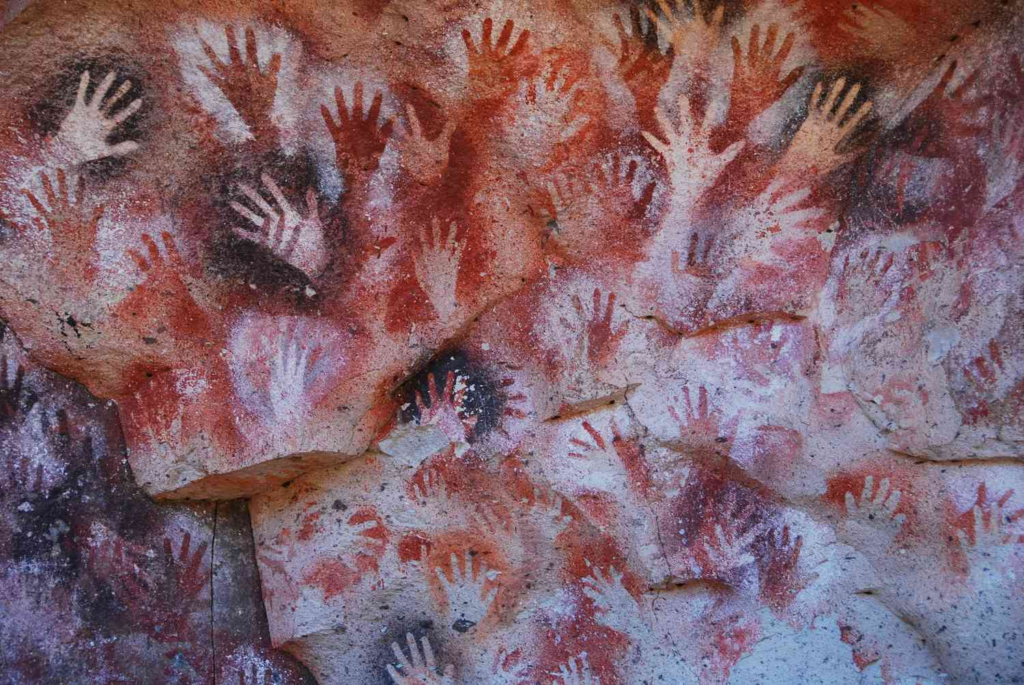
When representing history visually I also thought about colouring and a common theme when representing history is the colour red, some of the first documentations of society were red handprints, the red colour of rust is also a visual demonstration of passing time, and of course blood. Blood being the depiction for life and the repeating factor in the origin of every human as every human is born through blood.
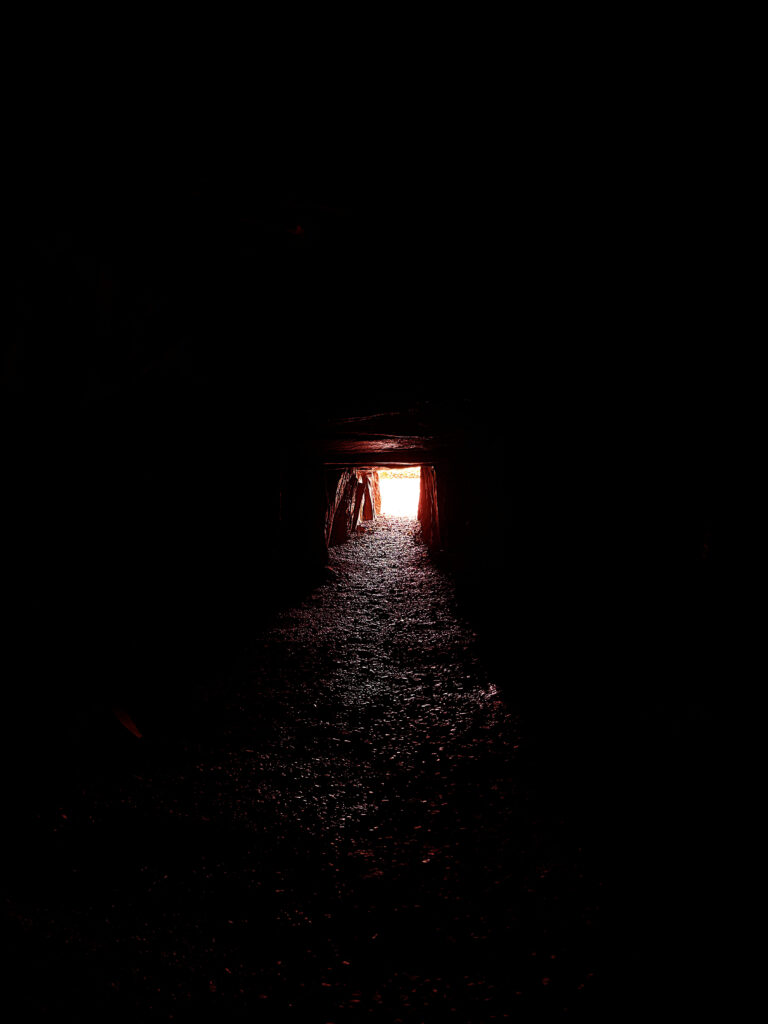
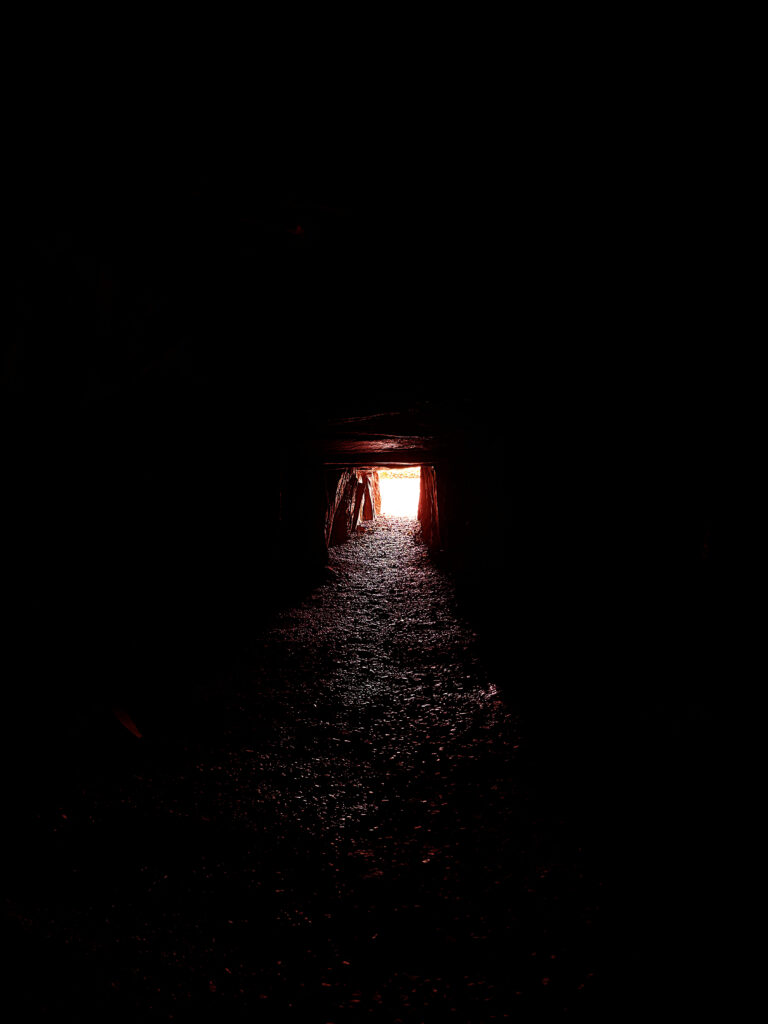
Therefore throughout my pieces I experimented using the colour red to represent life and it worked particularly well within this image as the original purpose behind this Neolithic tunnel was to be a tomb, somewhere to bury the dead however throughout history it has been given new purposes such as during WW2 when the Germans used built an underground bunker at the bottom of the hill and how even today I am using it as a photography subject, and repurposing it, giving it new life. Therefore this image represents new life and rebirth of historical sites, looking back to the origins of where human life first begins.
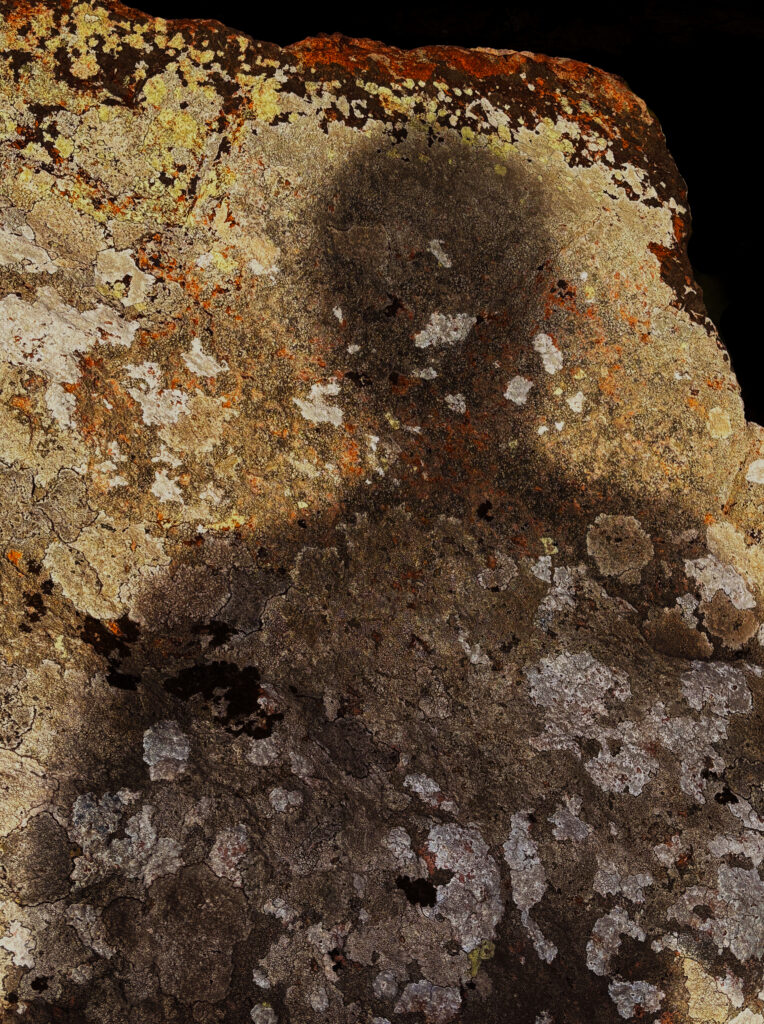
In my next shoot when attempting to replicate the long exposure shots my camera died and I was forced to use my phone which does not allow the same control over exposure as a traditional camera so I had to improvise, which led me to question what’s a way to demonstrate past humans visually on inanimate objects in photography? So I an idea I had was to look at shadows and shadows of the past using hands to replicate some of the first documentation of human existence in history, without damaging historical sites.
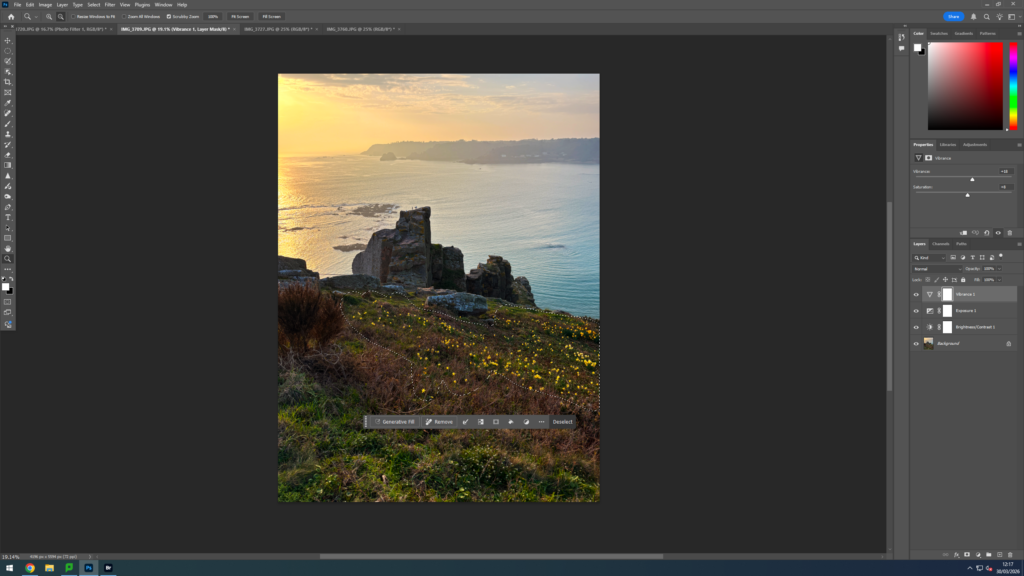
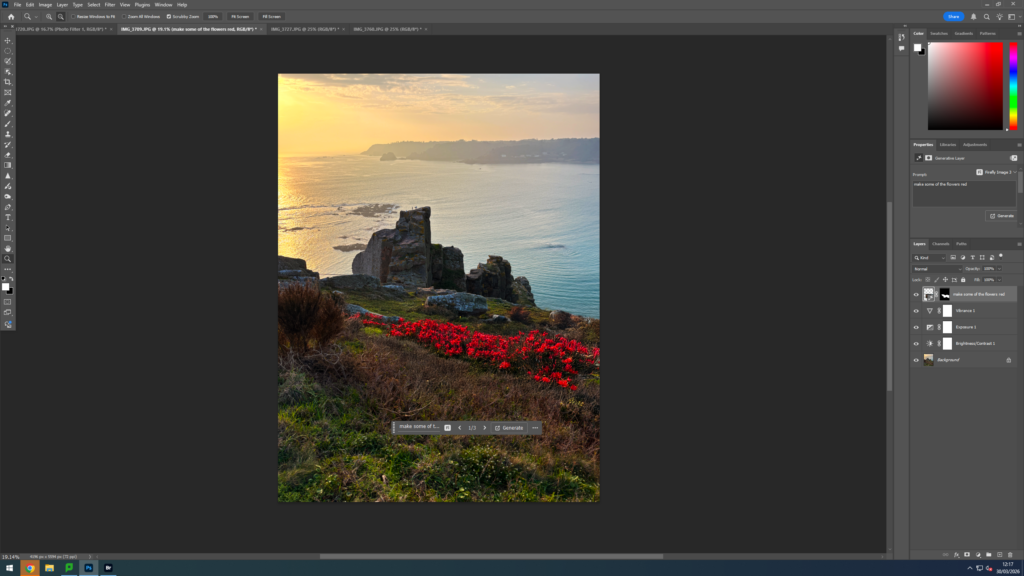
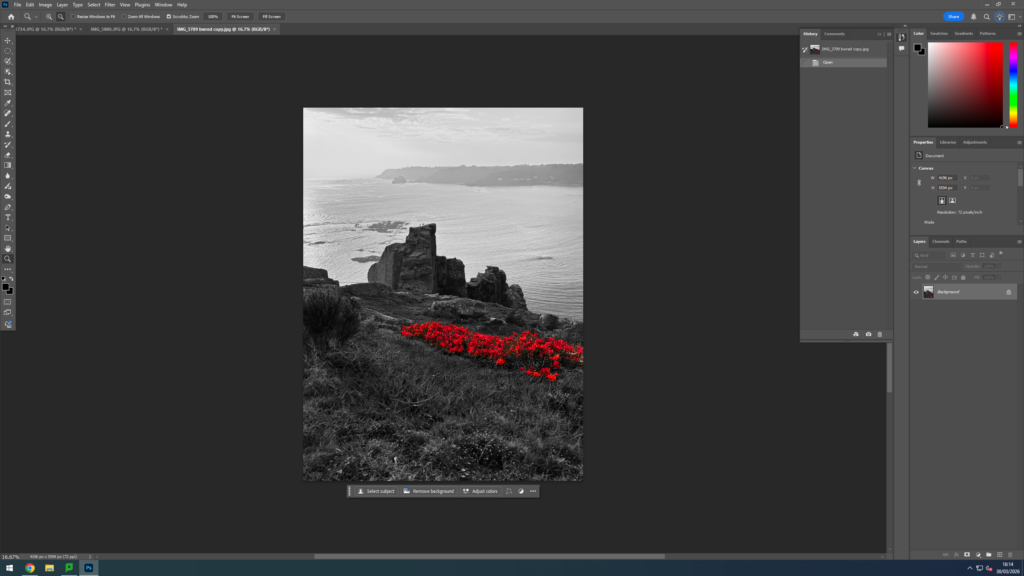
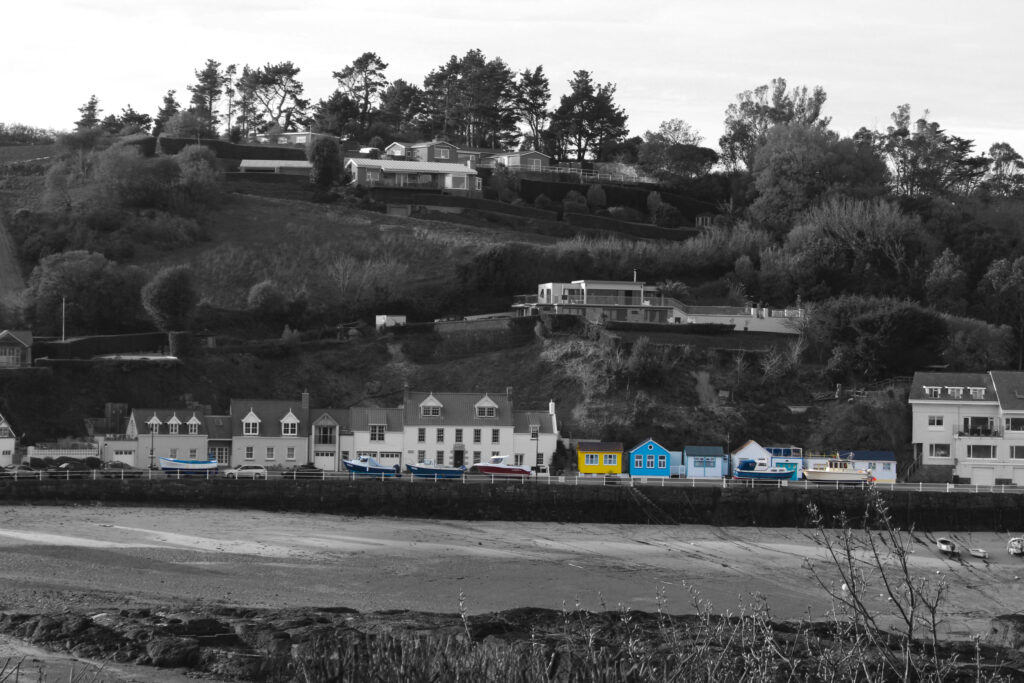
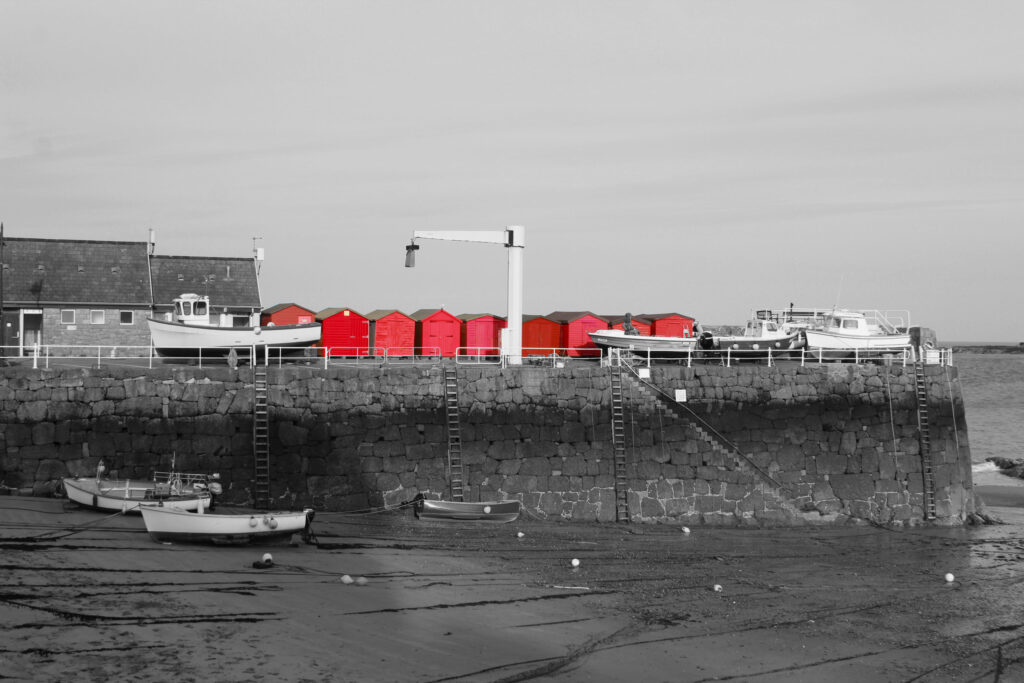
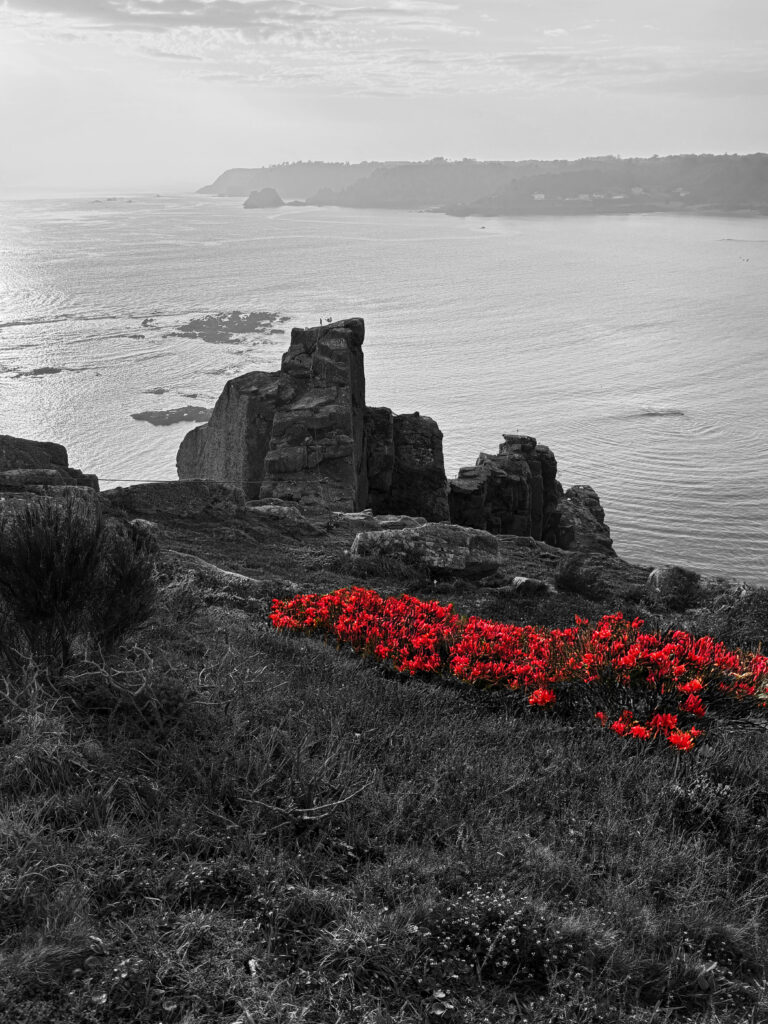
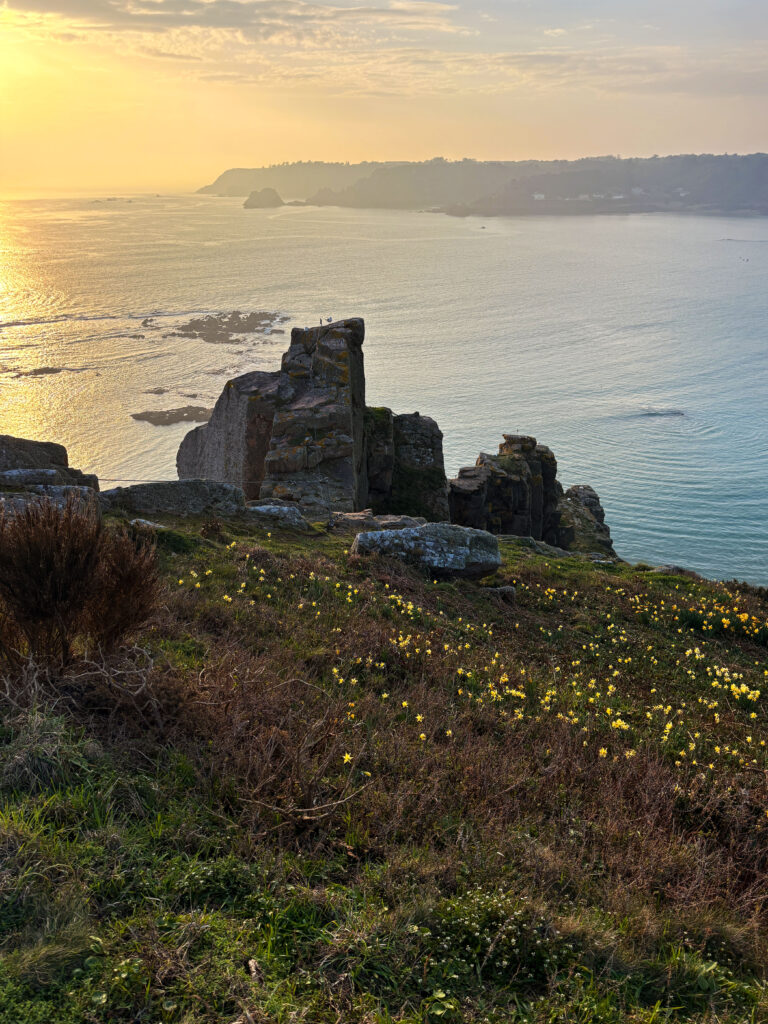
I changed the flowers to be red to continue with the theme of red throughout my work however I then changed the original image to black and white and created a colour pop image to accentuate the red.