
Claes Oldenburg
Claes Oldenburg was a Swedish-born American sculptor best known for his public art installations, typically featuring large replicas of everyday objects. Another theme in his work is soft sculpture versions of everyday objects. Born: January 28, 1929, Stockholm, Sweden. Died: July 18, 2022 (age 93 years), New York, New York, United States.
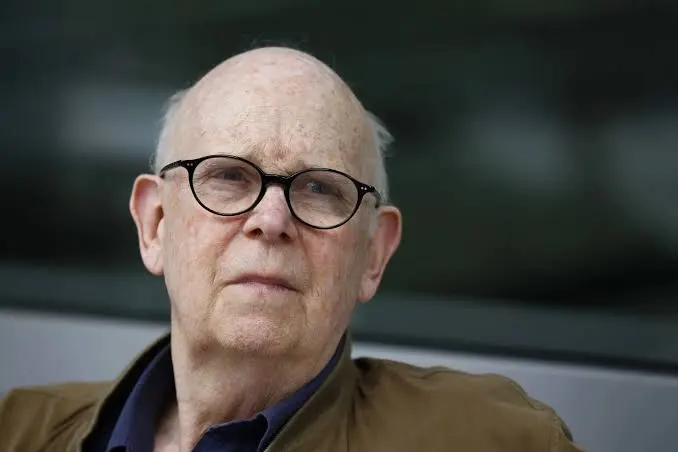
Claes Oldenburg was a central figure in the development of American Pop Art during the 1960s, transforming the language of sculpture by elevating ordinary consumer objects to the status of monumental art. Born in Stockholm and raised in the United States, Oldenburg emerged in New York at a time when Abstract Expressionism dominated the art world. In contrast to its emotional intensity and gestural abstraction, Oldenburg turned toward the everyday environment of shops, advertisements, and mass-produced goods. Like fellow Pop artists such as Andy Warhol, he blurred the boundary between high art and popular culture, questioning traditional hierarchies of subject matter.
One of Oldenburg’s most significant contributions was his development of “soft sculpture.” Instead of carving in marble or casting in bronze, he created enlarged versions of everyday objects using fabric, vinyl, and stuffing. Works such as Floor Burger (1962) transform a common fast-food item into a sagging, oversized form. The use of soft materials undermines the solidity and permanence traditionally associated with sculpture, suggesting that consumer goods despite appearing substantial are ultimately unstable and temporary. This subversion of material expectations reflects Pop Art’s broader critique of consumerism and post-war abundance in America.
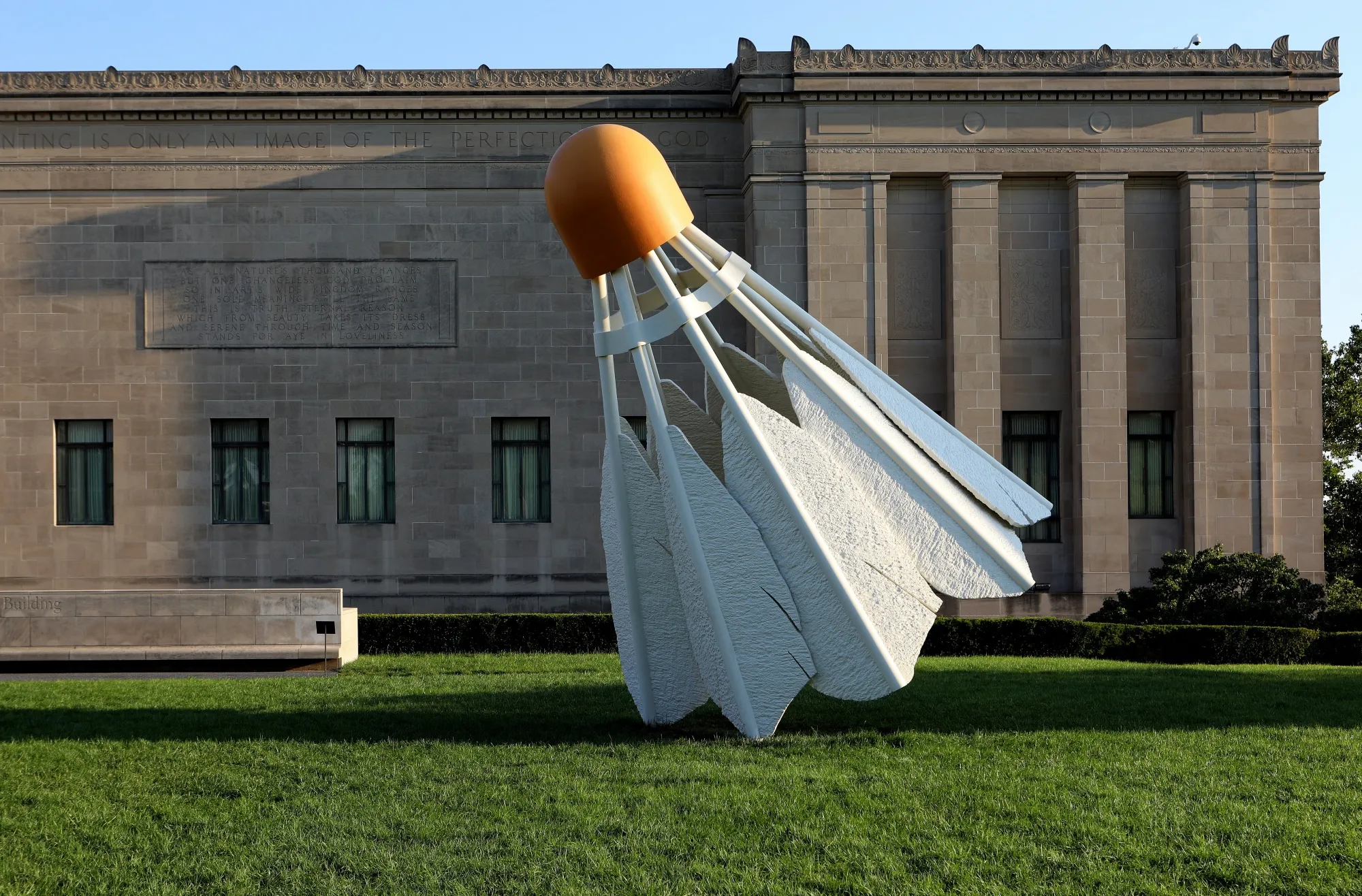
:focal(1854x1307:1855x1308)/https://tf-cmsv2-smithsonianmag-media.s3.amazonaws.com/filer_public/9c/35/9c3513e4-e872-4889-9d5f-bdd468b36f62/gettyimages-1409545563.jpg)
Scale is perhaps Oldenburg’s most powerful artistic device. By enlarging mundane objects to monumental proportions, he forces viewers to reconsider their relationship with the familiar. In public works such as Clothespin and Spoonbridge and Cherry, everyday household items become towering civic landmarks. This dramatic shift in scale creates humour, but it also generates a subtle commentary on the dominance of consumer culture within modern life. Objects designed for private, domestic use are relocated into public spaces, suggesting that consumption has become central to collective identity.
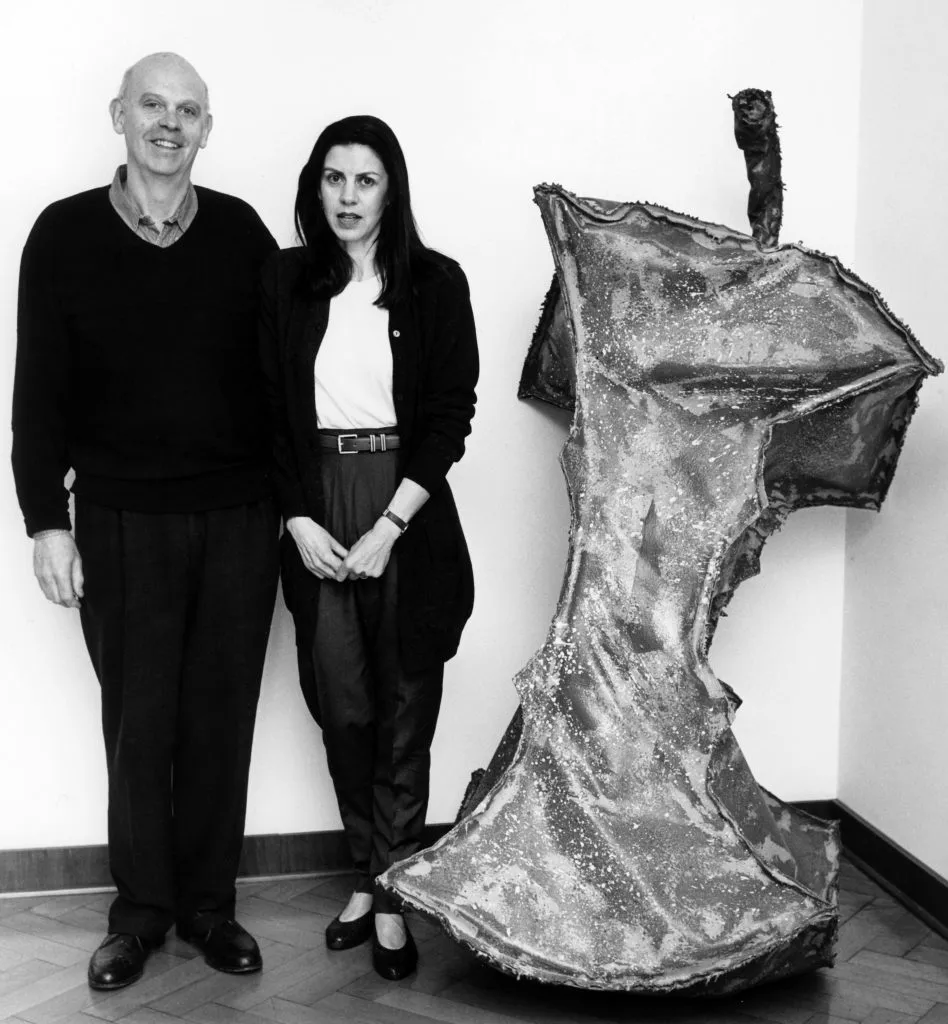
Oldenburg’s later large-scale sculptures, often produced in collaboration with Coosje van Bruggen, demonstrate a sophisticated understanding of site-specific art. These works interact with their architectural surroundings, disrupting urban landscapes while simultaneously becoming integrated into them. Unlike traditional monuments that commemorate political leaders or historical events, Oldenburg’s sculptures celebrate the banal and the everyday. This shift reflects broader late-20th-century artistic movements that sought to democratise art and make it accessible beyond elite gallery spaces.
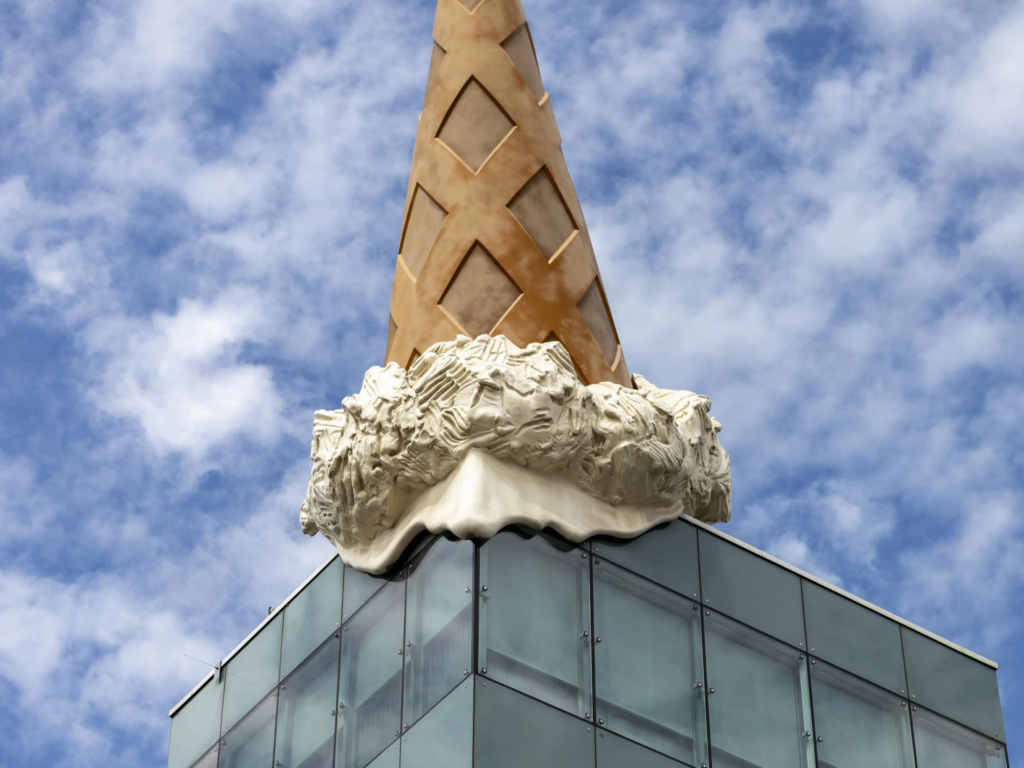
In conclusion, Claes Oldenburg redefined sculpture by challenging conventions of material, scale, and subject matter. Through humour and transformation, he expanded the possibilities of public art and reshaped perceptions of everyday objects. His work remains significant within art history because it captures the spirit of post-war consumer society while continuing to provoke debate about the relationship between art and popular culture.