
Robert Mapplethorpe
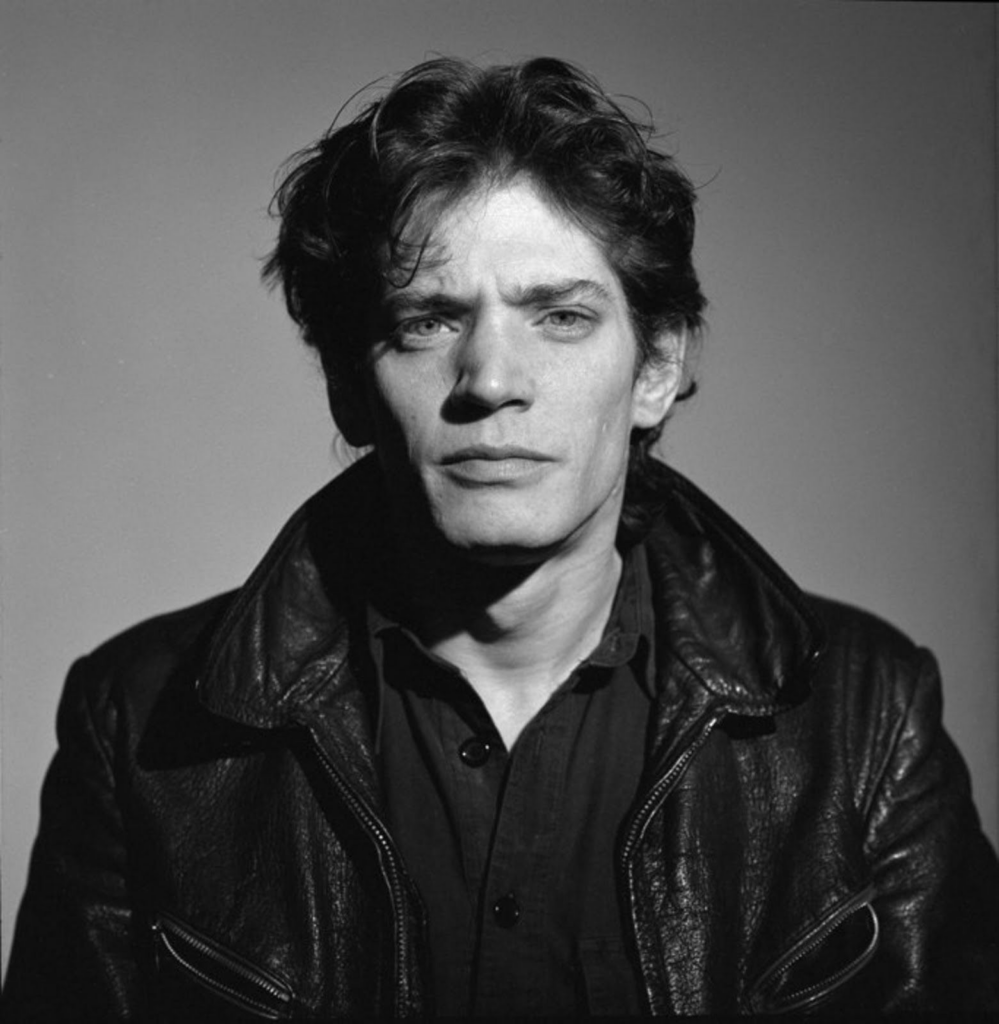
Robert Mapplethorpe (1942-1989) was an American photographer, known for his precise, carefully composed black and white images. Even though he is best known for his controversial nude images, his flower studies demonstrate an intense focus on form, beauty and contrast.
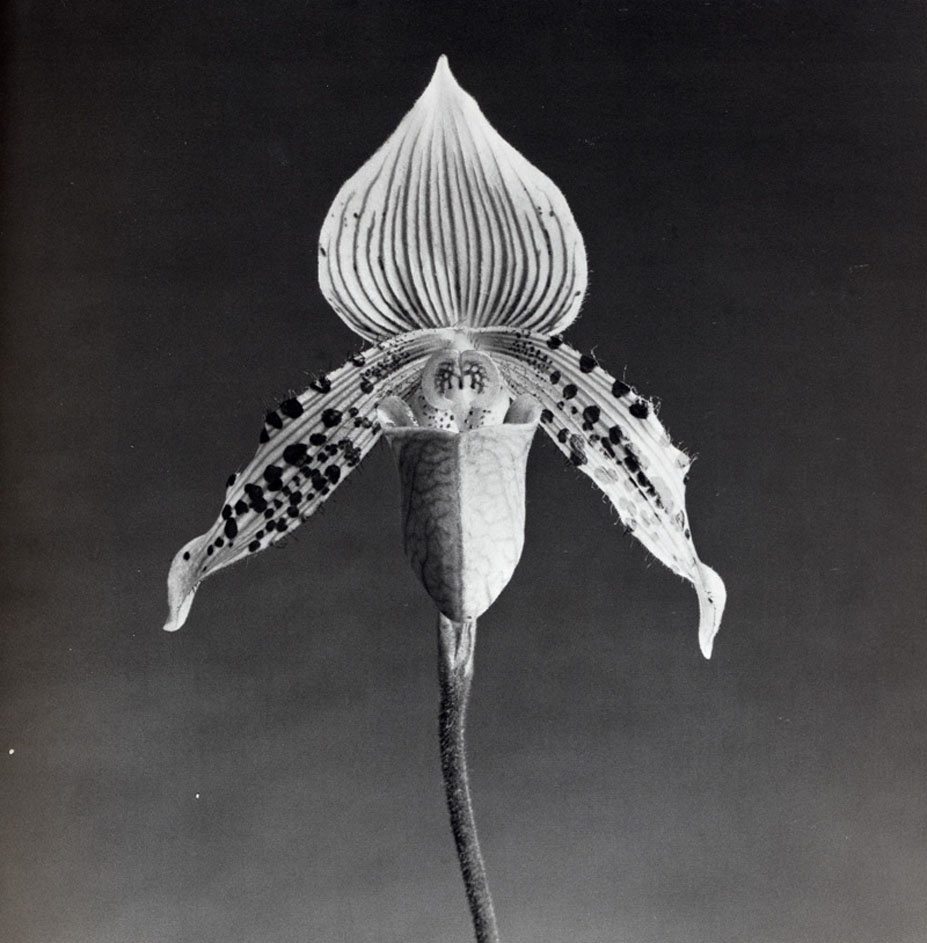
He once stated “I see things like sculptures.” this is shown in the way he isolates flowers against dark, empty backgrounds, transforming natural matter into monumental forms. His work shares a connection to vanitas traditions, where flowers become a symbol of mortality. Yet, unlike traditional Vanitas imagery that focuses on decay, Mapplethorpe captures flowers at their peak, full bloom. This implies that origin and ending exist together within a single moment.
I have chosen to research Mapplethorpe because he captures flowers in a moment of perfection/peak which paradoxically signals the beginning of decline. This makes a unique connection to my theme origin and exploration of mortality. His work includes modern techniques and historical symbolism, by positioning natural forms within a carefully controlled studio environment. The tension he captures between organic and regulated fragility is significant to my investigation and through researching and understanding Mapplethorpe’s work I aim to strengthen the context surrounding my project.
Flowers:
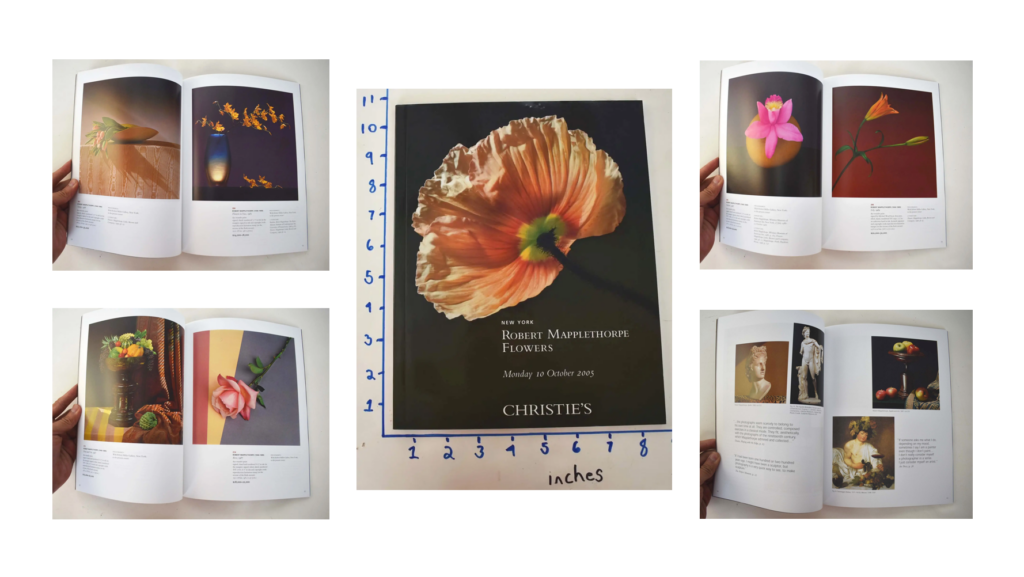
Studying mapplethorpe has already influenced my understanding of how composition and lighting can enhance a simple subject and turn it into something symbolic. His use of black-and-white imagery to emphasise form, contrast and tone inspires me to experiment with dark backgrounds to isolate my flowers. However, unlike Mapplethorpe’s images that suggest mortality through control and stillness, my images will reveal it through visible change.
Image Analysis
Visual
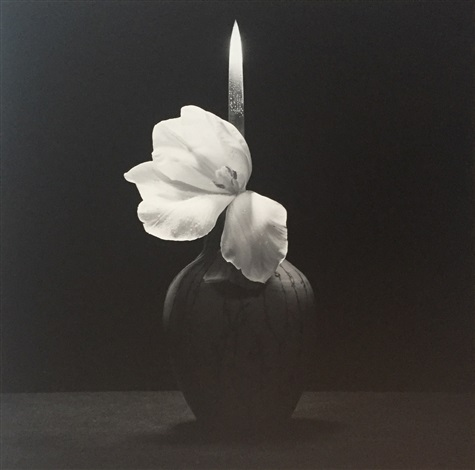
Visually, the image presents a simple still life composition featuring a single flower placed in front of an up-right knife. The flower appears delicate, with soft curved petals and a thin stem, while the knife introduces a stiff, sharp form. These contrasting shapes create visual tension within the image. The background is dark, which isolates the two objects and directs attention to their relationship. The shiny, reflective surface of the knife contrasts with the soft texture of the flower, emphasizing the flowers’ natural fragility. The minimalistic composition makes the interaction between the two subjects the main focus of the image and highlights the strong contrast between them.
Technical
Robert Mapplethorpe is known for his precise studio photography and controlled compositions. In this image, the lighting appears directed to highlight the forms and textures of both the flower and the knife. The strong contrast between light and dark emphasizes and defines the shape of the petals and the blade. The image is carefully composed and balanced; the knife and flower are placed close together, which immediately brings their relationship to attention. He uses a shallow depth of field to keep the subjects in sharp focus while the background remains subdued and unobtrusive.
Conceptual
Conceptually, the image explores the contrast between beauty and danger. The flower symbolizes life and natural beauty, while the knife represents sharpness, threat, and potential harm. By Placing these objects together, Mapplethorpe suggests that beauty is vulnerable and temporary. The knife can be interpreted as a symbol of mortality and used to remind viewers that life is fragile and can easily be destroyed. Through this simple yet powerful composition, Mapplethorpe visualizes the delicate balance between life and death.
Contextual
Mapplethorpe frequently photographed flowers and still-life subjects in his studio, treating them almost like sculptures. His images focus on form, balance, and symbolism. Flowers have historically been used in vanitas still life imagery to symbolize the temporary nature of beauty and life. By introducing a knife into the composition, Mapplethorpe creates a modern interpretation of this which suggests vulnerability and the potential for destruction within something beautiful.