
Emile Guiton

Who is he ?
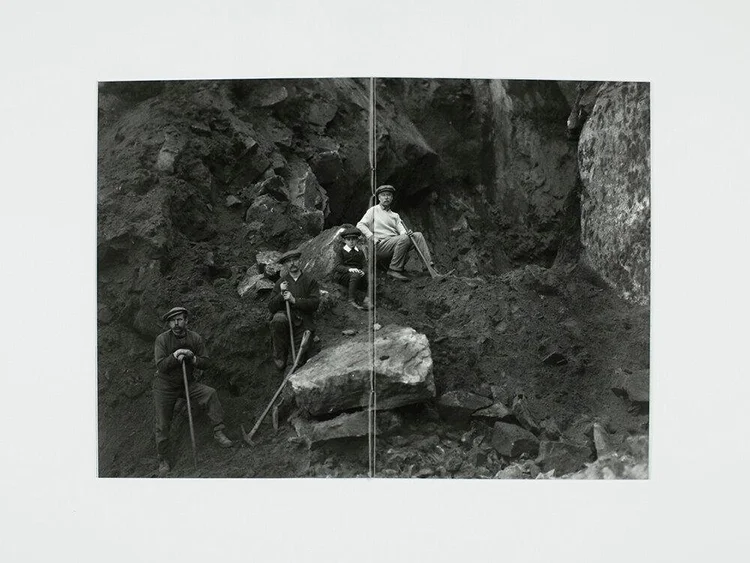
Emile Guiton was born in Jersey in 1879. He was a very active member of the Société Jersiaise – curator of the Museum, on the Executive Committee, joint honorary secretary, and editor of the Annual Bulletin. Guiton was a keen amateur photographer and practised throughout his long life. He experimented with colour at the beginning of the twentieth century in “Autochromes”. His subjects include the recording of archaeological excavations, and he was one of the few people in Jersey permitted to take photographs during the German Occupation of 1940 – 1945. Emile Guiton recognised the importance of collecting photographs early on, both as a valuable social historic resource and as interesting artefacts – examples of developments in science and technology. He donated many images to the Société Jersiaise. He died in 1972.
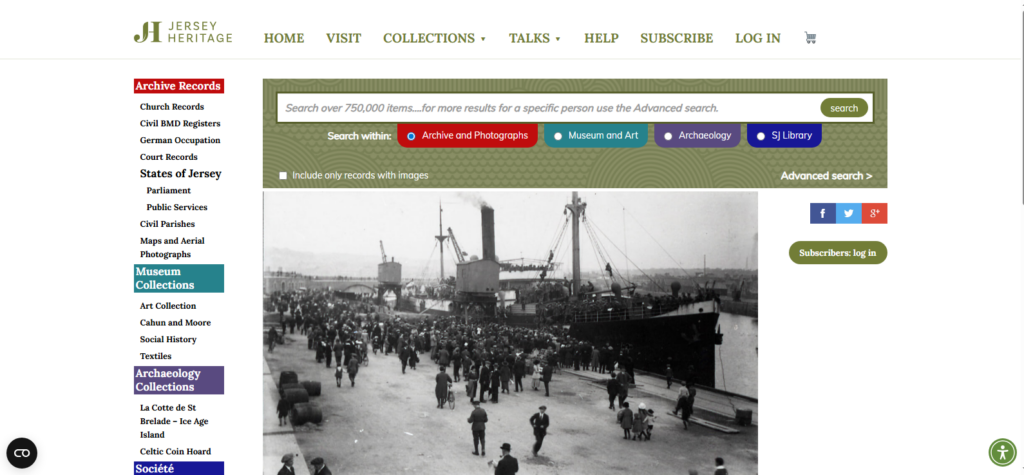
Examples of his work



Why did I decide to study him ?
I decided to study Emile Guiton because his work represents a significant and valuable part of Jersey’s cultural and historical heritage. His photography provides a deep visual record of the island’s past, capturing everyday life, landscapes, and social changes in a way not many other people have. Through his images, we are able to better understand how Jersey has evolved over time, making his work an essential resource for anyone interested in the island’s history.
Furthermore, studying a photographer from Jersey is particularly important for my work because it allows me to engage more deeply with local SSis. By focusing on Guiton’s work, I can explore how photography is used to document and interpret a specific place and then replicate that through my work. This not only strengthens my understanding of photographic practice but also helps me develop a more meaningful connection to these sites.
How am I going to replicate his work ?
I will replicate his work by going to a different SSI for each photoshoot and take photos in the style of Emile Guiton.
Image analysis
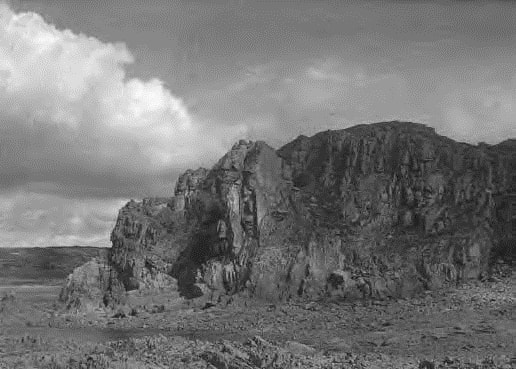
Technical – The lighting in this image is natural, likely with no extra artificial lighting. When Emile took this photo his aperture was most likely around f/8 or slightly higher, this is apparent because everything in focus so this suggests the smaller aperture, moreover it is not under exposed, so it is unlikely to be much higher than this. Furthermore, his shutter speed was most likely around 1/300, this is because there is no motion blur, so its unlikely to be much slower and everything is properly exposed so its probably not much faster. Finally, his ISO was probably around 200-300, this is because there is little grain in the image so it can be much higher and its properly exposed under a cloudy sky, so its unlikely to be lower.
Visual – This image has some strong visual features, first, there is a large tonal range as there is a few very dark parts, almost black, on the rocks, all the way to very bright parts, like the clouds. There is also different many different shades between, this makes for an image with a very strong tonal range. Next, this image strongly follows the rule of thirds, the foreground is the rocky beach in the bottom three, the subject, which is the cliff, is in the middle three and the sky is in the top three, this is a perfect example of rule of thirds. The rocky surface provides a very strong texture in the image, this prevents it from looking too ‘flat’ and gives the viewer a sense of connection to the image. I really like the composition in this image and the presence of negative space on the left of the cliff, this negative space of on the left and top of the cliff frame the cliff really well within the image. Finally, the hill in the background on the left acts very well as a leading line to the main subject, this draws the viewers eye inwards to the cliff itself.
Contextual/Conceptual – ‘La Cotte de Saint-Brelade. Emile Guiton, 1912‘