
Steve Arcone

Who is he ?
Steve Arcone is a photographer, scientist and artist. He is known well for his macro and nature photography, he using his photography and blends it with science and geology. Some of his images include geology, ice formations and ‘abstract nature’, which often reveal patterns that and structures that are not obvious to the naked eye.
Steve Arcone grew up in Greenwich Village in New York City and went on to pursue a further education in engineering and geophysics. He has a degree from Cronell University and a PhD in Geophysical exploration from Dartmouth Collage. Before becoming a photographer, Steve Arcone worked as part of the U.S. Army Cold Regions Research and Engineering Laboratory studying ice and permafrost for 42 years, he then retired from this position in 2016 and and applied his scientific experience to photography.

Examples of his work


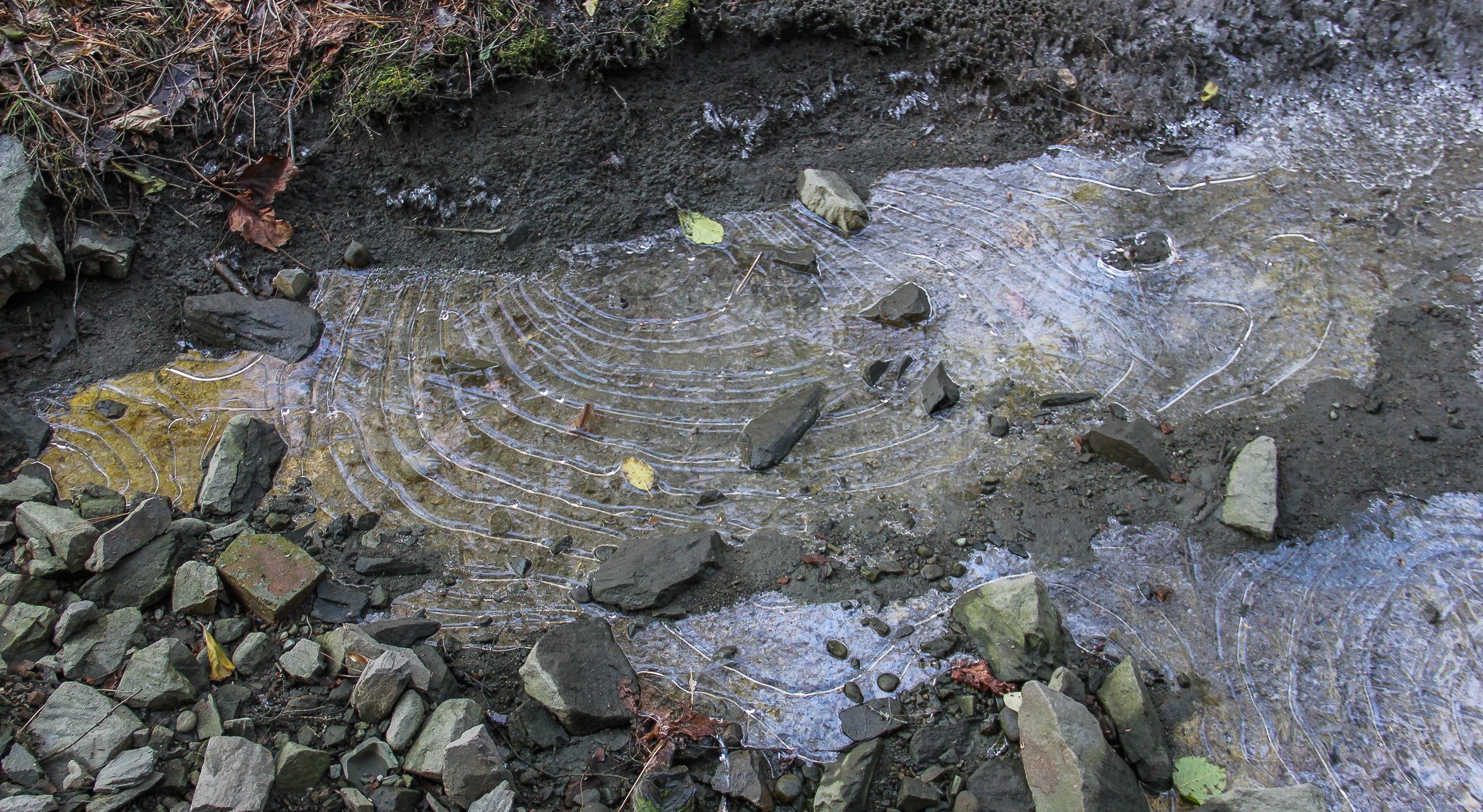

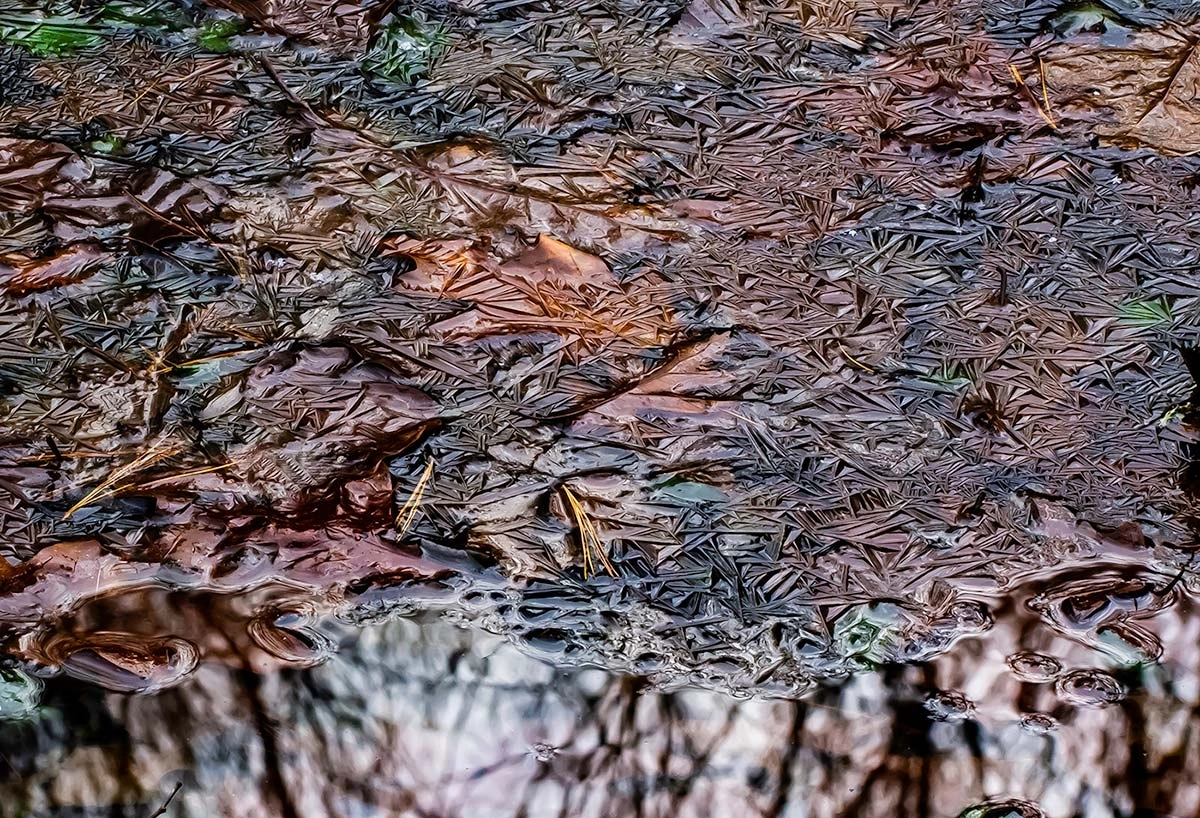

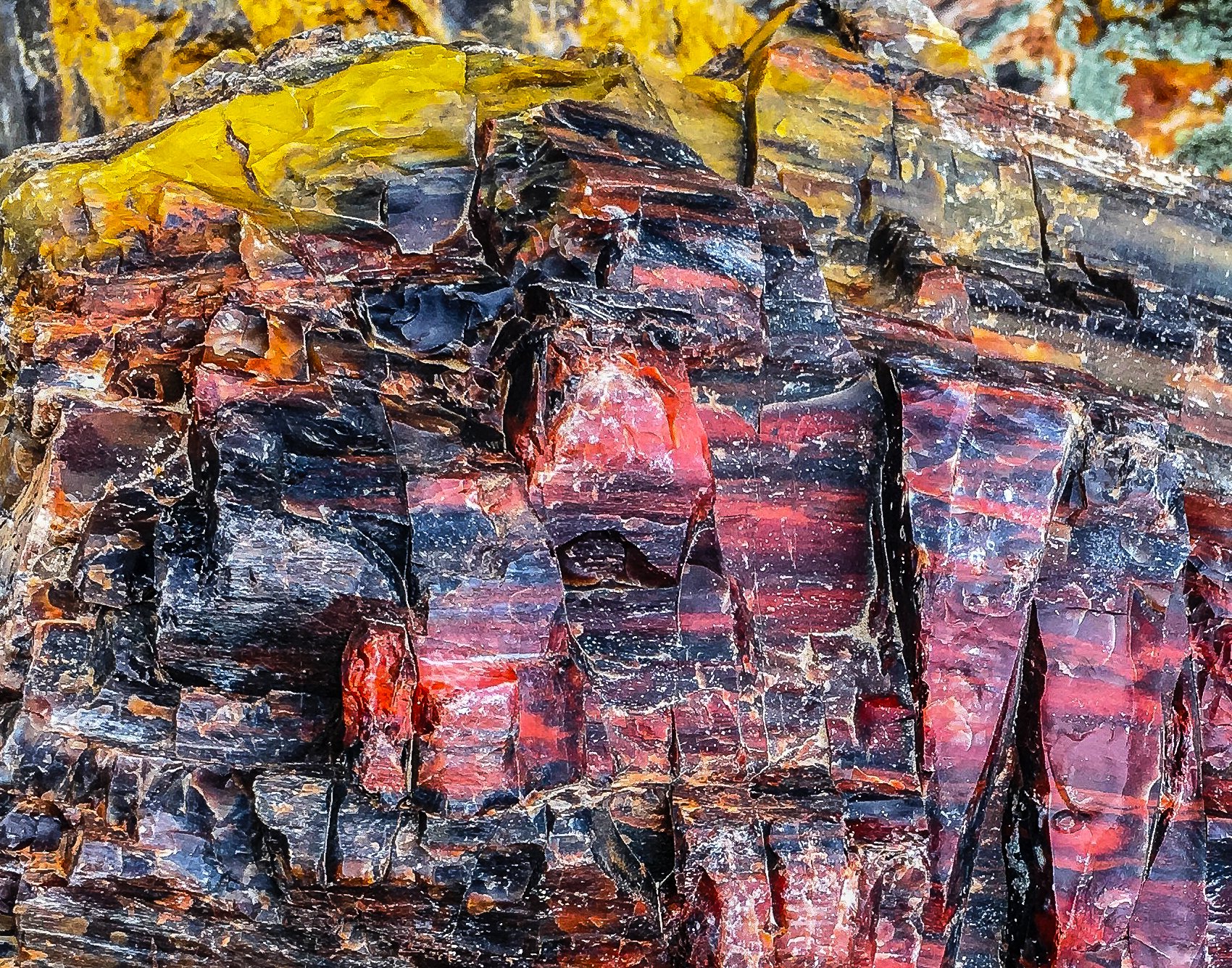

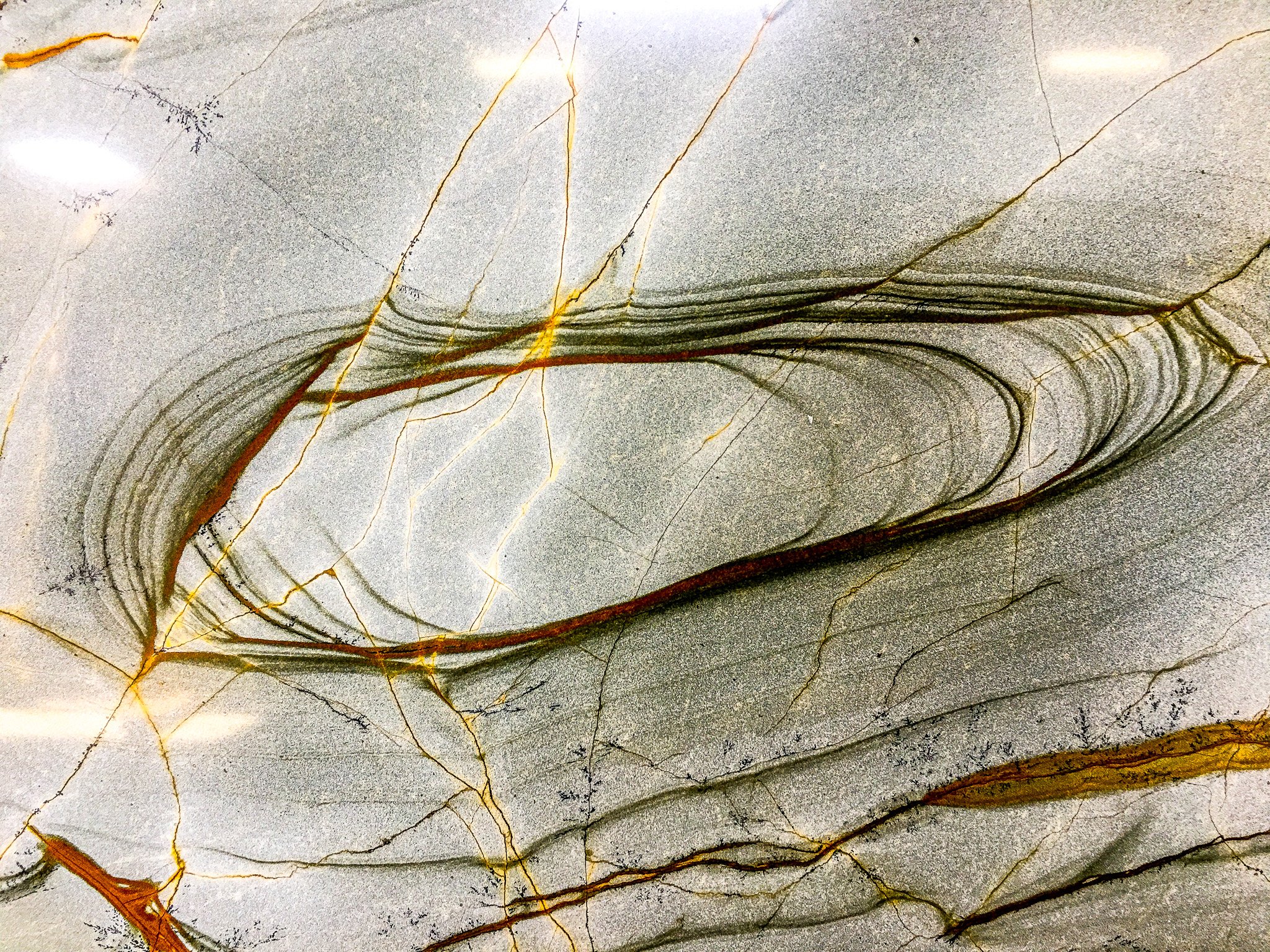
Why did I decide to study him ?
I decided to study Steve Arone because I like his scientific approach to photography and I think his style of photography will had good value to my final piece of work that I create.
How am I going to replicate his work ?
I will copy his work by taking landscapes in his style, I will use the beaches on the north coast as they are rocky and I can use that to effectively reproduce his work. I can also use Sites of Special Interest around Jersey as they have ancient buildings and rock formations that will be really effective for my photography.
Sites of Special Interest (SSIs)
SSIs are places that are considered to be of public importance because of their special zoological, ecological, botanical or geological interest, or a combination of these and other special qualities.
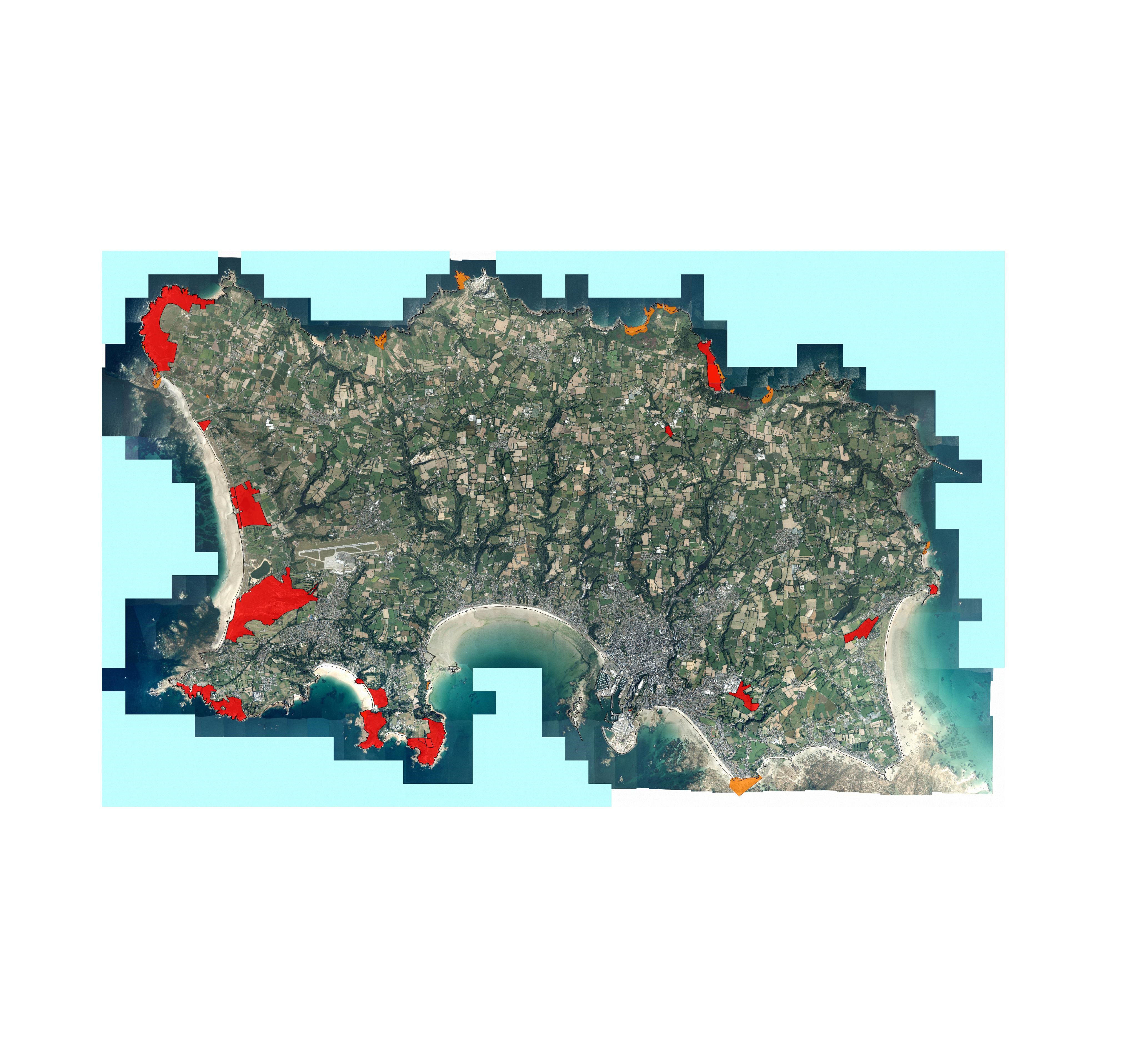
Image analysis

Technical – This images holds some very technical aspects. First, the type of lighting used for this would have been natural, day light, likely during mid day time. Steve Arcone camera settings would have been important to capturing this image properly, he would have used a small f/stop, likely f/8 or upwards, this is most probable due to everything being in focus and a very deep depth of field, furthermore it was mostly likely take on a standard lens at about 24~ mm focal length. Next, his shutter speed will have most likely been a fast one, something like 1/300-1/400, I know this because its not lower because there is no motion blur, he also mentioned he was flying when he took this photo so it defiantly can’t be lower, and it cant be much higher because the image is properly exposed. Finally Steve Arcone would have used an ISO of 100-200, this is the most likely setting because it does not need to be any higher as its a bright, sunny day. I can also tell there is very little grain in the image, meaning that it cant have been set high.
Visual – This image has a lot of interesting visual aspects. First off, there is a very good tonal and colour range within the image, there is blue in the sea, orange and brown in the mountains and white bits of snow, this wide range of colours makes it a very eye catching image for the viewer, there is also plenty of dark, under exposed parts, properly exposed parts and almost bleached out, over exposed areas. Next, the mountains in this image create a very good sense or texture and really makes the image seem 3D, this further contributes to how bold the photograph is. Finally the composition of this image is a very important factor of the image, this image clearly follows the rule of thirds, this is apparent because the valley and foreground are in the bottom to middle three of the image, the canyon then acts as a leading line which draws the viewers eye up the to the top three squares where the background and horizon are, containing the distant mountains, sea and sky.
Contextual/ Conceptual – “Abandoned Glacier Valley in Greenland: I took this photo along Greenland’s east coast while flying. Much sediment has been filling the valley.”
Finn,
For the contextual/ conceptual of this work you need to look at how it respond/ refer to ideas around
Romanticism/ The Sublime
Landscape as a genre in art/ myth making
Early examples of landscape photography
Ansel Adams / Group f/64
Zone system/ exposure bracketing/ HDR
Panoramics/ joiners
Anthropocene/ climate change
All the above we explored in landscape module in Yr 12. You must revisit all that and produce new blog post where you explore in-depth some of the movements/ example/ techniques both in theory (blog posts) and in practice (photo-shoots)
Go back and re-look / re-learn what you explored in yr 12 and use our resources here
https://hautlieucreative.co.uk/photo27al/2026/02/09/landscape-romanticism/
https://hautlieucreative.co.uk/photo27al/2026/02/19/ansel-adams/
https://hautlieucreative.co.uk/photo27al/2026/03/10/man-altered-landscapes/