
Why do we study the work other artists?
How can knowledge and understanding of an artists work inform your own practice as a student of photography?
Artist case studies examine an artist’s life, process, or specific artworks, offering insights into their creativity, career, or the challenges they face.
For artists case studies and further inspiration in relation to the theme: ‘ORIGINS’ click below.
Use these subheadings as a guide to structure your artists case study > make it insightful and meaningful!
RESEARCH > in-depth research of an artist is the first step
- Always start by making use of resources on the blog produced by the teachers.
- If there are hyperlinks, click on them and learn more. Explore relevant sources both on the internet and also ask teacher if books exists of their work in the classroom (often we have books of the artists we study).
- Make notes of what you read, including relevant quotes and also copy hyperlink to online sources, or if a book write title, author, year of publication and publisher.
MOODBOARD > gallery of their images
- Introduce an artist with a mood board showing a selection of their images in relation to theme of ‘UNION’, or a particular body of work that inspires you and relates to your personal project and ideas.
INTRODUCTION > background and context of the artists work
- Write a paragraph where you introduce the artist describing why you have chosen to study them and how they relate to the theme and ideas you want to explore in your project
- Provide an overview of their work, including describing methods, techniques, style, approach, meaning and subject-matter (if relevant)
- Also consider any personal, artistic or historical context that you read about their work that might be useful for you to include.
- Incorporate quotes and comments from sources used to gain knowledge and understanding, such as an interview or statement by the artist themselves or others (art critics, art historians, curators, writers, journalists etc) using a variety of sources such as online articles, reviews, books, YouTube etc.
- Make sure you reference sources and embed links to the above sources in your blog post.
IMAGE ANALYSIS > meaning behind images using photographic vocabulary
- Select at least one image from the moodboard and analyse in depth using methodology of:
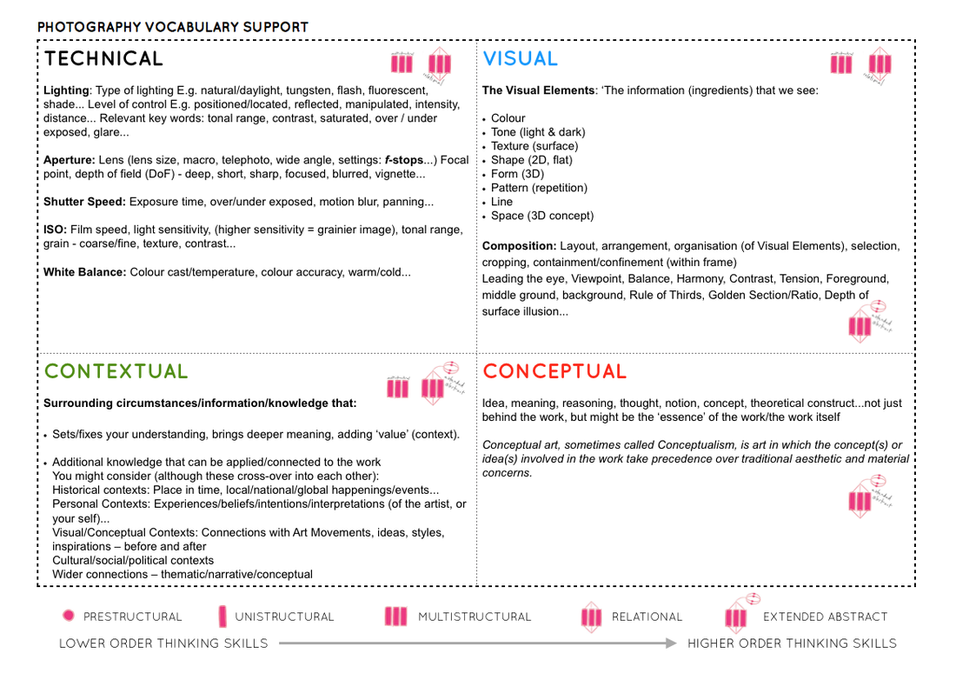
TECHNICAL > VISUAL > CONTEXTUAL > CONCEPTUAL. - Write a paragraph for each element of analysis using specific words from photography vocabulary sheet below.
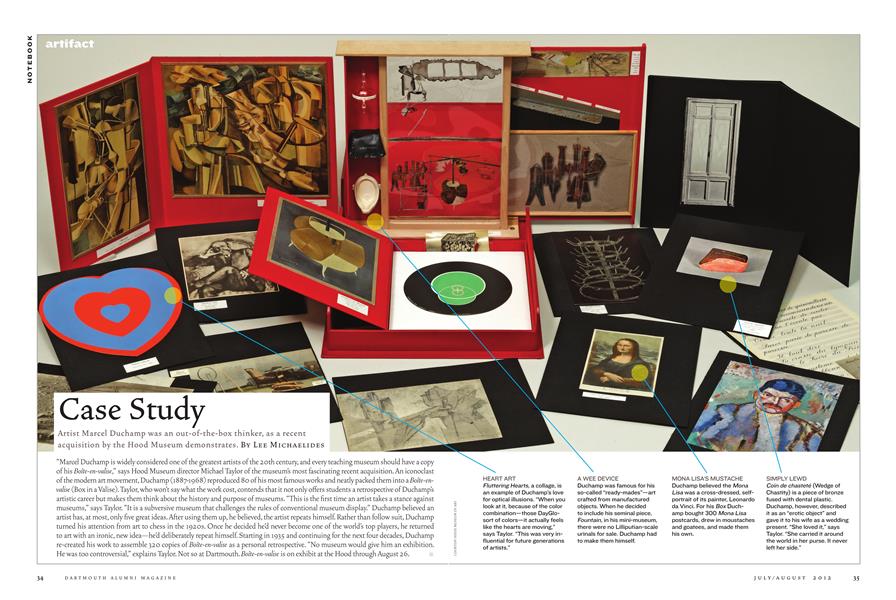
Example # 1

Key Aspects of Photo Literacy
- Analyzing visual elements: Understanding how techniques like camera angle, framing, subject placement, and focus contribute to the message of a photograph.
- Recognizing constructed narratives: Realizing that photographs are not objective recordings of reality but are created by a photographer who makes deliberate choices about what to include and how to present it.
- Understanding context: Knowing that a photograph’s meaning is influenced by its purpose (e.g., advertising, news, personal snapshot) and the cultural, political, and historical context in which it was created and viewed.
- Interpreting symbolism: Identifying the use of symbolism within an image to convey deeper, often non-literal, ideas or emotions…metaphors are often used too.
- Creating photographic texts: Using photography as a tool to express ideas and tell stories, thereby deepening one’s understanding of the visual language they are using.
PLAN A RESPONSE > How you will develop a photoshoot
- Write a brief explanation about how this artist case study will inform your photographic response.
- What aspects of their work will you focus on in your next shoot?
- Plan your photoshoot: What, where, when, who, how?
RECORD> make a set of images in response to study
- Produce a set of images that respond to the artist work studied focusing on specific concepts (ideas, thoughts, foundation or meaning behind work), subject-matter or theme (topic or subject explored), aesthetics (visual style and how something looks) demonstrating competent camera skills (creative use of aperture, shallow depth of field/ out of focus or shutter speed/ movement etc.), use of appropriate lighting (natural light/ sunlight = hard light, overcast = soft light, studio light/ flash/ continious lighting systems/ chiaruscuro, rembrandt and butterly lighting techniques), composition (framing, view point, balance, harmony, contrast, rule of thirds, foreground, midground, background, arrangement of visual elements), visual elements (lines, shapes, colour, tone, form, texture, space, patterns).
- Select and adjust images from shoot using Lightroom and show evidence of editing process using screen grabs and annotation.
- Make sure to include contact sheets of sub-selections and a final set of your best images in variations of colours and B/W versions.
COMPARE & CONTRAST > describe similarities and differences
- Compare and contrast your own images with the artist case study and describe similarities and differences in approaches, methods and outcomes.
- Select two key images as visual illustrations (one you have made and one by the artist) and analyse using specific photographic vocabulary: TECHNICAL > VISUAL > CONTEXTUAL > CONCEPTUAL.
Here is an example…Artist case study: Uta Barth

Understanding Utah Bath’s Journey into photography:
- How did Utah Bath first get interested in using photography?
Technical Focus: Aperture and Its Effects
- How does Utah Barth explore focus and perception?
- How does Utah Barth use aperture in her photos?
- Can you identify any examples in her work where the aperture draws attention to specificsubjects or details? How does this challenge traditional photos and perception?
Connecting to the Theme of Belonging
- How could Utah Bath’s photographs explore or represent the theme of belonging?
- How does the camera capture things that they eye cannot? How does this link to fleeting moments and transience in life?
- What effect does soft focus have in her photos? How could this link to a sense of belonging?
Analysing one of her photos:
1. Visual :
- What are the main elements you see in the photo (people, objects, colors, shapes, textures)?
- How is the composition arranged? Where is the main subject placed in the frame?
- Are there any patterns, contrasts, or focal points that draw your attention?

Key words for Visual Analysis of Uta Barth’s work (based on the above image):
| Soft focus |
| Blurred background |
| Muted colours |
| Earthy tones |
| Green foliage |
| Outdoor setting |
| Sharp focus |
| Contrast |
| Negative space |
| Composition |
| Light and colour |
| Abstract Shapes |
2. Technical Analysis
- What camera settings can you infer from the photo (e.g., aperture, shutter speed, focus)? How do these choices affect the image?
- How is depth of field used? Is the background blurred or sharp, and what effect does this have?
- How does Utah Bath use light—natural or artificial—to shape the image?
- Are there any notable photographic techniques (e.g., framing, angles, perspective) being employed?
Key words for Technical Analysis of Uta Barth’s work:
| Shallow depth of field |
| Wide aperture |
| Natural light |
| Diffused lighting |
| Soft focus |
| Background |
| Foreground |
| Sharp focus |
| Framing |
| Bokeh effect |
3. Contextual Analysis
- What do you know about Utah Bath’s background or the setting of this photo? How might this influence the image?
- Is there any historical, cultural, or social context that is relevant to understanding the photo?
Key words for Contextual Analysis of Uta Barth’s work:
| Ground series |
| Peripheral vision |
| Everyday environment |
| Overlooked details |
| Emerged in late 1980s and 1990s |
| Abstract photography |
| Nature |
| Time / life cycles |
4. Conceptual Analysis
- What themes or ideas does the photo explore (e.g., belonging, identity, community)?
- How does the photo communicate emotions or messages beyond the literal subject matter?
- What is the photographer trying to say or ask the viewer through this image?
Key words for Contextual Analysis of Uta Barth’s work:
| Perception |
| Memory / fleeting moments |
| Presence / absence |
| Belonging |
| Unnoticed details in everyday life |
Here are a selection of other artists case studies…